What defining physical characteristic of Pristella maxillaris allows an unobstructed view of its internal structure?
Answer
Its nearly transparent body
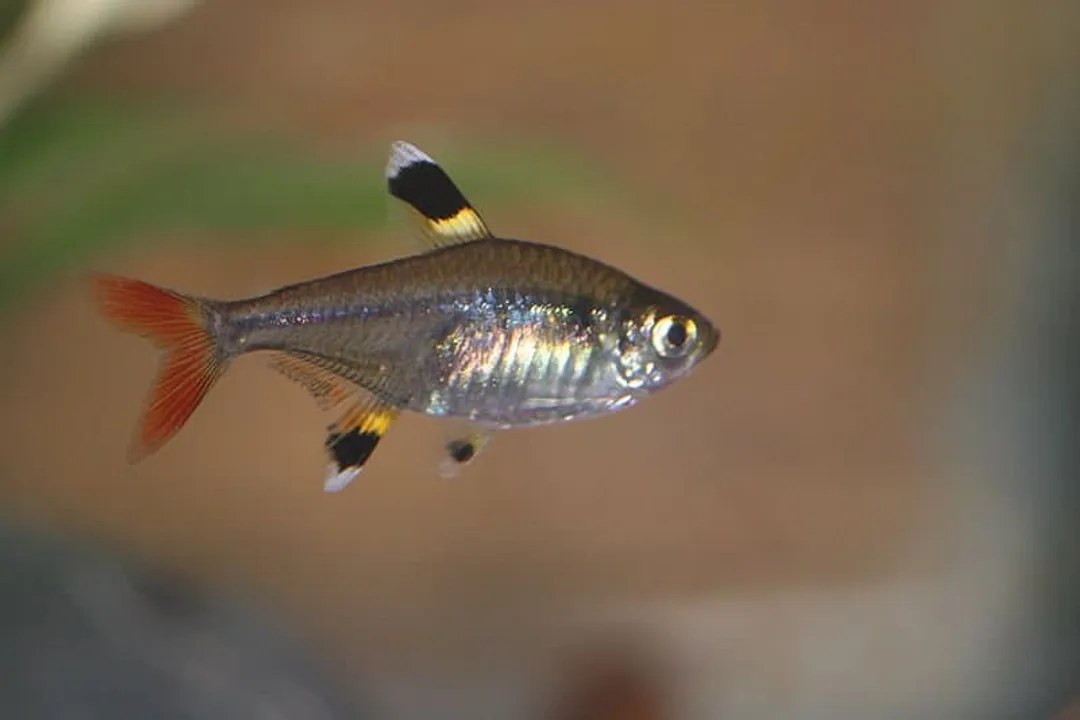
The X-Ray Tetra, scientifically named Pristella maxillaris, is visually captivating to aquarists specifically because of its nearly transparent body structure. This characteristic transparency is what allows observers to view the fish's skeletal structure and internal organs directly without obstruction. This feature is contrasted in the text against other fish species defined by vibrant colors or striking patterns, emphasizing that the clarity of its physiology is its primary visual appeal. This physical trait is integral to its common identification among hobbyists.
#Videos
How to Catch X-Ray Tetra in FIsch (EASY Guide) - YouTube
Related Questions
What defining physical characteristic of Pristella maxillaris allows an unobstructed view of its internal structure?Which two major South American river basins firmly root the natural distribution of the X-Ray Tetra?In its natural habitat, where do X-Ray Tetras typically thrive instead of the main river channels?What is the required pH range for keeping the X-Ray Tetra successfully, reflecting its native water chemistry?What specific element causes the dark brown or tea-colored staining characteristic of the X-Ray Tetra's blackwater tributaries?Which specific name is noted as pointing to the X-Ray Tetra's presence in Portuguese-speaking regions like Brazil?Which two global locations are cited as the primary origin points for the vast numbers of commercially bred X-Ray Tetras available today?Besides the Orinoco system, which other major river system is sometimes cited as part of the complementary distribution range for *Pristella maxillaris*?What specific items are mentioned that aquarists can use to replicate the tannin presence of the X-Ray Tetra's blackwater origins?Which specific country, among those listed in the native distribution, is explicitly mentioned as having a Portuguese name for the fish?How does the flow rate in the X-Ray Tetra's preferred habitat relate to the oxygen saturation levels found there?