Where are X-Ray Tetras found?
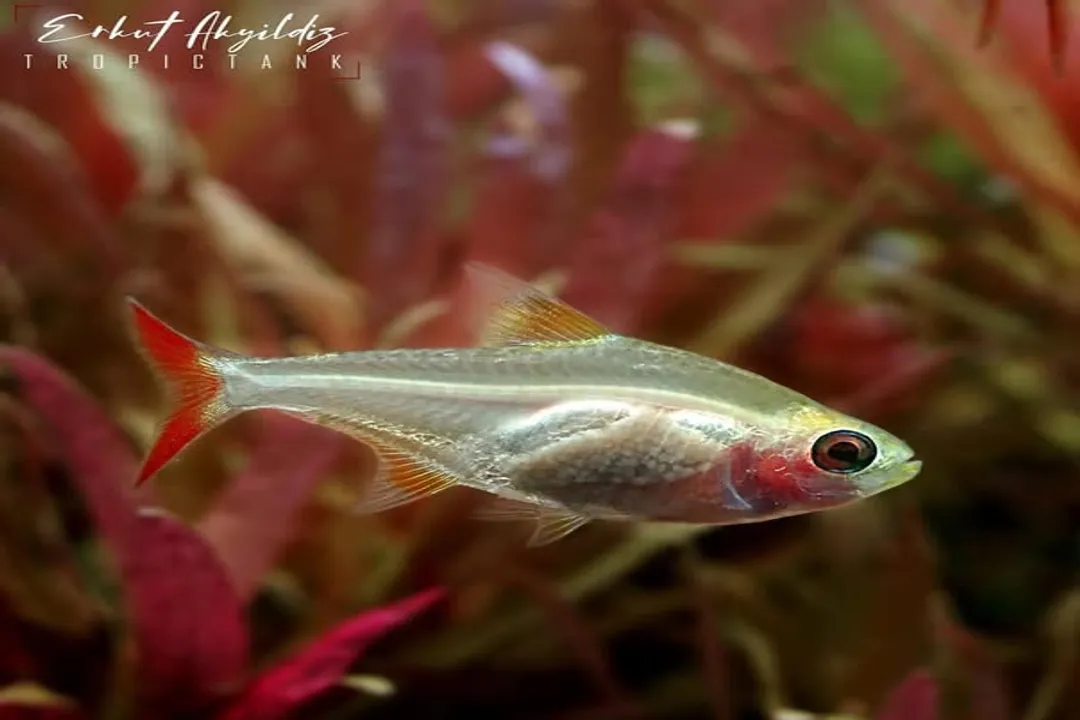
The little fish known widely as the X-Ray Tetra, or by its scientific name, Pristella maxillaris, possesses a native geography that spans several of the most famous river systems in South America. [1][4] These small, schooling creatures are not found globally, nor are they inhabitants of a single, isolated stream; rather, their distribution covers a significant portion of the northern regions of the continent, establishing them as a widespread, though specific, South American native. [1] Understanding where these tetras originate is key to appreciating their care requirements in an artificial environment, as their natural setting dictates their preferred water chemistry and social behaviors. [2]
# Scientific Identity
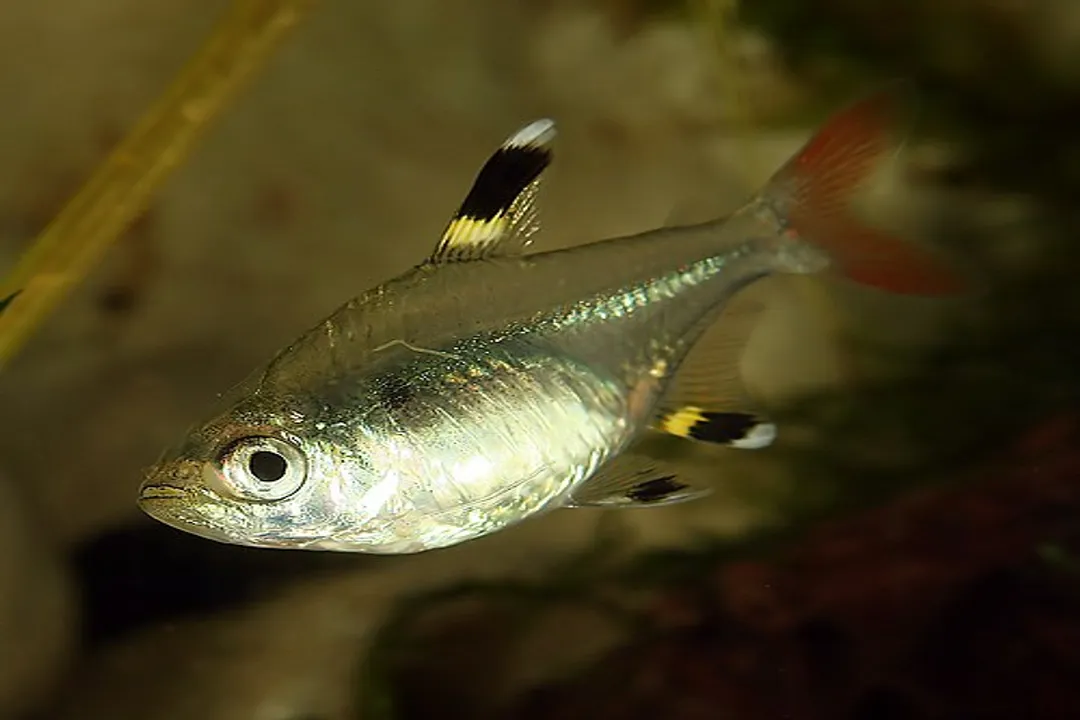
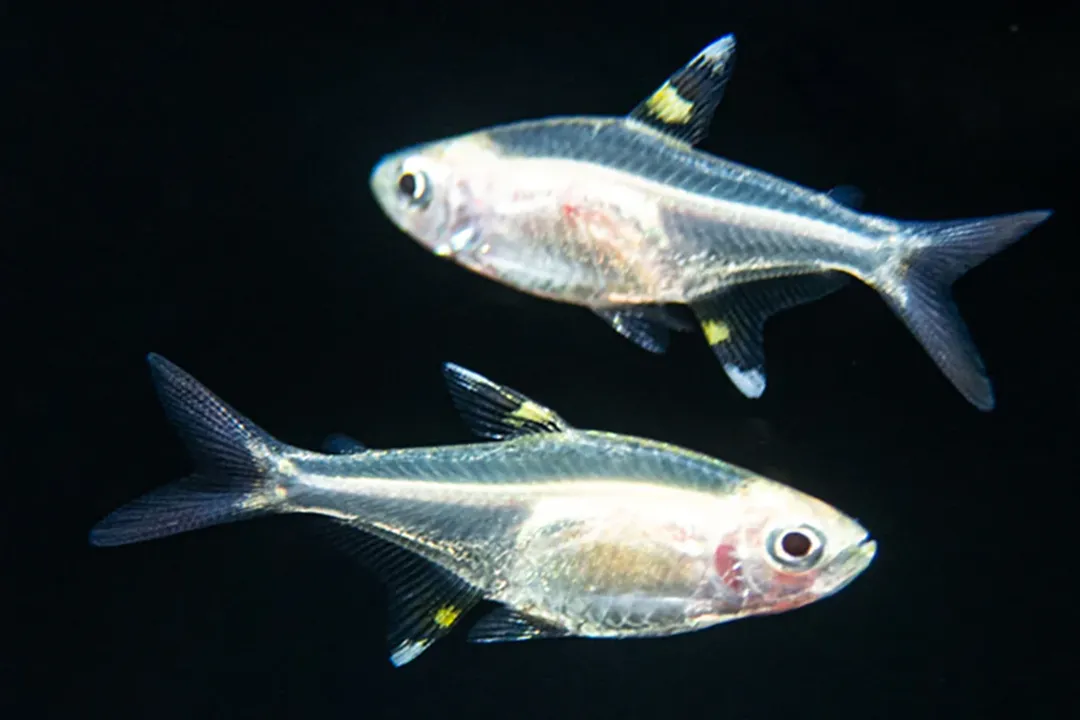
The X-Ray Tetra belongs to the family Characidae, and its current accepted binomial nomenclature is Pristella maxillaris. [1][4] While this name is the standard among ichthyologists, the aquarium trade often uses common names that reflect its most distinctive feature: its translucent body, which allows internal structures to be clearly seen, much like an X-ray image. [5][7] This transparency is a result of minimal pigmentation in the scales and skin. [4] Though sometimes confused with other similar tetras, the specific location data points to this species alone. [8] This singular species is the one that hobbyists commonly seek out, alongside potential color morphs, such as the Golden X-Ray Tetra, which is a selectively bred variation originating from the wild type. [2]
# South American Home
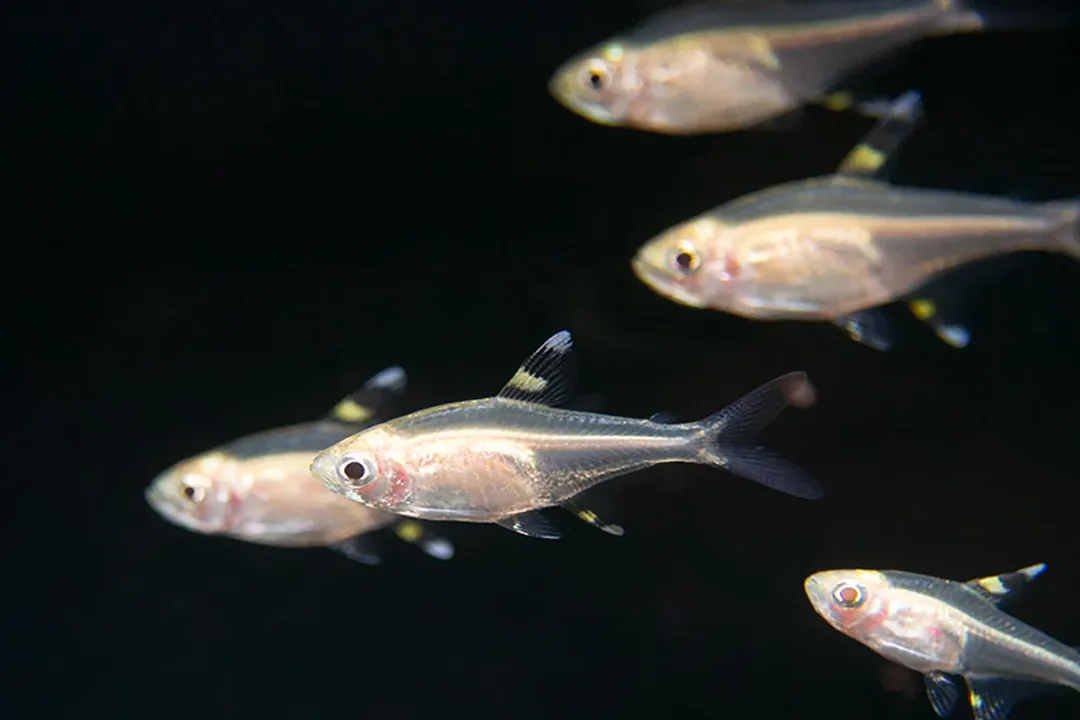
The general homeland for the X-Ray Tetra is South America. [1][4] This places them firmly within the Neotropical realm, an area known for its astonishing aquatic biodiversity. [1] They are not found naturally in Africa, Asia, or any other continent, which is an important distinction for aquarists interested in species authenticity or biotope setup. [4][8] The distribution seems centered around the northern river systems, suggesting they thrive in tropical conditions with consistent, warm temperatures year-round. [1]
Their native range is not monolithic; instead, it represents a collection of interconnected and sometimes geographically separated river networks. This broad area of distribution across a massive continent implies a degree of adaptability that has allowed them to colonize various tributaries and floodplains within their established boundaries. [1]
# River Systems
When examining the map of their natural range, the X-Ray Tetra is principally associated with three major drainage areas in northern South America. [1]
The primary locations include:
Some sources also indicate the presence of Pristella maxillaris in the Paraguay River basin. [4] The fact that populations exist across the massive Amazon system, the separate Orinoco system, and the smaller coastal rivers of Venezuela, Guyana, Suriname, and French Guiana suggests a successful history of dispersion. [1] The Amazon and Orinoco are geographically distinct, separated by landmasses or watersheds that do not naturally connect in the present day, although ancient geological events may have allowed for cross-pollination of species long ago. [1]
If you consider the sheer scale of the Amazon basin alone, which is vast and contains countless smaller waterways, pinpointing a single "spot" is impossible; rather, they are found throughout many of the clearwater tributaries within this system. [1]
# Habitat Conditions
The types of aquatic environments these tetras inhabit are just as important as the continent they call home. X-Ray Tetras generally prefer clear water streams, small tributaries, or floodplains rather than the main, murky channels of massive rivers. [1]
This preference for clearer waters is intrinsically linked to their appearance. In their natural, sun-dappled environment, where vegetation often filters the light, their semi-transparent bodies likely offer some degree of camouflage among the dappled shadows on the sandy or silty bottom. [1] When we move them into an aquarium, mimicking this visual context can be beneficial. For example, keeping the substrate light-colored and avoiding overly dense, dark backgrounds can enhance the natural appearance of the fish, allowing hobbyists to better appreciate the feature that gives them their name. [5] Furthermore, these environments are often slow-moving, which aligns with their need for calm swimming areas in captivity. [1]
The water chemistry in these natural areas tends to be softer and slightly acidic, characteristic of many South American blackwater or clearwater environments, though the fish are known to be relatively adaptable to varying conditions found across their broad distribution. [1]
# Distribution Implication
The fact that Pristella maxillaris is successfully established across the Amazon, Orinoco, and Guianan drainages provides an interesting ecological footnote. These are not minor variations in a single river; they represent distinct major watersheds. [1] For a relatively small, non-migratory schooling fish, maintaining populations across such distinct geographical barriers implies a high degree of localized adaptability or successful past dispersal events when river courses were configured differently. [4] This resilience in the face of natural geographic isolation is likely why they translate so well to the aquarium trade; they are inherently robust survivors, capable of handling minor fluctuations that might devastate more specialized species. This characteristic, inherited from their diverse native territories, is a quiet testament to their evolutionary success. [2]
# Commercial Spread
While their wild origins are strictly limited to the tropical regions of South America, the current global presence of the X-Ray Tetra is almost entirely due to the international ornamental fish trade. [6] Virtually every specimen sold in a fish store outside of their native range was either wild-caught from these specific South American locales or, more commonly today, captive-bred in commercial hatcheries globally. [2] Therefore, while you might find them in an aquarium in North America, Europe, or Asia, their found location in the natural world remains fixed to the basins of the Amazon, Orinoco, and surrounding coastal rivers of the Guianas. [1][4] This distinction between the wild origin and the captive environment is where much of the responsibility for their welfare in the hobby originates. [6]
# Visual Identification
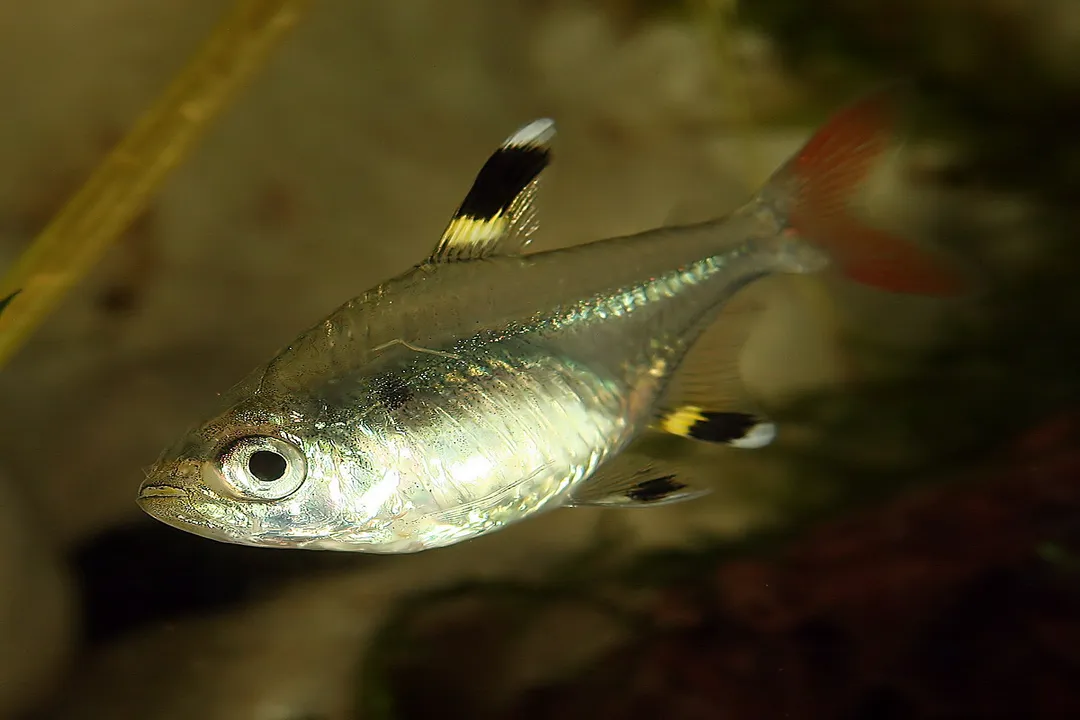
The defining characteristic that helps trace their identity across these locations is their appearance. The species name maxillaris relates to the jaw area, but the common name emphasizes the body's striking feature. [4] The body is generally silvery or pale, but the transparency is absolute enough that one can observe the swim bladder, the spinal column, and other internal organs without specialized equipment. [5][7]
This lack of opacity contrasts sharply with many other tetras in the same habitat which rely on dense silver, red, or black pigmentation for schooling defense or camouflage. [4] Observing an X-Ray Tetra in a well-lit tank confirms this unique feature immediately, making field identification—if one were observing them in the wild—relatively straightforward compared to more uniformly colored relatives. [7] The fins often show a slight yellow or reddish tint, providing the only real burst of color on an otherwise ghostly frame. [1]
# Synthesis of Range
To summarize the X-Ray Tetra’s natural distribution, one must look north of the major central South American jungles and focus on the tropical, flowing waters where the Amazon meets the Atlantic drainage systems. [1] They are not deep-sea fish, nor are they high-altitude dwellers; they are creatures of the warm, relatively clear lowland river networks that feed the great South American coastline. [4] The precise coordinates are irrelevant to the average aquarist, but knowing they come from the specific environmental pressures of the Orinoco and Amazon tributaries provides the context for maintaining them successfully in a home tank. [1][2] Their native environment is one of constant, warm tropical flow, a stark contrast to the often static conditions found in lesser-maintained aquariums. [1]
Related Questions
#Citations
Pristella maxillaris - Wikipedia
Community Fish Spotlight: Golden X-Ray Tetra (Pristella maxillaris)
X-ray tetra - Pristella maxillaris - Aqua-Fish.Net
X-ray Tetra (Pristella maxillaris) - iNaturalist
Here's an X-ray Tetra fish with all its details clearly visible ...
X-Ray Tetra | Zoo tycoon movie Wikia - Fandom
X-ray tetra • Pristella maxillaris • Fish sheet - Fishipedia
X-ray Tetra (Pristella maxillaris) - Whats That Fish!
What Is An X Ray Fish? - Technology Org