How many X-Ray Tetras should be kept together?
The decision of how many X-Ray Tetras to welcome into your aquarium centers heavily on respecting their fundamental nature as schooling fish. These small, translucent beauties, scientifically known as Pristella maxillaris, are not meant to live solitary lives. While they are popular additions due to their peaceful temperament and hardiness, keeping them in too small a group is a primary cause of stress and inhibited natural behavior.
# Schooling Requirement
The X-Ray Tetra, sometimes called the Pristella Tetra or Water Goldfinch, belongs to the Characidae family, making the need for social interaction integral to their well-being. In their native South American rivers and streams, they naturally exist within schools, seeking safety in numbers. This instinct translates directly to the home aquarium; when a group feels secure, their colors become more vibrant and their swimming patterns more natural.
When considering stocking, the primary goal must be to satisfy this social drive first. A solitary X-Ray Tetra, or one kept with only one or two companions, will likely spend its time anxious and hiding, unable to display the active, engaging swimming that makes them so popular.
# The Six Fish Rule
Across experienced aquarist discussions and care guides, a clear consensus emerges regarding the minimum number required for a healthy school of Pristella maxillaris. Nearly all reliable sources stress that these tetras must be maintained in groups of at least six individuals. This number is considered the baseline for them to feel safe and protected from potential threats, even in a peaceful community setting.
While one community discussion mentioned a minimum of three to five fish for a "small school", the stronger, more consistent recommendation points toward six as the necessary starting point. For optimal observation of their natural schooling dynamics, a larger group is often even better, provided the tank size allows for it.
# Tank Size Limits
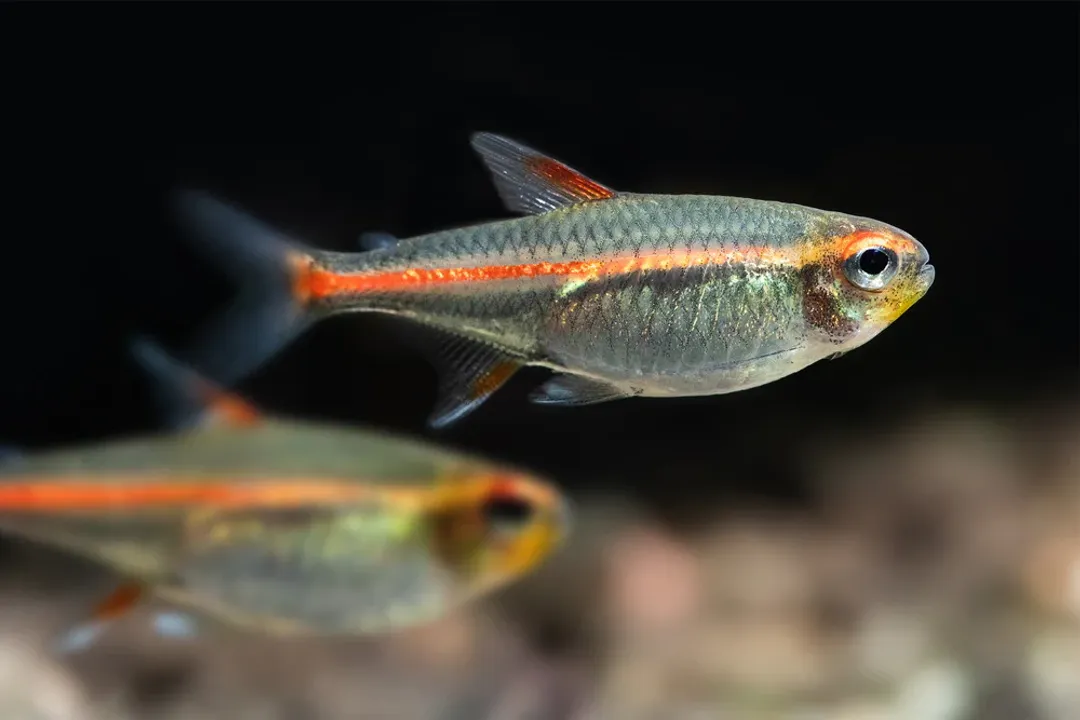
Knowing the minimum group size is step one; determining the maximum number you can safely keep depends entirely on the volume of water available in your aquarium. The X-Ray Tetra grows to a modest size, usually reaching about 1.5 to 2 inches (around 4.5 to 5 cm) in length. This small stature means they are often considered for smaller setups, but even small setups have limits.
Sources suggest that a minimum tank size of 10 gallons is suitable for a small group. However, there is a noted caution in the hobby regarding the 10-gallon threshold. When stocking, advice often centers on ensuring that if you have four mid-level swimmers (like X-Ray Tetras) and one bottom-dweller (like a Corydoras catfish), you should perhaps stop at eight small fish in a 10-gallon tank, provided filtration is adequate. Furthermore, in another context, the need for a proper minimum schooling size (six) combined with other species like Corydoras suggested a minimum of 20 gallons might be necessary for the comfort of all inhabitants.
If we extrapolate this based on the social requirement, a common-sense approach for a successful setup would be:
| Tank Volume | Minimum School Size (X-Ray Tetras Only) | Suggested Maximum (Small Community) |
|---|---|---|
| 10 Gallons | 6 | 6 to 8 |
| 20 Gallons | 6 | 10 to 12 |
| 30 Gallons+ | 6 | 15+ (depending on other species) |
This emphasizes that stocking isn't just about fitting bodies in; it's about providing enough safe swimming space for the required group size to feel comfortable. Trying to keep two separate schools of six, for example, requires significantly more footprint than one school of six. You must always plan your group size around the tank size, never forcing a large school into a space that forces them into too tight a formation or restricts them from swimming freely.
# Peaceful Nature
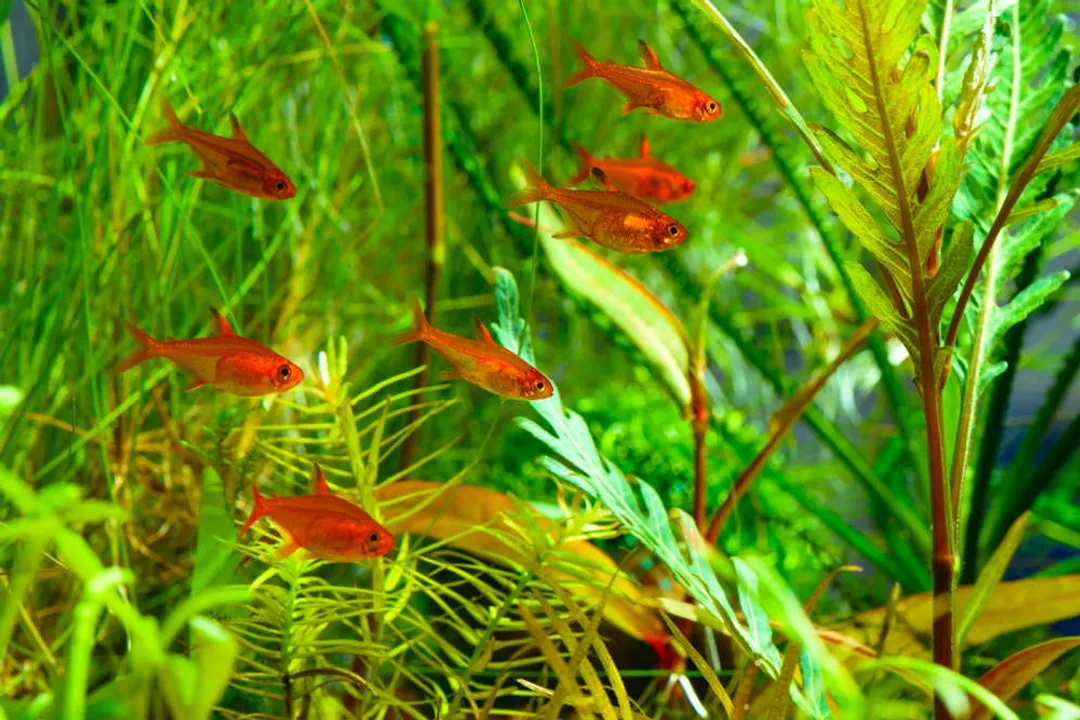
The X-Ray Tetra is generally regarded as a peaceful fish well-suited for a mixed community tank. Their gentle disposition allows them to coexist successfully with other small, non-aggressive species, such as other tetras, rasboras, guppies, and dwarf gouramis. This compatibility is a major advantage for beginners.
However, their small size and peaceful nature mean they are vulnerable to bullying or predation. It is critical to avoid housing them with fish large enough to view them as a meal, or aggressive species that nip fins. Keeping them with fast swimmers is generally fine, but avoid species that might outcompete them for food due to higher activity levels. The X-Ray Tetra itself is not typically known for aggression toward tank mates.
# Diet and Habitat
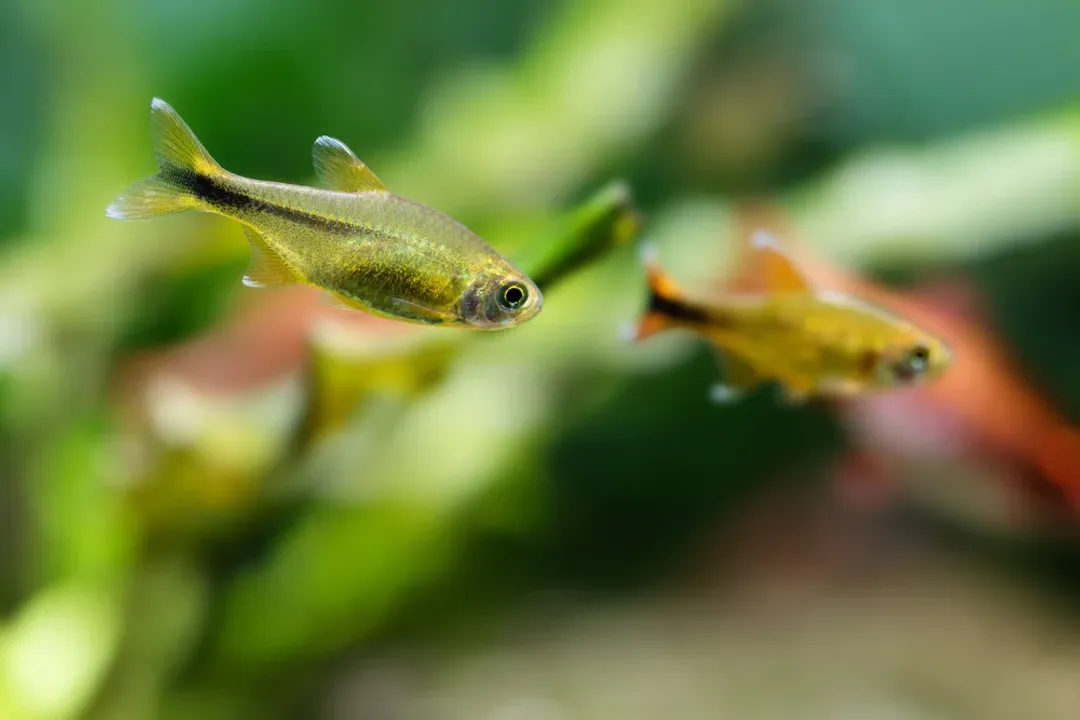
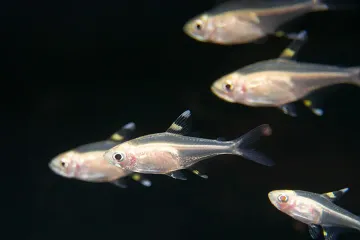
While the core question is about numbers, the quality of life that number experiences is tied to their environment and diet. X-Ray Tetras are omnivores that readily accept a wide range of foods. A high-quality flake food should form the base of their meals, supplemented several times a week with protein-rich frozen or live options like brine shrimp, bloodworms, or daphnia. A varied diet is essential for maintaining the vibrant silver, yellow, and iridescent colors that characterize the species.
Habitat setup strongly influences their behavior and perceived happiness within the school. They thrive best in an environment that mimics their native soft, slightly acidic waters, though they are notably adaptable to a broad spectrum of pH and hardness parameters. To help them feel secure and show off their best coloration, the aquarium should be densely planted along the sides and back, creating hiding spots, while leaving the center open for swimming. Darker substrates or naturalistic setups involving driftwood, which releases tannins, can enhance their color display.
# Water Quality Signaling
One fascinating aspect noted about the X-Ray Tetra is its transparency, which allows you to see some internal organs. While this is a defining physical trait, it serves an important function for the attentive owner: water quality signaling. If the fish are kept in optimal conditions, their colors will be vibrant; conversely, poor water quality causes their colors to fade. This visual cue is a direct signal that parameters like pH, ammonia, or nitrate levels need immediate attention, much like the fading red snout on a Rummy-Nose Tetra signals stress. This characteristic means that monitoring the appearance of your school can serve as a non-test-kit method for initial health checks, reinforcing the need for good filtration and regular weekly water changes.
# Breeding Tendencies
For those interested in breeding, X-Ray Tetras are egg-layers that scatter their eggs. Successful spawning usually requires soft, slightly acidic water and plenty of fine-leaved plants for the eggs to adhere to. While getting them to spawn is described as easy, raising the tiny resulting fry is the more challenging aspect. Once spawning is complete, it is essential to remove the parents promptly to prevent them from eating the scattered eggs.
In summary, the answer to "how many" always begins with the necessity of six X-Ray Tetras. From there, the number is capped by the physical dimensions of your tank, ensuring that this minimum social requirement can be met without overcrowding the swimming space in setups larger than the suggested 10-gallon minimum. Prioritizing a secure, planted environment and stable water parameters will ensure your school remains healthy, active, and visually striking for their potential lifespan of around five years.
Related Questions
#Citations
Ten gallon tank, two tetras, two x ray Tetras and an albino ...
X-ray Tetra
X-ray tetra - Pristella maxillaris
X-Ray Tetra-Pristella maxillaris
Top 10 Tetras for Your Next Community Tank
X-ray Tetra (Pristella Tetra)