X-Ray Tetra Evolution
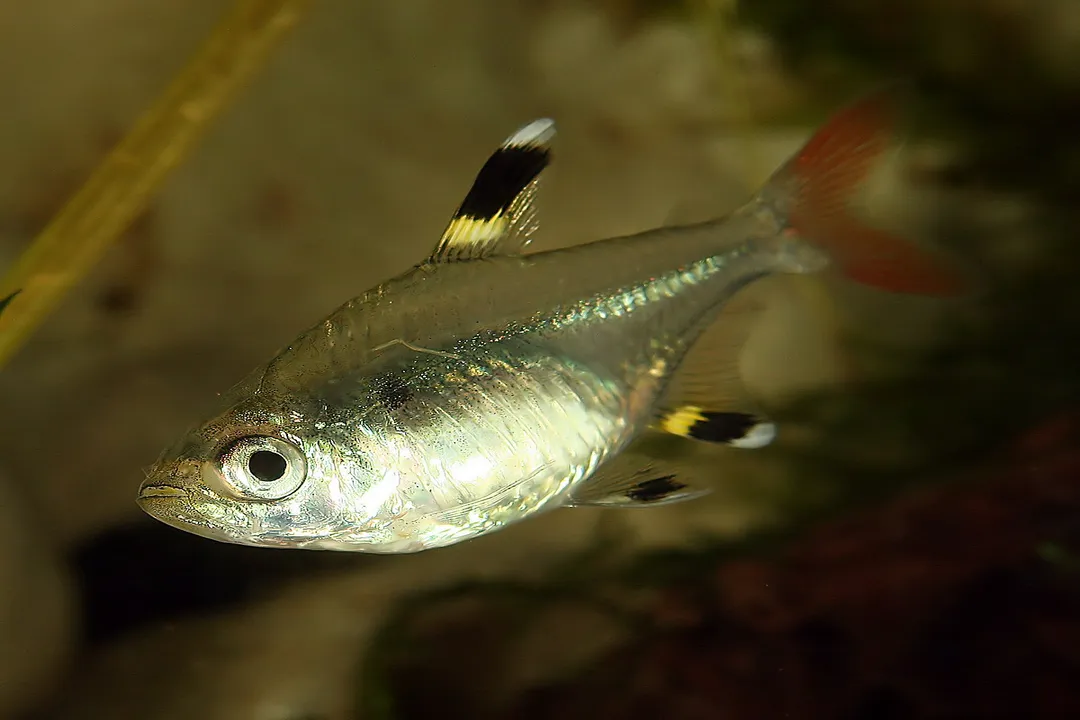
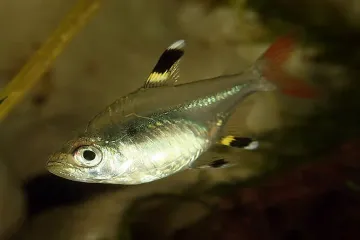
The Pristella maxillaris, more commonly recognized by its evocative name, the X-ray Tetra, holds a unique spot in the aquarium hobby due to its almost entirely translucent body structure. [1][3] This remarkable lack of pigment allows for a clear view of its internal anatomy, which is the source of its common moniker, mimicking an X-ray image. [6] While it is a small, schooling characin, this fish has maintained a strong presence in tanks for decades, a testament to its hardiness and visual intrigue. [2] Its natural range is centered in the freshwater systems of South America, specifically within the Orinoco and Essequibo river basins, although it is also found in coastal streams in Brazil. [1][5]
# Classification and Lineage
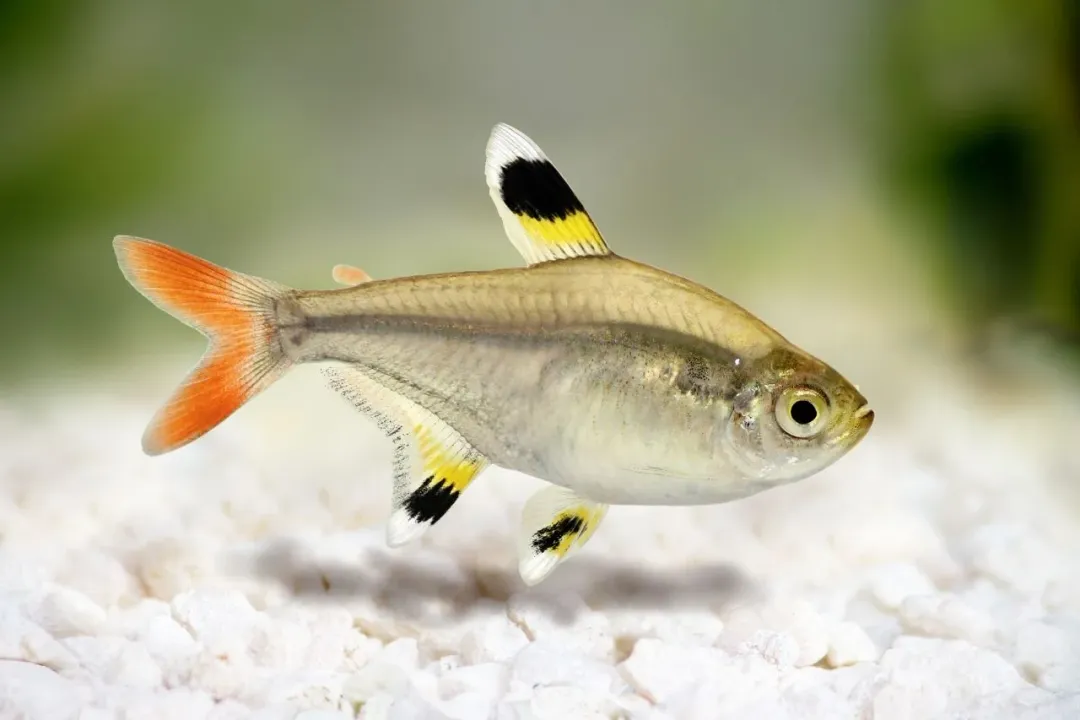
As a member of the family Characidae, the X-ray Tetra shares its broader ancestry with many popular aquarium fish, including other tetras and even piranhas. [5] Its specific scientific designation is Pristella maxillaris. [1] Delving into its taxonomy reveals its place within the order Characiformes, grouping it with over 1,200 species of freshwater ray-finned fish. [5] The structure of its lineage, often characterized by features like the adipose fin—a small, fleshy fin located between the dorsal and caudal fins—is typical of this group. [3][5] It is important to distinguish Pristella maxillaris from other species that might be confused with it, though the common name "X-ray fish" is frequently applied specifically to this species. [3] The species has been recorded in various river drainages, emphasizing its adaptability to different South American waters. [1]
# Transparency Adaptation

The defining characteristic of this fish, its near-invisibility, is a significant biological adaptation, though its precise evolutionary advantage in the wild is a point of ongoing discussion. [6] In its native environment, being transparent likely serves as a form of camouflage, helping the small fish evade predation in the dappled light of their riverine habitats. [2] Unlike fish that rely on bright colors for display or warning, the X-ray Tetra relies on not being seen. [3] This transparency means that much of the musculature and bone structure is visible, a feature that contrasts sharply with the vibrant coloration seen in many of its tetra cousins. [1] For aquarists, this transparency means that water quality is even more critical, as any internal issues or poor gut health can immediately become visible, offering an unplanned, albeit sometimes concerning, diagnostic window into the fish’s well-being. [2]
One interesting observation when comparing its natural state to captivity is how quickly selective pressures change. In the wild, maintaining perfect transparency is key to survival. In an aquarium setting, however, human intervention has introduced color variations that would likely not survive long in nature. For instance, neon-colored variants, often bred through selective enhancement or potentially genetic modification in some cases, thrive because the aquarium removes the natural predators that would otherwise target such conspicuous individuals. [6] This shift illustrates a rapid, human-driven divergence from the original evolutionary path dictated by natural selection.

# Establishing in Aquaria
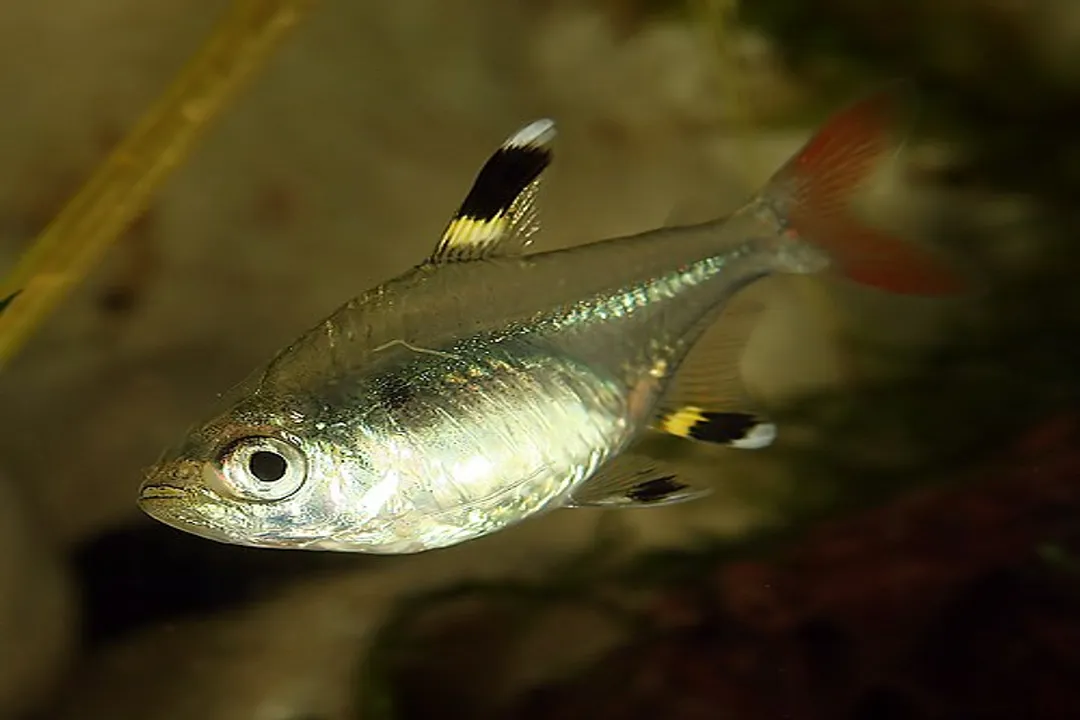
The X-ray Tetra was first imported to Europe in the early 1900s, making it a relatively established resident of the aquarium world. [1] Its initial appeal was purely novelty—a fish that looked unlike others available at the time. [2] Its relatively small size, typically maxing out around 1.5 to 2 inches, made it suitable for smaller setups, even if modern understanding suggests they do best in groups. [1][10] Furthermore, its relative ease of keeping, especially compared to some more delicate South American species, secured its long-term popularity. [2]
# Habitat Requirements
Understanding the fish's native habitat is the key to recreating a suitable environment. In the wild, these tetras inhabit water that is typically soft and slightly acidic, characteristic of blackwater tributaries, though they tolerate a wider range than some specialized species. [2] The water in the Orinoco basin is often stained by tannins released from decaying vegetation, which gives it a tea-like color. [1] Providing a tank that mimics this slightly acidic, dimly lit environment can encourage more natural behavior. A substrate of dark gravel or sand, combined with plenty of floating or densely planted vegetation, helps diffuse the light, making the fish feel secure enough to show their best colors. [2]
When considering water parameters for a group of these fish, aiming for a pH between 6.0 and 7.5 and a temperature range near to is generally safe, as they are somewhat adaptable. [2] However, their natural environment suggests that stable, warmer, soft water is ideal. It is critical to remember that while they are hardy, hardy does not equate to indestructible or unaffected by poor conditions. [7] The transparency highlights their sensitivity to sudden swings in water chemistry or high nitrate levels, which can manifest as dullness or clamped fins. [2] A general rule of thumb for a small school of these fish, perhaps six to eight individuals, should involve a minimum tank size of 10 gallons, though a 20-gallon setup allows for better stability and more room for social interaction. [2]
# Schooling and Social Dynamics
Like many characins, the X-ray Tetra is a schooling species, meaning they require the company of their own kind to feel secure and exhibit normal behavior. [2] An isolated X-ray Tetra will likely become stressed, leading to lethargy and potentially illness. [10] A proper school provides safety in numbers, reducing the stress response that might otherwise be triggered by reflections or sudden movements in the tank environment. [2] While they are generally peaceful, their small size means they should not be paired with known fin-nippers or very large, predatory fish. [1] Their natural tendency is to swim actively in the middle to upper levels of the water column. [2] When setting up a community tank, choosing tank mates that share similar temperature and peaceful temperaments is essential for long-term success. [10]
# Breeding and Color Forms
The reproductive success of Pristella maxillaris in captivity is well-documented, which speaks volumes about their underlying hardiness and adaptability, even across generational lines. [7] They are egg-scatterers, meaning they do not guard their eggs or fry. [7] Successful breeding requires slightly different parameters than standard maintenance—typically softer, warmer water and often a slight reduction in light intensity, sometimes achieved by breeding them in a separate, heavily planted or darker container. [2]
The evolution within the aquarium trade is most visible in the variety of color morphs that have been developed. While the wild type is clear, hobbyists have successfully bred fish displaying intense yellow, red, and blue hues, sometimes called 'Gold' or 'Red' X-ray Tetras. [6] These artificial selections represent a kind of artificial evolution driven by aesthetic preference rather than survival in the Amazonian tributaries. A fascinating comparison arises when looking at other characins; while some species like Hyphessobrycon simulatus remain primarily wild-type in popularity, Pristella maxillaris readily accepted these artificial colorations, leading to their proliferation in the trade. [8] Observing these captive-bred strains side-by-side with their wild counterparts provides a quick visual case study on artificial selection in action.
If you are considering breeding these fish, understanding the initial spawning behavior is key. The female will release eggs, and the male will fertilize them immediately afterward. The parents must be removed promptly, as they will consume the eggs. [2] The resulting fry are minuscule and require infusoria or commercially prepared fry food initially before graduating to microworms or fine crushed flake food. [2] The speed at which the fry develop can be surprisingly fast under optimal conditions, allowing for rapid turnover in generations—a real advantage for aquarists interested in observing genetic traits firsthand.
# Scientific Study and Physiological Insight
The transparency of the X-ray Tetra has made it a subject of interest in biological research, offering a non-invasive way to study internal systems. [6] For example, its circulatory system can be observed relatively easily, which contributes to our general understanding of small fish physiology. [7] Research published in journals focusing on ichthyology or aquatic science often cites Pristella maxillaris due to its accessibility and unique morphology. [7] One area of deeper study involves examining how the lack of dermal pigment affects thermoregulation or UV protection compared to heavily pigmented fish, though specific findings related to its evolutionary response to light in the wild are often inferred rather than directly measured in captive studies. [6]
Considering the physiological implications, an interesting point to note for the dedicated keeper is the effect of diet on the visibility of the gut contents. Because the fish is so transparent, the color and texture of their food are immediately apparent as it passes through the digestive tract. [2] This direct observation allows an aquarist to instantly gauge whether the food offered is being properly processed. For instance, after feeding high-quality tropical flakes, you should see a distinct, homogenous pellet moving through the body, whereas if the fish is stressed or the food quality is poor, undigested material or excessive gas might become visible, prompting an immediate need to review feeding habits or water conditions. [2] This is a direct consequence of the adaptation that makes the fish so attractive to us.
# Summary of Aquarium Requirements
To summarize the ideal captive environment, which reflects the needs derived from its natural evolutionary niche, here is a brief overview of tank settings:
| Parameter | Preferred Range | Notes |
|---|---|---|
| Temperature | to | Stable warm water is best. [2] |
| pH | $6.0$ to $7.5$ | Slightly acidic preferred, but adaptable. [2] |
| Social Needs | Schooling (6+ individuals) | Essential for low stress. [10] |
| Diet | Varied omnivore | Flakes, pellets, small frozen foods. [2] |
| Lighting | Medium to Low | Avoid harsh, direct light. [2] |
The X-ray Tetra remains a fascinating subject, not just for its appearance but for what that appearance tells us about survival in its South American origins, and how easily human intervention can create entirely new evolutionary pressures in a glass box. [1][6] Its continued success in the hobby suggests that while its evolution in the wild favors stealth, its evolution in our tanks favors color and resilience.
#Videos
Rapid Evolution in Cave Dwelling Populations of Astyanax mexicanus
Related Questions
#Citations
Pristella maxillaris - Wikipedia
X-Ray (Pristella) Tetra Complete Care Guide - FishComfort
X-Ray Fish - Facts and Beyond | Biology Dictionary
6 X-Ray Tetra: A Transparent Wonder of the Aquarium Scientific Name
OneZoom: X-ray tetra
What Is An X Ray Fish? - Technology Org
First determination and analysis of the complete mitochondrial ...
Hyphessobrycon simulatus - False X-ray Tetra - Seriously Fish
Rapid Evolution in Cave Dwelling Populations of Astyanax mexicanus
The Pristella Tetra (Pristella maxillaris), also known as the X-Ray ...