X-Ray Tetra Locations
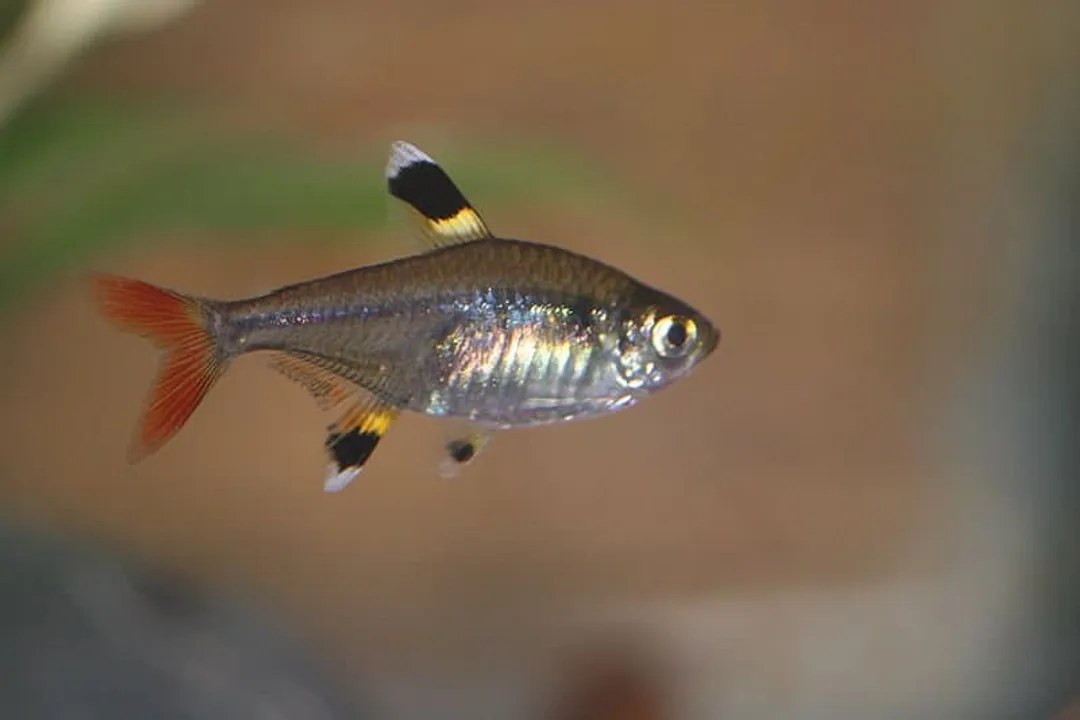
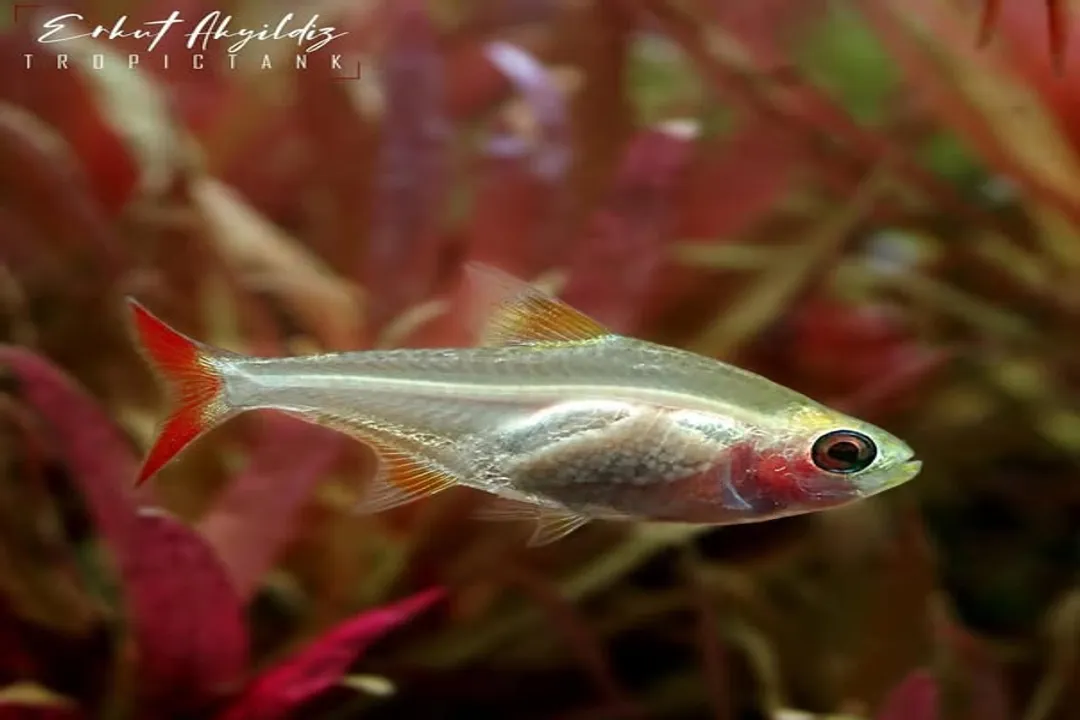
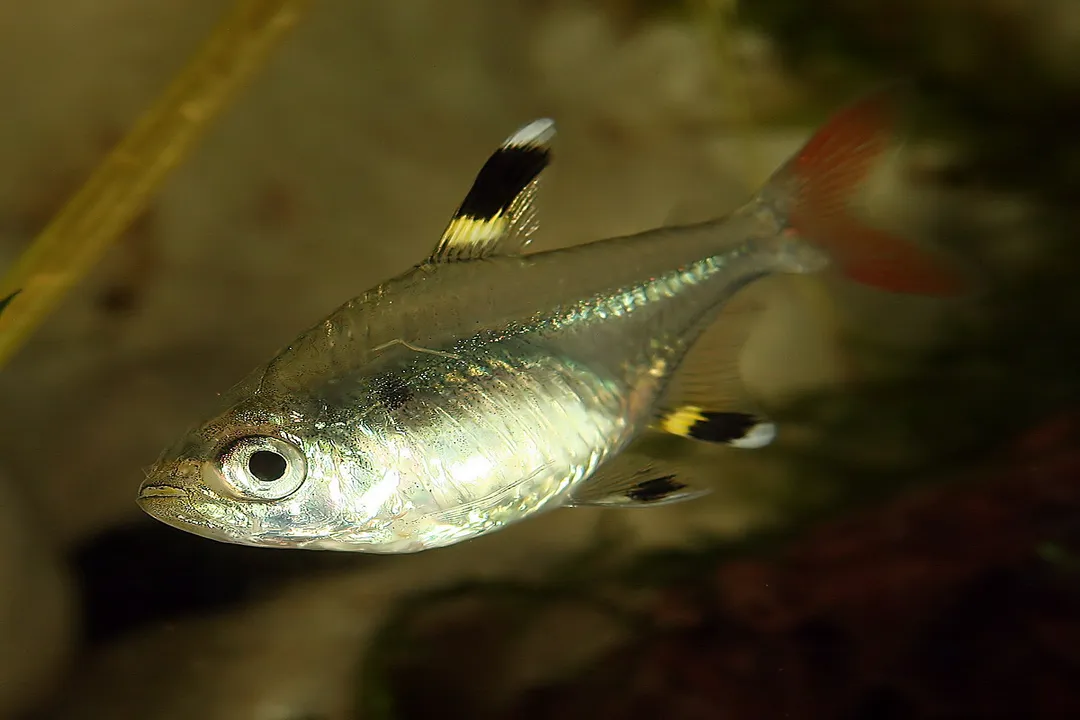
The X-Ray Tetra, scientifically known as Pristella maxillaris, captures the attention of aquarists primarily due to its fascinating, nearly transparent body, which allows an unobstructed view of its skeletal structure and internal organs. While many fish are defined by vibrant colors or striking patterns, the location of this species—both in its natural environment and within the global aquarium trade—paints a picture of a resilient little survivor from specific South American waters. Understanding where these fish come from is key to appreciating their care requirements and their success as a globally distributed aquarium pet.
# Native Waters
The true home of the X-Ray Tetra is firmly rooted in the northern regions of South America. Specifically, their natural distribution spans areas within the Orinoco and La Plata river basins. This geographical grouping places them in a diverse set of countries, including Brazil, Colombia, Ecuador, Guyana, Paraguay, Peru, and Venezuela. The presence of the name "Peixe raio x" points to its presence in Portuguese-speaking areas like Brazil.
It is worth noting a slight difference in how their broader range is sometimes described. While some sources firmly cite the Orinoco and La Plata systems, others focus on the Amazon and Orinoco river systems. Given that major river systems often connect or have tributaries that cross political boundaries, these descriptions are likely complementary, reflecting the full extent of their known wild population spread across the continent.
These tetras are not typically found schooling in the massive, turbulent main channels of these great rivers. Instead, their preferred locale is much calmer. They thrive in slow-moving tributaries, often inhabiting areas rich with submerged vegetation where the water flow is gentle. This preference for stiller waters makes sense when considering their physique; a tiny, slow-moving fish in a fast current would be easily swept away or battered, whereas a quiet, weedy backwater offers safety and abundant foraging opportunities.
# Water Environment
The physical location dictates the chemical environment, and the X-Ray Tetra has adapted to very specific water chemistry found in its native slow-moving habitats. The description of "blackwater tributaries" paints a vivid picture of their home. Blackwater environments are characterized by water stained dark brown or tea-colored due to tannins leaching from decomposing leaves and wood—a result of the slow flow and dense vegetation mentioned previously.
When considering the necessary conditions for keeping them successfully, the source data highlights that they prefer water that is slightly acidic to neutral in pH. This translates to a general requirement for water in the pH 6.0 to 7.5 range. In their native environment, the lack of turbulent flow means lower oxygen saturation compared to rapids, though good aeration is always necessary in an aquarium setting. For aquarists aiming to mimic their natural setting, replicating the slight acidity and the presence of tannins (often done using Indian Almond Leaves or peat) can go a long way toward replicating the comforting visual and chemical cues of their South American origins.
A common point of interest among hobbyists, perhaps best illustrated by seeing clear images of the fish in commercial settings, is how their slight size and lack of pigment contrast with the relatively harsh collection methods sometimes employed for wild-caught specimens. However, the fact that they survive capture and transit to global markets speaks to an inherent hardiness developed from surviving in variable, soft water conditions typical of the Amazonian and Orinoco floodplains.
# Worldwide Distribution
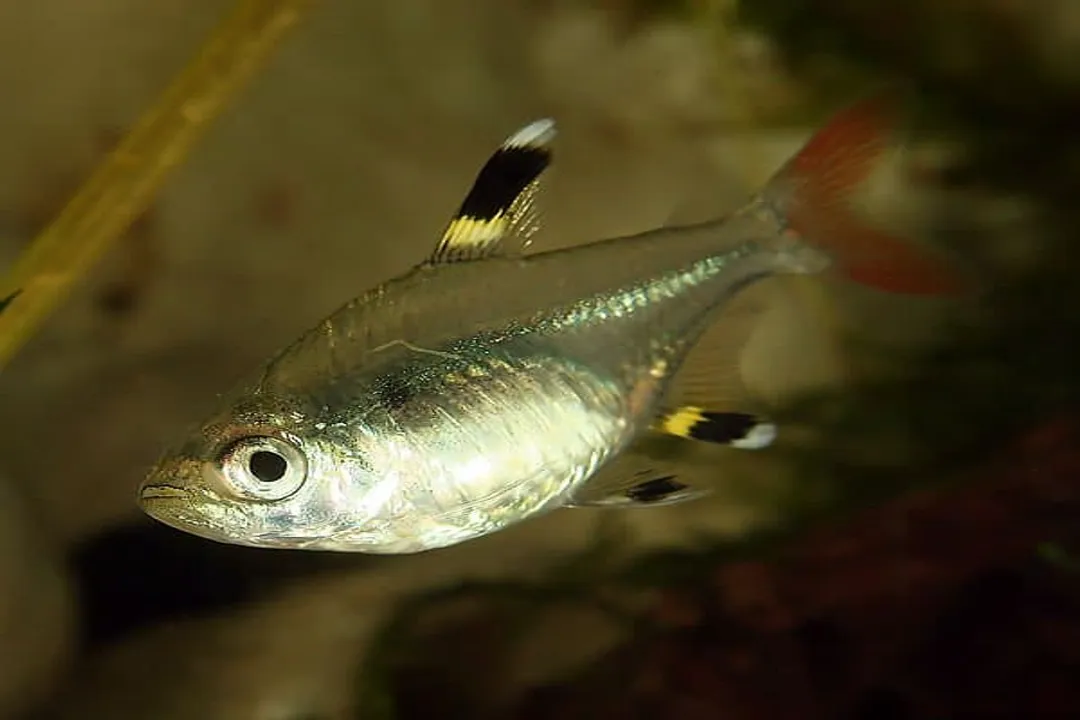
If the wild populations are restricted to a relatively defined section of northern South America, the captive population is truly global. The X-Ray Tetra is one of the most widely available and commonly stocked aquarium fish in the world. They are a staple in the freshwater hobby, available from local fish stores to large online aquatic suppliers across continents.
The fact that they are bred extensively in captivity has greatly reduced the reliance on wild collection for the trade, which is a positive for conservation of the wild stocks. When you purchase a school of these fish today, they are overwhelmingly likely to have been bred on commercial aquaculture farms, often in Asia or Florida, rather than netted from a tributary in Venezuela. This commercial breeding success is largely thanks to their relatively easy reproductive habits when provided with appropriate conditions.
The commonality of the species means that, for the average aquarist, the "location" of their fish is the local pet store tank rather than a specific river drainage. This accessibility has cemented their status as an introductory fish for beginners. Considering the diverse local water chemistries found in places like North America, Europe, and Australia where they are kept, their ability to adapt to a slightly broader range of parameters in the home tank, provided key elements like temperature stability are met, is remarkable.
# Trade Influence
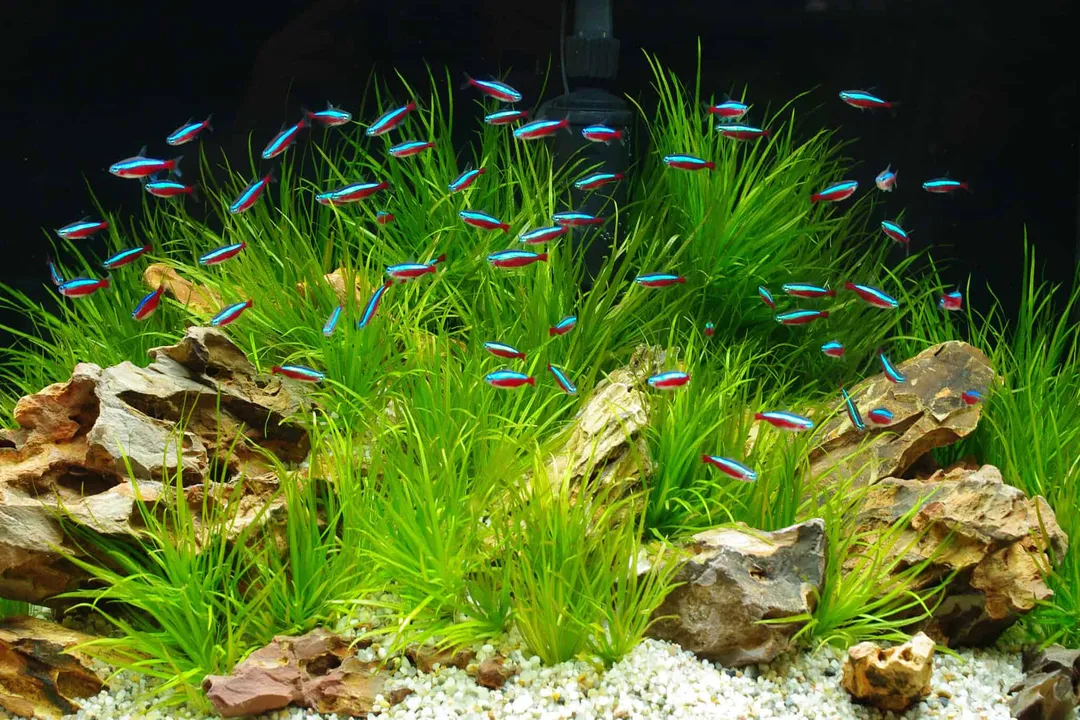
The sheer volume of X-Ray Tetras moving through international trade means that small, isolated populations in the wild might be overlooked compared to the massive numbers being shipped globally. It is interesting to consider that while the native range defines the species' origin, the international shipping routes define their current distribution pattern.
For the experienced fish keeper, knowing the difference between a stock originating near the blackwater areas of the Orinoco versus a stock bred in hard water environments can sometimes offer subtle clues about long-term hardiness or propensity for breeding. For instance, fish consistently raised in slightly softer, more acidic water might initially show stress when immediately placed into very hard tap water, even if they can acclimate over time. This variation in captive-bred stock, stemming from the diverse breeding farms across the globe, is a consequence of their global location in the trade, even if the wild source is concentrated. While precise origin tracking for mass-market fish is difficult, understanding the environmental baseline from the Orinoco and Amazon systems provides the necessary blueprint for successful husbandry everywhere else.
#Videos
How to Catch X-Ray Tetra in FIsch (EASY Guide) - YouTube
Related Questions
#Citations
Pristella maxillaris - Wikipedia
X-Ray Tetra Fish Facts - Pristella maxillaris - A-Z Animals
X-Ray Fish | Creatures of the World Wikia - Fandom
How to Catch X-Ray Tetra in FIsch (EASY Guide) - YouTube
X-ray tetra • Pristella maxillaris • Fish sheet - Fishipedia
Here's an X-ray Tetra fish with all its details clearly visible ...
Pristella maxillaris, X-ray tetra : fisheries, aquaculture, aquarium
X-ray tetra - Pristella maxillaris - Aqua-Fish.Net
Pristella maxillaris – X-ray Tetra - Seriously Fish