X-Ray Tetra Physical Characteristics
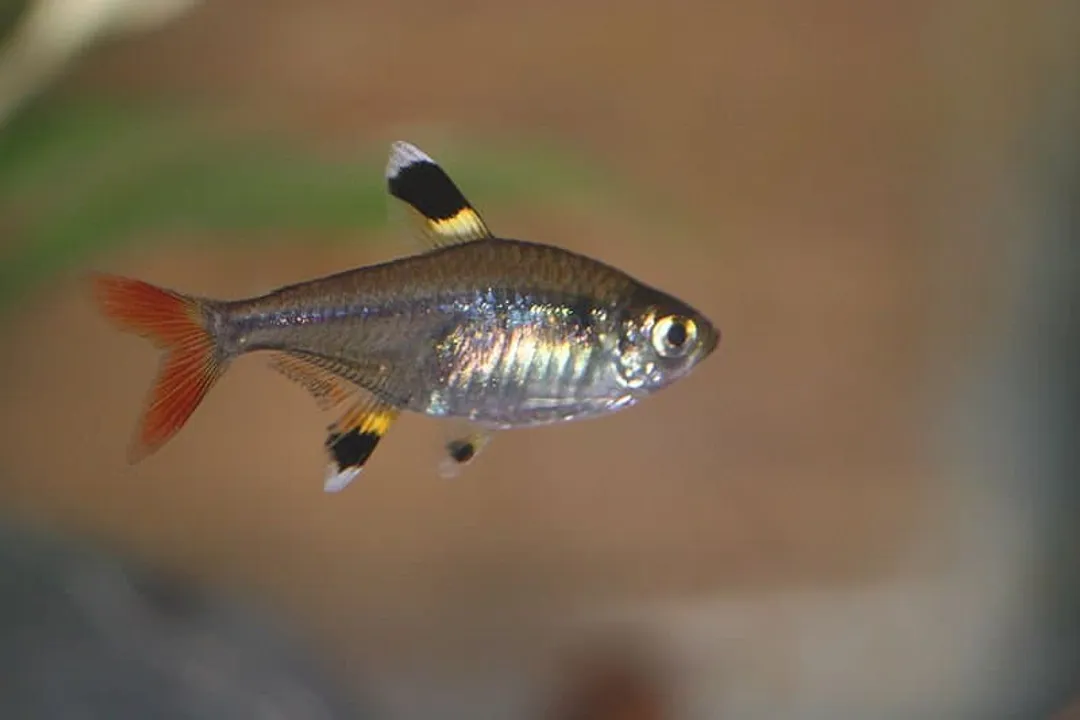
The X-Ray Tetra, scientifically classified as Pristella maxillaris, presents an immediately striking appearance in the aquarium world, largely due to its unique, almost spectral body composition. This small characin, native to South America, specifically the Orinoco and Essequibo river basins, earns its evocative common name from the remarkable translucence of its skin.
# Body Form
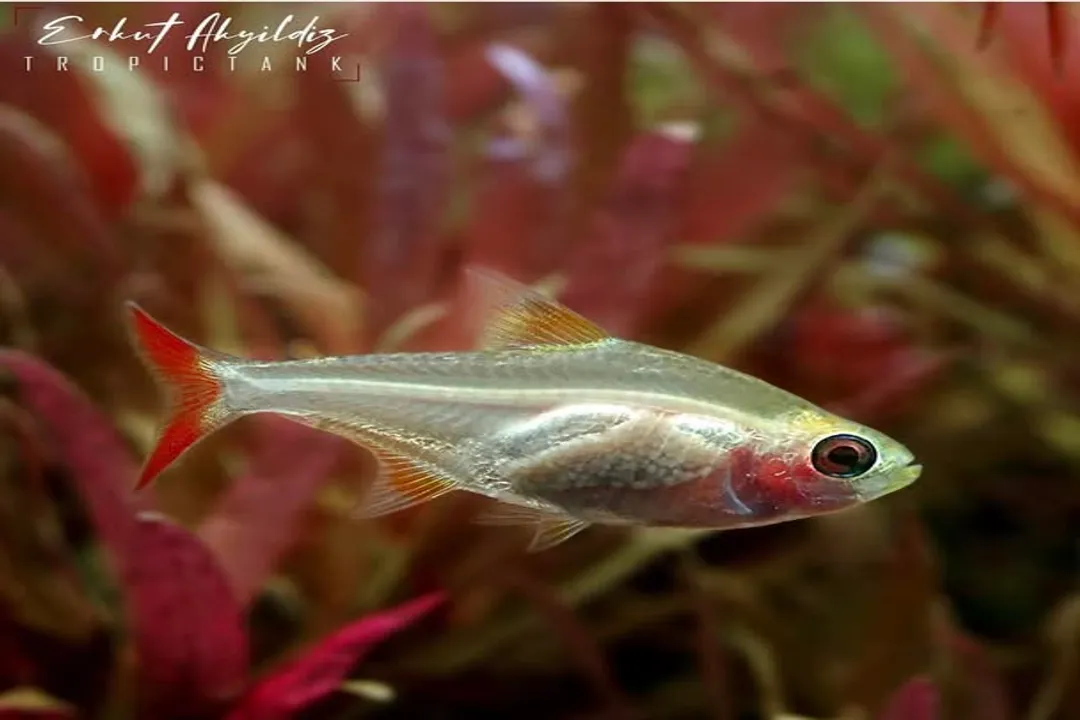
The general build of the Pristella maxillaris is typically described as elongated and slender, though some observers note it can appear slightly deep or plump, especially when it is healthy and well-fed. In terms of overall dimensions, this is a diminutive species. Most sources agree that the maximum standard length (SL) this fish reaches in captivity is approximately or around $1.5$ inches. It shares this small stature with many of its tetra relatives, making it well-suited for smaller display tanks, provided its social and water quality needs are met.
# Transparency Detail
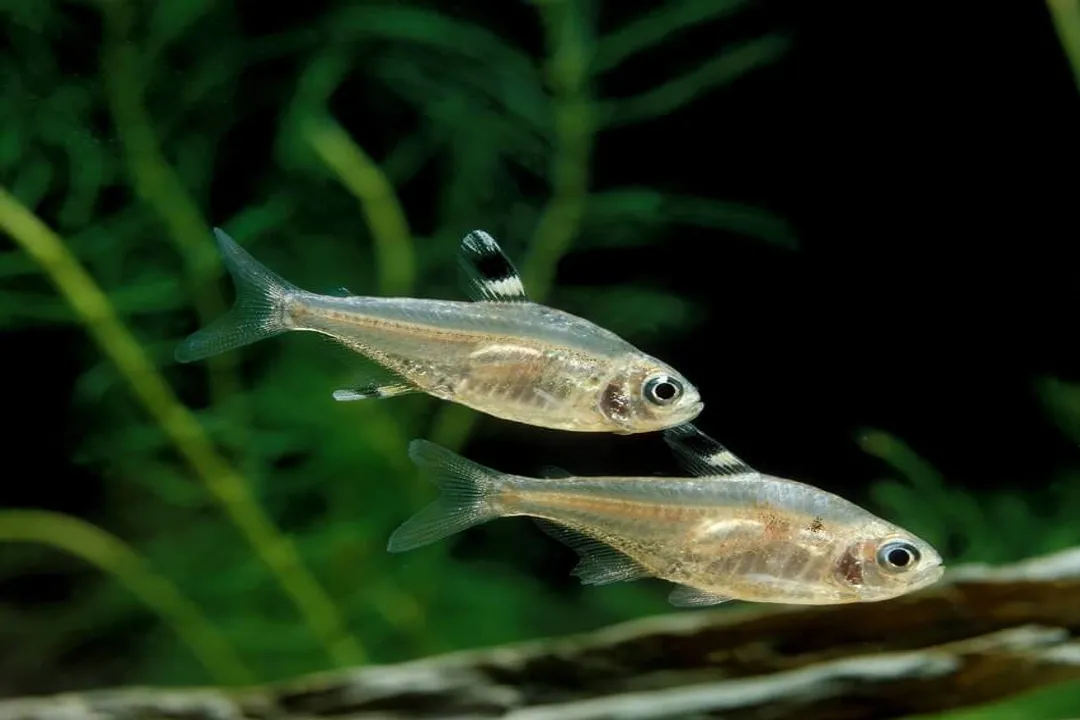
What sets the X-Ray Tetra apart from many other tetras is the high degree of transparency in its integument. The skin itself is nearly transparent, offering an unobstructed view of the structures beneath. This feature allows aquarists to observe the fish's internal anatomy, including its skeletal structure and various organs, giving rise to the alternative common name, X-Ray Fish. This level of visibility means that the fish's apparent 'health' or 'stress level' is often immediately apparent through its coloration and how clearly its internal features show through the skin. A fish that is stressed or living in subpar conditions might appear duller or cloudier, obscuring the characteristic clarity. This direct visibility into their physiology provides a unique, albeit slightly clinical, appreciation for their structure compared to fully opaque species.
# Pigmentation Scheme
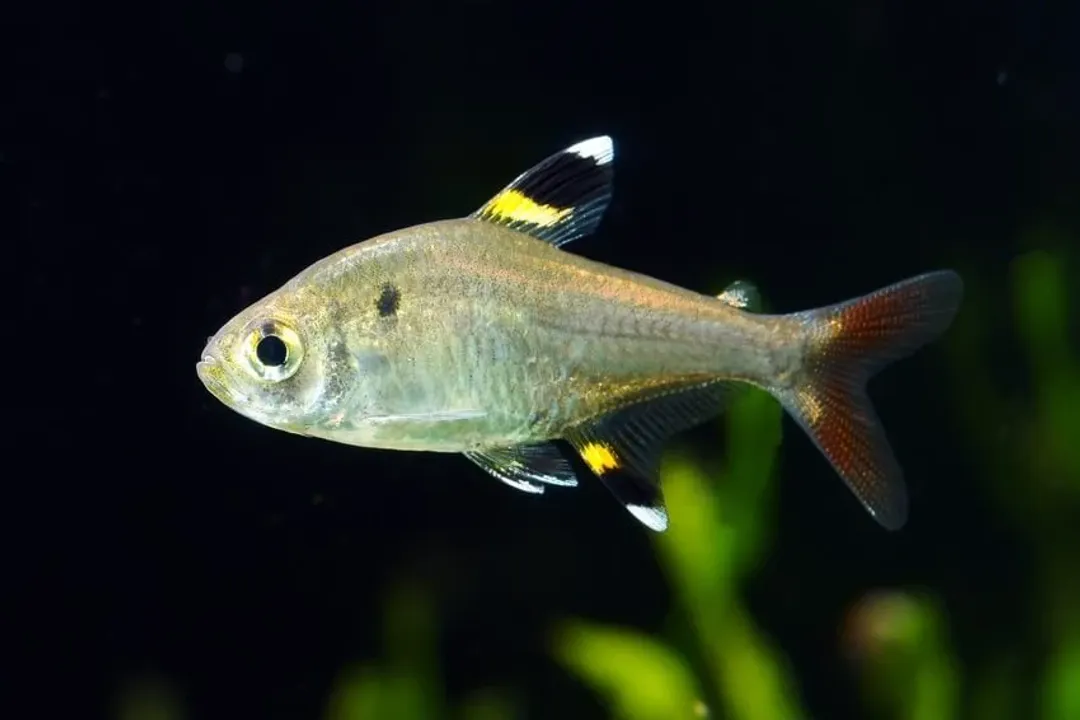
While the body tissue is largely see-through, the fish is not entirely colorless. The underlying musculature and the skin itself usually present a base tone that ranges from silvery to a pale, yellowish hue. This silvery sheen often catches the light, giving the fish a bright, reflective quality despite its transparency.
The true visual excitement of the X-Ray Tetra, however, resides in its fins. Nearly all descriptions highlight the presence of bright, vivid coloration on the fins, typically manifesting as a rich red or orange pigment. This pigmentation is most pronounced on the caudal (tail) fin, creating a dramatic contrast against the translucent body. The pectoral, pelvic, and anal fins also usually display this striking reddish tone to varying degrees.
It is important for caretakers to note that this brilliant fin color is highly dependent on the fish's environment and well-being. When water quality dips, or if the fish experiences significant stress from bullying or poor tank mates, this beautiful red and orange pigmentation can noticeably fade, sometimes leaving only a faint shadow of color. Maintaining pristine water conditions, therefore, is not just about health; it's about ensuring the Pristella maxillaris displays the physical characteristics that make it so sought after. Considering the small size and the reliance on water quality for color expression, an aquarist might find that even minor fluctuations in nitrate levels or result in a visually diminished specimen, making stable parameters a key factor in appreciating their full potential appearance.
# Fin Features
As members of the order Characiformes, X-Ray Tetras possess several key anatomical features common to their group. One of the most defining characteristics shared by many tetras, and present in Pristella maxillaris, is the adipose fin. This is a small, fleshy fin located on the back of the fish, situated between the dorsal fin and the caudal (tail) fin.
The presence of this adipose fin is a reliable visual marker for identifying fish within the Characidae family and related groups. If you are ever trying to identify a new, small, silvery fish in a community tank and you can clearly spot that small, un-rayed, fleshy fin near the rear of its back, you can be reasonably confident you are looking at a member of the characin group, of which the X-Ray Tetra is a prime example. Unlike the paired pectoral and pelvic fins, or the median dorsal and anal fins, the adipose fin has no supporting rays and serves primarily as a sensory structure, though its exact function in all species is still debated among ichthyologists.

# Comparative Summary
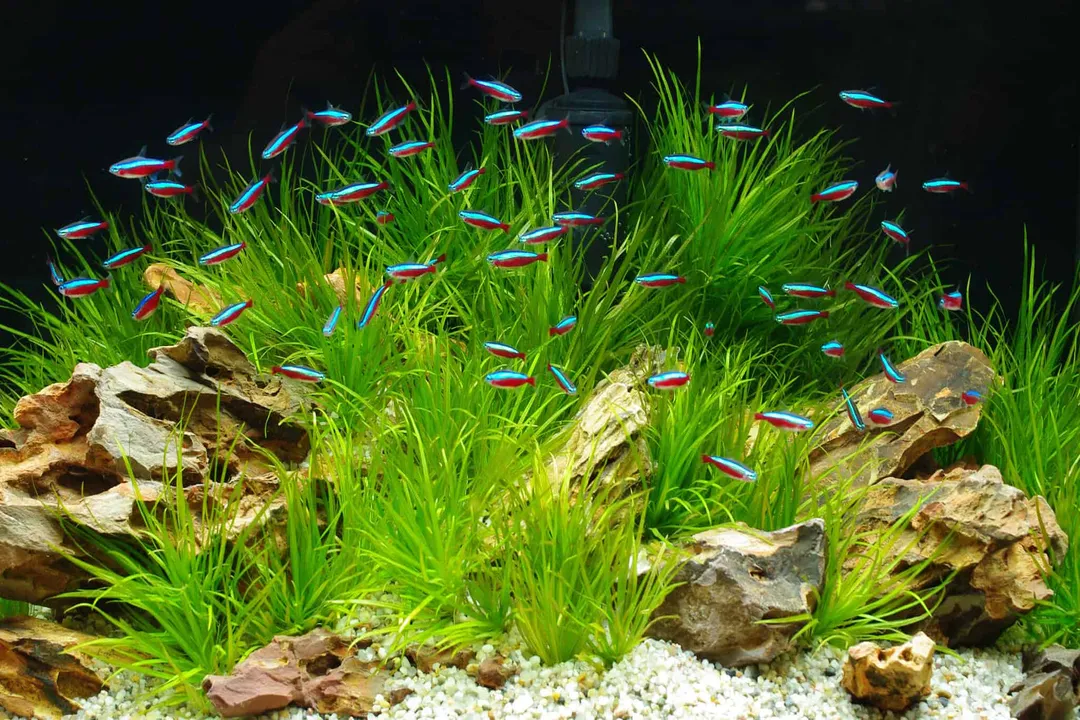
When comparing the X-Ray Tetra's physical traits to other common aquarium tetras, like the Neon or the Cardinal Tetra, the primary distinguishing feature is undoubtedly the skin transparency. While Neons have bright blue and red stripes overlaid on a more opaque, silvery body, the X-Ray Tetra presents its coloration as highlights against a near-invisible canvas. Its overall body shape is perhaps slightly more deep-bodied or robust than the extremely slender profile of some true needle-like tetras, positioning it more centrally in terms of body morphology within the Characin group. Furthermore, the fin coloration, while red in several tetras, often appears more diffused and less vividly patterned than the distinct stripes found in species such as the Black Skirt Tetra, relying instead on the sheer intensity of the red/orange pigment against the clear flesh. This combination—the structural transparency and the bright fin accents—solidifies the Pristella maxillaris as a unique fixture in the small freshwater fish category. The species remains small, rarely exceeding standard length, making it a relatively safe bet for species-appropriate tank sizes without the concern of rapid outgrowing its habitat, a trait less certain with some fast-growing characins. The fish's slender frame and small size also contribute to its high surface-area-to-volume ratio, which can make it slightly more sensitive to rapid changes in water chemistry—a physical trait that has direct behavioral and visual consequences for the devoted keeper.
Related Questions
#Citations
X-Ray Tetra (Pristella maxillaris) - eSHa Labs
Pristella maxillaris - Wikipedia
X-Ray Tetra Fish Facts - Pristella maxillaris - A-Z Animals
Pristella Tetra - Fish Lore
Pristella maxillaris, X-ray tetra : fisheries, aquaculture, aquarium
X-ray tetra • Pristella maxillaris • Fish sheet - Fishipedia
Pristella Tetra (X-Ray): Care, Diet, Tank Mates & More!
X-Ray Fish - Facts and Beyond | Biology Dictionary
X-ray tetra is a species that stays visible only when the tank ...