What cooperative activity defines the diurnal social structure of Emperor Tamarin family groups?
Answer
Foraging and resting together as a unit
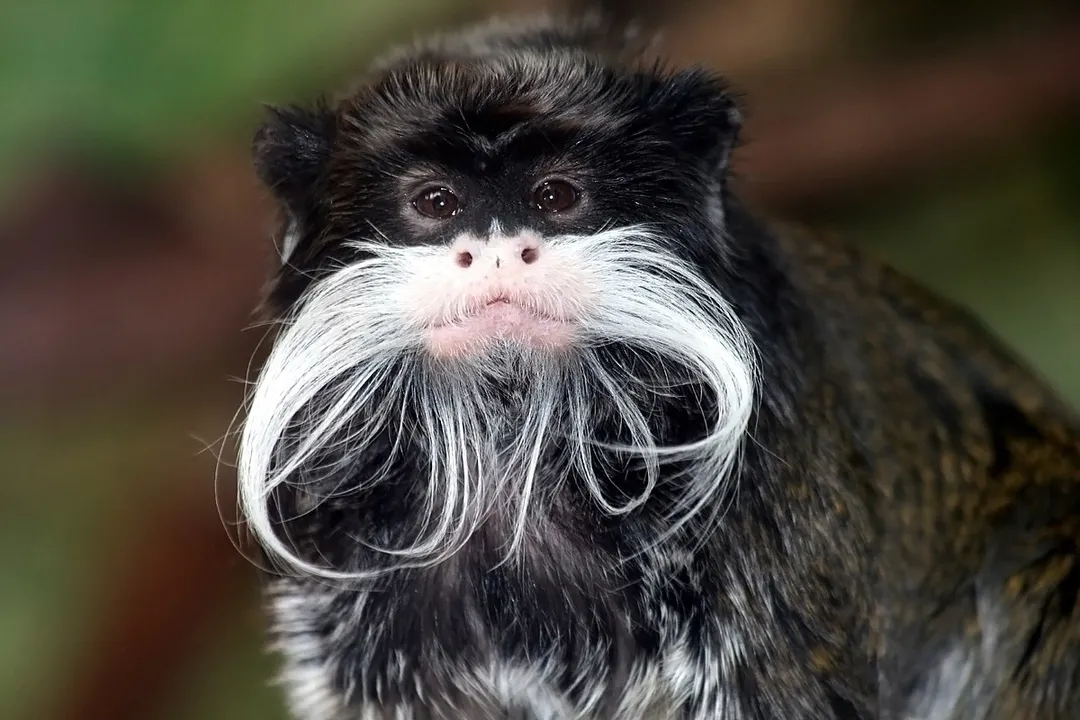
Emperor Tamarins are diurnal, meaning their primary activity period aligns with daylight hours, and they live in cohesive, territorial family units usually consisting of a breeding pair and their dependent offspring. Their daily routine is centered around group coordination. These small, tight-knit groups engage in shared activities such as foraging for food sources—insects, fruits, and tree exudates—and resting collectively. This communal existence fosters social cohesion, facilitates vigilance against predators, and ensures that resources are exploited efficiently by the entire family unit throughout the day as they move through their preferred forest understory habitat.
Related Questions
What key anatomical feature distinguishes the New World monkey suborder Platyrrhini?How do members of the family Callitrichidae access tree sap and gum for their diet?Which South American countries exclusively house the Emperor Tamarin's endemic range?What historical figure inspired the species name imperator for the tamarin?Besides the mother, who frequently participates in carrying Emperor Tamarin infants?What cooperative activity defines the diurnal social structure of Emperor Tamarin family groups?What critical physical difference related to tail function separates New World monkeys from Old World monkeys?What specialized feature allows Callitrichidae to access reliable energy from tree bark?Why is understanding the precise geographic boundaries important for the conservation of *Saguinus imperator*?What are the two recognized subspecies of the Emperor Tamarin mentioned in conservation notes?