Can I have an emperor tamarin as a pet?
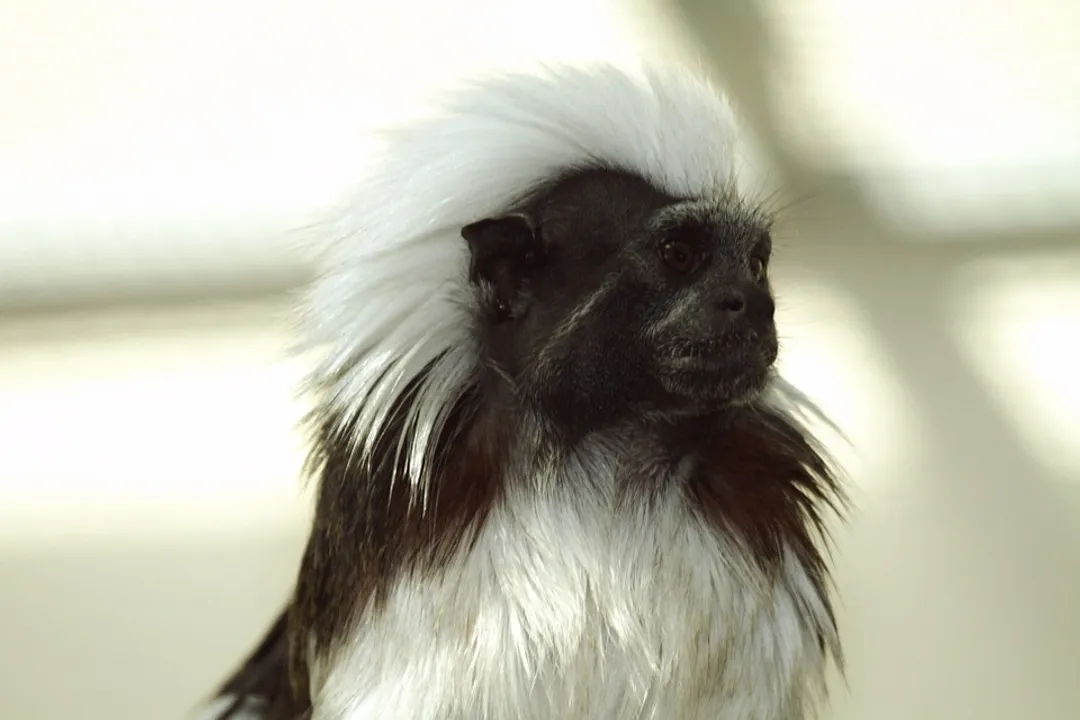
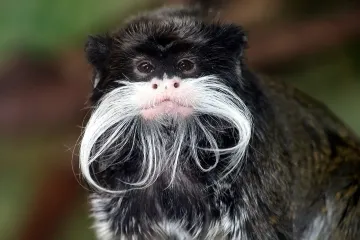
The appeal of keeping an Emperor Tamarin as a pet is understandable; these small primates, instantly recognizable by their magnificent, sweeping white mustaches, present a captivating image of exotic companionship. However, the reality of housing such a specialized animal moves quickly from charming fantasy to complex ethical and practical challenge. Tamarins, including the species Saguinus imperator, are not domesticated animals, and their needs often exceed what even dedicated private keepers can realistically provide.
# Tamarin Biology
Emperor Tamarins hail from the rainforests of western South America, particularly the Amazon basin regions of Brazil, Peru, and Bolivia. They are quite small, typically weighing around 1.5 pounds or less. In the wild, they are highly social creatures, living in cohesive family units that usually consist of a dominant breeding pair, their offspring, and sometimes subordinate individuals. This intense social structure is a key factor that complicates single-animal ownership. Their lifespan in captivity can reach 15 to 20 years, representing a significant, long-term commitment. While often lumped together with other small New World monkeys, their specific care requirements—from diet to social grouping—demand precision far beyond that of a typical house pet.
# Keeping Legality
Before any discussion about cages or feeding schedules, the primary hurdle is legality. Owning exotic primates like tamarins is heavily regulated, and often outright banned, depending on your exact location. While some jurisdictions might permit ownership with special licenses, many areas have prohibited private keeping entirely due to conservation concerns, public safety, or the inability to guarantee appropriate welfare standards. For instance, discussions around allowing emperor tamarins as pets in certain regions, such as Canada, have involved public petitions, highlighting the ongoing legal debate and the general restriction surrounding primate acquisition. Prospective owners must conduct exhaustive research into local, state, and national laws, as the legal landscape for exotic pets is rarely straightforward and enforcement varies. Finding a legitimate, ethical source for the animal, even where legal, adds another layer of complexity, as they are often sourced from accredited zoos or specialized breeders who adhere to strict protocols.
# Specialized Husbandry
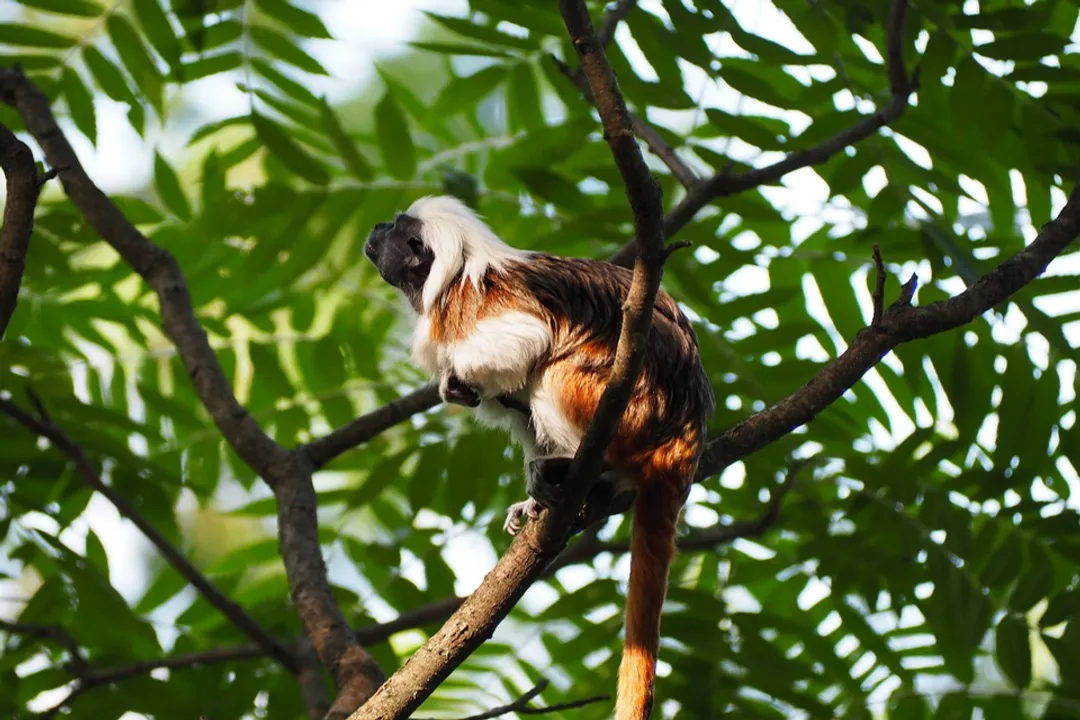
The physical requirements for keeping a tamarin healthy are demanding, requiring infrastructure that resembles a small zoo exhibit rather than a typical home cage. They are arboreal and highly active, meaning they need significant vertical space to climb, leap, and forage naturally. A small birdcage or a converted rabbit hutch is simply inadequate and guarantees severe psychological and physical decline.
The enclosure must be multi-tiered, incorporating ropes, branches, and platforms to satisfy their natural desire for complex three-dimensional movement. Temperature and humidity control are also critical, as these tropical animals cannot tolerate significant temperature fluctuations or drafts. For instance, maintaining a consistent warm environment without overheating the space requires sophisticated monitoring equipment. When considering the financial outlay for an enclosure alone, it is important to realize that creating an aviary large enough to allow natural movement—perhaps an entire room converted into a secure, climate-controlled habitat—is often the baseline requirement for ethical keeping, quickly escalating costs far beyond what most people budget for a pet.
# Dietary Precision
A tamarin’s diet is far more complex than simply offering monkey chow and a banana. As omnivores, their natural intake consists of a varied mix of fruits, insects, nectar, and tree sap or gum. Replicating this balance accurately in captivity is difficult. They require a high proportion of fresh fruit and vegetables, along with essential protein sources like live insects, which must be properly gut-loaded to provide necessary nutrients. Moreover, tamarins need specific mineral and vitamin supplementation, particularly Vitamin D3, which is crucial for calcium absorption. A deficiency in these areas can lead to serious metabolic bone disease, a common and often fatal issue in improperly maintained captive primates.
# Primate Demands
Beyond the physical structure and food, the social and psychological needs of the emperor tamarin present perhaps the greatest challenge to private ownership.
# Social Isolation Effects
Tamarins thrive in tight-knit family groups. Keeping a single tamarin is widely discouraged because it often leads to severe stress, abnormal behaviors, and profound loneliness. They rely on constant interaction, grooming, and communication with their troop members for emotional stability. Introducing a second tamarin is often necessary for the well-being of the first, doubling the space, feeding costs, and veterinary considerations, and the new animal may not integrate well.
# Communication and Marking
These primates are naturally vocal, communicating through a variety of chirps, whistles, and trills. Living in a residential area means their noise levels, especially when excited or distressed, may quickly lead to neighborhood disputes. Furthermore, tamarins use scent marking extensively to communicate territory and status. This means that everything they inhabit—cages, furniture, clothing, and people—will inevitably become marked with their scent, which is a powerful and persistent odor that is difficult, if not impossible, to eliminate from a home environment.
# The Veterinarian Gap
Finding routine and emergency medical care presents a serious difficulty. Most standard veterinary practices are not equipped, trained, or licensed to handle non-domestic primates. Owners must secure a relationship with a veterinarian specializing in exotic or zoo animals before acquiring the pet, as immediate specialized care may be necessary following an accident or illness. This specialized access often means higher consultation fees and long travel distances, which is difficult if the animal is stressed or needs frequent checkups.
# Welfare Concerns
The desire to keep an emperor tamarin often overlooks the fact that these animals retain all their wild instincts, regardless of how gently they are raised. They are not pets like cats or dogs; they are wild animals needing complex environmental enrichment and social lives that are incredibly hard to replicate in a human home. The common experience shared by many who have tried to keep exotic primates is that the animal’s wild tendencies emerge strongly, often when they reach sexual maturity, leading to unpredictable and potentially aggressive behavior. For the keeper, this usually means a difficult choice: either accepting a constantly challenging companion or rehoming the animal, which is rarely successful for primates past infancy.
This leads to an essential consideration regarding the commitment itself. If a keeper commits to a twenty-year lifespan, they must prepare for a scenario where their own life circumstances change—moving houses, starting a family, or career shifts—while the tamarin’s needs remain absolute. Unlike a dog that might transition to a new loving home, a primate often finds placement difficult due to the specialized requirements mentioned above, making the initial decision to acquire one disproportionately heavy. Therefore, even when legality is met, the welfare consideration should serve as the final, most critical barrier before acquisition.
Related Questions
#Citations
How is it like having an emperor tamarin as a pet? - Quora
Questions on Tamarins : r/exoticpets - Reddit
Tamarins as pets - Primate Care
Caring for Primates: How to Care for Tamarins as Pets
Emperor Tamarin | Lincoln Park Zoo
Emperor Tamarins | Reptile Forums
Emperor Tamarin Archives - CMZoo
Bearded emperor tamarin - National Zoo
EMPEROR TAMARIN MONKEYS SHOULD BE ALLOWED AS PETS ...