Are tamarin monkeys friendly?
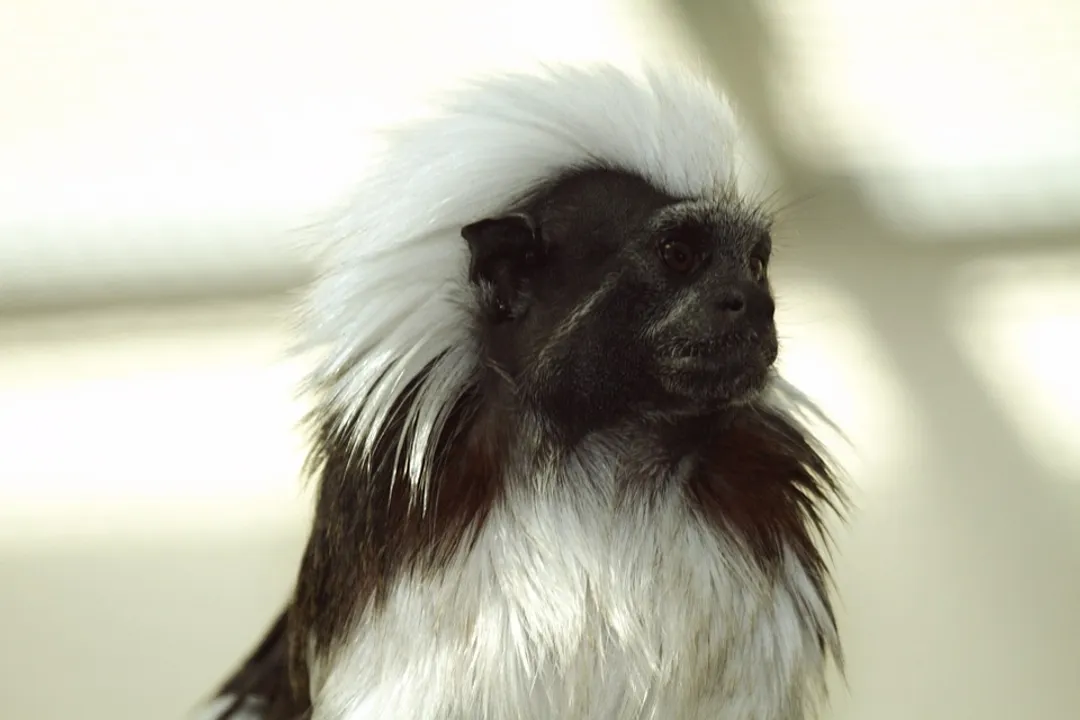
The small, striking appearance of tamarins—whether the iconic mustachioed Emperor Tamarin or the vibrant Cotton-top—often leads people to wonder about their temperament. These tiny primates possess captivating social lives, but translating that complexity into the simple term "friendly" requires careful consideration of context, whether observing them in the wild, in a specialized care facility, or contemplating them as pets.
# Species Overview
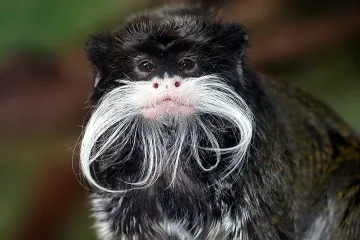
Tamarins belong to the New World monkeys and are known for their diminutive size and often elaborate facial markings. Species like the Emperor Tamarin are easily identified by the white mustache that frames their face. Similarly, the Cotton-top Tamarin exhibits its own distinct, striking features. They are primates that live in social groups, which forms the bedrock of understanding their interactions. Different facilities house various types, such as the Cotton-top Tamarin at the Chattanooga Zoo or Emperor Tamarins at the Lincoln Park Zoo.
# Wild Behavior
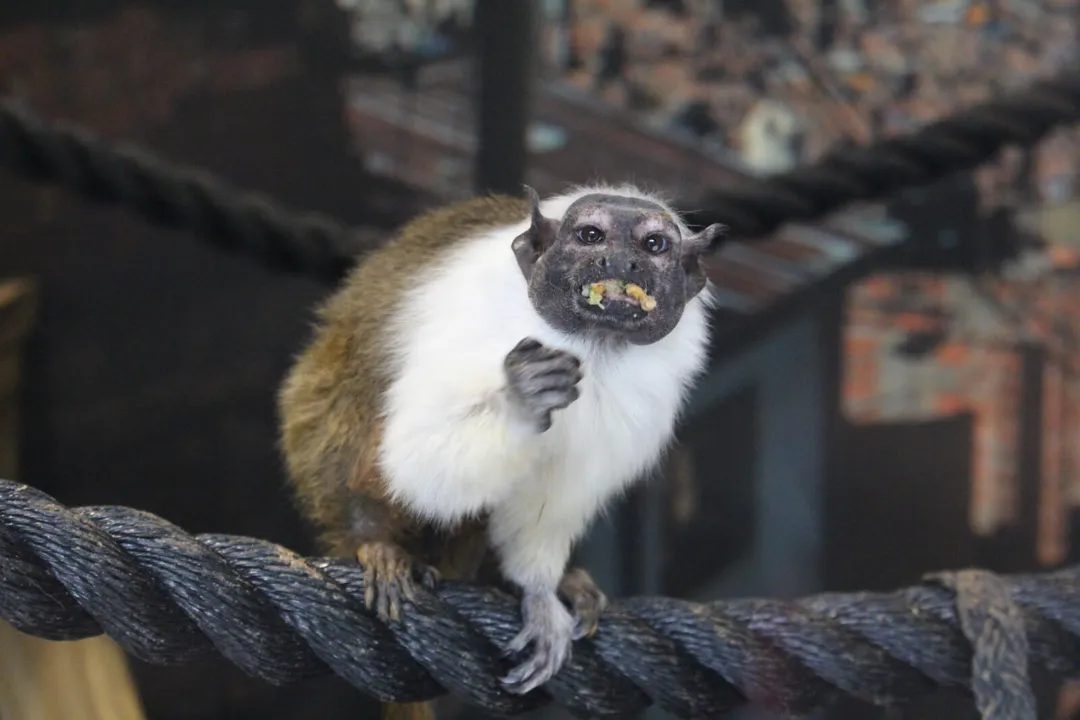
In their native environments, tamarins are highly social animals, generally living within small family units. Their daily life revolves around group activities, cooperation, and maintaining social bonds. This inherent social structure means they are rarely seen alone. However, their behavior in the wild is entirely pragmatic, driven by survival, foraging, and hierarchy, rather than the affection associated with domesticated animals. They exhibit complex communication within their troop, but this is directed toward other tamarins, not humans approaching them in a natural setting.
# Pet Pitfalls
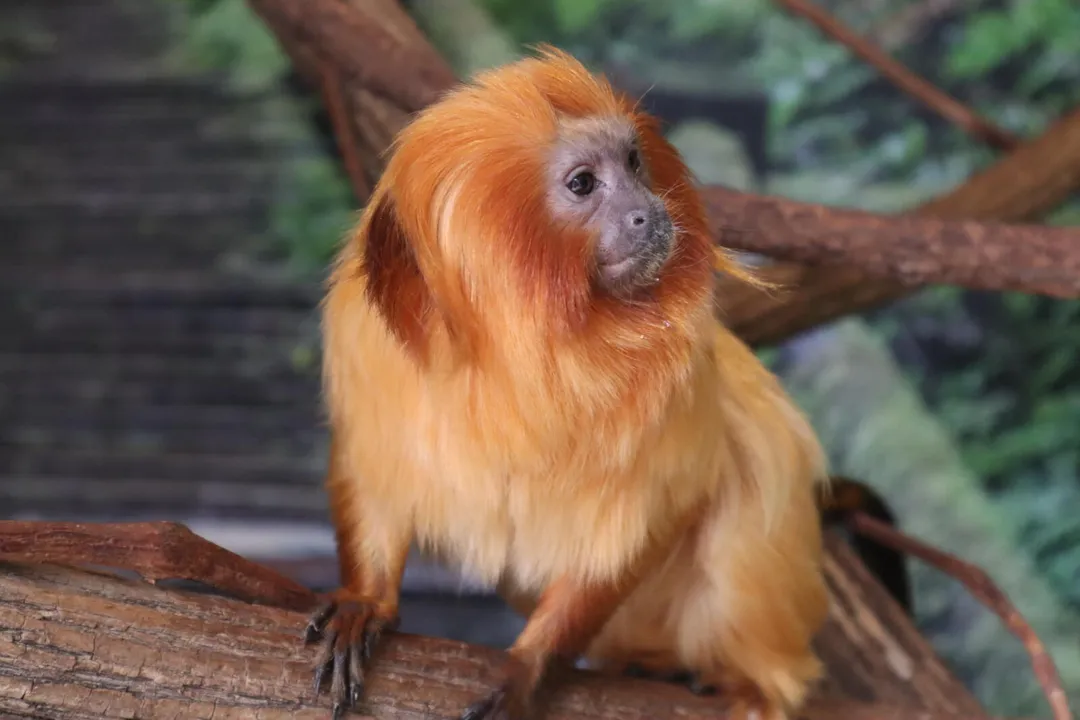
The concept of a tamarin being "friendly" in a pet setting is where the reality diverges sharply from initial impressions. There are strong recommendations against keeping tamarins, such as the Golden Lion Tamarin, as pets. While anecdotal questions about keeping tamarins as exotic pets do arise within various communities, the consensus among animal care experts is generally one of caution regarding domestic ownership. Tamarins are not domesticated; they retain wild instincts and require specialized care that makes them ill-suited for the average household. Simply put, their social nature is geared toward their own species, not human companionship in a pet role. They require specific environments and dietary needs that are difficult to replicate outside of professional care settings.
# Social Dynamics
The perception of tamarin "friendliness" can become muddled when observing them in controlled environments, such as accredited zoos or scientific research facilities. Tamarins involved in primate cognition labs, for example, have been observed displaying what appears to be cooperative or even amiable behavior toward their long-term handlers. This apparent friendliness stems from the intensive, prolonged social bonding that occurs within the small, structured groups researchers work with. Understanding the difference between learned cooperation in a controlled study and genuine affective attachment is key; a tamarin that cooperates on a puzzle box with a researcher may still exhibit stress or defensive behaviors easily outside that specific context, which is an important distinction for prospective owners to grasp.
It is vital to differentiate between an animal that is habituated to humans through constant, specialized care and one that is inherently tame. A tamarin that has successfully integrated into a cohesive social group, perhaps being observed at a place like Apenheul, displays trust among its troop members. This stable, positive troop dynamic is often evidenced by mutual behaviors. When observing tamarins in a zoo or sanctuary setting, look not just at their activity level, but at their grooming partners. In social primates, mutual grooming is a strong indicator of reduced stress and established trust within the troop; if you see this happening frequently, it suggests a stable, "friendly" group dynamic among themselves, which is a sign of good welfare, not necessarily approachability to unfamiliar humans.

# Specialized Care
The specialized nature of tamarin care often undermines any notion of them being easygoing pets. Their diets are complex, requiring a balance of high-protein items like insects, along with gum, fruit, and nectar, which must be provided consistently for optimal health. Furthermore, their social requirements mean that keeping a single tamarin is often detrimental to its psychological well-being, as they thrive best when living with other tamarins. If a person attempts to substitute human interaction for conspecific interaction, the monkey will likely develop behavioral issues stemming from loneliness or improper socialization, which can manifest as aggression or extreme anxiety, contradicting any initial impression of friendliness. For species like the Bearded Emperor Tamarin, their need for specific, high-quality nutrition and a secure social environment dictates that they thrive best under expert management.
Ultimately, while tamarins are mesmerizing to watch due to their high energy and close-knit social interactions within their family units, they are not genetically or behaviorally inclined toward the kind of reciprocal friendship humans seek in companion animals. Their "friendliness" is an intense, insular social bond within their own species or a carefully managed professional relationship with familiar caregivers, not a trait transferable to a typical domestic scenario.
Related Questions
#Citations
Questions on Tamarins : r/exoticpets - Reddit
Why should we avoid having golden lion tamarins monkeys as pets?
Bearded emperor tamarin - National Zoo
The friendly tamarin faces of the Primate Cognition Lab
Emperor Tamarin | Lincoln Park Zoo
Caring for Primates: How to Care for Tamarins as Pets
Emperor tamarin - Apenheul
Local wildlife center now has rare tamarin monkeys
Tamarins | Chattanooga Zoo