Is a tamarin a monkey or an ape?
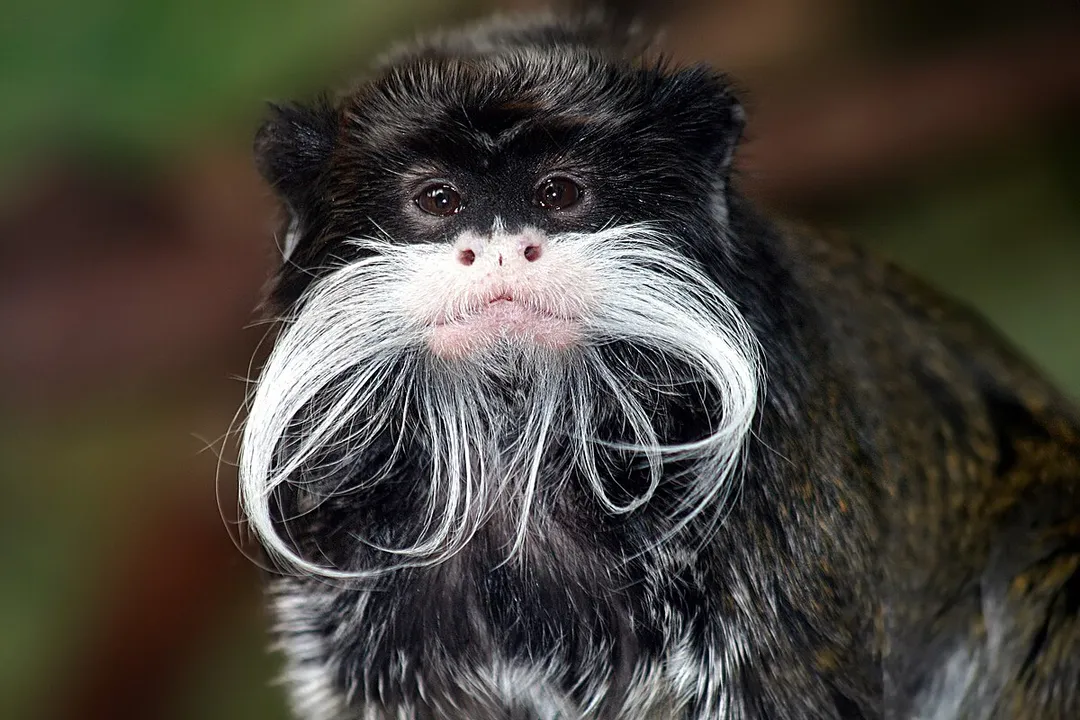
The first thing to clarify when looking at a tamarin—those charming, tiny primates often seen with striking facial hair or bright coats—is their broad identity within the primate order. They are unequivocally monkeys. [4] This simple classification immediately sets them apart from apes, which represent a separate lineage within the primate family tree. Tamarins belong to the group known as New World monkeys, which are exclusively found in Central and South America. [1][2] Apes, on the other hand, are catarrhines, originating from Africa and Asia, and include gibbons, orangutans, gorillas, chimpanzees, and humans. [1]
# Primate Division
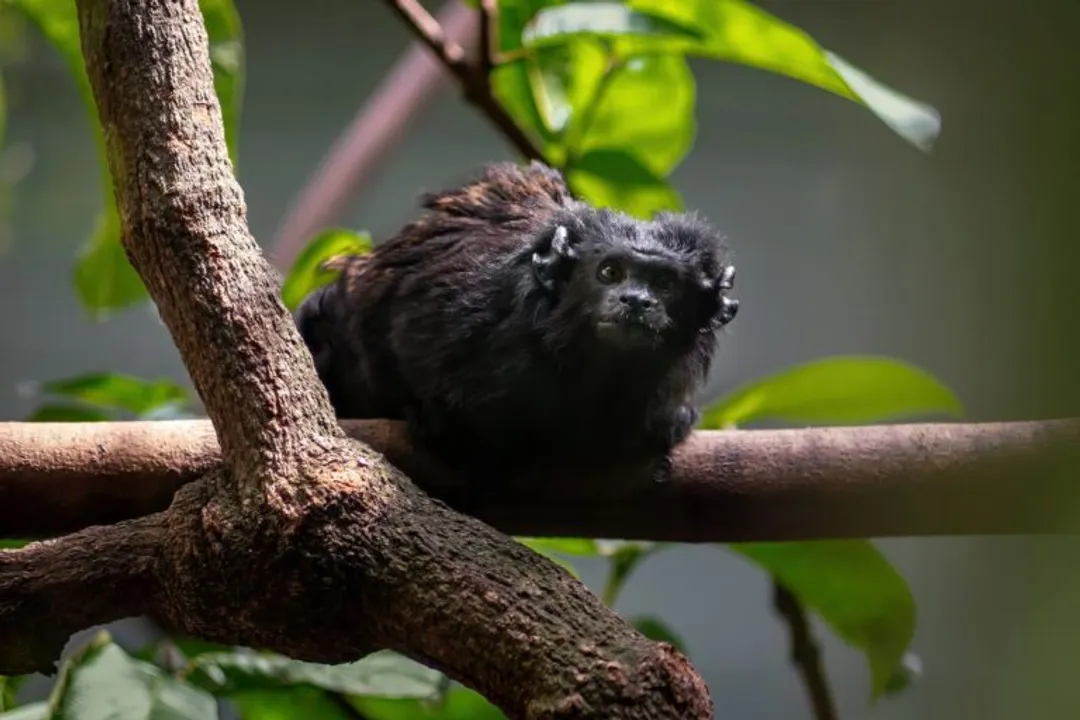
To truly appreciate why a tamarin is not an ape, we need to understand the major split in the primate world. Primates are broadly divided into strepsirrhines (lemurs, lorises) and haplorhines (tarsiers, monkeys, and apes). [1] The haplorhines further divide into Old World monkeys (Cercopithecoidea), New World monkeys (Platyrrhini), and apes (Hominoidea). [1]
Tamarins fall squarely into the Platyrrhini group, the New World monkeys. [1][9] The term "New World monkey" refers to the primates found south of the Sahara in Africa and in the Americas, characterized often by nostrils that are broad and face sideways. [1] Apes, conversely, are tailless primates that are generally larger and possess more complex cognitive abilities compared to monkeys. [1] This fundamental geographical and anatomical divergence is the bedrock of the answer: tamarins are strictly monkeys of the New World. [1][2]
# Tamarin Taxonomy
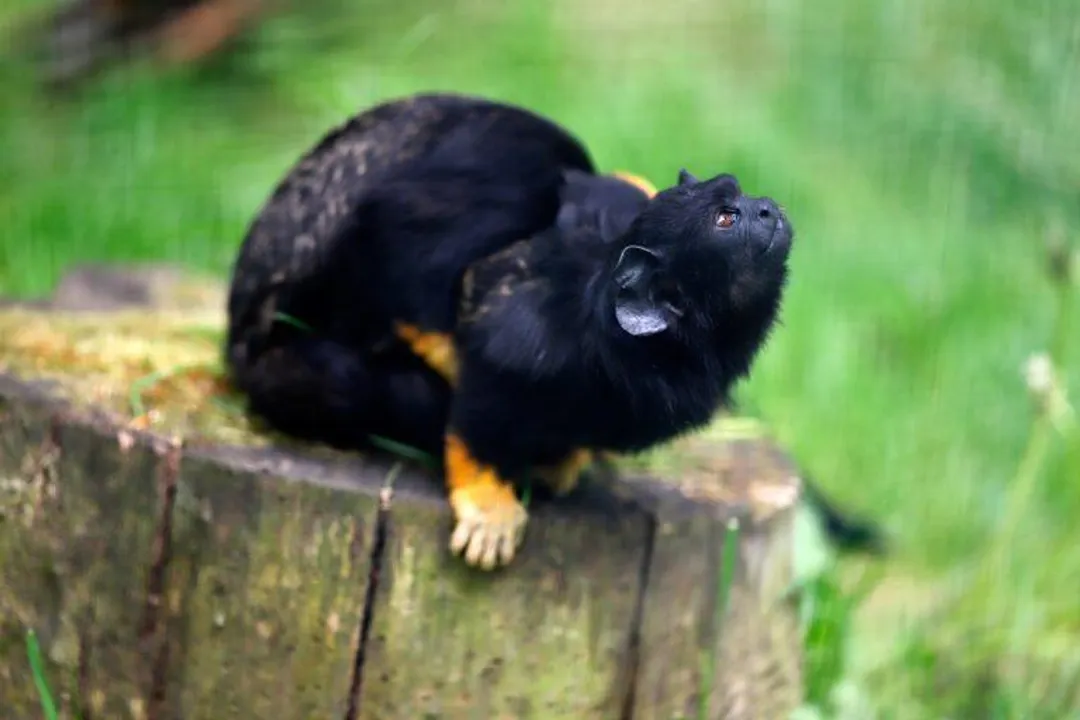
Within the monkey classification, tamarins are fascinating, diminutive members of the family Callitrichidae. [1] This family also includes marmosets, and they share several key traits, such as being small in body size and having claws rather than flat nails on all digits except the big toe. [1] The tamarins themselves are typically classified under the genus Saguinus. [4][9]
For instance, the famous Golden Lion Tamarin is Leontopithecus rosalia, which is closely related, often grouped with tamarins or sometimes considered a separate, but allied, genus within the same family. [6] Other well-known examples include the Cotton-top Tamarin (Saguinus oedipus). [8] These animals are among the smaller primates globally, with many species weighing less than one pound. [2] Their classification as New World monkeys solidifies their status—they are not apes, which are structurally distinct and belong to the Old World lineage. [1]
# Key Distinctions
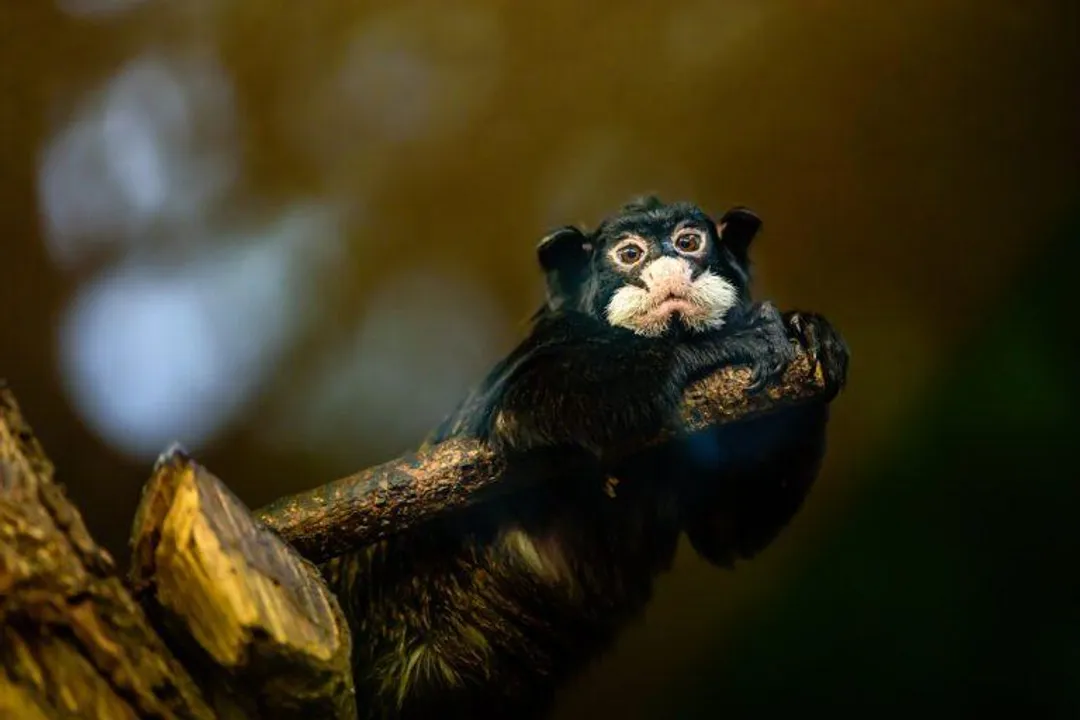
The easiest way for a casual observer to differentiate a monkey from an ape is often the tail, and this is where tamarins clearly exhibit their monkey status. Almost all monkeys possess tails, which they frequently use for balance or, in the case of many New World species, prehensile grasping. [1] Tamarins, like all members of the Saguinus genus, possess a non-prehensile tail. [9] While they do have tails, they do not use them to hold onto branches like a fifth limb, a characteristic often associated with some other New World monkeys like spider monkeys, but they still possess the tail structure absent in all apes. [1]
Apes, by definition, lack tails entirely. [1] Beyond the tail, the differences extend to skeletal structure. Apes generally have broader chests, more flexible shoulder joints, and larger relative brain sizes compared to monkeys of similar body size. [1] Tamarins exhibit the classic monkey morphology, specialized for life high in the canopy. [2]
A helpful way to visualize this separation, especially when considering the vast range of primates, is to look at the dental structure. While this might seem obscure, it highlights a deep evolutionary split. Tamarins, being callitrichids, often exhibit adaptations for specialized feeding habits, like gummivory (eating tree exudates like sap and gum). [6] This feeding strategy, supported by specialized lower incisors that act like gouges, represents a niche adaptation that is far removed from the more generalized omnivorous diet and dental patterns seen in apes. This specialization shows how refined the branch leading to tamarins is, even within the monkey group. [6]
# Species Spotlight
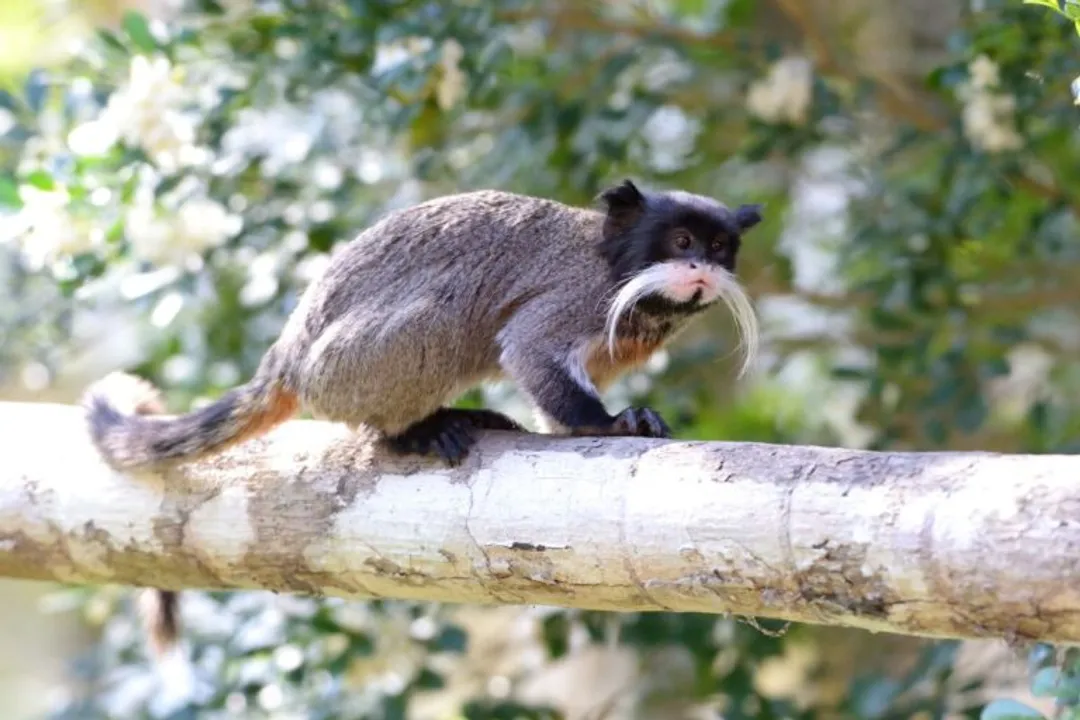
Learning about specific tamarins really brings their identity into focus. Consider the Cotton-top Tamarin. [8] This species is immediately recognizable by the long, white sagittal crest of hair running from its forehead to its shoulders. [8] They are native to a small area in northwestern Colombia. [8] Their small stature and high-energy lifestyle perfectly fit the profile of a small New World monkey.
Then there is the Golden Lion Tamarin, iconic for its vibrant, long, reddish-gold mane that frames its face. [6] These charismatic animals hail from the Atlantic coastal forest of Brazil. [6] Their conservation status is a major focus, illustrating the fragility of small primates with very specific habitat requirements. [6] The fact that both the Cotton-top and Golden Lion Tamarins are classified as distinct species of Saguinus (or closely related genera like Leontopithecus) firmly places them under the monkey banner. [6][8]
If you visit an accredited facility, you might notice their social structure is often complex, involving cooperative breeding where older siblings help raise the younger ones, a behavioral trait common among many New World monkeys. [2]

# Size and Locomotion
The sheer size difference between a tamarin and any ape is staggering and immediately obvious. A typical tamarin weighs less than 500 grams (about one pound). [2] Compare this to even the smallest apes, the gibbons, which start around 10 to 15 pounds, or a chimpanzee, which can weigh over 100 pounds. [1] This size disparity is not accidental; it reflects different evolutionary paths regarding resource acquisition and predator avoidance.
Furthermore, their locomotion speaks volumes about their classification. Tamarins are quadrupeds that utilize a clinging-and-leaping style of movement across branches, relying on their claws for grip and their tail for counterbalance. [9] Apes, lacking tails, have evolved brachiation (swinging arm-over-arm) or knuckle-walking as primary modes of travel, necessitating a fundamentally different shoulder and wrist anatomy. [1] If you ever see footage of a tamarin moving, notice the quick, agile scampering along the top of branches; this is textbook monkey behavior, not ape style. [1]
# Comparing New World Families
It might be helpful to think of the world of New World monkeys as having distinct branches, and the callitrichids (tamarins and marmosets) form one very specialized twig. While all New World monkeys share broad, forward-facing nostrils, their internal structures, social groups, and ecological niches vary widely. [1]
For instance, within the New World grouping, the spider monkeys have fully prehensile tails, the capuchins are known for their intelligence, and the tamarins are distinguished by their tiny size and specialized clinging ability. [1] Apes are separated from all these New World branches by millions of years of evolution, belonging to the Old World group of catarrhines, meaning their nostrils face downward, similar to Old World monkeys, but they lack the tail structure common to both monkey groups. [1] The tamarin's entire biological blueprint—from its dental formula to its body plan—is stamped with the identity of a New World monkey.
One interesting functional observation is how their small size dictates their energy budget. Because they are so small and often live in dense, humid forest environments, their speed and agility are paramount for avoiding predators like snakes and raptors. [2] This intense focus on quick movement and small territory contrasts sharply with the broader ranges and slower, more deliberate movements often associated with larger apes navigating the middle and upper canopy strata. The tamarin is built for rapid exploitation of small food patches, which is a trait highly valued in its ecological niche as a small primate. [6]
# Concluding Identity
Ultimately, the classification is definitive: the tamarin is a monkey. [4] It resides in the Platyrrhini infraorder, making it a New World monkey. [1] It possesses a tail, has the skeletal configuration of a monkey, and occupies a distinct evolutionary space separate from the Hominoidea group (apes). [1] Whether you encounter a vibrant Golden Lion Tamarin or a striking Cotton-top Tamarin, you are looking at a miniature marvel of the primate world, specifically engineered to thrive as a small, agile inhabitant of the American rainforests. [6][8] They are fascinating subjects of study precisely because they demonstrate the incredible diversity found within the monkey half of the primate classification. [2]
Related Questions
#Citations
Tamarin - Wikipedia
Tamarins | New England Primate Conservancy
Tamarin - Indianapolis Zoo
The tamarin is a small monkey of the genus Saguinus native to the ...
Tamarin Monkeys and Their Tropical Rainforest Habitats - Facebook
Tamarin (Golden Lion) - Overview | Better Planet Education
Tamarins - Jungle Friends Primate Sanctuary
Tamarins | Chattanooga Zoo
Tamarin | primate - Britannica