What characterizes the sexual dimorphism observed between mature male and female garden spiders?
Answer
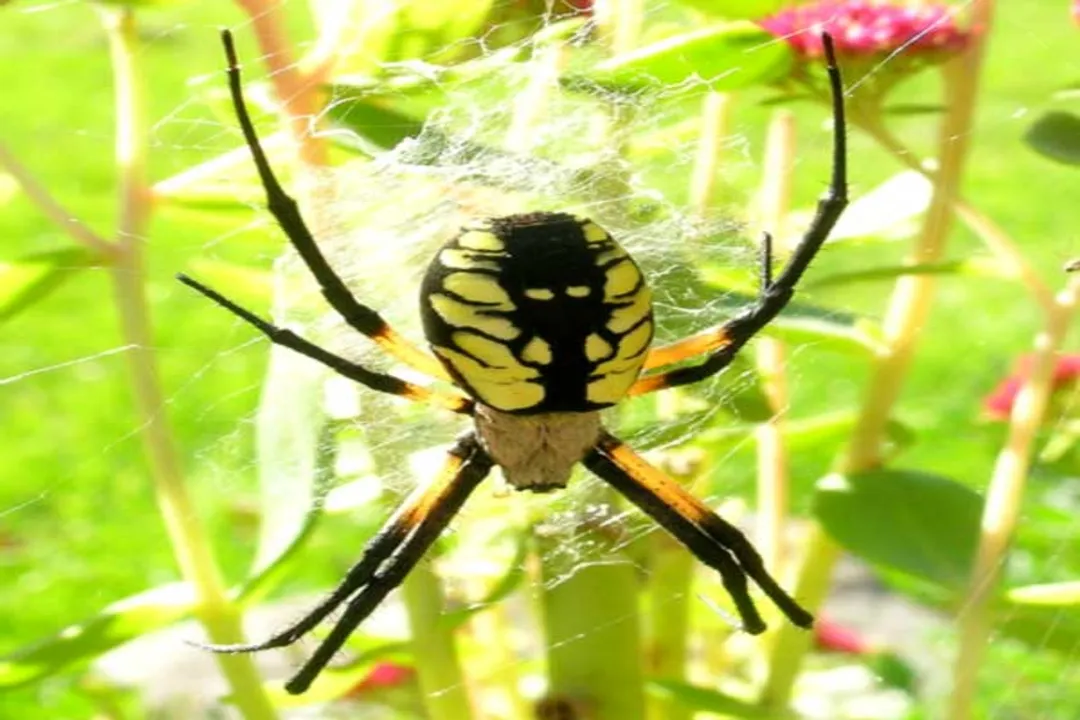
Females are large and conspicuously patterned, while males are much smaller and drabber in color.
Garden spiders display significant sexual dimorphism, meaning there are marked visual differences between the sexes upon reaching maturity. The female is the much larger, vividly patterned individual frequently observed actively weaving webs and hunting large prey. Conversely, the males are considerably smaller, possess duller coloration, and are less often seen because their time is spent actively searching for females. This size disparity plays a critical role in mating dynamics, as the female poses a potential threat to the much smaller male.
Related Questions
How long is the garden spider's lifecycle completed within a single year?How does the mature female garden spider incorporate environmental debris into the egg sac?What fate typically befalls the female garden spider after constructing the egg sac?What remarkable technique do garden spiderlings employ for dispersal after emerging?What is the term for each period between molts during juvenile growth for spiders like Argiope aurantia?What characterizes the sexual dimorphism observed between mature male and female garden spiders?What is the primary goal of the male garden spider upon reaching maturity?What is the geometric feature known as the stabilimentum in the Yellow Garden Spider's orb web?How often do large female garden spiders usually rebuild their entire orb web?During which general time period do spiderlings usually emerge from the egg sac based on rising temperatures?