What attracts spider beetles?
The small, often-overlooked creatures that cause confusion are frequently the spider beetles, members of the Ptinidae family. Seeing one scuttling across the floor can easily lead to a momentary fright, as their spindly legs and rounded bodies give them a distinct, almost arachnid-like appearance. [1][4] Understanding what draws these tiny pests into homes or storage areas is the first step toward effective management, as their attraction is almost entirely linked to sustenance and undisturbed shelter for reproduction. [3][5] They aren't actively seeking human companionship; rather, they are drawn by specific organic materials that provide everything the larval and adult stages need to survive and multiply. [6]
# Arachnid Look
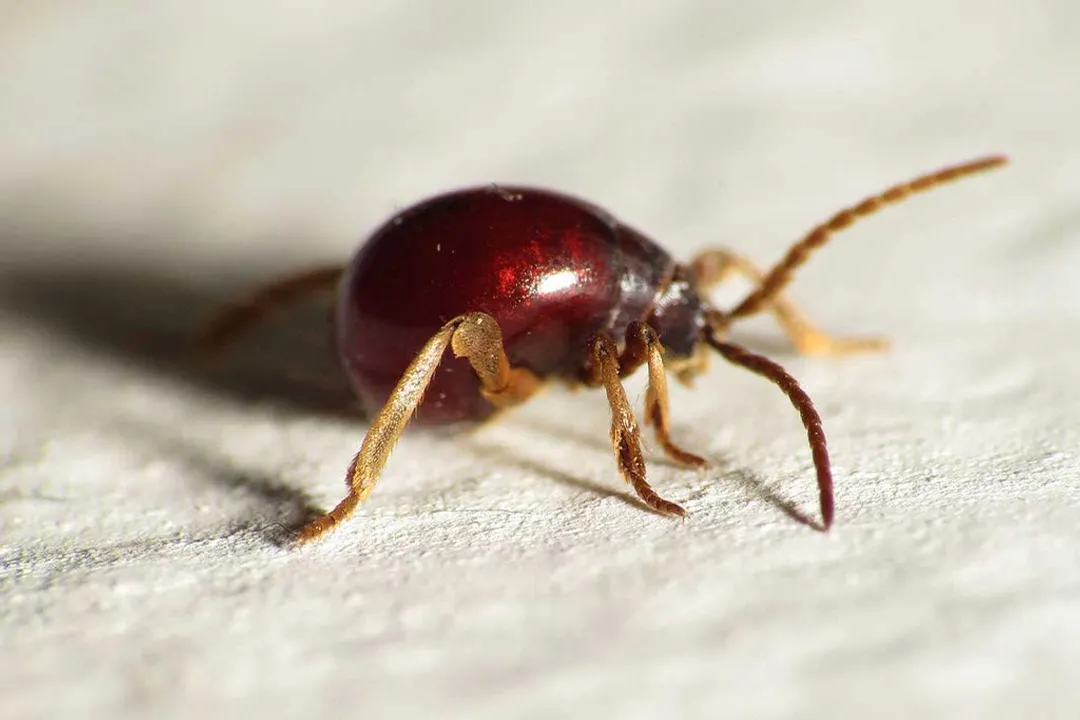
The physical resemblance is a major factor in how they are sometimes first noticed or misidentified. Spider beetles generally have bodies that are nearly spherical or oval, which, when combined with their relatively long legs, makes them look very much like small spiders at a quick glance. [1][4] Depending on the species, they can range in color from reddish-brown to nearly black. [1] The Whitemarked Spider Beetle (Ptinus whitei), for example, possesses distinct white scales across its thorax and wing covers, offering a visual cue different from the uniformly dark Black Spider Beetle (Attagenus unicolor). [1] Knowing the specific species can sometimes hint at the source of the infestation, as different types prefer slightly different dried foodstuffs. [6]
# Food Lures
The single most significant factor attracting spider beetles is the presence of dried, stored organic material. [3][8] These beetles, especially in their larval stage, are voracious consumers of processed or dried goods that might otherwise be overlooked during routine pantry checks. [5]
Key attractants often fall into several categories:
- Grains and Cereals: This includes wheat, corn, rice, oats, and various breakfast cereals. [8] They readily infest flour, dried pasta, and any seed-based products. [5]
- Spices and Herbs: Many types of dried spices are highly attractive food sources. [3] A seldom-used jar of paprika or dried chives that has sat unopened for years can become a breeding ground.
- Nuts and Dried Fruits: Shelled nuts, dried beans, and dried fruits like raisins or apricots provide concentrated nutrition that is easy for larvae to burrow into. [6]
- Animal Feed: Bags of dried pet food, birdseed, or feed stored in garages or basements are common culprits. [3]
It is important to note the difference between attraction points. While the adult beetle needs food to sustain itself, the larvae are the primary destructive feeders. [5] An infestation begins when eggs are laid near or within a food source, meaning the initial attraction point is often a compromised package or an open container of high-value foodstuff. [6] Contrast this specificity with other common pantry pests; for instance, while some pests might prefer only whole grains, spider beetles are often less selective once established, infesting a wide variety of stored products. [6][8]
# Hidden Habitats
While food attracts the adults to an area, the environment that retains them—the place where they feel safe to lay eggs and where larvae can develop undisturbed—is also a key attractor. Spider beetles thrive in dark, dry, and protected environments. [5]
The attraction isn't always to the pantry itself, but to surrounding debris that mimics natural nesting sites:
- Structural Gaps: They are often found in cracks in the walls, under baseboards, or in accumulated debris in forgotten storage closets. [5]
- Nesting Materials: In less-than-ideal interior conditions, or in attics and crawlspaces, they may be drawn to accumulated dust, rodent droppings, or shed insect skins. [6] If they enter from outside, old rodent nests or accumulated leaf litter near the foundation can serve as an initial breeding area before they migrate indoors searching for stored goods. [1][5]
- Moisture Proximity: Although they prefer dry food, areas with slightly elevated humidity, such as damp crawlspaces or near plumbing leaks, can sometimes harbor populations, especially if infested materials have absorbed moisture. [5]
If you are a homeowner dealing with reoccurring finds in the same room but can't locate the food source, consider the surrounding structure. A small pocket of insulation or undisturbed debris behind a heavy piece of seldom-moved furniture can maintain a low-level infestation for months, acting as a continuous, albeit slow, lure back into the main living area. [6]
# Movement Triggers
Beyond the static lure of food, there are factors that cause the beetles to move and become noticeable. Adult spider beetles are capable of flight, though they often prefer to crawl. [4]
One mechanism that draws them out of their hiding spots, particularly at night, is light. [4] This positive phototaxis means that once an adult population is established in a dark corner, they may exit that area at night, drawn toward light sources, which increases the chances of them being spotted wandering on floors or counters. [4] This movement doesn't signify a new attraction but rather a behavioral response that reveals an existing infestation in an adjacent, dark area.
Furthermore, disturbances can cause them to scatter. If an infested box of old holiday decorations or a seldom-used bag of flour is moved, the sudden light and vibration will cause the beetles to drop and run, often into nearby cracks, temporarily appearing to be attracted to the new location when they are simply fleeing the disruption. [5]
# Controlling Lures
The entire strategy for managing spider beetle attraction revolves around eliminating the things they seek. Since the attraction is nearly 100% food or shelter-based, cleanliness and storage are paramount. [3][8]
A systematic approach targeting the attractants involves several key actions:
- Deep Cleaning: Thoroughly clean pantries, cabinets, and storage shelves, paying special attention to corners, crevices, and under shelving where dust and spilled food particles accumulate. [3][5]
- Airtight Storage: Immediately transfer all susceptible dry goods—cereals, flour, grains, spices—into containers made of thick plastic, metal, or glass with tight-sealing lids. [8] This physical barrier cuts off the primary attraction.
- Inspection Rotation: It is easy to check the items used daily, but infestations often hide in inventory turnover is slow. Proactive inspection rotation: treat high-risk, low-turnover inventory (like specialty spice blends or bulk seed meant for seasonal use) with a dedicated annual inspection to catch latent issues before adults emerge en masse.
- Debris Removal: Address non-food attractants. If infestations are found near the exterior walls or in basements, remove any accumulated clutter, old paper, rags, or debris that could harbor larvae or serve as a secondary breeding spot. [6]
By understanding that spider beetles are attracted by a combination of readily available, unprotected food sources and dark, undisturbed shelter, property owners can effectively remove the elements that draw them in and keep them coming back. [3][5]
#Videos
How to Get Rid of Spider Beetles [DIY Pest Control] - YouTube
Related Questions
#Citations
5 facts about spider beetles - Ehrlich Pest Control
Friends! My parents have been finding these mystery mites around ...
Spider Beetle: What They Are and How to Get Rid of Them
How to Get Rid of Spider Beetles [DIY Pest Control] - YouTube
Spider Beetles | Facts & Identification, Control & Prevention
[PDF] Spider Beetles - Western Colorado Insects
Spider Beetle - Defense Centers for Public Health - Aberdeen
Spider Beetles - Penn State Extension
Do Spider Beetles Bite? How to Prevent Them - Rottler Pest Solutions