What is the lifecycle of a garden spider?
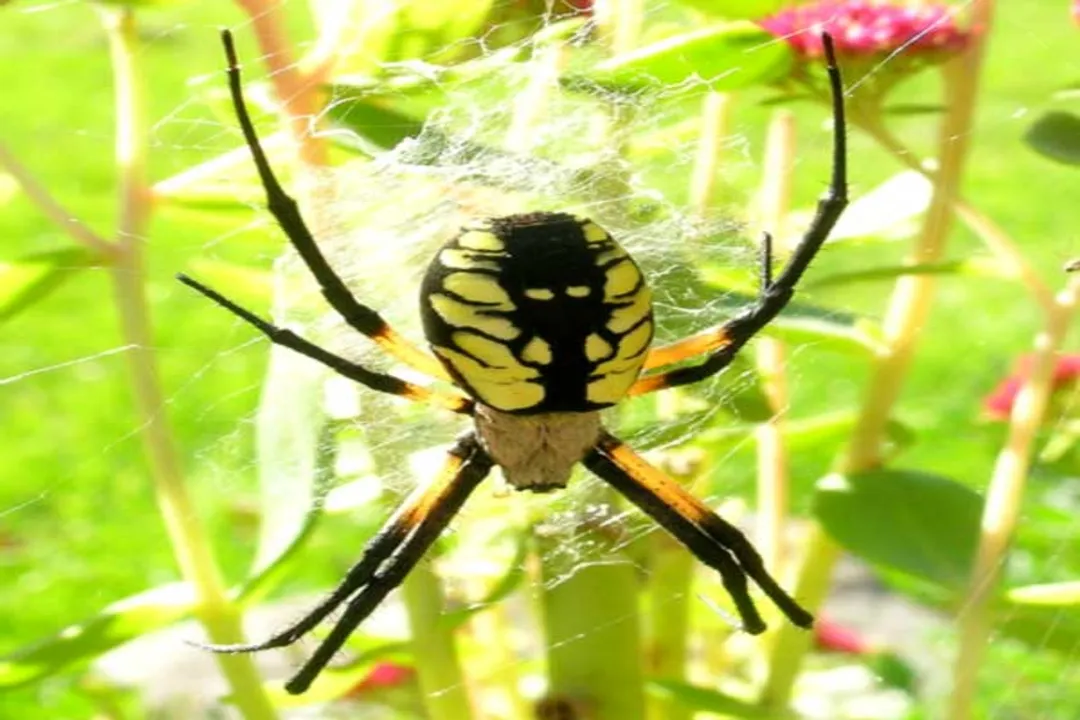
The garden spider, often recognized by its striking colors or the intricate, often vertical, orb-shaped webs it meticulously spins between tall plants, has a life story that is both fascinating and surprisingly brief for the adult stage. While people often focus on the large, visible female during the late summer months, her entire existence, from a tiny hatchling to the mature form seen weaving those impressive traps, is a rapid, seasonal progression. [5][6] Most garden spiders, particularly the well-known Yellow Garden Spider (Argiope aurantia) in North America, complete their lifecycle within a single year, making their emergence, growth, and eventual disappearance a yearly spectacle tied closely to the seasons. [1][2][6]
# Life Cycle Stages
The lifecycle is typically divided into four main phases: egg, spiderling, juvenile, and adult. [4] For many common garden species in temperate climates, the entire drama unfolds between spring and the first hard frost of autumn. [6]
# Egg Production
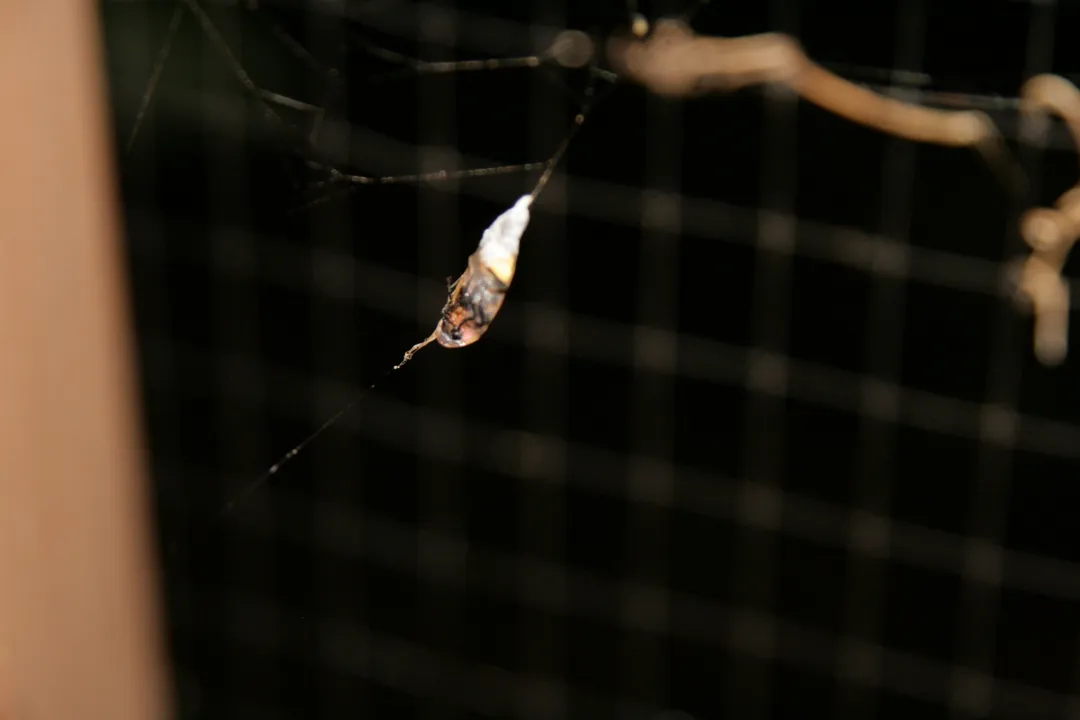
The culmination of the female spider’s adult life is the creation of the egg sac, a structure that safeguards the next generation through the harsh winter months. [1][4] A mature female will construct this protective casing, often described as a flattened, somewhat silken ball or oval. [2][6] This sac is not just a simple bundle of eggs; it is an engineering marvel designed for insulation and defense. [2]
The female carefully coats the eggs in a silk secretion that solidifies upon exposure to air, creating a dense, protective layer. [4] To further camouflage and protect this vital nursery, she frequently incorporates debris from her environment—bits of leaves, twigs, or other plant matter—into the outer layers of the sac. [1][2] The color of the sac can vary depending on the species and the freshness of its construction; some may appear light tan, white, or straw-colored when new, darkening as they age. [6] A single sac can hold anywhere from a few dozen to over a thousand eggs, depending on the species and the female's health. [4][5]
# Winter Survival
The most precarious period for the spiderlings is the time spent inside the egg sac, waiting out the cold. [4] The female, having completed her reproductive duties, typically dies with the first hard frost or shortly thereafter. [1][6] This means the parents do not participate in raising the young; survival relies entirely on the egg sac's construction. [2]
The egg sac is usually anchored securely to low vegetation, often near the ground or attached to a sturdy stem or branch that will remain standing through the winter. [1][6] In many regions, the sac is spun low down in dense grass or attached to the dry stalks of last season’s flowers. [2] This placement is key, as it insulates the developing embryos from the most extreme temperature fluctuations and predation. [4] If you are looking for evidence of last year's spiders in early spring, checking the base of garden debris or sturdy perennial stems is the best bet for finding these overwintering sacs. [1] Knowing this, gardeners often find it helpful in late fall to leave some garden debris standing until spring, as these stalks may be protecting dozens of future pest controllers. [6]

# Hatching and Dispersal
As spring progresses and temperatures consistently rise, the tiny spiderlings inside the egg sac are cued to emerge. [4] This emergence usually happens in late spring or early summer, depending on local climate conditions. [6] The time it takes for the eggs to hatch can vary significantly, sometimes taking several months, which is part of the survival strategy to avoid hatching during a late cold snap. [4]
When the time is right, the spiderlings chew their way out of the silken casing. [2][6] What emerges are miniature replicas of the adults, though they are often pale or yellowish in color initially. [5] Immediately following emergence, they may remain clustered near the sac for a short time before dispersing. [2]
This dispersal phase is critical for survival, as crowding would lead to increased competition and cannibalism. [4] Garden spiders employ a remarkable technique to travel: ballooning. [1][2] The spiderlings climb to a high point, release strands of silk that catch the wind, and are carried off to new locations. [2] This is how the population spreads across gardens and fields. [1]
# Growth and Molting
Once dispersed, the young spiders, now called spiderlings or juveniles, begin the business of growing rapidly. [4][6] Like all spiders, they must periodically shed their rigid outer skin, a process called molting, to accommodate their increasing body size. [4] Each period between molts is known as an instar. [4]
The Yellow Garden Spider, for instance, goes through several instars during the summer. [1] During these juvenile phases, they practice their hunting skills, spinning smaller, less elaborate webs than the adults. [6] They feed on smaller insects they can manage, such as gnats and small flies, building their strength for the larger prey they will tackle later. [5] Their coloration also develops during this time; the juvenile Argiope aurantia often shows more muted yellow and black patterns before developing the vibrant, almost neon coloration of the mature female. [1] A spider might undergo five or more molts before reaching sexual maturity. [4]
# Reaching Maturity
Maturation occurs later in the summer, often signaled by the onset of cooler nights or the reduced daylight hours, which triggers the final molt into the adult form. [6] The difference in appearance between the sexes becomes quite pronounced at this stage. [1]
# Sexual Dimorphism
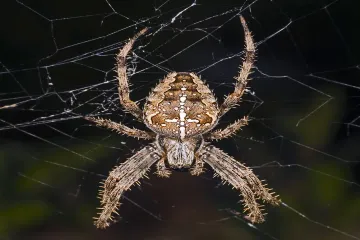
Garden spiders exhibit significant sexual dimorphism, meaning males and females look very different. [1][5] The female is the large, conspicuously patterned spider people commonly see and photograph. [1][2] Males, by contrast, are much smaller, often drabber in color, and generally less frequently observed because they spend their time seeking out females. [5]
The male's primary goal upon maturing is to locate a female's web. [6] His approach to mating is fraught with peril; the female is significantly larger and potentially cannibalistic. [2][5] In some species, males have specialized appendages used during courtship rituals to signal their identity and avoid being mistaken for prey. [2] After mating, the male often dies shortly thereafter, sometimes having been consumed by the female, though this outcome is not universal across all garden spider species. [6] The female then dedicates the remainder of her short life to producing the egg sac that will carry the species through the next year. [1]
# The Web and Diet
While not strictly a stage of the lifecycle, the web is the central feature of the adult's life, essential for energy acquisition to support reproduction. [6] Garden spiders are famous for their orb webs, which are geometric, spiral structures made of sticky silk. [1][2]
The Yellow Garden Spider's web often features a distinctive, dense zigzag pattern running through the center, known as the stabilimentum. [1][2] The exact purpose of this feature is debated among scientists, but theories suggest it may function to make the web more visible to birds (preventing collisions), to attract prey through light reflection, or perhaps even to camouflage the spider itself. [1] One might observe that on particularly sunny days, the stabilimentum seems to shimmer, suggesting its role in light manipulation might be significant for attracting larger, day-flying insects like grasshoppers or wasps, which form the bulk of the female's mature diet. [2]
The size of the web reflects the size of the spider and its prey needs. A large female will maintain an impressive web, sometimes spanning over two feet across, ready to intercept significant flying insects. [5] They often rebuild their entire web daily, usually early in the morning or late in the evening, ensuring the sticky capture spiral is fresh and perfectly taut. [6]

# Finality and Renewal
The active season for the adult spider is brief, usually lasting only a few weeks from sexual maturity until death. [6] Once the female has deposited her egg sac, her need to maintain a large web and hunt for sustenance declines rapidly. [1] Environmental cues, primarily the drop in temperature and shorter daylight hours as autumn deepens, signal the end of the cycle for the adults. [6]
The life span of the entire organism, from egg to adult death, is roughly a year, fitting neatly into one annual cycle. [4] The legacy rests entirely in the silk-wrapped package hidden near the ground. Observing a mature Yellow Garden Spider in September or October is essentially watching the last act of a life devoted to ensuring the continuation of the species through the coming winter, making the garden a place of both vibrant activity and quiet, protective preparation. [2][6] The successful overwintering of that single egg sac guarantees that come the next warm spring, the cycle of silken architects will begin anew. [4]
Related Questions
#Citations
Yellow Garden Spider Argiope aurantia - Chesapeake Bay Program
Yellow Garden Spider - National Wildlife Federation
Garden Spiders: Facts, Identification & Control - Terminix
[PDF] Garden spider - British Arachnological Society
[PDF] Yellow Garden Spider (Argiope aurantia)
Garden Spiders - Wisconsin Horticulture
Yellow Garden Spiders Identification | Pest ID - Bug Out
The Life Cycle Of Garden Spiders | Pest Control Rochester
What is the life cycle of a yellow garden spider egg sac? - Facebook