What characteristic explains the Yellow Crazy Ant's success in tropical and subtropical zones?
Answer
Their preference for warm, moist environments
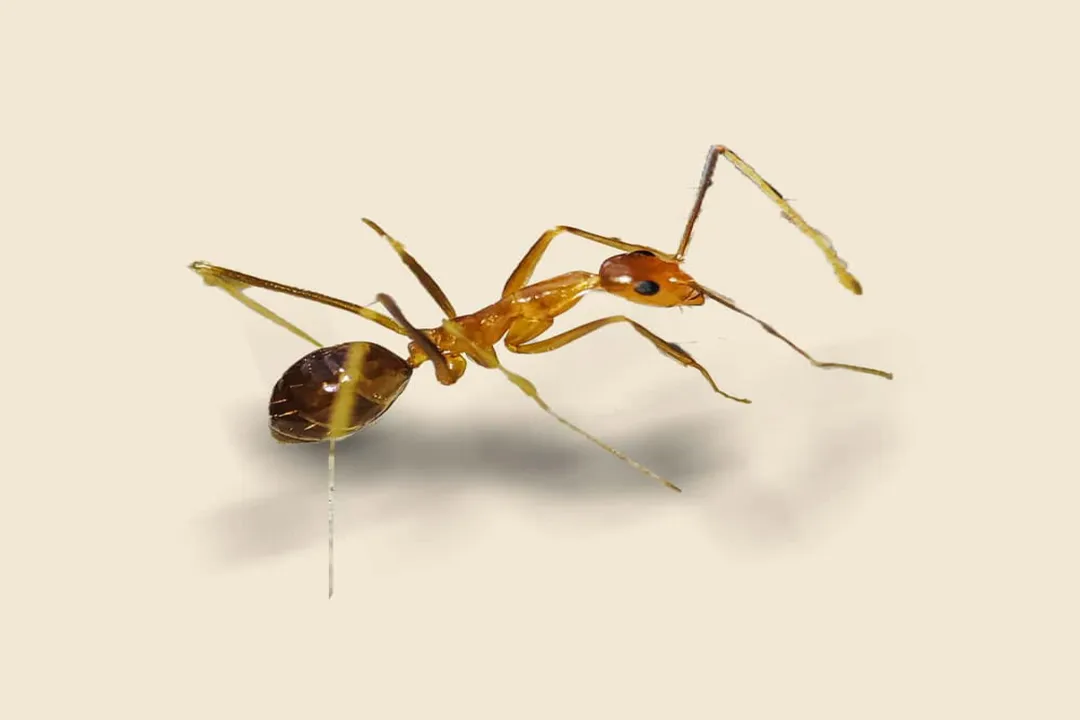
The distribution of the Yellow Crazy Ant across the globe correlates strongly with climate suitability, demonstrating a clear ecological preference. These ants thrive exceptionally well in environments characterized by warmth and high moisture levels. This preference is the primary reason they successfully establish large, invasive populations throughout tropical and subtropical zones worldwide, as these areas provide the consistent temperature and humidity levels necessary for their prolific nature and rapid colony growth. Conversely, their establishment is less widespread in cooler, drier climates, although localized outbreaks can still occur near human activity.
Related Questions
What are the native origins of the Yellow Crazy Ant, *Anoplolepis gracilipes*?What is the primary management strategy in Queensland's Wet Tropics region?How does the operational response in NSW contrast with the Wet Tropics strategy?What specific human infrastructure is frequently nested in by Yellow Crazy Ants?What technological tool is employed to visualize and track the known spatial spread of the ant?What food source do Yellow Crazy Ants frequently 'farm' near their outdoor nests?What hazard can result from large numbers of Yellow Crazy Ants swarming electrical equipment?Which vector is most associated with the introduction of ants via landscaping materials?What is the key difference in ant structure between the core infestation and the 'edge'?How is the Yellow Crazy Ant treated under Queensland legislation regarding its movement?What characteristic explains the Yellow Crazy Ant's success in tropical and subtropical zones?Where do surveillance programs in New South Wales focus their early detection efforts?