Yellow Crazy Ant Facts
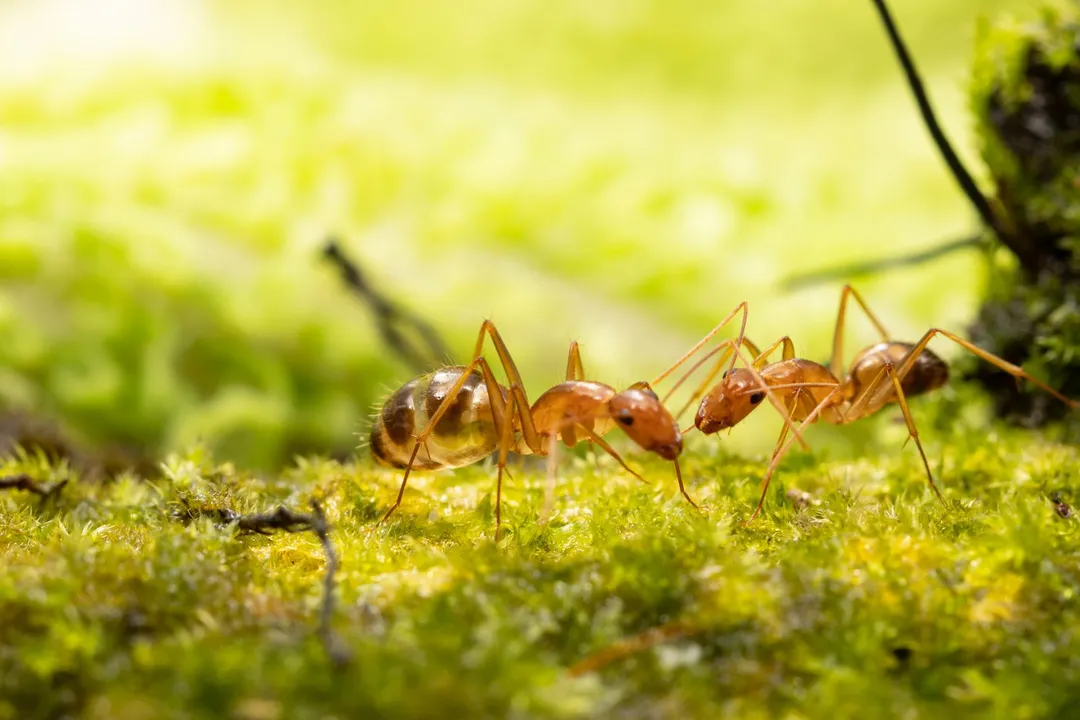
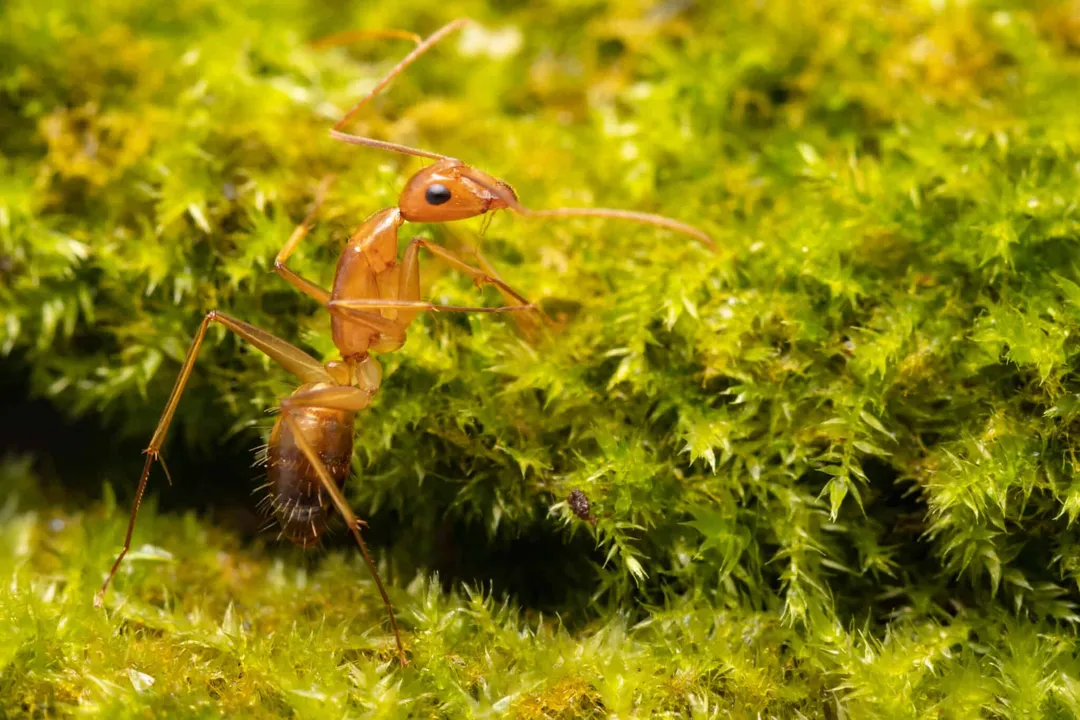
The appearance of the yellow crazy ant, Anoplolepis gracilipes, is often the first clue that something is amiss in an environment, though it is their behavior that truly earns them their notorious moniker. [1][3] These invasive insects are typically tawny or yellowish-brown in color, possessing long legs and antennae that contribute to their distinct look. [3] The "crazy" descriptor stems from their movement patterns, which are erratic and unpredictable when they are disturbed, causing them to dart about in seemingly random directions rather than marching in a straight line like many common household ants. [8][3] While they might be confused with the Argentine ant due to size similarity, the yellow crazy ant has a longer antennae-to-body ratio. [5] These ants are relatively small, usually measuring around $2.5$ to $3$ millimeters in length, which can make them difficult to spot individually until they begin aggregating in large numbers. [3]
# Colony Structure
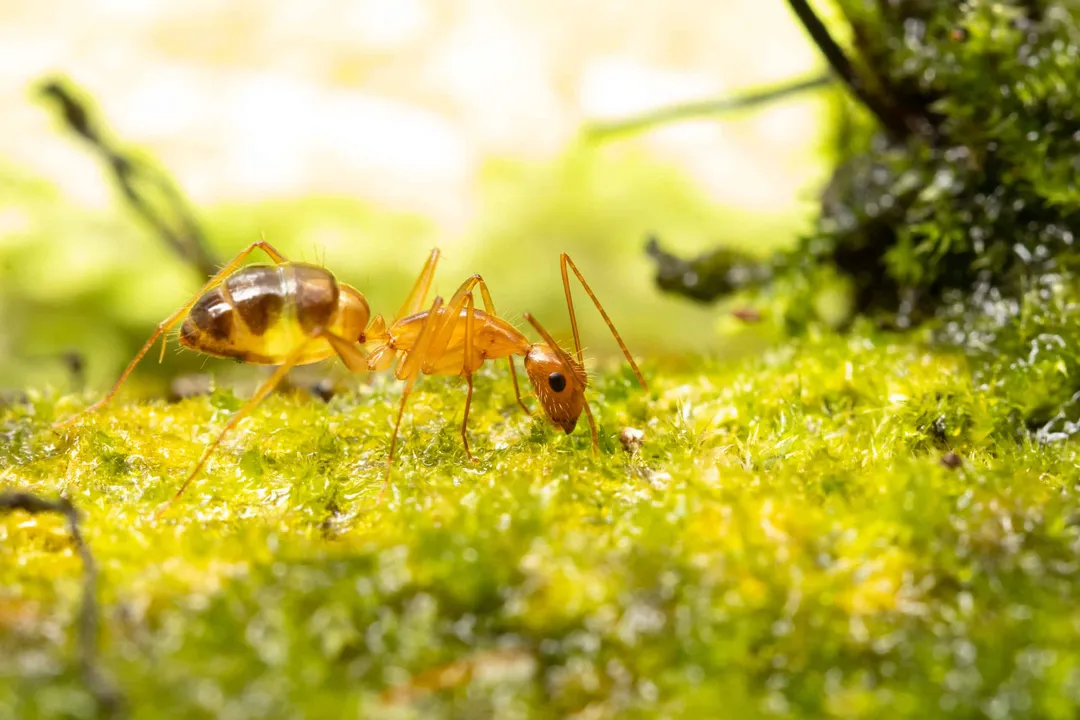
Understanding the underlying social organization of the yellow crazy ant is key to grasping the scale of their invasion potential. Unlike many ant species that rely on a single queen to govern reproduction, yellow crazy ants thrive through polygyny, meaning their colonies host multiple fertile queens. [1] This multiple-queen system allows colonies to grow exponentially larger and spread their reproductive capacity across a wider geographic area simultaneously. [1] In the most severe cases, these nests can merge, forming massive supercolonies that can span enormous tracts of land, sometimes covering many acres. [1] The sheer density of ants within a supercolony can reach staggering numbers, sometimes exceeding $8$ million individuals per hectare. [4]
When you encounter a foraging line of a single-queen species, you are typically dealing with a finite, relatively localized threat. In contrast, a yellow crazy ant supercolony operates as a single, interconnected biological unit. If one part of the colony is disturbed, the chemical alarm signals are propagated across the entire network, often resulting in a massive, coordinated defensive swarm emerging from numerous points rather than a single nest entrance. [1] This networked structure is what allows them to dominate resources so thoroughly once established.
# Global Spread
The native range of Anoplolepis gracilipes is restricted to South America, specifically areas including Brazil, Argentina, and Uruguay. [1] However, human activity has inadvertently served as the primary vector for their global expansion, introducing them to susceptible ecosystems across the world. [2] Some of the most significant established invasions have occurred in places like Hawaii, where they cause considerable ecological damage, and in Australia, particularly in Queensland and the Northern Territory. [1][2][6]
The transport mechanism is often linked to commerce and human movement. These ants can hitch rides in contaminated soil, on nursery stock or plant materials, within timber, or even inside machinery and shipping containers. [2] The lack of natural predators in newly invaded territories, combined with their reproductive efficiency, means that once introduced, their establishment is often rapid and persistent. [1] For instance, in Queensland, Australia, they are classified as a significant pest, prompting active eradication programs aimed at containing their movement. [6] Successfully containing an infestation requires rigorous quarantine procedures on transported goods, as a single contaminated pallet can reintroduce the pest to an area declared free of the ants.
# Ecological Threat
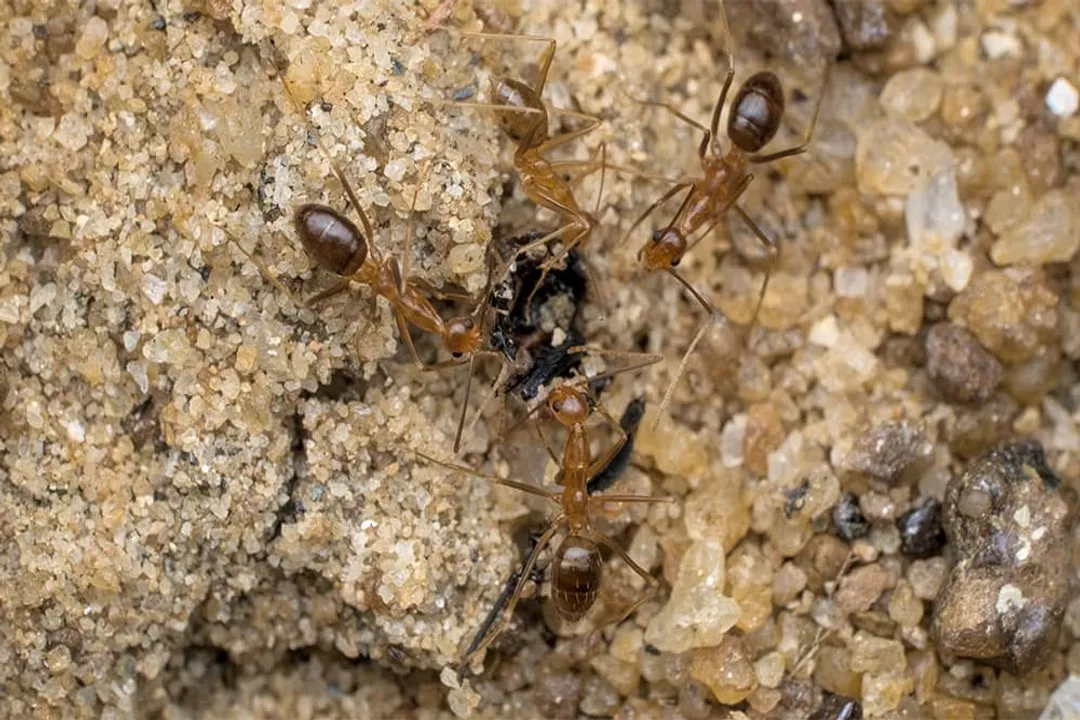
The ecological consequences of a yellow crazy ant invasion are often devastating, particularly for ground-dwelling fauna. [6] Their success stems from their aggressive nature and overwhelming numbers, allowing them to displace or prey upon native invertebrates and smaller vertebrates. [1] A famous, stark example of this destructive power is seen on Christmas Island, where these ants have severely impacted populations of hermit crabs and native reptiles. [1][6] The sheer biomass of the invading ants effectively suffocates the native ecosystem's ability to support its original inhabitants. [1]
Beyond direct predation, yellow crazy ants engage in a form of agricultural management detrimental to native plants. They actively "farm" sap-sucking insects, such as aphids and scale insects, on native vegetation, protecting them from natural predators in exchange for the sweet, sugary secretion known as honeydew. [1] This activity can stress or kill the host plants, further altering the landscape structure and reducing resources available for other native species. Because they build large, decentralized nests, simply destroying one visible nest entrance rarely stops the infestation; the queens in other parts of the supercolony remain viable and continue the takeover. [2]
# Swarming Equipment
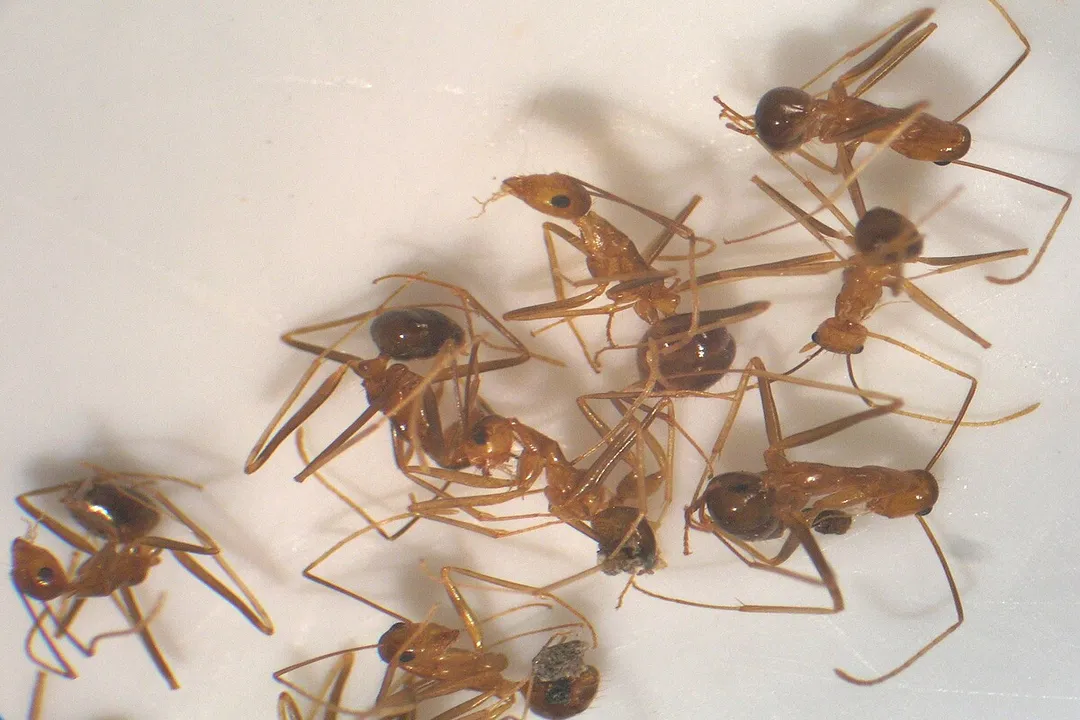
One of the most unique and damaging aspects associated with the yellow crazy ant, especially in residential or industrial settings, is their tendency to swarm electrical and mechanical equipment. [4] This behavior is less about nesting within the equipment and more about a chemical attraction or simply seeking harborage and warmth, but the results are always disruptive. [3] When massive numbers of these ants invade devices like fuse boxes, air conditioning units, pumps, or even vehicle engines, their sheer density can cause serious electrical issues. [3] The ants often cause short circuits, leading to equipment failure, tripped breakers, and costly repairs. [4]
It is important to recognize that this electrical damage is a symptom of a larger infestation nearby, not the primary goal of the ant. When these ants are active near human infrastructure, it often signals that the foraging front of a large supercolony is expanding into that territory. [4] A practical, non-chemical management measure for residents in known infested areas involves routinely inspecting and cleaning outdoor electrical conduits and utility boxes—not just for signs of ant trails, but by physically blowing out or vacuuming any accumulations of debris or insects before they can build up to a critical mass that causes a fault.
# Control Methods
Managing yellow crazy ants is notoriously difficult due to the multi-queen structure and the vast size of their supercolonies. [1][2] Traditional methods relying on surface sprays or localized nest destruction are often ineffective because the majority of the colony remains untouched and reproductive capacity is sustained by the remaining queens. [2] Therefore, effective control strategies must focus on baiting—introducing a slow-acting poison mixed with an attractive food source that the workers will carry back to the nest and share with the queens and larvae. [2] This targeted approach aims to eliminate the reproductive core of the colony rather than just managing the foraging workers. [1]
In Australia, for example, significant funding and research have gone into developing baiting programs specifically tailored for this species, as eradicating them from sensitive areas is a primary goal. [6] The challenge lies in formulating a bait that is attractive enough to compete with the vast array of other food sources the ants naturally exploit, such as the honeydew from their farmed insects. [6] Furthermore, any widespread pesticide use must be carefully evaluated to ensure it does not create a secondary environmental disaster by harming non-target insects that are part of the local food web, necessitating precise application techniques. [6] The ongoing efforts demonstrate that while eradication is an extremely high bar, suppression and localized control can be achieved through persistence and the correct chemical tools aimed at the queens. [2]
Related Questions
#Citations
Yellow crazy ant - Wikipedia
Yellow crazy ants in Australia - Invasive Species Council
Yellow Crazy Ant - Hearts Pest Management
Crazy Ants - Texas Field Station Network
Yellow Crazy Ant - Anoplolepis gracilipes - A-Z Animals
Yellow Crazy Ant Eradication Program
Fact sheet - Yellow crazy ant (364) - Lucid Apps
8 Intense Facts About Crazy Ants - Treehugger
a invasive species of ants that look "crazy" when disturbed as they ...