Yellow Bass Locations
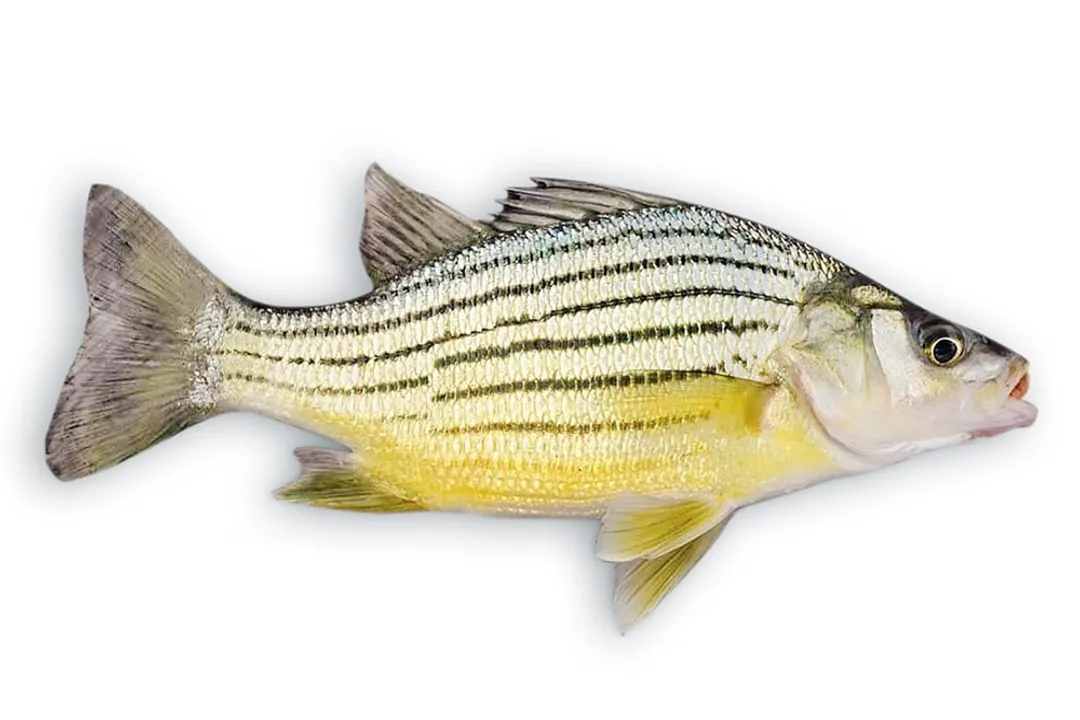
The Yellow Bass, Morone mississippiensis, is often overshadowed by its larger relatives, the Striped and White Bass, yet it offers a distinct and exciting angling target, especially for those who know where to look. Understanding the geographic distribution and preferred environments of this temperate bass is the key to consistently locating them in lakes and rivers across North America. [1][5]
# Native Territory
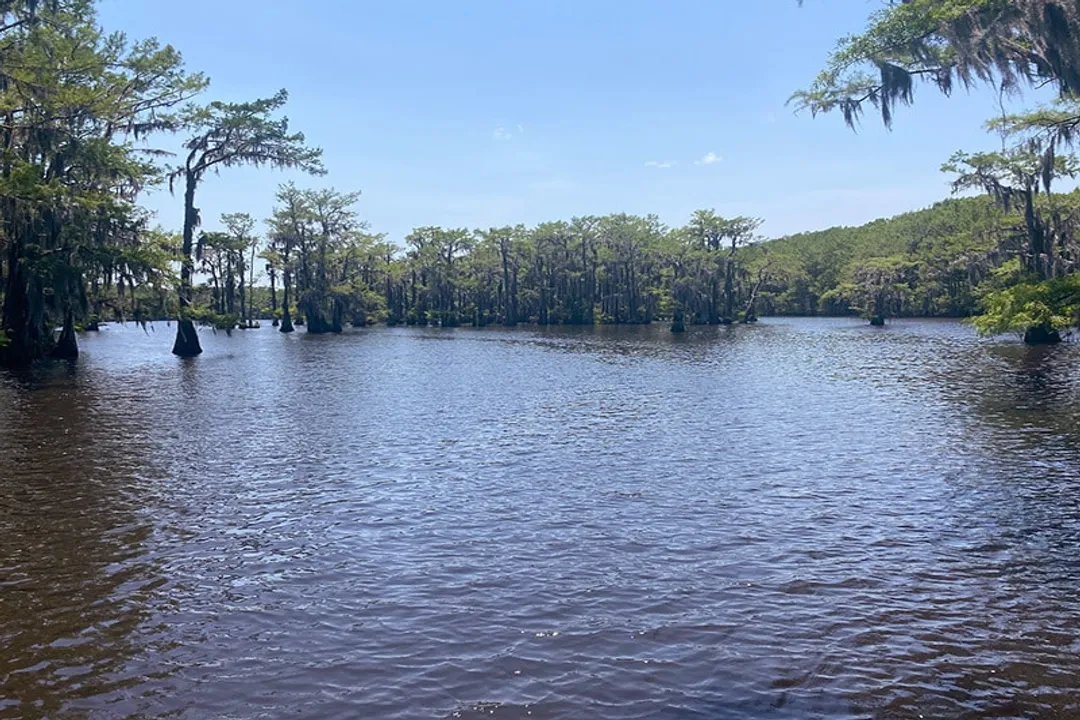
Historically, the Yellow Bass established its roots primarily within the massive Mississippi River drainage system. [2][4][5] Its native range centers on the tributaries and main stem of the Mississippi River, extending north into the Great Lakes basin. [2][4] Biologists document its original occurrence throughout the Mississippi River valley, indicating a strong preference for the flowing waters of this major watershed. [5] The species is also found within the Great Lakes region, suggesting adaptation to the varied conditions found in these interconnected systems. [4] This deep connection to the Mississippi system means that in many areas within that drainage, the Yellow Bass is a long-standing, indigenous resident. [2]
When looking at the native distribution from a broader perspective, the Yellow Bass shows a natural affinity for larger rivers and the associated lake systems connected to them. [1] Its smaller size, typically topping out around 12 to 14 inches and rarely exceeding two pounds, sometimes means it is overlooked in surveys that focus on trophy-class fish, but its historical presence is well-documented across the central United States drainage area. [4][1]
# Introduced Waters
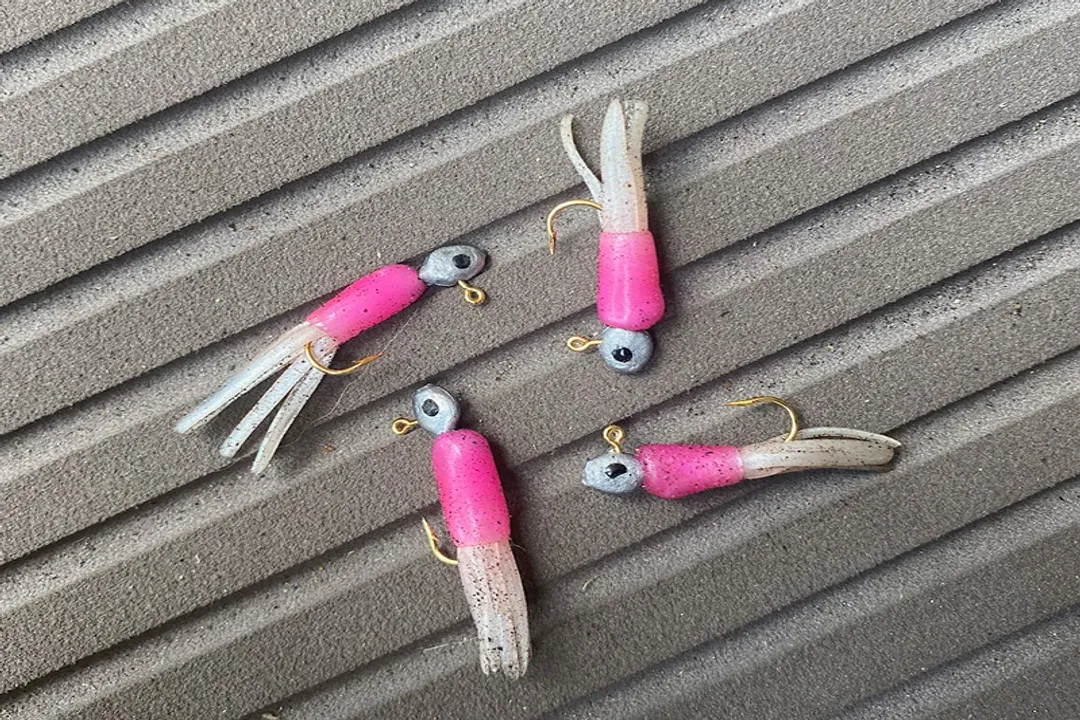
Beyond its original habitat, the Yellow Bass has seen introductions into various other bodies of water across the continent. [2] These stocking efforts were primarily aimed at establishing additional sport fisheries, allowing anglers in new regions the chance to catch this scrappy fish. [1]
The USGS Nonindigenous and Invasive Species database tracks these movements, showing that while its core territory remains the Mississippi basin, populations now exist outside this original zone due to human activity. [2] For an angler unfamiliar with local fish management history, knowing whether a particular lake or river system bordering the native range has received stocking introductions is vital for locating these fish in non-native waters. [1] Unlike some invasive species that rapidly dominate, the success of introduced Yellow Bass often relies heavily on local water quality and the presence of suitable forage, making their establishment somewhat localized even outside the native range. [2]
# Southern Hotspots
While its range is widespread, anglers seeking consistent Yellow Bass action often turn their attention to specific southern states where the species is abundant in large reservoir systems. [7][6]
In Alabama, for instance, the Yellow Bass thrives in several prominent reservoirs. [7] Anglers often target waters such as Lewis Smith Lake, Logan Martin Lake, Harris Lake, and Weiss Lake when looking for this species. [7] This prevalence in large, deep Alabama reservoirs suggests they do well in impoundments that offer substantial deep-water structure during warmer months. [7]
Texas presents another major area where Yellow Bass fishing is popular, particularly in the massive reservoirs that dot the landscape. [6] Key Texas locations frequently mentioned for Yellow Bass include Lake Buchanan, Lake Travis, Sam Rayburn Reservoir, and Lake Livingston, as well as Lake LBJ. [6]
A point worth noting for those fishing these southern reservoirs is the subtle difference in environmental pressure compared to their northern, riverine origins. In Texas, for example, where water temperatures can be warmer for longer periods, the Yellow Bass may spend more time in thermoclines during the summer months than their counterparts in cooler, northern waters, demanding slightly different sonar interpretations or depth presentations from the angler. [6][7] If you are fishing a large, deep, clear reservoir in the South, you should always check local stocking reports, as these environments seem particularly conducive to supporting healthy Yellow Bass populations outside their native Mississippi Valley. [2]
# Water Structure
Knowing where the fish are geographically is only half the battle; knowing what kind of structure they prefer within that geography is the other essential component. [1] Yellow Bass generally prefer clearer water compared to the often turbid conditions that might host populations of their White Bass cousins. [4] They tend to favor lakes and reservoirs over fast-flowing rivers, though they are certainly found in the latter. [1][5]
Within a lake setting, look for areas that offer distinct structure or cover:
- Bridges and Piers: Man-made structures like bridge pilings or docks offer overhead cover that Yellow Bass often congregate around, especially during bright, sunny days. [1]
- Deep Water: They frequently utilize deeper sections of reservoirs, particularly when surface waters become too warm or when seeking protection from predators. [4]
- Rocky Substrates: Areas with gravel or rock bottoms seem to be preferred feeding or holding zones. [1]
Unlike some other temperate bass, Yellow Bass often exhibit schooling behavior, meaning if you find one, you are likely to find many others nearby. [1] This schooling nature is a massive advantage for the persistent angler, turning a single bite into a sustained period of action if the school is located accurately. [1]
# Angler Records
While not a location in itself, the pursuit of world records often points toward waters that consistently produce large specimens, offering an indirect guide to high-quality habitat. The current world record for the Yellow Bass, as recognized by the International Game Fish Association (IGFA), was landed in Lake Texoma, which straddles the Texas-Oklahoma border. [3] This specific record provides a concrete example of a system—a large reservoir system on a major tributary—that supports exceptionally large individuals of the species. [3][6] While Lake Texoma is not explicitly listed among the Texas hotspots in other sources, its documented record fish suggests it is a prime location worth investigating. [3][6]
# Finding Patterns
Successful Yellow Bass fishing often requires matching the season to the structure, as their preferred locations change throughout the year. [1] During the hot summer months, the fish will move to deeper, cooler water, often suspending over drop-offs or standing timber in the main lake body. [1] Conversely, during the spring spawning season, they move shallower, often seeking out gravel or sandy bottoms in bays or tributaries to reproduce. [1]
One effective strategy, often overlooked by those primarily targeting Stripers or Whites, is to focus on edges—the transition zones between shallow and deep water, or between open water and sharp structure. [1] When the main lake school seems scattered or elusive, paying close attention to the first deep break near a spawning flat from the spring can often reveal a lingering group holding in slightly deeper ambush positions during the early summer transition. [1] This concept of targeting thermal or depth boundaries is what separates a lucky angler from one who consistently puts them in the livewell, especially in large, stratified impoundments common throughout their range. [7][6]
To truly maximize your success in locating Yellow Bass, especially in newer or less documented waters, a pragmatic, localized approach is best. Since stocking history dictates presence outside the native Mississippi system, checking with local bait and tackle shops—the very businesses that rely on local knowledge—can provide real-time, high-value information about where the schools are currently boiling on the surface or suspending near deep humps. [7][6] This ground-level intelligence complements the broad geographic data gleaned from scientific surveys and record books. [2][3]
Related Questions
#Citations
Yellow Bass | The Most Complete Species Guide - BassForecast
Yellow Bass (Morone mississippiensis) - Species Profile
Bass, yellow - IGFA Member Services
Yellow bass - Wikipedia
Morone mississippiensis (Bass) - Animal Diversity Web
Texas Fish Species: Yellow Bass - FishExplorer.com
Yellow Bass - | Outdoor Alabama
Yellow Bass - Fish Species Guide - BadAngling