Yellow Crazy Ant Scientific Classification
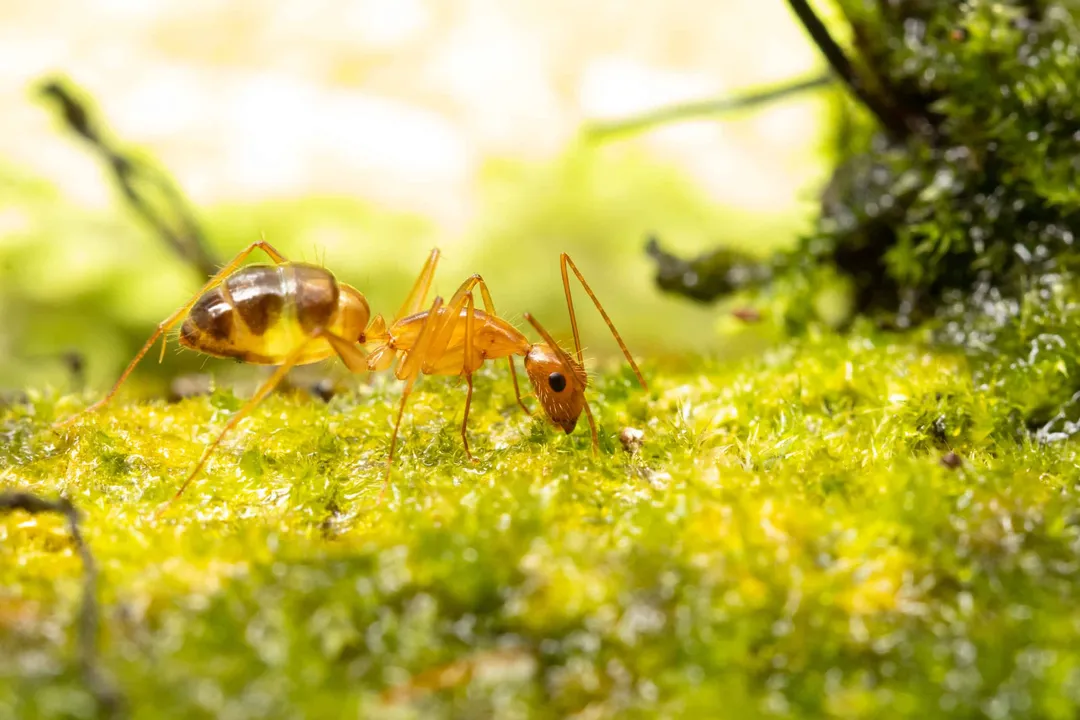
The process of precisely placing any organism within the grand biological catalog starts with its scientific classification, a hierarchical system that reveals its evolutionary relationships. For the insect famously known as the Yellow Crazy Ant, this categorization places it firmly within the immense order of ants, but subtle distinctions within that order define its unique biology and notorious behavior. This insect, scientifically designated as Anoplolepis gracilipes, is more than just an annoyance; understanding its place in the tree of life helps explain why it acts the way it does. [1][2][5]
# Kingdom Animalia
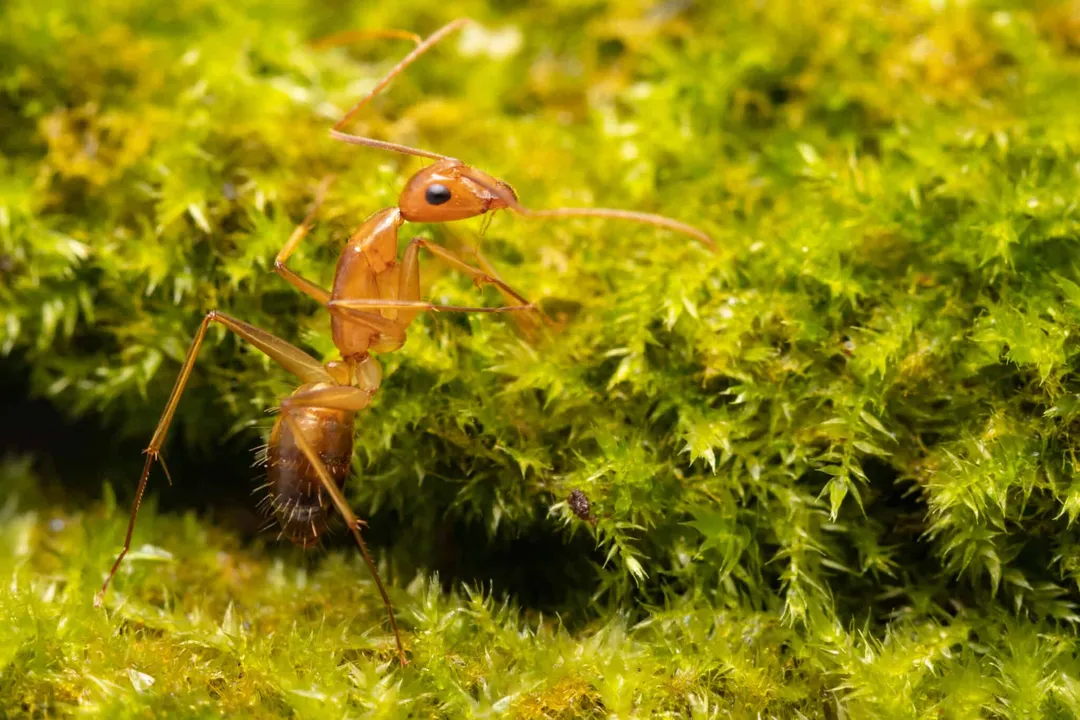
At the broadest level, the Yellow Crazy Ant falls under the Kingdom Animalia. [1] This membership signifies that it is a multicellular, eukaryotic organism that obtains energy by consuming other organisms, moving, and possessing specialized sensory organs—traits we associate with the animal world. [1] While this classification is shared with everything from whales to earthworms, it is the subsequent, more specific ranks that begin to narrow down its identity to a tiny, six-legged invader. [1]
# Phylum Arthropoda
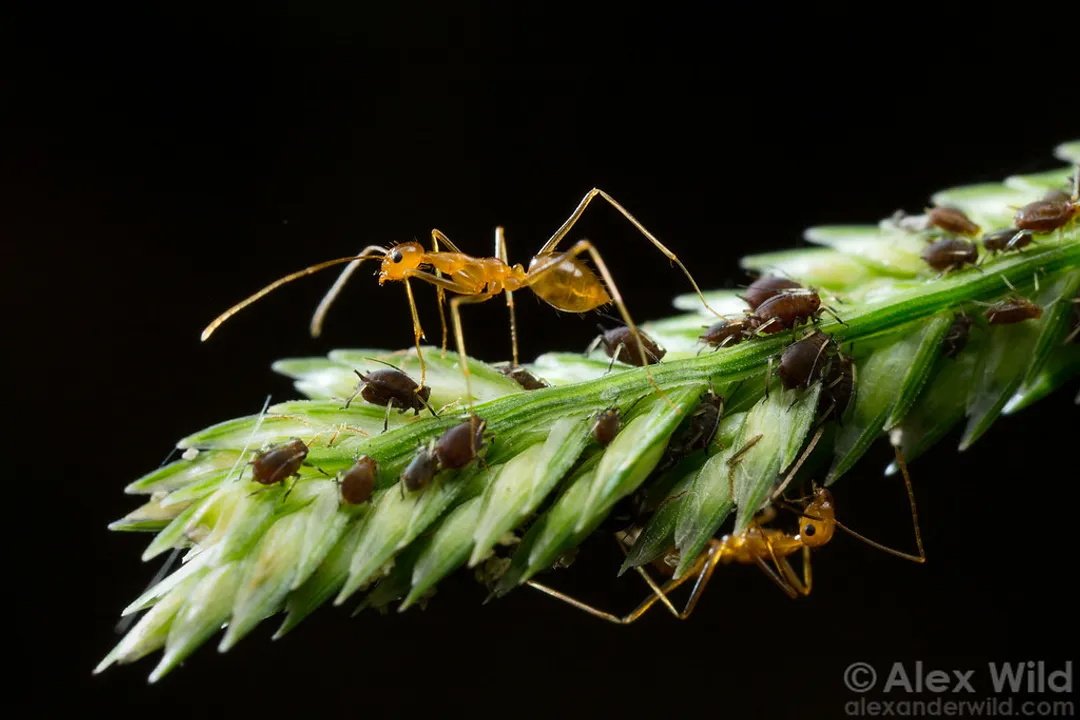
Moving down the hierarchy, the next stop is the Phylum Arthropoda. [1] This group is characterized by a segmented body, a tough exoskeleton, and jointed appendages—hallmarks of insects, spiders, and crustaceans. For A. gracilipes, this means possessing that defining, rigid outer shell and its numerous legs. [1] This phylum is incredibly successful globally, and it's within the insect class that the ant truly begins to distinguish itself from its many arthropod relatives. [1]
# Class and Order
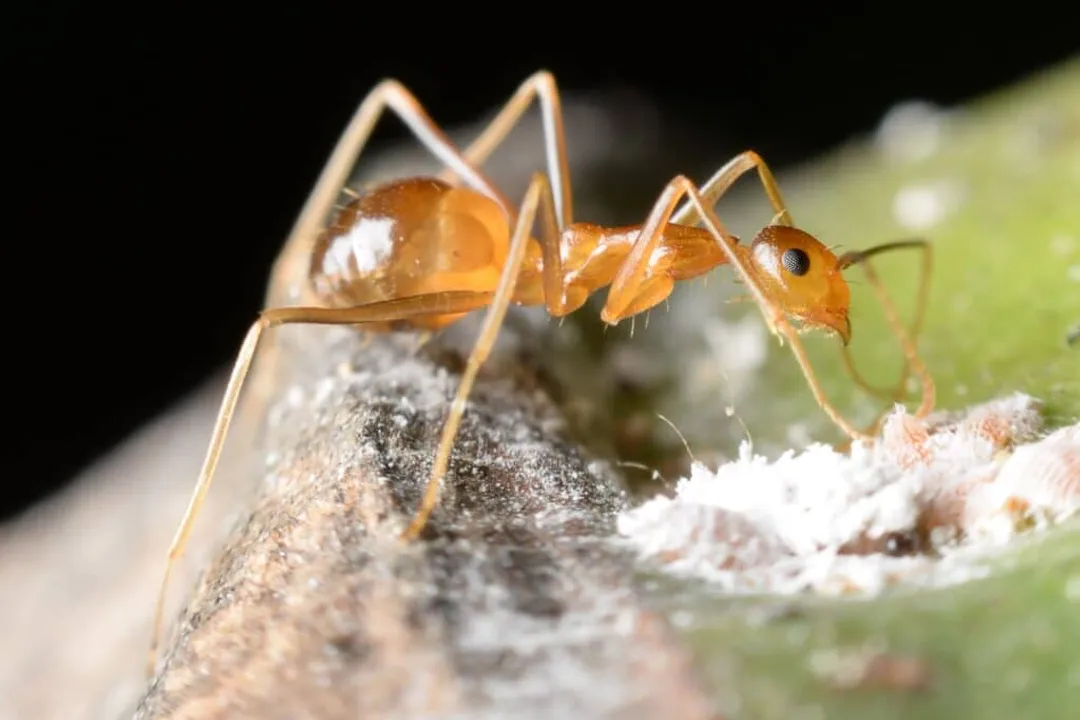
Within Arthropoda, the Yellow Crazy Ant belongs to the Class Insecta and the Order Hymenoptera. [1] Insecta confirms it has the standard three body parts (head, thorax, abdomen) and six legs. Hymenoptera is the order that groups ants, bees, and wasps together. [1] This grouping highlights a shared ancestry involving social behavior, metamorphosis, and stingers (though the ant's defense is often chemical rather than a traditional stinger). [1] The specific characteristics that define this order are critical to understanding the complex colony structures that make A. gracilipes such a difficult pest. [7]
# Family Formicidae
The jump to the Family Formicidae is where the insect officially becomes an ant. [1][4] All members of Formicidae are social insects, characterized by the distinct three-part body and elbowed antennae. [4] While this family contains a staggering diversity of forms, the Yellow Crazy Ant shares the fundamental social organization—queens, workers, males—that defines ant societies. [7] It is fascinating to consider that despite the wide variance in size and habitat among ant species, they all share this core family designation, rooted in thousands of years of cooperative evolution. [4]
# Subfamily and Tribe
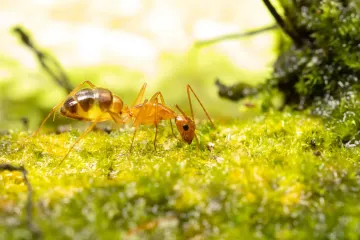
The classification continues to refine itself within the Formicidae family. Anoplolepis gracilipes is placed within the Subfamily Formicinae and the Tribe Plagiolepidini. [4] Formicinae is a large subfamily that includes many common ants and is notable because its members typically defend themselves by spraying formic acid, rather than using a stinger like many ants in the Myrmicinae subfamily. [4][7] This difference in defensive chemistry is a key biological marker that separates the Yellow Crazy Ant from groups like fire ants, even though both are notorious invaders. [7]
# Genus Anoplolepis
The Genus Anoplolepis provides the most direct link to the physical appearance and unique behavior of the species. [4][5] Ants within this genus are generally described as having slender bodies and relatively long legs and antennae when compared to many other common ant genera. [7] When encountering an ant that fits the general description of a Yellow Crazy Ant—pale yellowish to brownish, highly active—checking the build is crucial for a reliable identification, especially when trying to distinguish it from native look-alikes. [7]
For those who spend time studying or managing invasive species, recognizing the genus traits can be as important as knowing the species name. While many ant species, like those in the genus Linepithema (another notorious invasive), rely on sheer numbers and rapid recruitment, Anoplolepis brings a specific suite of physical traits—the long legs enabling its characteristic, erratic, "crazy" movements—to its invasion strategy. [1][7]
| Taxonomic Rank | Classification Term | Key Distinguishing Trait |
|---|---|---|
| Kingdom | Animalia | Multicellular, consumes food |
| Phylum | Arthropoda | Exoskeleton, segmented body |
| Order | Hymenoptera | Includes ants, bees, and wasps |
| Family | Formicidae | True ants; social structure |
| Subfamily | Formicinae | Defense often via formic acid spray |
| Genus | Anoplolepis | Slender build, long appendages |
| Species | A. gracilipes | The Yellow Crazy Ant |
This table summarizes the known hierarchy, demonstrating how the physical description (slender body) is directly tied to its genus placement, which in turn is linked to its chemical defense (formic acid spray) via its subfamily membership. [4][7]
# Species Anoplolepis gracilipes
The final designation is the species, Anoplolepis gracilipes. [4][5] This specific classification is what sets it apart from its close relatives within the Anoplolepis genus, tying together its unique morphology, reproductive strategy, and ecological impact. [7]
One of the most scientifically intriguing aspects tied to its biological classification, though slightly outside the traditional Linnaean ranks, is the phenomenon of chimerism that has been observed in some populations. [9] In some cases, genetic material is shared between individuals, allowing them to accept genetically different nestmates, leading to the development of massive, super-colonies where multiple reproductive queens coexist. [9] This genetic flexibility, likely facilitated by specific biological mechanisms inherent to this species, directly fuels its status as a major invasive threat, far exceeding the impact of many other ants strictly classified as Formicidae. [9]
When dealing with management or control, this deep classification insight offers a point of tactical consideration. Because its defensive formic acid is relatively weak compared to many other ants, A. gracilipes relies heavily on overwhelming numbers and sheer speed to dominate territories. [7] This means that control measures focusing solely on chemical repellency might be less effective than strategies that target the reproductive centers or disrupt the massive colony structure, which is the ultimate expression of its successful classification and associated biological traits. [2][7] A property owner facing an outbreak might mistakenly believe a simple barrier spray is enough, but the underlying biology of the Formicinae/Plagiolepidini group suggests that a persistent, systemic approach is necessary to disrupt the colony fabric fostered by that chimerism. [9]
# Ecological Relevance of Taxonomy
The scientific journey from Animalia to A. gracilipes is not merely an academic exercise; it informs how we treat this insect in the field. Its placement in the Formicinae subfamily, as noted, means its primary chemical defense is formic acid. [7] While most ants use this for defense, the concentration or effectiveness in A. gracilipes seems comparatively low, especially when contrasted with the highly potent venom or defensive secretions of other invasive ant species found globally. [7]
For instance, while the evolutionary path of the Yellow Crazy Ant led it to favor multi-queen societies (polygyny) often through chimerism, many other, perhaps more common, ants in the Formicidae family remain strictly monogynous (one queen) or only temporarily polygynous. [7][9] This difference in social organization, which is rooted in the species-level biology, is the direct reason why a small infestation can explode into a massive, super-colony capable of devastating local wildlife, such as driving away native birds and reptiles on islands. [1][2] Thus, understanding that A. gracilipes belongs to a species capable of this extreme social networking is the most practical piece of knowledge derived from its specific classification, guiding resource allocation toward eradication rather than simple suppression. [2]
Related Questions
#Citations
Yellow crazy ant - Wikipedia
Yellow Crazy Ant - Anoplolepis gracilipes - A-Z Animals
Anoplolepis gracilipes - GISD
Anoplolepis gracilipes - Alex Wild
Fact sheet - Yellow crazy ant (364) - Lucid Apps
Yellow crazy ant - Pacific Invasive Ant Toolkit
Anoplolepis gracilipes - Ant Care Sheets - Formiculture.com
[PDF] Christmas Island Yellow Crazy Ant Control Program - DCCEEW
Yellow Crazy Ants' Intriguing Chimerism - QPS