Yellow Crazy Ant Physical Characteristics
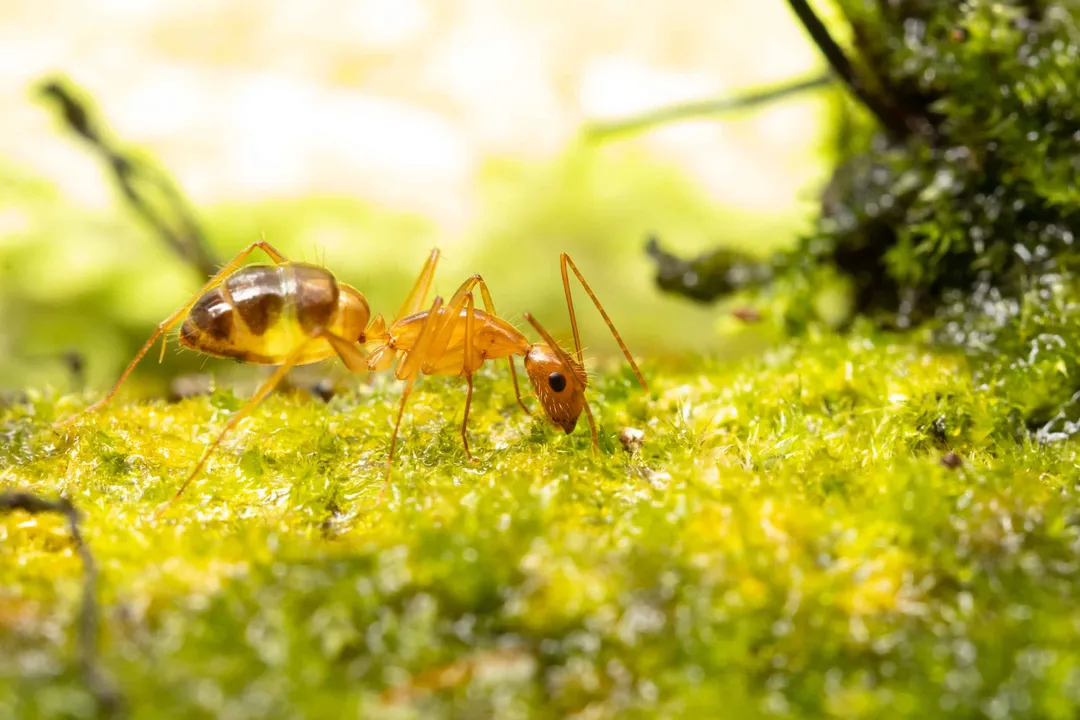
The Yellow Crazy Ant, scientifically known as Anoplolepis gracilipes, presents a set of physical characteristics that are key to distinguishing it from many other common ant species encountered in a disturbed environment. [1] At first glance, these insects appear relatively small, usually measuring between 2 and 3 millimeters in length as workers. [1][2][4][5][7][8][9] Some measurements place the upper end of this range closer to 1/8th of an inch, which translates to just over 3 millimeters. [3] This small stature means that a single ant can be easily overlooked, especially when they are moving quickly, which is a frequent observation noted about this species. [7]
# Coloration Range
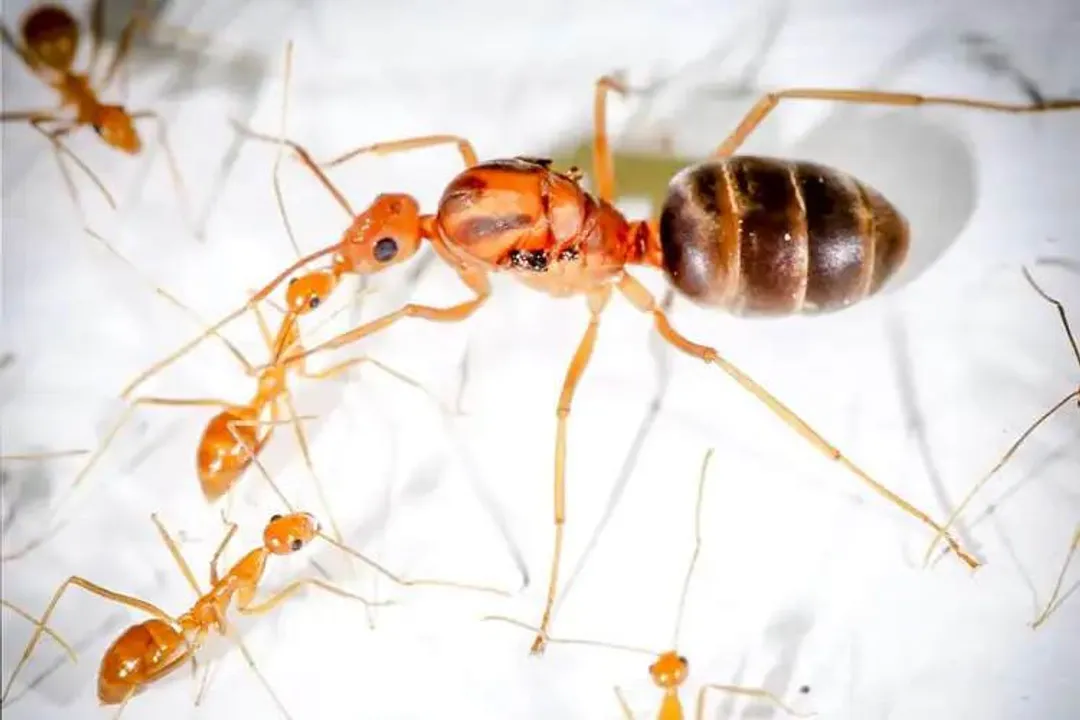
The common name, Yellow Crazy Ant, directly points to one of its most recognizable traits: its color. [6] The coloration is quite variable, often described as ranging from a pale yellow to a distinct reddish-brown. [1][2][4][5][9] Depending on the specific colony or environmental conditions, individuals might appear more strongly yellow or lean toward a darker, more pronounced brown or reddish hue. [3][6][7] This broad spectrum means that relying on color alone can sometimes be misleading if the observer expects a uniform, bright yellow specimen. In many native ecosystems where ants are typically darker, the comparatively lighter yellow or brown coloring of A. gracilipes can make them stand out, though their size mitigates this contrast when only one or two are visible. [5]
# Body Form
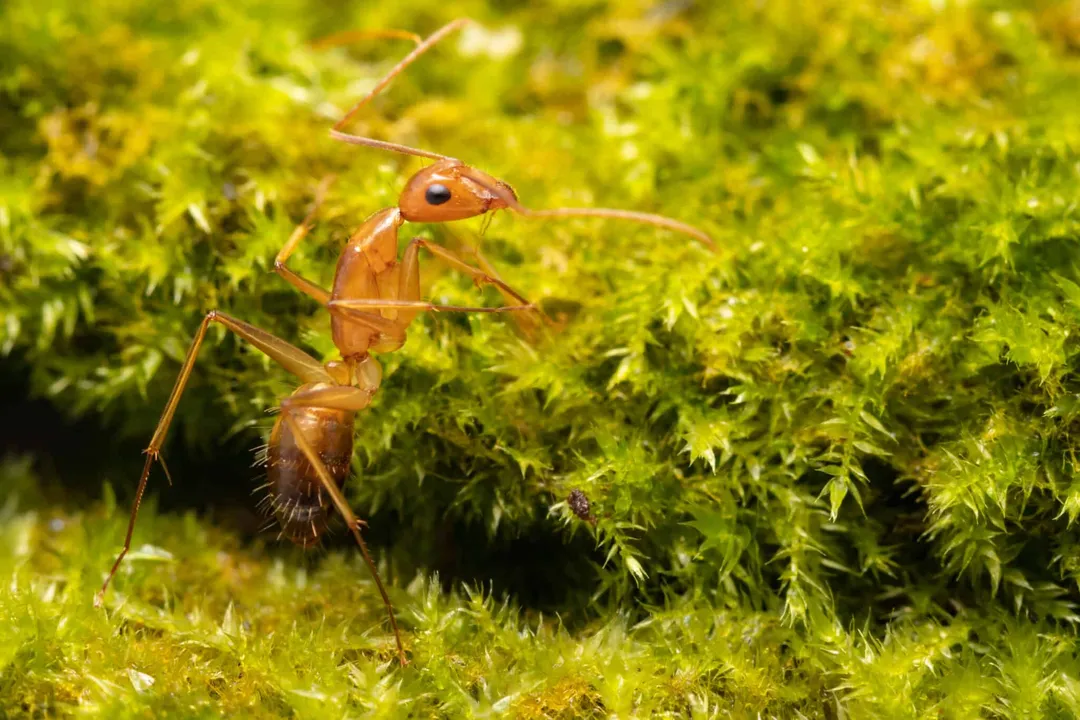
Structurally, the Yellow Crazy Ant possesses a slender body. [5][9] This slight build contributes to its characteristic movement patterns. The body segmentation—head, thorax (mesosoma), and abdomen (gaster)—is typical of ants, but the overall impression is one of delicate structure rather than robust musculature seen in species like pavement ants or carpenter ants. [1]
# Appendage Length
Perhaps the most defining physical marker, aside from color, is the disproportionate length of its legs and antennae relative to its body size. [1][2][4][5][6][7] Both the legs and the antennae are remarkably long. [1] This elongation gives the ant a somewhat awkward, gangly appearance when viewed under magnification or when it pauses its erratic movement. [1][7] The relationship between appendage length and body size is a critical diagnostic feature. When attempting identification in the field, focusing on these long appendages, which often appear longer than the main body segment, is often more reliable than estimating the exact millimeter size, which can be difficult to gauge accurately without a reference scale. [3]
# Antennae Segments
Further detail regarding the antennae reveals further structural information useful for identification, particularly when comparing sexes. Worker ants, which are the ones most commonly encountered, possess antennae composed of 12 segments. [1][3] In contrast, the male Yellow Crazy Ants have antennae with 13 segments. [1] This difference in segment count between the reproductive caste and the sterile workers is a fine detail that entomologists use for absolute confirmation. [1]
# Distinguishing Features in Practice
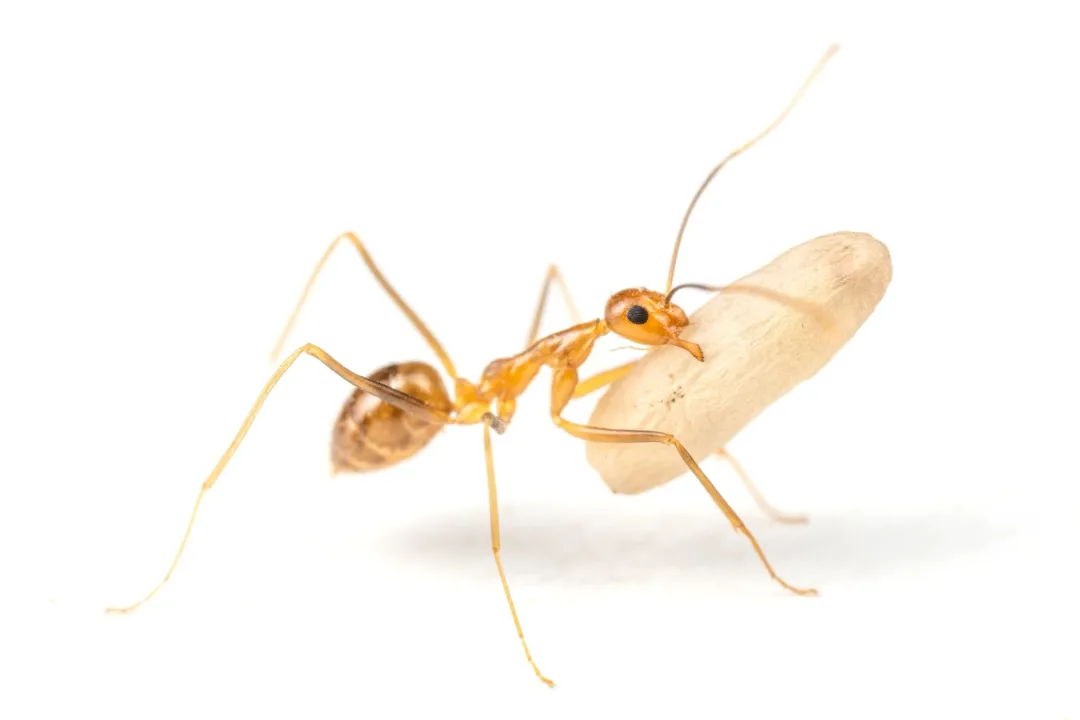
When considering the physical attributes of the Yellow Crazy Ant in context, their slender physique and long appendages allow for a unique form of locomotion. They do not march in the straight, disciplined lines often associated with many invasive or native ants; instead, their movement is often described as quick and erratic, darting back and forth, which contributes to the "crazy" part of their common name. [7] A subtle characteristic that aids in rapid assessment, stemming from their physical structure, is how easily they can navigate tight spaces. Their small size combined with their flexibility means they can exploit small cracks and crevices that are inaccessible to larger insect pests, allowing them to establish hidden satellite nests near food or water sources, a crucial element in their successful colonization of new areas. [5] This ability to move quickly and infiltrate structures means that even if you only catch a fleeting glimpse, that quick darting motion combined with a pale, slender profile should raise immediate suspicion, prompting a closer look for confirmation of the disproportionately long legs. [7]
# Comparative Morphology

Comparing A. gracilipes to other established invasive species provides perspective on its physical niche. For instance, while fire ants (Solenopsis invicta) are often recognized by their reddish-brown color, they are notably more robust and possess large, conspicuous stingers, a feature not typically associated with the Yellow Crazy Ant. [5] The Yellow Crazy Ant workers lack a prominent stinger; instead, they rely on reflex bleeding—releasing a foul-smelling chemical defense from their abdomen when disturbed—which is a physiological trait distinct from the stinging defense mechanism of other common invaders. [5]
The physical differences highlight why visual identification can sometimes be tricky without a reference. If an ant is slightly darker, perhaps matching the reddish-brown description, one might mistakenly identify it as a native species or another pest. However, the consistent observation across multiple sources is the simultaneous presence of small size, slender build, and long legs/antennae. [1][4][8] A worker ant that is 3 mm long but has legs that extend significantly past its abdomen is more likely to be A. gracilipes than many other small species found in similar tropical or subtropical zones.
In summary, the physical profile of the Yellow Crazy Ant is defined by a small, slender body, a color palette ranging from pale yellow to reddish-brown, and appendages that are noticeably elongated relative to its overall mass. [1][9] These features, especially the long legs and antennae, are the most reliable physical indicators for distinguishing this potentially problematic species. [2]
Related Questions
#Citations
Yellow crazy ant - Wikipedia
Yellow crazy ant - Invasive Species Council
Yellow Crazy Ants Anoplolepis Gracilipes: A How-to Care Guide
Yellow Crazy Ant - Maui Invasive Species Committee (MISC)
Yellow crazy ant | Business Queensland
Yellow Crazy Ant - Anoplolepis gracilipes - A-Z Animals
Yellow Crazy Ants - Care Guide and Ecology - The Wild Martin
How to identify Yellow Crazy Ants - Nuturf
Anoplolepis gracilipes - GISD