What biological structure enables pit vipers to detect the heat signatures of prey?
Answer
Specialized loreal pits located between the eye and the nostril
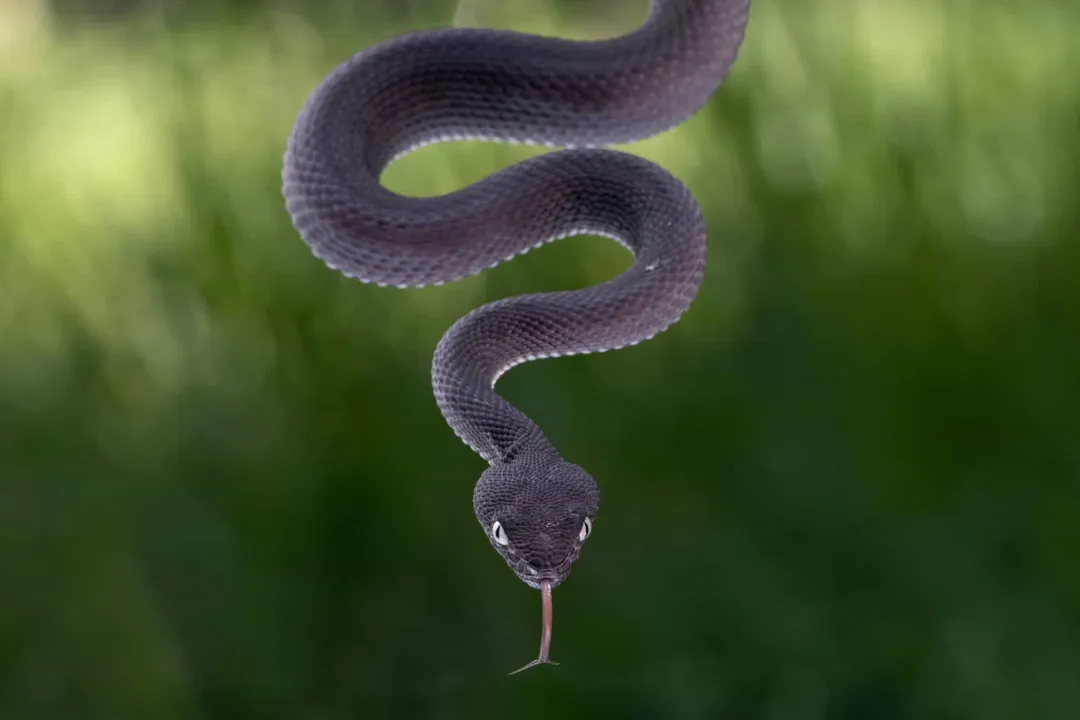
Pit vipers are distinguished from Old World vipers by the presence of specialized facial pits, specifically loreal pits located between the eye and the nostril. These organs are capable of sensing minute changes in infrared radiation. This allows the snakes to detect the heat signature of warm-blooded prey, even in total darkness. The brain processes this infrared data alongside visual input, creating an effective predatory mechanism.
#Videos
Smallest, longest and heaviest viper species in the world
Related Questions
What primary physical feature of a viper head accommodates its large venom glands?What characteristic of the pupils in vipers allows them to adjust to bright light?Which snake species is known for having the longest venomous fangs in the world?What is the primary purpose of the keeled scales found on the African Horned Viper?What biological structure enables pit vipers to detect the heat signatures of prey?How does the robust, heavy-bodied build of a viper influence its movement style?How are the hinged fangs of a viper positioned when the mouth is closed?What distinct physical marking is characteristic of the common European viper?What is a possible function of the head horns found on the African Horned Viper?What is the primary target of the hemotoxic venom produced by many vipers?