Viper Physical Characteristics
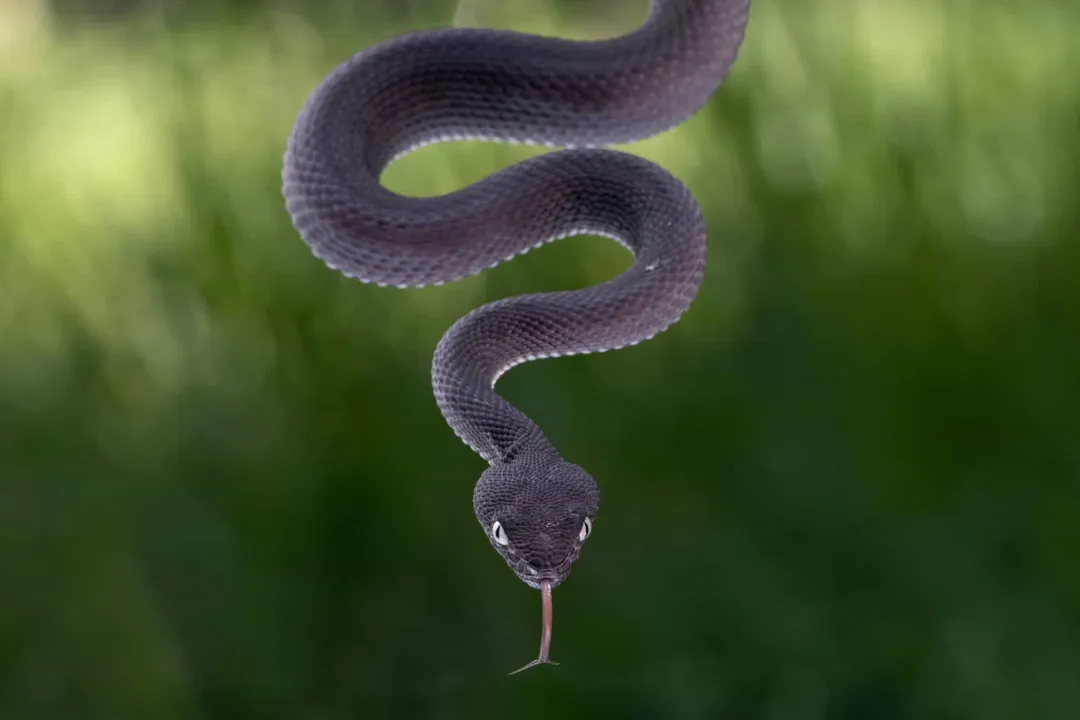
The world of vipers, belonging to the family Viperidae, presents a fascinating spectrum of physical adaptations molded by diverse environments, yet they share several defining characteristics that set them apart from other snakes. [1][2] Generally speaking, these snakes are recognized for their robust, often heavy-bodied build and relatively short tails when compared to their overall length. [2] This general stoutness is a recurring theme, though exceptions certainly exist when looking closely at specialized species. [1]
# Head Structure
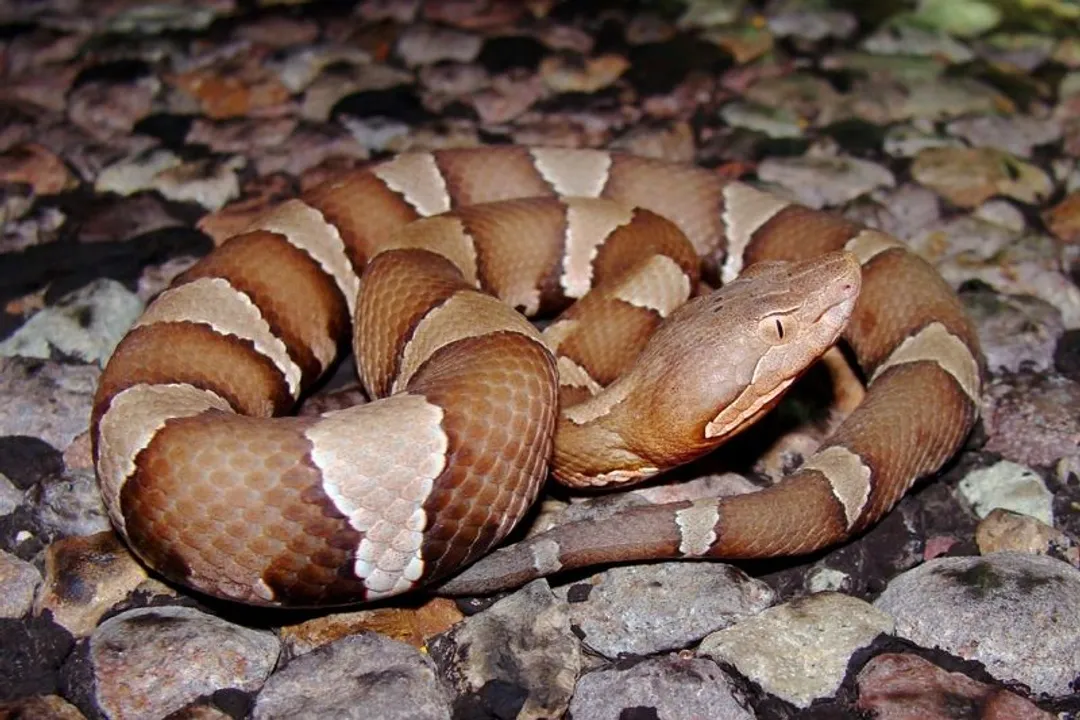
Perhaps the most immediate giveaway for identifying a viper is the shape of its head. [2][7] Most species exhibit a distinctly broad, triangular, or spade-shaped head that appears somewhat distinct from the neck region. [1][2][7] This morphology is directly related to housing the large venom glands situated behind the eyes. [7] Even in vipers that might blend into their surroundings, this cranial architecture often remains a key feature. [2] Furthermore, like many other advanced snakes, vipers typically possess vertical pupils, which can contract to a narrow slit in bright light. [1][7]
# Body Build
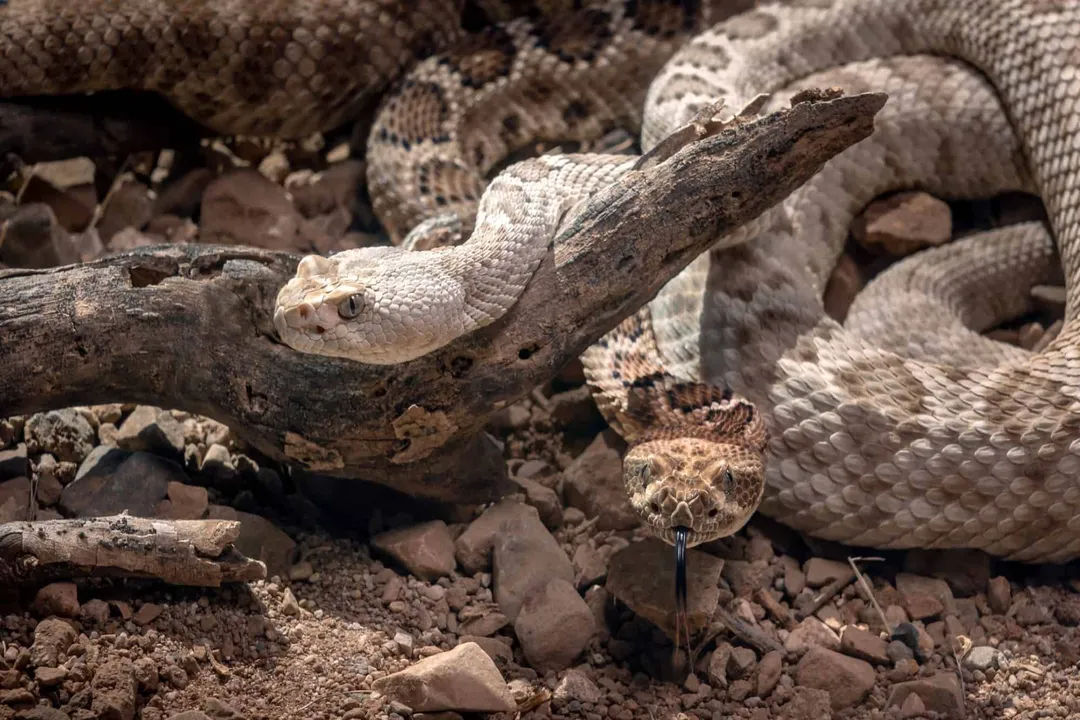
The overall build of a viper tends toward stoutness, which contributes to their ground-dwelling habits. [2][4] When observing specimens across the spectrum, like the massive Gaboon viper, this characteristic is amplified; these snakes can become quite large and substantial. [5] Conversely, species adapted to more arid, open habitats, such as the African Horned Viper (Cerastes cerastes), might appear flatter or lower to the ground, an adaptation that aids in sand traversal and heat management. [8] The robust nature of their bodies often implies that their movement style favors deliberate, efficient locomotion rather than the rapid pursuit seen in more slender snake types. [2] It is worth noting that the thickness relative to length allows for greater venom storage capacity, which is a crucial survival asset in the ecosystem. [5]
# Scales Texture
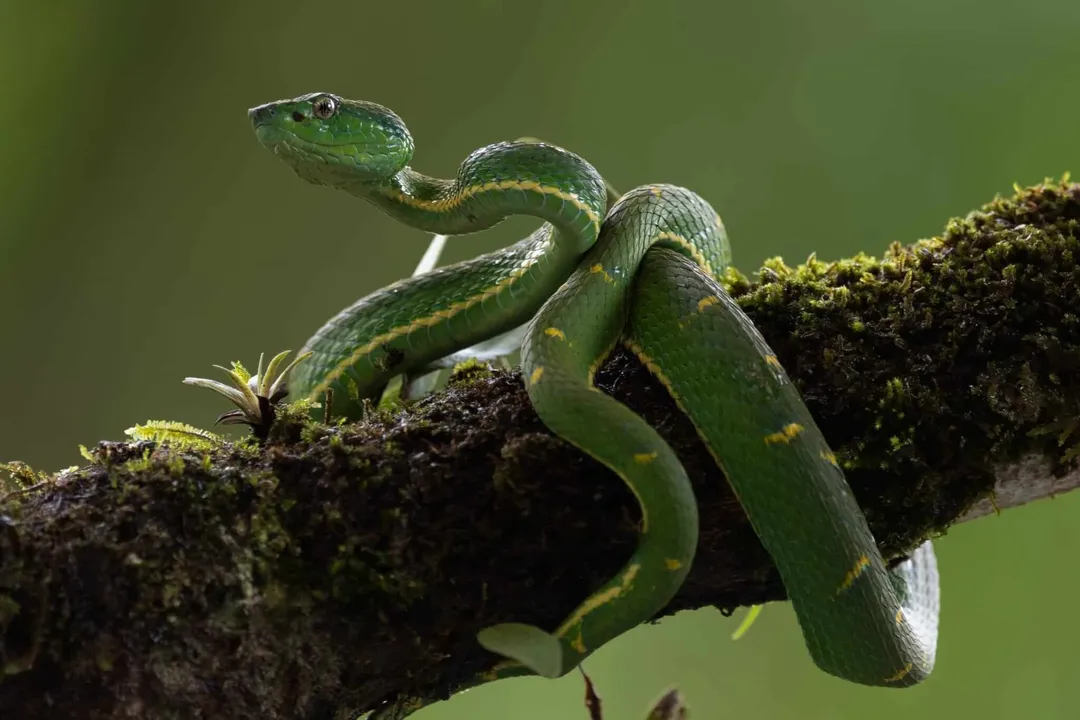
The texture of a viper’s skin, specifically the scales, offers another layer of physical differentiation. In many species, the scales are keeled, meaning they possess a ridge down the center, giving the skin a rough or matte appearance rather than a glossy sheen. [8] This keeling is prominent in desert dwellers like the Horned Viper. [8] However, even within the broader group, variations exist; some pit vipers might display smoother scales depending on their specific lineage and lifestyle. [4][10] The pattern displayed across these scales is often one of nature’s most intricate camouflage designs, using complex geometric shapes, diamonds, or zig-zags. [6] For instance, the Gaboon viper is famous for its intricate, geometric coloration that mimics leaf litter extremely effectively. [5] In contrast, the common European viper, Vipera berus, often displays a distinct dark zig-zag pattern running down its back. [6]
# Specialized Senses
A significant physical characteristic separating pit vipers (subfamily Crotalinae) from the Old World vipers (Viperinae) is the presence of specialized facial pits. [1][4][10] These loreal pits, located between the eye and the nostril, are highly sensitive organs capable of detecting minute changes in infrared radiation, essentially allowing the snake to "see" the heat signature of warm-blooded prey even in total darkness. [4][10] This sensory input is processed by the brain alongside visual data, creating a highly effective predatory mechanism. [4] While pit vipers possess these unique structures, Old World vipers rely more heavily on their traditional senses and body position to locate prey. [1]

# Dentition Apparatus
The defining feature of the entire viper family is their sophisticated venom delivery system. [1] Vipers are vipers because they possess long, hollow, hypodermic-needle-like fangs that are hinged in the upper jaw. [1] These fangs fold back against the roof of the mouth when the mouth is closed, protecting them and allowing the snake to completely close its mouth without impalement. [1] When striking, the upper jaw rotates forward, swinging the fangs into a striking position. [1]
The sheer size of these fangs can be astonishing. The Gaboon viper, for example, holds the record for the longest venomous fangs of any snake species, sometimes exceeding two inches in length. [5] This necessitates a deep gape to inject venom effectively. [5] The venom itself is typically hemotoxic, designed to attack the circulatory system and tissues, though specific compositions vary greatly between species. [2]
# Size and Proportions
Viper species exhibit tremendous size variation, reflecting the diversity of their global distribution. [1] On one end, you have giants like the Gaboon viper, known for its immense bulk and length. [5] On the other end, many European vipers, such as those found in the Dolomites, are comparatively small, seldom exceeding a meter in length. [6] Analyzing these proportions reveals an interesting trade-off: while the massive vipers possess large venom reserves, smaller species, perhaps living in environments with fewer large prey items, prioritize speed and efficiency in their strike and retreat methods. [6]
When considering the tail, it is often described as short relative to the body length in many vipers compared to snakes like cobras or colubrids. [2] In some burrowing or sand-dwelling species, the tail might even be shortened or adapted for specific uses, such as anchoring in loose substrates, though the primary physical characteristic remains the muscular, heavy torso. [8]
# Adaptations for Specific Niches
Looking at the Horned Viper provides a clear example of how physical characteristics become hyper-specialized for local conditions. [8] In addition to the head horns—which are unique appendages made of modified scales that may serve to keep sand out of the eyes or aid in camouflage—this species exhibits strongly keeled scales. [8] This texture prevents sand grains from sliding off, aiding in the snake's characteristic sidewinding motion across dune environments. [8]
In comparison, a European rock viper, living in temperate, rocky outcrops, emphasizes cryptic coloration and a relatively short, thick form that allows it to press tightly against stone surfaces to regulate temperature and remain hidden. [6] The way their heavy bodies are supported by relatively short vertebral columns allows for excellent stability when striking, a feature common across the family. [2] This stability is paramount, as the kinetic strike requires significant muscular force to rapidly deploy the hinged fangs. [1]
#Videos
Smallest, longest and heaviest viper species in the world
Related Questions
#Citations
Viper
Viper | Venomous, Pit Vipers, Rattlesnakes
Vipers are amazing creatures
Facts About Vipers
Gaboon viper - National Zoo
Viper - Guide Dolomiti
Viper Snake - Characteristics, Types, Facts and FAQs
Cerastes cerastes (Desert Horned Viper) | INFORMATION
Smallest, longest and heaviest viper species in the world
Pit Viper Animal Facts