Viper Boa Physical Characteristics
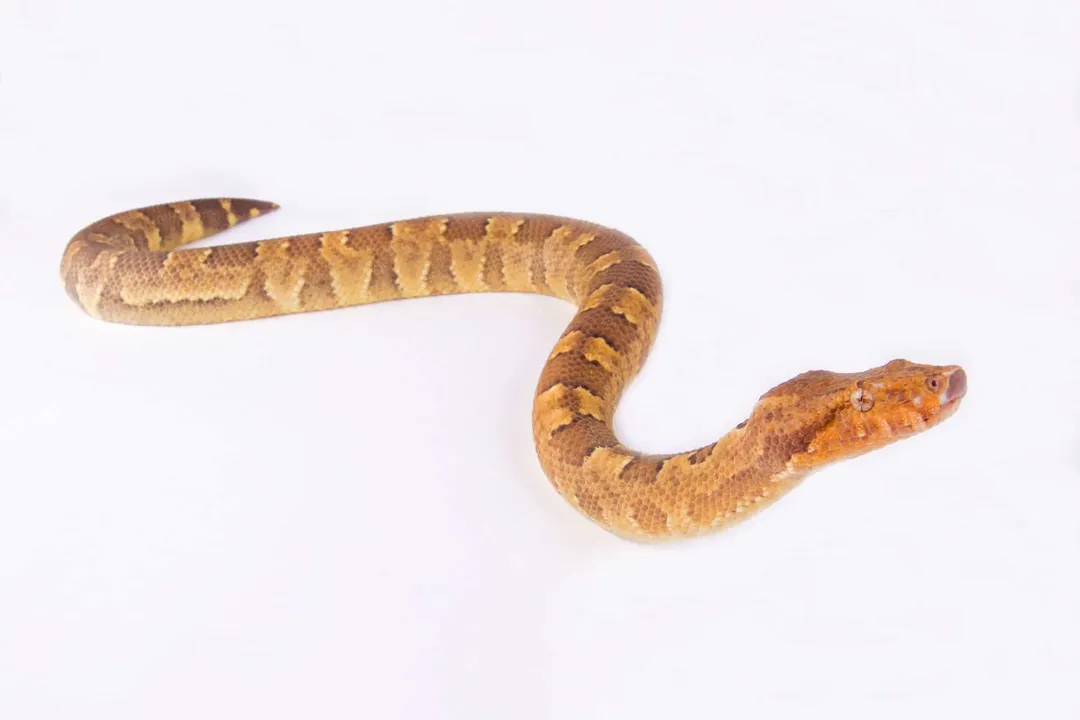
The Candoia aspera, more commonly known to enthusiasts as the Viper Boa or New Guinea ground boa, presents a compelling case study in misleading appearances within the reptile world. Despite the intimidating common name, these snakes are, in fact, nonvenomous constrictors belonging to the Boidae family. Their physical characteristics are so strongly suggestive of dangerous elapids, specifically the Papuan death adder (Acanthophis laevis), that locals sometimes kill them purely out of mistaken identity. Yet, moving past the initial mimicry reveals a snake optimized for a cryptic, ground-dwelling existence in the humid environments of New Guinea and surrounding islands.
# Size and Stature
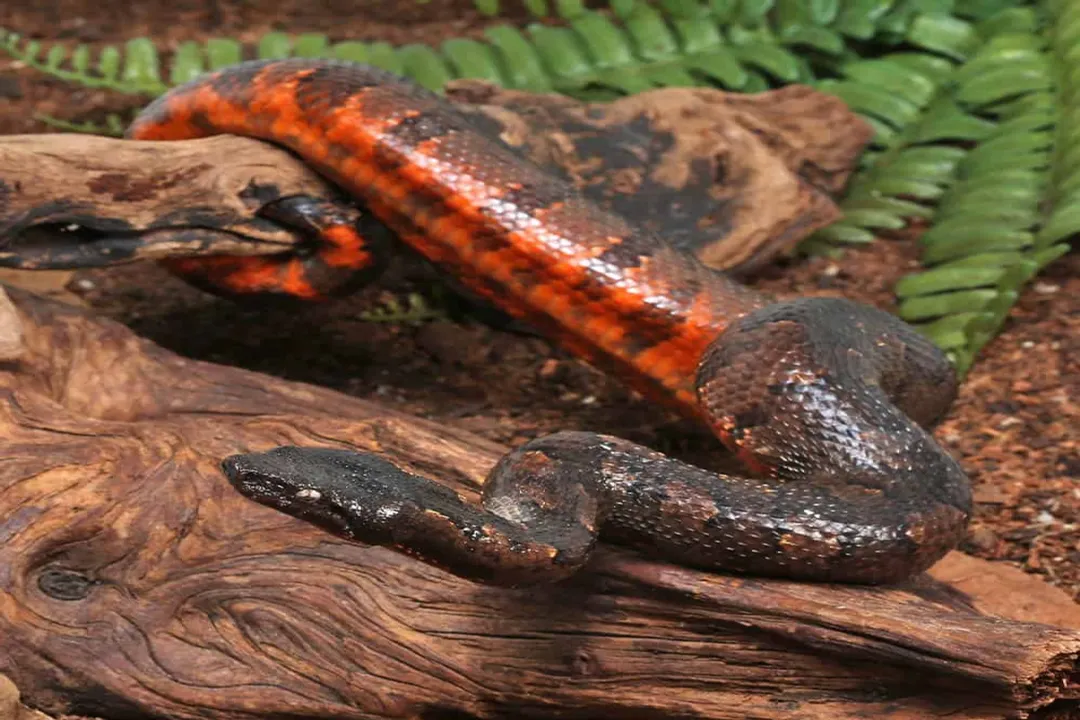
The Viper Boa is classified as a small snake, especially when held up against many other members of the boa family. Most adult specimens encountered in captivity tend to cap out between 2 to 2.5 feet, or approximately 24 to 30 inches in length. While reports confirm that they can reach up to 3 feet (36 inches), these larger individuals are considered exceptional outliers. The description of them as being "small" or having a "small stature" in keeper circles clearly reflects this typical adult range, which remains highly manageable.
A notable aspect of their physical makeup is their build. They are described as being short and stocky, even for a boa, and very heavy-bodied relative to their length. This compact, robust structure contributes to the illusion of bulkiness that might suggest a more formidable serpent.
# Sexual Differences
The species exhibits clear sexual dimorphism, meaning the sexes are visually distinct in size. Females are consistently larger than their male counterparts, which aligns with the need for females to support developing young internally during their gestation period. Beyond size, males possess a distinct physical feature: fairly long, pointed spurs located on either side of the cloaca, a trait often related to the male's role in stimulating the female during mating rituals.
# Scales and Head Morphology
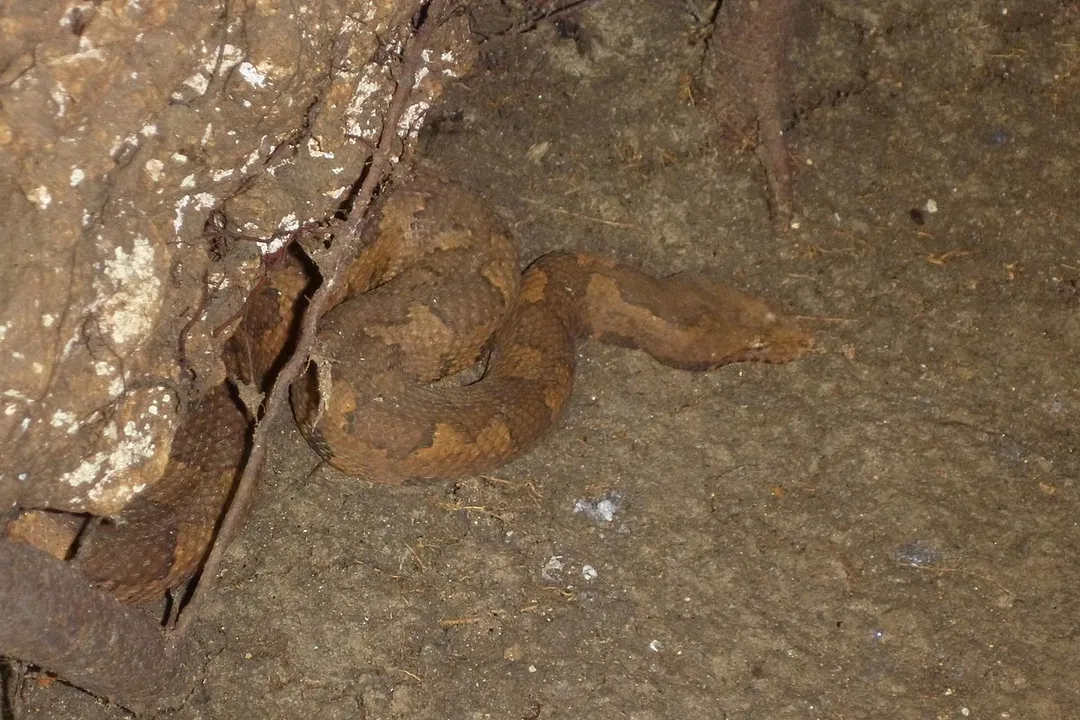
The features that truly earn the Viper Boa its notorious nickname are found in the texture of its skin and the shape of its head, both adaptations that aid in camouflage and terrestrial life.
# Rough Texture
Unlike many smooth-scaled boas, Candoia aspera possesses keeled scales. Keeled scales have a ridge running down the center, giving the snake's skin a rough, almost spiky texture. This characteristic mirrors that of the highly venomous snakes it mimics, adding to the confusion. In fact, the specific part of its scientific name, aspera, is Latin, translating directly to "rough," acknowledging this dominant tactile feature.
# Viper-like Head
The head itself is a specialized tool. It is generally described as a typical triangular boa head, but it is modified significantly. It is relatively flat and sometimes characterized as wedge-shaped. A crucial adaptation for its ground-dwelling, partially fossorial lifestyle is the shape of its snout, which can appear blunted and angular. Some sources note a slight scoop visible from the snout to the eyes. This morphology is perfectly suited for its behavior of burrowing into the leaf litter or moving soil and debris, allowing it to shovel material aside with ease. This combination of the angular head and the rough, keeled scales creates the powerful visual resemblance to a viper.
It is interesting to observe how the snake’s physical structure dictates its primary mode of existence. The keeled scales provide excellent grip and texture for moving through dense ground cover, while the blunted, almost shovel-like snout is a clear indicator that this serpent spends more time under debris than climbing over it, making it strictly terrestrial to semi-fossorial. This physical blueprint is entirely geared toward remaining motionless and cryptic on the forest floor.
# Coloration and Pattern Variation
The skin display of the Viper Boa is remarkably variable, a trait shared with other species like the Amazon tree boa. This variation ensures that individuals can blend into diverse microhabitats across their wide natural range.
# Dorsal Palette
The ground color can span a wide spectrum, including brown, grey, yellow, fawn, red, or nearly black. Overlaid on this base color are darker markings, often described as alternating rectangular dorsal and lateral blotches. These markings are not uniform; sometimes they merge together, presenting a more reticulated or net-like appearance, while in other cases, they present as distinct bars. Because they live in environments with varied leaf litter and ground debris, this natural patterning is critical for their ambush predator strategy.
# The Distinctive Belly
Perhaps the most identifying non-mimicry feature is the underside. The lighter-colored saddle markings on the back typically stop short of the ventral surface. The belly color, or ventral surface, can range from whitish or tan to a striking reddish-orange. This vibrant coloration is what gives rise to one of its specific common names: the Red Belly Viper Boa.
# Tail Tip Functionality
Another significant physical characteristic related to its hunting style is the tail tip. The Viper Boa possesses a lighter colored tail tip, which it deploys in a behavior known as caudal luring. While remaining motionless and hidden within the leaf litter, the snake subtly wiggles this light-colored tip. This movement can attract small prey, such as rodents or amphibians, close enough to be quickly snatched up. This physical tool transforms its otherwise lethargic nature—sometimes earning it the nickname "lazy snake"—into an effective ambush strategy.
# Summary of Key Visual Traits
For quick reference, keepers and enthusiasts can use the following set of features to correctly identify a Candoia aspera, separating it from true vipers or other ground dwellers:
| Feature | Description | Significance/Context |
|---|---|---|
| Size | Typically 24–30 inches; maxing around 3 feet. | Manageable size for keepers; females larger than males. |
| Scales | Rough and distinctly keeled (ridged). | Primary component of viper mimicry. |
| Head Shape | Blunted, angular, wedge-shaped with a slightly scooped snout. | Adaptation for semi-fossorial burrowing behavior. |
| Color | Highly variable ground colors (browns, reds, blacks) with dark blotches. | Cryptic camouflage for leaf litter habitats. |
| Ventral Surface | Whitish, tan, or distinct reddish-orange. | Source of the "Red Belly" common name. |
| Tail | Lighter colored tip used for caudal luring. | Physical mechanism for attracting prey while stationary. |
When an animal’s morphology is so specialized—heavy body, rough scales, scooped head, and a specialized tail lure—it speaks volumes about its ecological niche. The Candoia aspera is a snake that has physically evolved to disappear into the forest floor of Oceania, adopting the alarming look of danger while relying on stillness and subtle movement to secure its next meal of bandicoots or frogs. While wild-caught individuals sometimes display poor attitudes due to stress and parasites, a captive-bred specimen that is acclimated to handling can be a rewarding display animal for an experienced keeper, showing off its unique blend of defensive bluff and physical specialization. Even its lifespan suggests a creature built for longevity, potentially reaching 20 years or more in a stable captive environment, far exceeding the likely 10–15 years in the wild.
Related Questions
#Citations
Viper Boa - Candoia aspera - A-Z Animals
Viper Boa Care Sheet | Dubia.com
Candoia aspera - Wikipedia
[PDF] New Guinea Ground/Viper Boa (Candoia aspera)
Red belly viper boa (Candoia aspera) care guide - Grimoire Exotics