What are the two main categories of high-fat prey targeted by adult white sharks exceeding 3 meters?
Answer
Pinnipeds and cetaceans
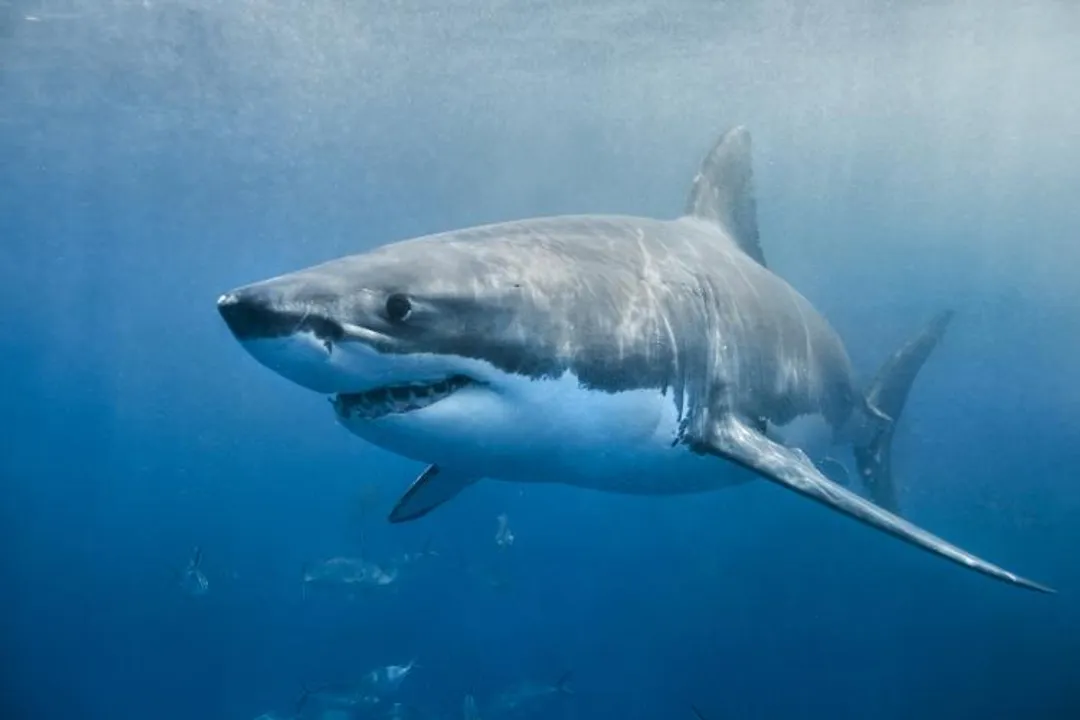
Once a great white shark matures past approximately 3 meters (9.8 feet), it develops the necessary size and jaw strength, including fully serrated teeth, to effectively target large, energy-rich prey. The primary categories of food sources sought by adults are marine mammals due to their high-fat content, which is crucial fuel for their immense bodies and long migratory journeys. These two categories are explicitly identified as pinnipeds (which include seals and sea lions) and cetaceans (which include dolphins and small whales). These fatty meals provide superior caloric return compared to smaller fish or cephalopods consumed earlier in life.
Related Questions
What staple prey item is documented for very young white sharks off Southern California?What are the two main categories of high-fat prey targeted by adult white sharks exceeding 3 meters?What dramatic hunting strategy is often employed off the coast of South Africa when targeting seals?What capability development allows white sharks to incorporate marine mammals without ceasing fish consumption?What unusual physical evidence was found embedded in the jaws of a large female shark off western North America?What dominated the stomach contents of juvenile sharks studied off the east Australian coast?What is the primary energetic advantage for an adult white shark feeding on whale carcasses?What sensory mechanism appears to be used by sharks to selectively assess caloric content in carrion?Why do observers from above often witness only a fraction of the feeding ecology of white sharks?What specific change occurs to the third upper lateral tooth in maturing male white sharks?