In outdoor ecosystems, what classification describes the role of yellow sac spiders regarding their feeding habits?
Answer
Secondary consumers
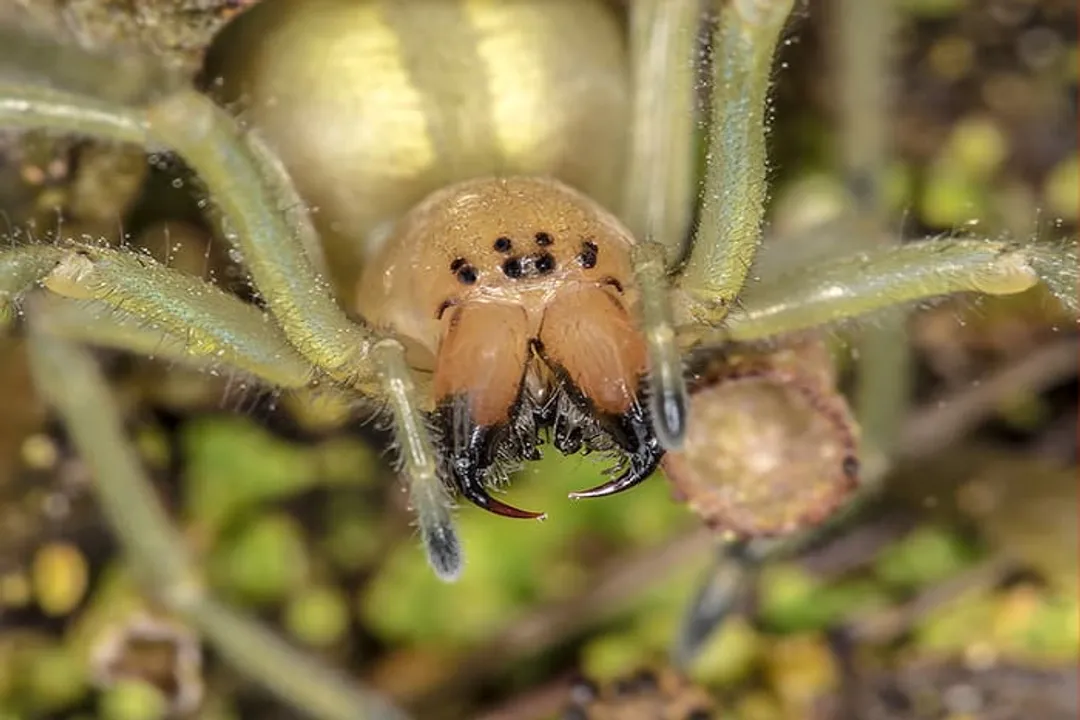
When considering the yellow sac spider's place in the outdoor food web, they are classified as secondary consumers. This classification means that their primary energy source comes from consuming organisms that feed on primary producers (like plants). Since their diet is largely composed of herbivores—such as leafhoppers, fleahoppers, and other small pest invertebrates that feed on plant matter—they occupy the trophic level above those primary consumers. This positioning makes them valuable anti-pest predators whose activities help maintain ecological balance by keeping populations of certain agricultural pests in check.
Related Questions
What hunting strategy defines Cheiracanthium inclusum instead of using a static snare web?What physiological benefit does nectar consumption provide to the yellow sac spider?Under what primary condition do yellow sac spiders resort to cannibalism or consuming their own egg sacs?What is the immediate effect of the cytotoxic venom injected by the yellow sac spider during a strike?Which agricultural pest is specifically cited as prey for C. inclusum in fields like cotton fields?Besides insects like leafhoppers, what other type of animal matter is mentioned in the yellow sac spider's diet?Where do yellow sac spiders spend their daylight hours while waiting for nighttime hunting?After striking prey with cytotoxic venom, how does the yellow sac spider consume the immobilized victim?In outdoor ecosystems, what classification describes the role of yellow sac spiders regarding their feeding habits?Despite primarily being defined as carnivores, what supplementary food source does Cheiracanthium inclusum incorporate for fitness gains?