Bluebirds habituate to human presence near feeders or nests primarily because of what learned association?
Answer
Association with a resource or safe nesting spot.
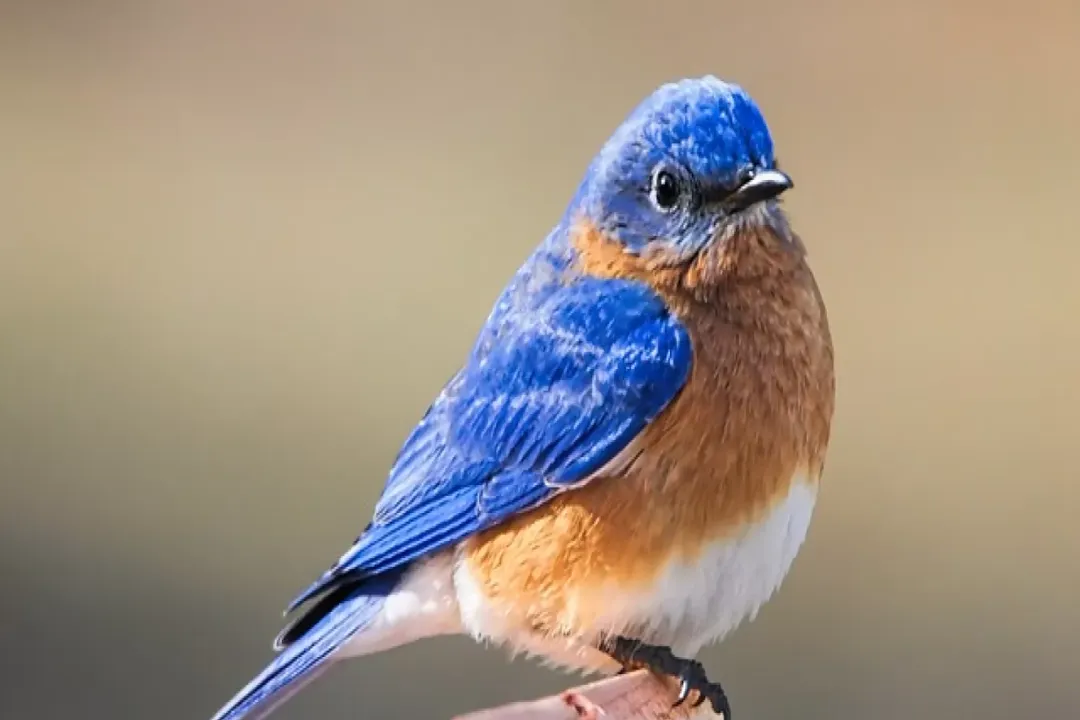
The habituation allowing observers close proximity stems from the bluebirds learning to associate specific people with reliable resources like food or a safe nesting location, rather than an inherent need for companionship.
Related Questions
Where is the greatest evidence for bluebird approachability often found?Bluebirds habituate to human presence near feeders or nests primarily because of what learned association?During which specific period is the territoriality of Eastern Bluebirds extremely high?Which aggressive actions might Eastern Bluebirds display towards people approaching a nesting cavity too closely?What characteristic complicates the assessment of Eastern Bluebird friendliness towards humans?What is the helpful distinction made between *boldness* and *tolerance* in bluebirds?What action is recommended when approaching a nest box slowly to allow parent birds to recognize the sound as non-threatening?What is often directly attributed as the reason for the bluebird’s success in certain managed areas?When observing a bluebird in May near a cavity, what behavior indicates that you have violated their nesting space?What is the primary goal when successfully coexisting with Eastern Bluebirds, rather than making them "friendly"?Experienced bluebird landlords should recognize which subtle behaviors as signs of stress in nesting parents?