Are Mudi dogs friendly?
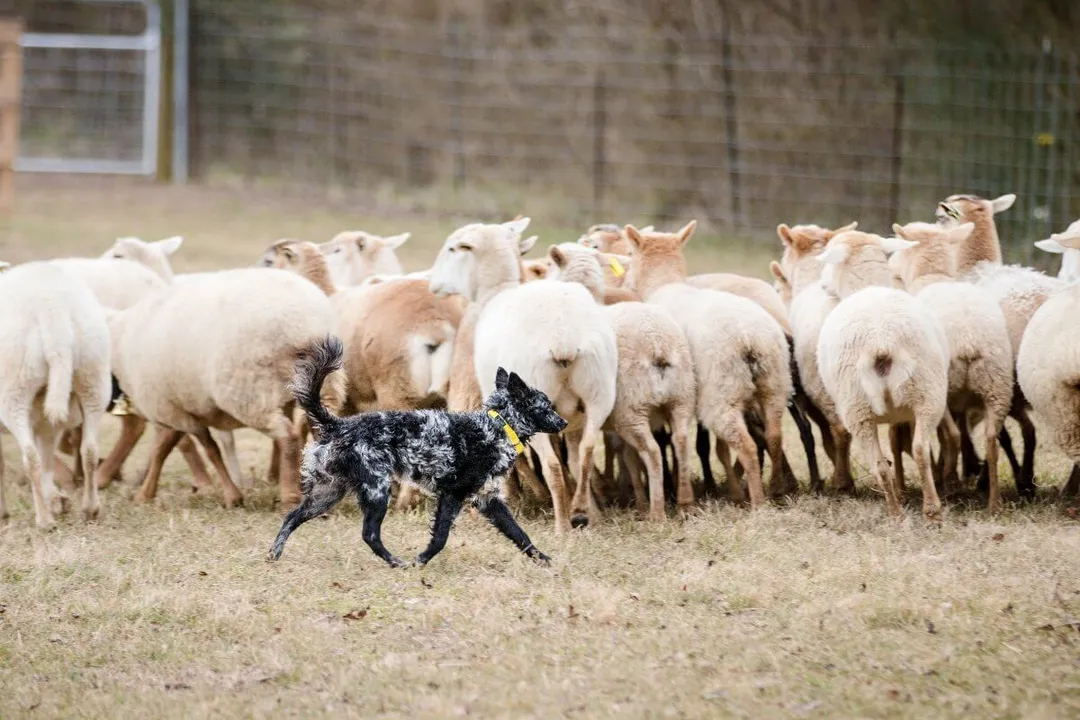
The Mudi, a rare Hungarian herding dog, often prompts questions about their sociability due to their intense working background. Answering whether they are "friendly" requires looking beyond a simple yes or no, as their demeanor is deeply rooted in their purpose: to be a versatile, alert, and courageous farm hand. This breed, which evolved naturally from crosses involving the Puli, Pumi, and German Spitz, carries instincts that shape how they approach almost everything in their environment.
# Family Affection

For their immediate family, Mudis are typically described as deeply affectionate, loving, and gentle companions. They thrive when they are integrated into family life rather than relegated to the backyard, as they prefer to be close to their people. This bond is strong, leading some owners to note that the Mudi can make you feel like the center of their universe. This loyalty is a hallmark of the breed, making them excellent companions for those who understand their intensity and dedication. While they possess an independent streak—capable of handling their own flock, so to speak—their preference is usually to remain near their trusted humans, often displaying a relaxed and calm energy indoors once their exercise needs are met.
# Stranger Reserve
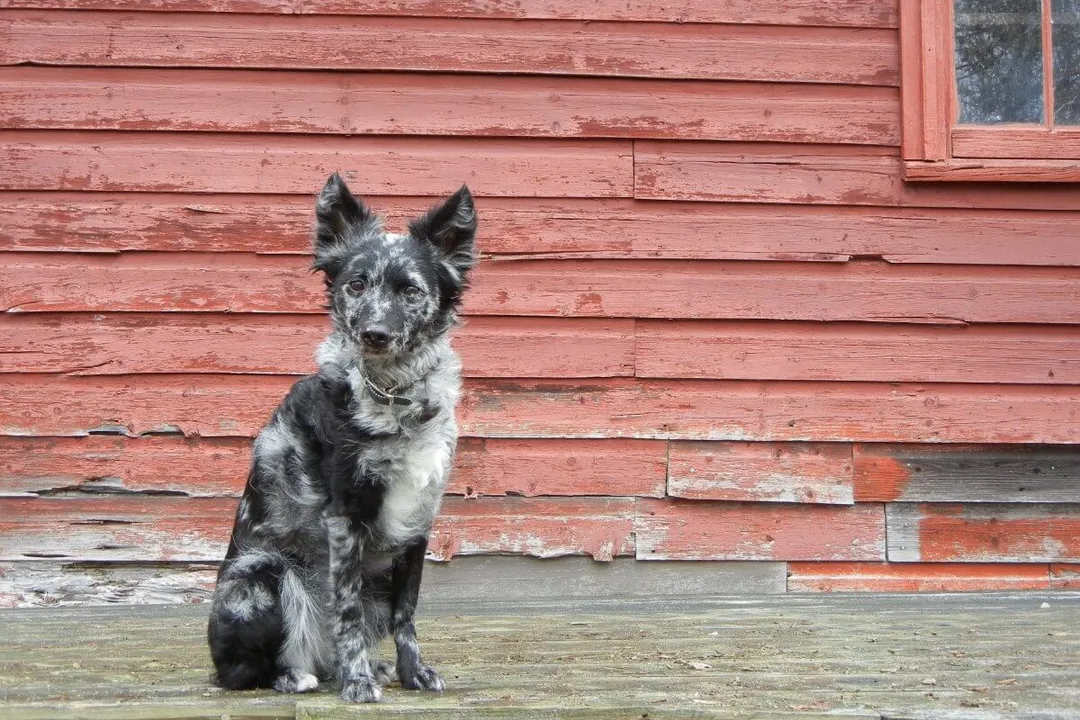
When it comes to newcomers, the Mudi is rarely the dog that rushes the gate with immediate, unqualified enthusiasm. Their historical role as an alert required them to be sensibly suspicious. They were bred to guard property and alert larger guardians, which naturally translates into a reserved or cautious approach when encountering unfamiliar people. It is a common characteristic among many herding breeds to hold back initial judgment, and the Mudi is no exception. The average Mudi will assess a stranger rather than instantly showering them with affection; they are not typically exuberant upon first meeting someone new. This wariness of strangers is a key trait for those considering the breed, as it necessitates consistent, early, and wide-ranging socialization to ensure they develop into confident adults, rather than insecure ones who might mask uncertainty with gruffness or aggression.
A comparison here is useful: unlike a breed bred primarily for geniality, such as a Labrador Retriever, whose friendliness is often immediate and broad, the Mudi's friendliness is earned through trust built over time with their inner circle. One owner noted that their Mudi, despite proper early socialization, still remained unsure of itself around new people, highlighting that while most recover quickly from caution, individual temperament varies.

# Pet Integration
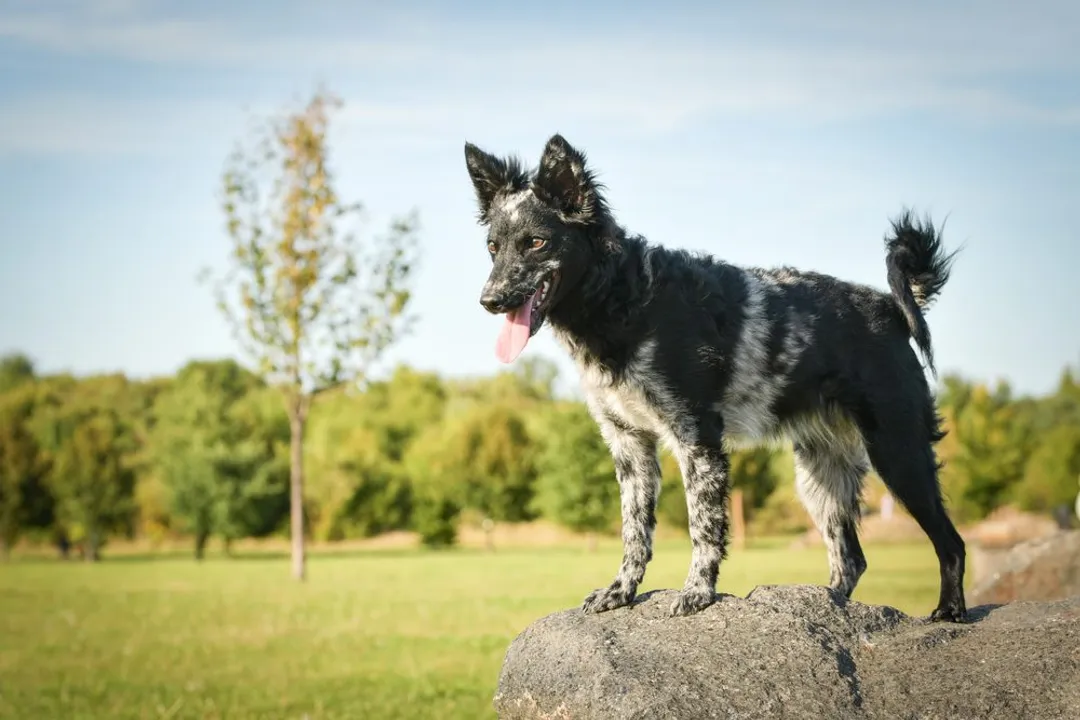
The Mudi’s sociability extends cautiously to other animals. They can coexist well with children and other household pets, provided they are exposed to them consistently from puppyhood. Because they are herding dogs, they are often naturally inclined to get along with larger livestock, and they don't always carry an overwhelming prey drive, which aids coexistence with smaller pets like cats or guinea pigs. However, owners must be prepared for their strong herding instincts to manifest—a Mudi mix, for instance, might try to herd kittens. If introductions are not managed carefully, or if socialization is lacking, issues can arise. Some sources caution that Mudis are not recommended with young children or other dogs without proper, early integration, and some lines can display obstinacy or dog-against-dog aggression, especially during adolescence.
# Courage and Vigilance
The Mudi is frequently described with words like courageous, alert, active, and even scrappy. They are powerful dogs, historically capable of driving stubborn livestock and even confronting wild boar. This inherent fearlessness means they are excellent watchdogs, ready to defend their property and family. This vigilance is a desirable trait for property security, but it requires careful management to ensure it remains a "warning bark" rather than uncontrolled reactivity or territoriality. The Mudi's "work ethic" applies to everything they do, including exhibiting behavior; thus, any tendency toward guarding or pushiness must be addressed decisively and kindly.

# Temperament and Training Synergy
The Mudi's temperament is inextricably linked to how their high energy and intelligence are channeled. They are very easy to train because they are eager to please and highly intelligent, learning quickly—sometimes faster than a Border Collie. This trainability, however, is conditional: they are sensitive to harsh correction and dominance-based methods, learning best when the owner and dog function as a trusting team using positive reinforcement. They do not respond well to repetition and prefer short, engaging training sessions.
This leads to a critical point regarding their behavior: an under-exercised Mudi is a mischievous Mudi. They need 1 to 2 hours of daily physical activity and mental stimulation to prevent them from finding their own "projects," which might include excessive digging or jumping fences, leveraging their extraordinary jumping ability.
To help prospective owners structure the intense requirements that shape a friendly Mudi disposition, here is a simple guide synthesizing the necessary inputs:
| Requirement Area | Target/Goal | Owner Implication |
|---|---|---|
| Socialization | Exposure to new people, places, and dogs early and often. | Must be proactive; do not assume they will "grow out of" shyness. |
| Exercise | Minimum 1-2 hours daily of vigorous activity (running, sports). | Requires an active lifestyle or secure, large yard access. |
| Training Style | Positive reinforcement; consistent guidance. | Must avoid heavy-handed, dominant, or overly repetitive methods. |
| Vocalization | Training the "quiet" command. | Necessary, especially for apartment living, due to barking propensity. |
# Social Prescription
Success with a Mudi is largely determined by managing their instinctual drives through proactive engagement. One way to ensure their reserved nature matures into confident loyalty, rather than insecurity, is by following a focused socialization prescription during their formative months. This isn't just about meeting people; it's about positive exposure in controlled settings. For example, instead of just walking past a construction site, take the time to let the puppy observe the noise and movement from a safe distance, rewarding calmness. Similarly, when introducing them to other dogs, pair the introduction with a fun activity, like a game of fetch, which associates the presence of the other dog with a positive reward from you, their handler. This proactive approach helps channel their "terrier-like enthusiasm" into constructive outlets. Remember that puppy tantrums when acclimating to a new home are not uncommon, and owners should prepare for vocalizing sessions, offering support instead of harsh reprimands during these adjustment periods.
In summary, the Mudi is friendly toward those they love, but their definition of "friend" is generally exclusive, prioritizing their family unit. They are intelligent partners who demand a commitment to their high physical and mental needs. For the dedicated, active owner willing to invest heavily in early, consistent, and positive socialization and training, the Mudi transforms from a cautious watchdog into a loyal, playful, and highly capable companion.
Related Questions
#Citations
Mudi - Dog Breed Information - American Kennel Club
[Breeds] Anyone own/ have experience with a Hungarian Mudi?
Frequently Asked Questions - Mudi Club Of America
Everything about the Mudi: health, education, costs - Weenect
Another Hungarian Breed, the Mudi | Dog Trick Academy Forum
Mudi: Dog Breed Characteristics & Care - The Spruce Pets
Mudi: Your Complete Guide - Dog Academy
Mudi Dog Breed and Characteristics - Showsight Magazine