Zokor Locations
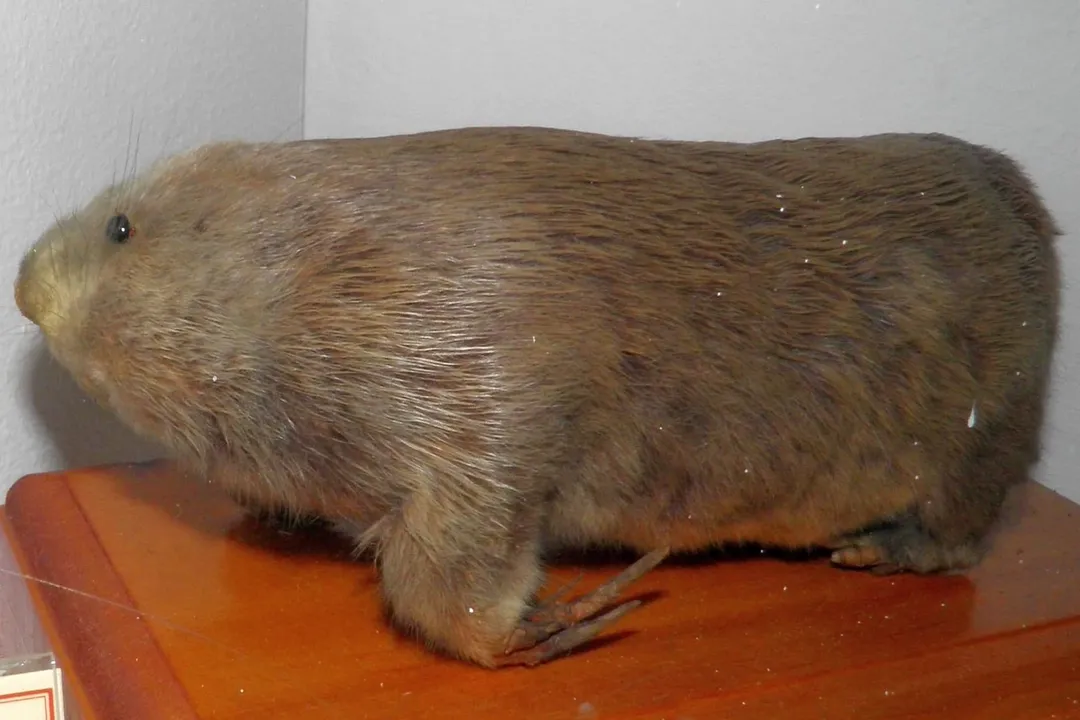
The term "Zokor" carries meaning in two distinctly different realms: the study of zoology and the pursuit of high-level achievement in specific online games. To discuss Zokor locations comprehensively requires mapping out both the physical geography occupied by the actual animal and the intricate, layered environments created within the MouseHunt virtual world. The convergence of these distinct meanings under a single name presents an interesting study in context dependency.
# Animal Distribution
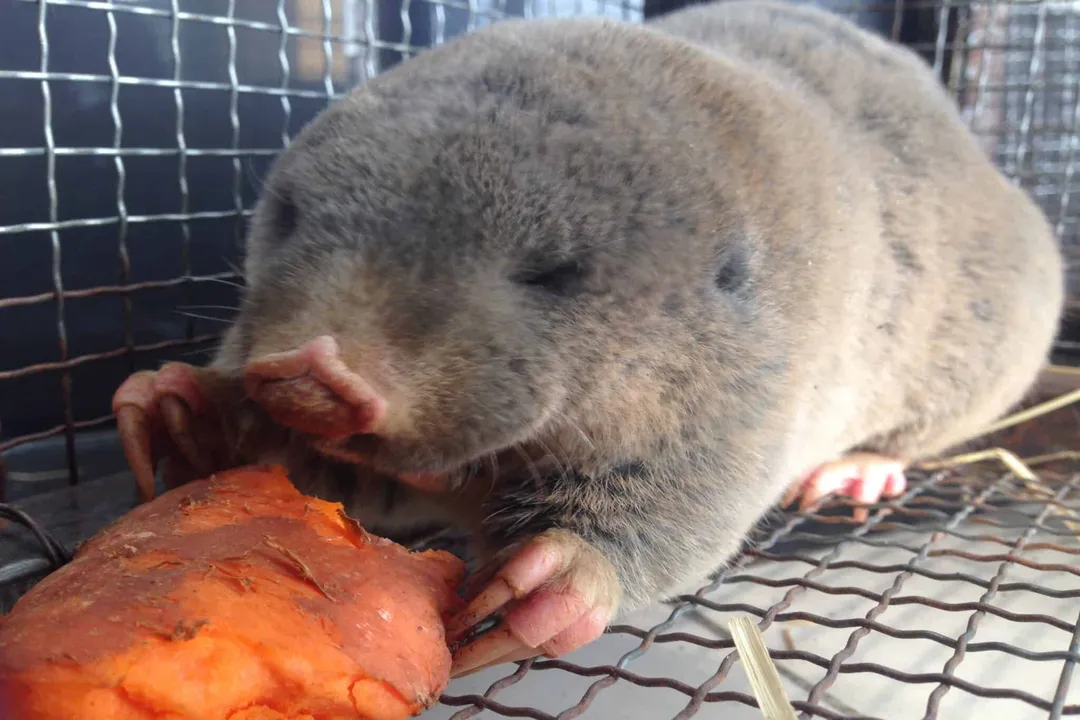
When referring to the biological Zokor, one is referencing the subfamily Myospalacinae, which includes the species known by this name. These are fascinating fossorial rodents, sometimes referred to as "root rats" or similar vernacular terms, known for their subterranean existence. Their physical locations are geographically constrained, predominantly found across Asia.
The established range for the Zokor family is spread across East Asia, reaching into parts of Central Asia. Specifically, their distribution maps cover areas within China, Russia, Mongolia, and extending into parts of Central Asia like Kazakhstan. Analyzing fossil records alongside current sightings reveals a complex dispersal pattern, suggesting that while they are endemic to specific regions now, their historical presence might have covered a broader sweep of the continent.
| Country/Region | Zokor Presence Status | Primary Habitat Type |
|---|---|---|
| East Asia (China, Russia) | Confirmed Current Distribution | Grasslands, steppes, agricultural lands |
| Central Asia | Current and Fossil Evidence | Arid and semi-arid zones |
| Southern Asia | Limited/Fossil Evidence Only | Varies based on specific species |
The habitat preference for these animals strongly dictates their location. They favor areas with deep, pliable soil suitable for constructing their extensive burrow systems. These complex underground networks are the true "location" of the Zokor, providing safety, food storage, and shelter from the surface environment. The specific type of vegetation or soil composition in these locales is critical for their survival, making their geographical presence tied directly to local geology and climate patterns.
# Game Zones
In the context of the game MouseHunt, the Zokor locations refer to a distinct progression path within the game's map structure, specifically the Labyrinth and the City of Zokor. These areas represent an advanced stage of mouse hunting that requires specific preparations and tools to navigate successfully.
The initial gateway to this complex is the Labyrinth, a network of tunnels that serves as an entrance zone. To gain access to the full area, hunters must often possess or have crafted specific equipment, such as a Zokor entry item. The design of this location emphasizes navigation and resource management, typical of a high-tier zone in the game.
Advancing further leads to the City of Zokor, which represents the deeper, more challenging section of this virtual locale. Progression here is gated by successfully collecting specific items, often referred to as Relics, which are tied to different sections within the Labyrinth and City itself. For instance, gathering the Lost Relics is essential for opening pathways or gaining access to subsequent areas or resources within the Zokor structure. The City of Zokor is less about simple mouse catching and more about a targeted farming or retrieval mission to acquire the necessary components for further advancement in the game overall.
# Real Versus Digital
A fascinating juxtaposition arises when comparing the true geographical spread of the Myospalacinae with the linear, progression-based layout of the game zones. The actual Zokor's location is dictated by natural factors—soil quality, climate, and vegetation across vast tracts of Asia. Its adaptation is ecological, focusing on subterranean survival.
Conversely, the digital Zokor's location is purely artificial, designed as a series of gated challenges within a digital map. The "location" is defined not by latitude and longitude but by the hunter's inventory and accumulated knowledge of the required sequence for unlocking the next zone or obtaining the next crucial Relic.
Consider the concept of depth. For the real animal, depth relates to the physical effort required to dig and the geological stability of the soil layer. For the game hunter, "depth" in the City of Zokor translates to the level of investment—in terms of time, rare resources, and specialized traps—needed to effectively hunt the mice found there. A practical observation here is that while real-world Zokors might occupy an area for generations based on resource availability, a MouseHunt player's tenure in the City of Zokor is typically short and intense, concluding once the necessary Relics or high-value mice have been successfully secured for their strategic value elsewhere in the game. The digital zone is a necessary hurdle, whereas the biological habitat is a permanent home.
# Navigating The Labyrinth
Successfully moving through the Labyrinth section of the game location requires a specific mindset centered on preparation, a concept that contrasts sharply with the unpredictable nature of finding a wild Zokor burrow. Hunters entering this area should view it as a targeted farming assignment rather than a general hunting ground.
The necessary tools for efficient operation in these zones are key to minimizing wasted time. Since the goal is often to secure specific Relics to unlock the City of Zokor, focusing all available resources on hunting the mice that drop these items becomes the priority. This means the location's utility—what you are hunting for—overrides the location's difficulty in the early stages of engagement.
For instance, if a specific Relic is needed to proceed, a hunter might temporarily swap out a high-power setup for a setup better suited to the environment's native mice if that mouse has a higher drop rate for the required item. This strategic adaptation to the location's internal economies is what defines mastery here. If a player attempts to treat the Labyrinth as a standard zone, focusing only on maximum trap strength without regard for Relic acquisition, they will find themselves stalled indefinitely, unable to unlock the subsequent City area.

# City Progression Factors
The City of Zokor demands even more focused effort, as the challenges scale up significantly. The sources indicate that this area is tied closely to the acquisition of various Lost Relics, which act as keys to deeper sections or better opportunities. This structure implies that players must treat the City not as a single location but as a series of interconnected micro-locations, each potentially guarding a different component required for overall progression.
When analyzing the demands of the City, it becomes clear that item preparation might be more crucial than sheer hunting power, especially early on. If a player rushes into the City without the correct set of Relics or preparatory gear, they risk burning through valuable supplies against tough opponents without making meaningful progress toward the zone's true objectives. A helpful approach, derived from understanding these gating mechanics, is to establish a clear checklist of required Relics before committing heavily to long hunting sessions in the City. Cross-referencing which specific mice in the Labyrinth or City drop which Relic allows for an extremely efficient path, treating the location as a resource node to be tapped systematically rather than a territory to be conquered all at once. This contrasts with the biological Zokor, whose location management is purely instinctive and tied to immediate resource availability like soil moisture or root proximity.
# Synthesizing Location Data
Whether observing the distribution of the mole-rat across the steppes of Asia or tracking a mouse hunter through the digital tunnels of the Labyrinth, the concept of "location" is intrinsically linked to survival and success. For the animal, it is a static set of environmental parameters that must be met for long-term existence. For the game player, it is a dynamic series of nodes that must be cleared in sequence to unlock the next stage of the game.
The biological locations offer a lesson in endurance; the animal remains in a suitable area for its entire lifespan, adapting its behavior to fluctuations within that established range. The game locations, however, promote transience; once the necessary objectives within the City of Zokor are met, the hunter is expected to move on, treating that zone as a completed task rather than a final destination. This difference highlights how the concept of a "location" changes based on the underlying purpose—biological perpetuation versus digital achievement. The geological features influencing the real Zokor’s burrow stability are analogue to the structural prerequisites (Relics, tools) demanded by the game’s architecture. Both systems reward deep understanding of the local constraints.
Related Questions
#Citations
Zokor - MHWiki
The MouseHunt Syllabus - Labrinth & Zokor - Part 1 (Understanding ...
4. Labyrinth & City of Zokor | MozKa's Definitive MouseHunt Guide
Labyrinth/Zokor - Tools and Where to Use Them : r/mousehunt - Reddit
Myospalacinae (zokors) | INFORMATION - Animal Diversity Web
Zokor | Burrowing, Nocturnal & Endemic Species | Britannica
Zokor Animal Facts - A-Z Animals
Current distribution of zokors and the locations where zokor fossils...