Zebrafish Facts
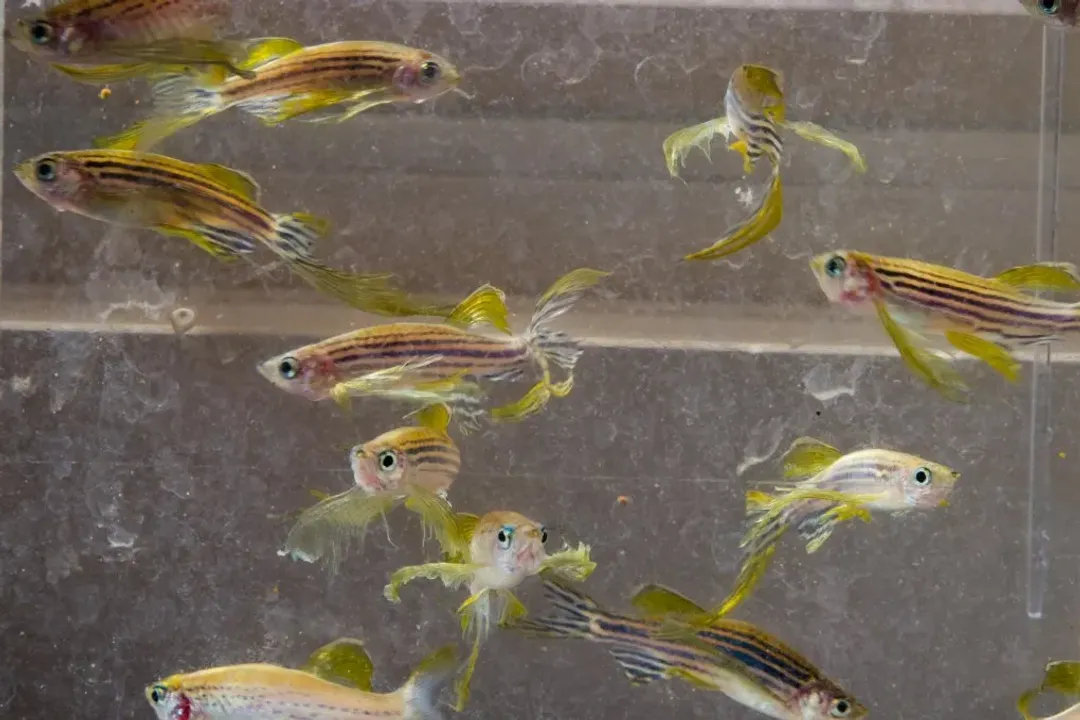
The small, striped fish often seen gliding around home aquariums is far more significant to science than its size suggests. Known formally as Danio rerio, [2] the zebrafish is a powerful model organism whose biology offers crucial insights into human health and development. [4][6] These tiny inhabitants of freshwater ecosystems have become indispensable tools in laboratories worldwide, helping researchers decode complex biological processes. [7]
# Basic Biology
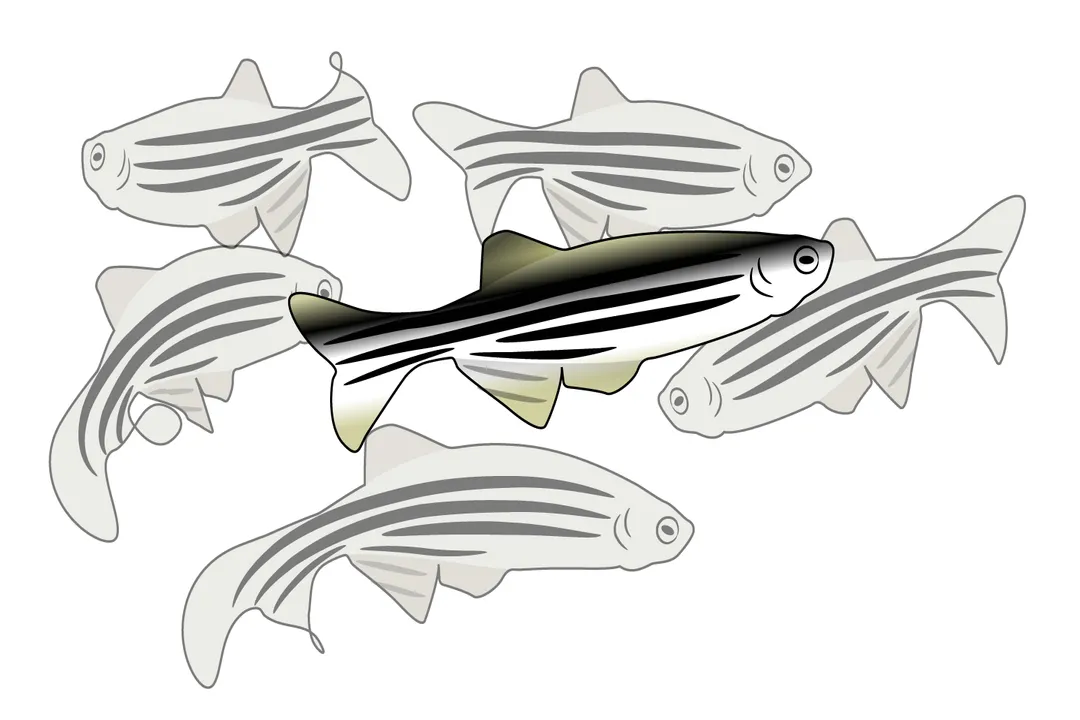
The common name, "zebrafish," is derived from the distinctive dark horizontal stripes that run along their silvery bodies. [3] In their natural setting, these small fish typically grow to about 2 inches in length. [3][7] They are part of the carp family, although they are not closely related to common carp. [2] The zebrafish is an oviparous species, meaning it reproduces by laying eggs. [1]
While their appearance is striking, their utility in a laboratory setting often relies on traits that aren't visible to the naked eye or are related to their life cycle speed. For instance, where a larger, more complex model might require several months to display a full developmental cycle or show a response to a treatment, a zebrafish can achieve sexual maturity relatively quickly, sometimes in just a few months. [1] This speed is invaluable for longitudinal studies or tracking generational changes. The sheer volume of offspring they produce is also a major advantage; a single female can lay hundreds of eggs in one spawning session. [1][7]
# Origins Habitat
The wild ancestors of laboratory zebrafish hail from South Asia. [2][3] Specifically, they are native to the waters found in countries such as India, Pakistan, Nepal, and Bangladesh. [2][3] These fish are not deep-water dwellers; they naturally inhabit shallow, slow-moving streams, ditches, and rice paddies. [2] This natural habitat influences their hardiness, as they are generally quite adaptable to varied water conditions in controlled settings. [1]

# Model Organism
The reason this specific small fish has earned such prominence in biological research hinges on several key biological characteristics that make it an excellent proxy for studying human physiology. [6][8] One of the most profound connections is genetic: zebrafish share approximately 70% of their genes with humans. [6] Furthermore, research has shown that about 84% of the genes known to be associated with human diseases have a counterpart, or homolog, in the zebrafish genome. [6] This high degree of genetic similarity allows researchers to study the mechanisms behind human conditions using a much simpler system. [4]
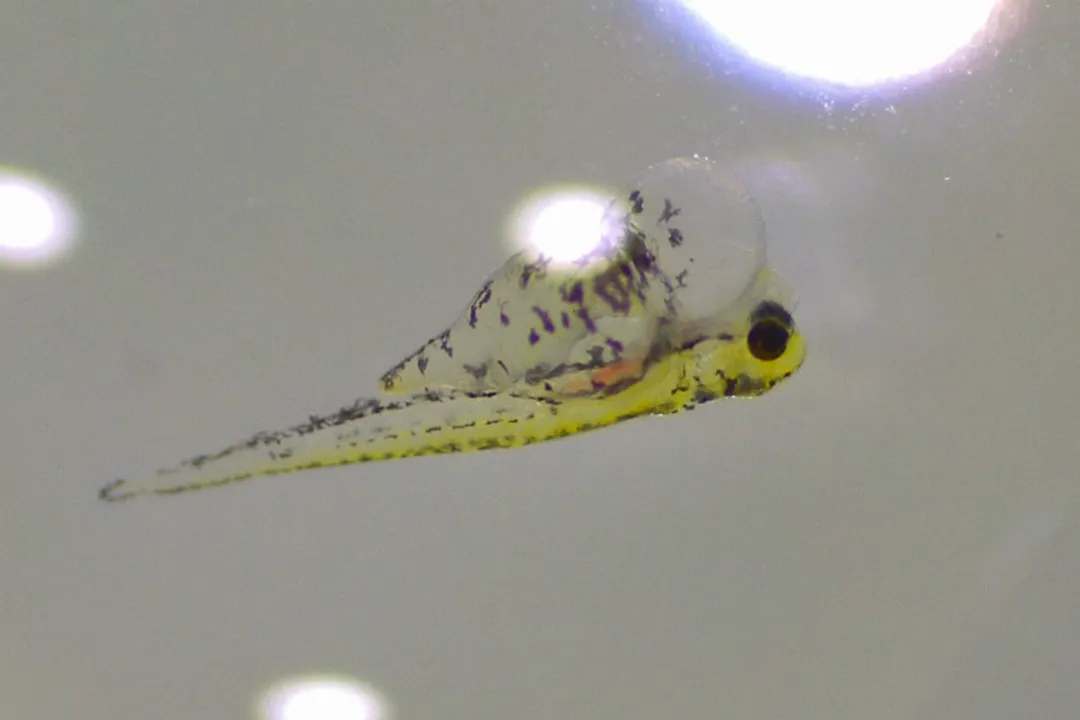
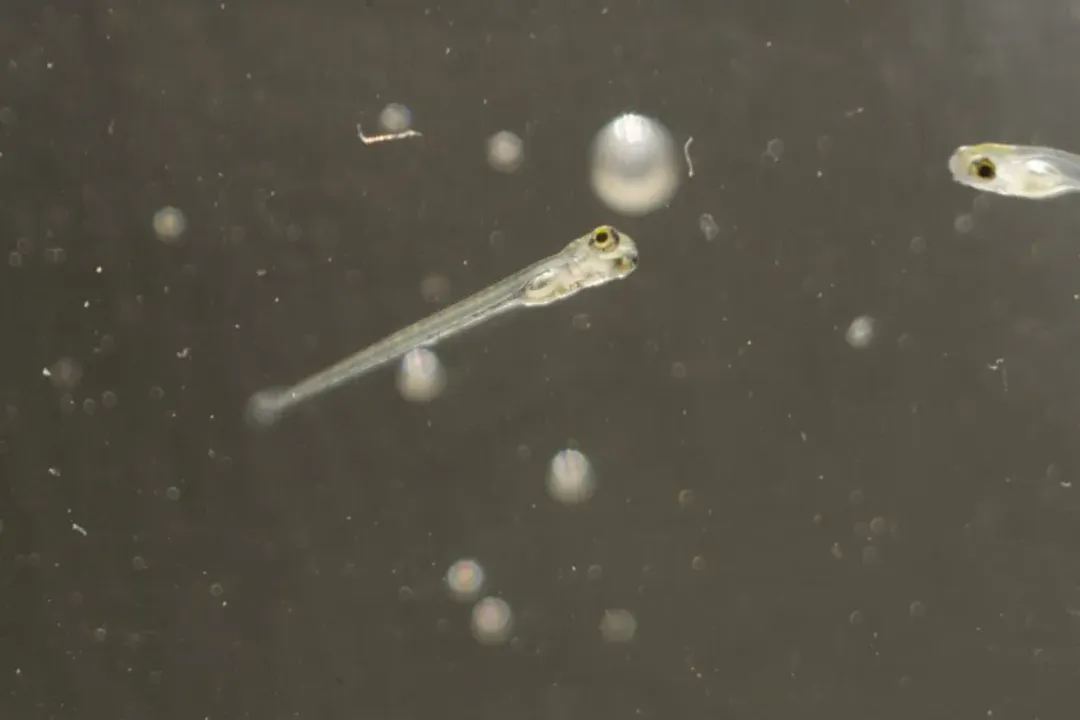
The physical advantages are just as compelling. Zebrafish embryos are transparent for the first few days of life. [6] This transparency is extraordinary because it allows scientists to watch, in real-time and without invasive procedures, the development of internal organs, including the heart, brain, and blood vessels. [6] This allows for direct visualization of disease progression or the effects of a drug on developing tissues. [7]
# Transparent Development
The entire process of early development in the zebrafish occurs externally, meaning the eggs are laid and the embryonic development happens outside the mother's body. [1] This characteristic, combined with the speed of their development, is a significant factor in their adoption as a standard research model. [7] Within just a few days, the embryo develops a functioning circulatory system and a beating heart. [1]
Beyond just viewing development, the zebrafish possesses remarkable regenerative capabilities. If a zebrafish loses a fin, it can regrow it perfectly. [6] Scientists are keenly interested in this feature because humans cannot regenerate complex tissues like fins or significant portions of major organs. Zebrafish can also repair damage to tissues such as the heart, pancreas, and even parts of the brain. [6][8] By studying how the zebrafish body heals itself, researchers hope to discover pathways that could eventually be activated in humans to treat injuries or degenerative conditions. [6]

# Laboratory Needs
When keeping zebrafish for scientific study, or even for dedicated aquarists, standardized care is critical to ensure reliable experimental outcomes. [1] They are social creatures and prefer to be kept in groups, often with a ratio favoring females. [1] Water temperature is a key environmental factor; they thrive best in temperatures generally falling between 75 and 80 degrees Fahrenheit, which translates to approximately 24 to 27 degrees Celsius. [1] They are quite active and require appropriate tank space relative to their small size. [7]
For anyone maintaining zebrafish, whether in a formal research setting or as a dedicated hobbyist, understanding the critical nature of water quality cannot be overstated, particularly concerning nitrogenous waste products like ammonia. Because these fish are small, reproduce quickly, and are often maintained at relatively high densities, even minor fluctuations or persistent low-level contamination in the water parameters, which larger, hardier fish might tolerate temporarily, can rapidly stress a zebrafish colony, thereby compromising experimental consistency or overall animal welfare. [1] Consequently, employing effective filtration and maintaining a disciplined schedule of partial water changes is essential for both ethical husbandry and scientific validity.
# Genetic Tools
The zebrafish genome has been mapped, which means scientists know the location and sequence of its genes. [4] This knowledge allows the use of advanced genetic manipulation techniques, such as CRISPR-Cas9, to modify specific genes precisely. [4] Because the embryos are so accessible, introducing genetic modifications or observing their effects is relatively straightforward compared to mammal models. [7] This ease of genetic manipulation allows researchers to create models of human genetic diseases very accurately in the fish, providing a living system to test potential therapies. [6]
The transparency of the early-stage larvae also extends its utility into the field of immunology and microbiology. Scientists can track the movement of immune cells or observe how pathogens infect tissues in real-time, offering direct visual confirmation of immune responses that might otherwise require complex staining or imaging techniques in mammals. [10]

# Quick Comparative Traits
The value of the zebrafish often becomes clearer when compared side-by-side with other common lab animals.
| Feature | Zebrafish (Danio rerio) | Mammalian Model (e.g., Mouse) |
|---|---|---|
| Embryo Development | External and Transparent [1][6] | Internal [6] |
| Reproductive Rate | High output; rapid maturation [1][7] | Slower reproductive cycles [1] |
| Regeneration Capacity | Significant, including heart and fins [6] | Limited, primarily scar tissue formation |
| Genetic Similarity | ~70% shared genes with humans [6] | Higher overall similarity, but complexity restricts some developmental studies [6] |
For instance, while mice are genetically closer to humans in many respects, the zebrafish's external, transparent development offers a unique, non-invasive window into early life processes that is simply unavailable with internally developing mammals. [6] This makes the zebrafish the superior choice for specific studies focusing on embryogenesis, vascular development, and certain types of toxicology screening. [10]
#Videos
Zebrafish - A Key To Understanding Human Development - YouTube
Related Questions
#Citations
Zebrafish 10 facts - Understanding Animal Research
Zebrafish - Wikipedia
Zebrafish Facts for Kids
Zebrafish - National Human Genome Research Institute
Zebrafish 10 facts - Understanding Animal Research Oceania
Why Use Zebrafish to Study Human Diseases?
What are zebrafish? - Bionomous
Zebra Fish - BrainFacts
Zebrafish - A Key To Understanding Human Development - YouTube
Zebra Fish - an overview | ScienceDirect Topics