Yellowfin Tuna Facts
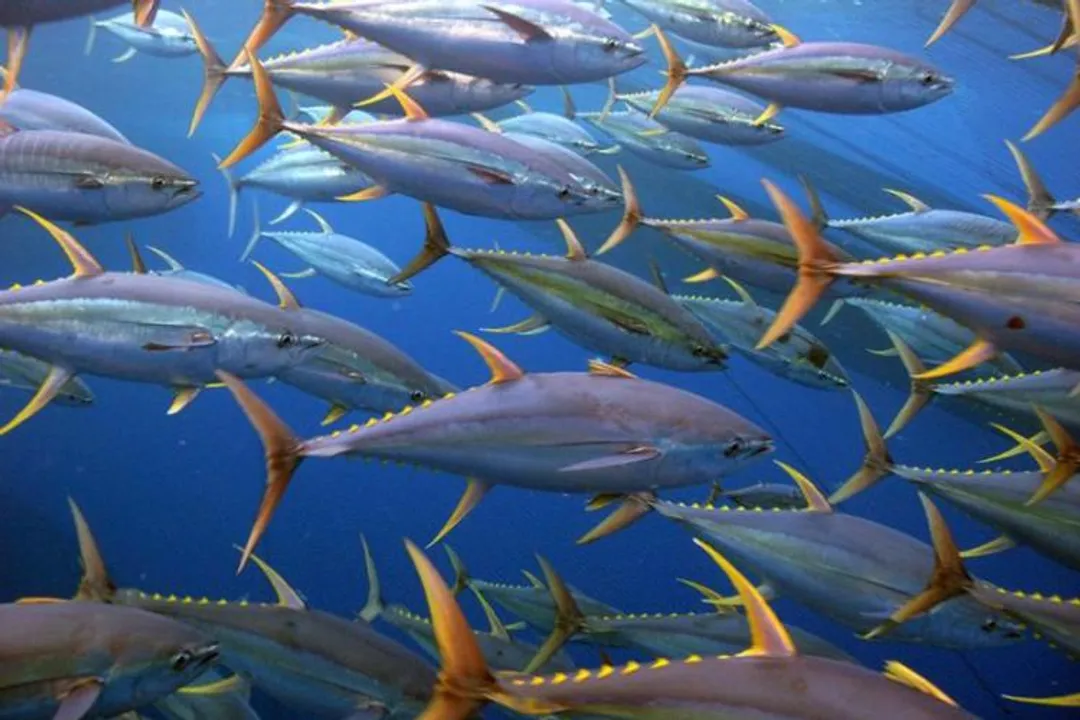
The yellowfin tuna, known scientifically as Thunnus albacares, is one of the ocean’s most recognizable and commercially significant pelagic fish, instantly identifiable by the brilliant yellow fins and finlets that give it its common name. [3][4] These powerful swimmers are found across tropical and subtropical waters of the Atlantic, Pacific, and Indian Oceans, generally preferring temperatures between 18 and 30 degrees Celsius. [3][1] They are highly migratory, covering vast distances in the open ocean, which necessitates complex management across international boundaries. [8]
# Physical Traits
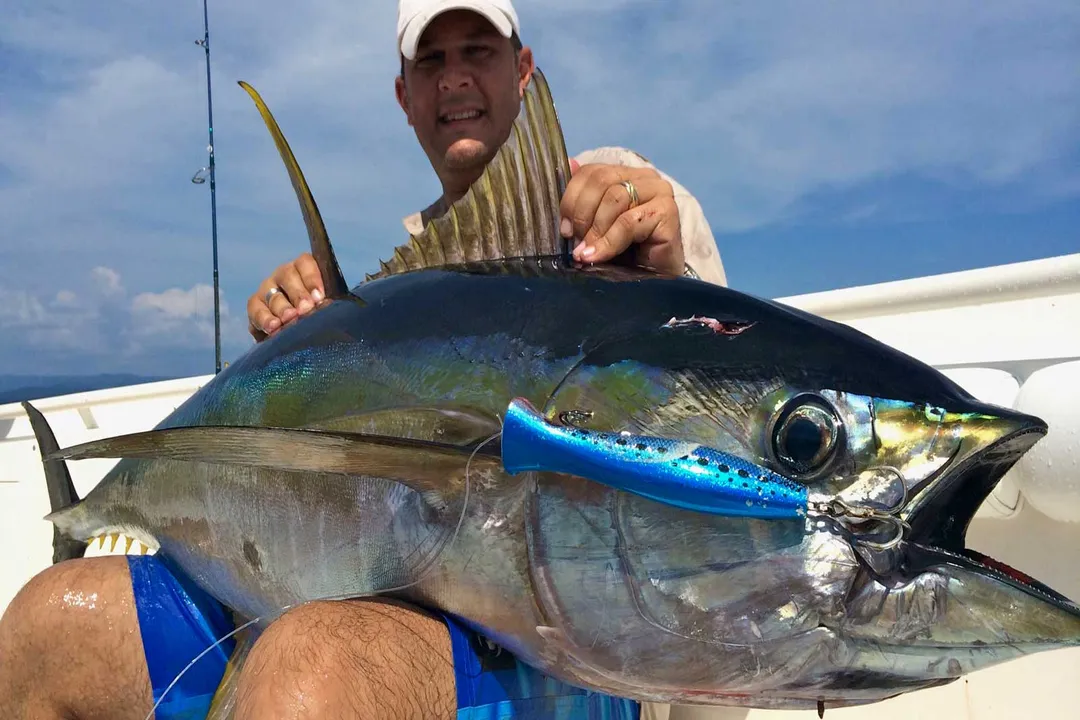
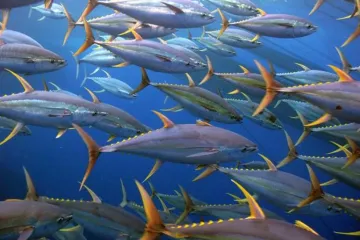
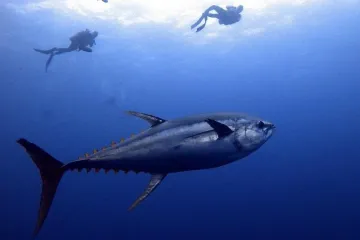
A key feature distinguishing the yellowfin is its sleek, torpedo-shaped body, perfectly adapted for speed in the water column. [7] Adults are typically dark metallic blue or black on their dorsal side, fading to silvery-white on their belly. [3][5] The second dorsal and anal fins, along with the finlets running toward the tail, are a striking, bright yellow, a characteristic that separates them from similarly sized species like the blackfin tuna. [4] Their eyes are notably large. [7]
Size varies considerably depending on the specific stock and location, but yellowfin tuna are among the larger tuna species. They can reach lengths of up to 2 meters (about 6.6 feet) and weigh over 200 kilograms (approximately 440 pounds). [3] While this is the potential maximum, fish landed commercially are often much smaller. [5] The growth rate is generally quite rapid, though it is influenced heavily by water temperature and food availability. [3] One interesting observation across different fisheries is the consistency in their streamlined morphology, suggesting that evolutionary pressure for high cruising speed is a dominant factor in their physical structure, regardless of specific oceanic basin. [6]
# Habitat and Behavior
Yellowfin tuna occupy the epipelagic zone, meaning they live in the upper layer of the ocean where sunlight penetrates, often down to about 200 meters. [3] They are known to travel in schools, sometimes mixing with other tuna species like skipjack. [5] This schooling behavior is essential for both foraging and protection as they navigate the open ocean. [7]
Their incredible migratory habits mean they cross numerous Exclusive Economic Zones (EEZs) and international waters. [8] In the Pacific, for instance, some stocks undertake trans-Pacific movements, making monitoring challenging for single management bodies. [3] While generally associated with surface waters, they are capable of deep dives. Researchers have recorded them descending to depths exceeding 500 meters, likely to feed or regulate body temperature, demonstrating a greater vertical tolerance than their primary feeding zone might suggest. [3] Understanding these depth preferences is critical for developing effective, non-selective fishing gear designs.
A fascinating aspect of their movement relates to ocean productivity. Yellowfin often aggregate around structures that concentrate baitfish, such as floating debris, submerged banks, or even anchored buoys. This tendency to congregate near objects is heavily exploited by certain fishing methods, like purse seining around Fish Aggregating Devices (FADs). [5]
# Diet and Predators
As formidable apex predators in their environment, yellowfin tuna possess a broad and opportunistic diet. They primarily consume smaller fish, including herring, mackerel, and sardines, but their menu also features squid and crustaceans. [3][5] Their feeding habits are highly dependent on local prey availability. [7]
Their speed allows them to hunt effectively in the water column. A scenario often described by those working closely with these fish involves rapid, coordinated attacks on schools of smaller prey, using their speed to engulf victims quickly before they can disperse. This hunting style requires high metabolic rates, which is supported by their warm-blooded tendencies, a trait shared with other large tuna species that allows them to maintain muscle temperatures above the ambient water temperature, thus increasing swimming efficiency. [6]
The tuna's position near the top of the food chain means they have relatively few natural predators once fully grown. Large sharks, such as the Great White or oceanic whitetip shark, pose a threat, especially to juveniles. [7] Humans represent the most significant predatory pressure on the species today. [2]
# Life Cycle Milestones
Reproduction in yellowfin tuna occurs across wide areas of the tropics. [3] Spawning activity is often tied to warmer surface waters, and the frequency can vary seasonally. [3] Females release numerous eggs into the water column, which are fertilized externally. [7]
The early life stages are vulnerable. Larvae hatch quickly, developing into juveniles that feed on smaller zooplankton before transitioning to the diets typical of adults. [3] The rate of maturation and lifespan can differ between oceanic basins. For example, data collected for the Atlantic stock managed by NOAA Fisheries provides specific metrics on size-at-age, which are essential for setting sustainable catch limits. [8] While maximum lifespans are estimated to be around 15 to 20 years, these are difficult to confirm precisely for all populations in the wild. [3]
To better illustrate population dynamics, one can look at how scientists estimate the size of a harvestable population. If a regional stock is estimated to support an annual removal of 100,000 metric tons and the average commercially caught yellowfin weighs 50 kg, that means the fishing activity targets roughly 2 million individual fish annually, highlighting the immense scale of the global fishery that must be managed conservatively. [8]
# Yellowfin in Commerce and Cuisine
The yellowfin tuna holds immense value in global trade, often marketed under different names depending on its size, processing method, and geographic origin. [10] In Hawaii, for example, the term Ahi is commonly used for yellowfin, especially when referring to the larger, high-quality steaks desirable for searing or raw consumption. [10] In the culinary world, its meat is prized for its deep red to pinkish color, relatively firm texture, and mild, rich flavor when fresh. [6][10]
The fish is commonly sold fresh, frozen, canned, or cooked. [4] The quality grade often correlates with the size of the fish and the handling immediately after capture. Larger, high-grade fish are typically destined for the sashimi and sushi markets, commanding the highest prices. [6] This desirability drives intense fishing pressure across the globe. [2]
The quality difference between fish caught via different methods can be substantial for the end consumer. A tuna carefully caught on a rod and reel, bled immediately, and promptly chilled (often called "pole and line" caught) will maintain far superior texture and color compared to a large volume catch where the fish lay together for extended periods before processing. [6] This preference translates into a market segmentation where 'sashimi-grade' fish fetch a significant premium over canning-grade fish.
# Conservation Status and Management
The conservation status of yellowfin tuna is complex and varies depending on the specific ocean stock being assessed. [2] While some regional populations are considered healthy, others face significant challenges due to overfishing. [1] For instance, the status of Atlantic yellowfin tuna is actively monitored by agencies like NOAA Fisheries, which assesses whether catches exceed scientific recommendations for sustainable yield. [8] Globally, international agreements are necessary because these highly mobile fish do not respect political borders. [2]
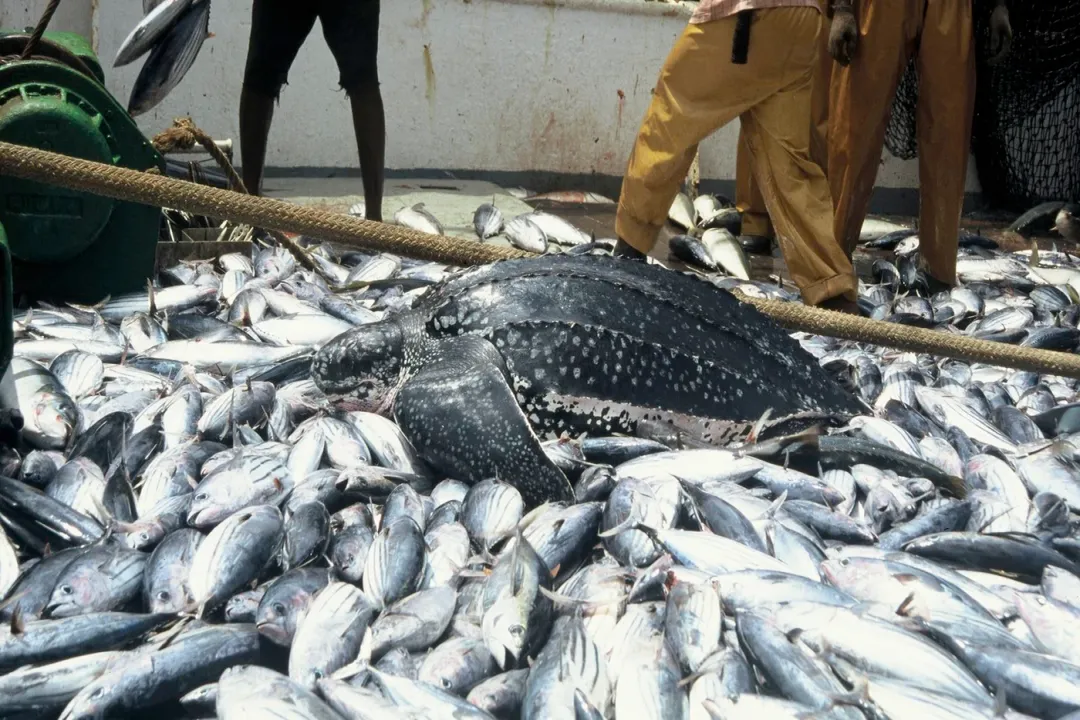
Concerns arise not just from overfishing the target species but also from bycatch—the accidental capture of non-target species. Fishing methods that target tuna often interact with sharks, sea turtles, and marine mammals. [1] Techniques like longlining or using large purse seines can inadvertently capture vulnerable species, leading to population declines for those non-target animals. [1][2]
Management strategies attempt to balance the economic needs of the fishing industry with the biological needs of the stock. This involves setting Total Allowable Catches (TACs), establishing seasonal or area closures, and regulating gear types. [8] Organizations like the International Commission for the Conservation of Atlantic Tunas (ICCAT) work to coordinate these efforts across nations. [8] Consumer awareness plays a role here; choosing seafood that comes from well-managed fisheries, often indicated by specific eco-labels or sustainability guides from organizations like the Monterey Bay Aquarium Seafood Watch program, directly influences market demand and supports responsible practices. [5]
# Fishing Methods
Several methods are employed globally to catch yellowfin tuna, each carrying different implications for sustainability and bycatch rates. [1]
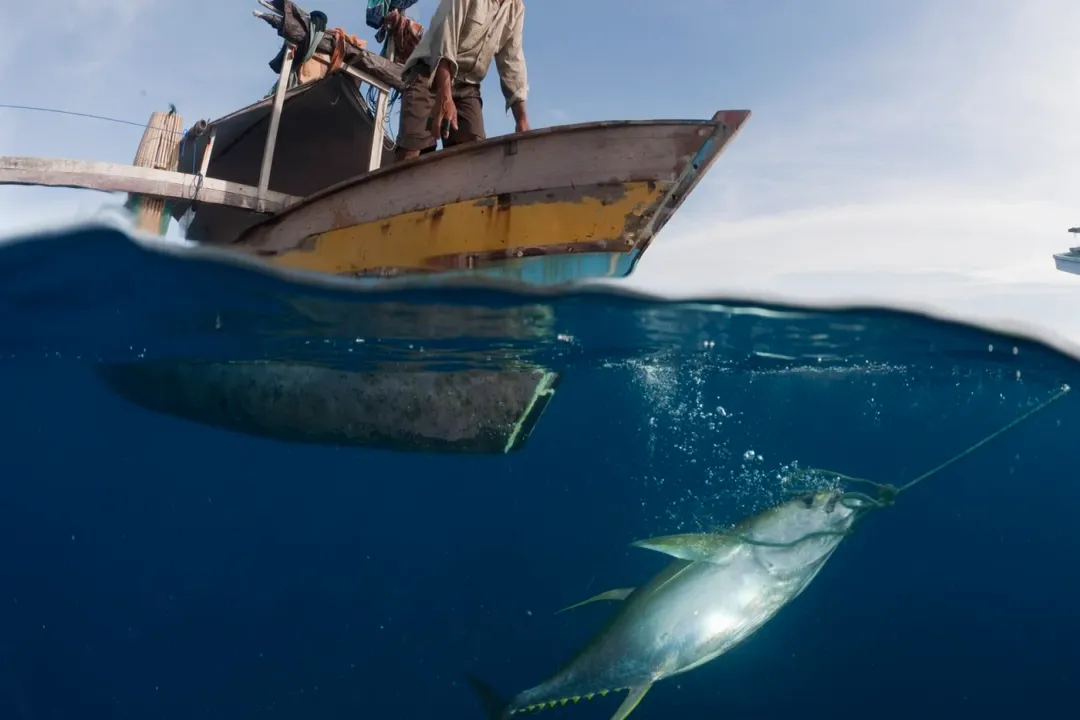
- Pole and Line: This method involves a single line with a hook, often using a lure or bait fish. It is highly selective and results in very low bycatch, making it a preferred method from a sustainability perspective. [6][5]
- Longlining: This involves setting thousands of baited hooks spread along miles of mainline. While it can catch large, high-quality fish, it has a higher potential for bycatch, particularly of sharks and sea turtles, if not conducted using specific mitigation techniques like circle hooks or deep setting. [1]
- Purse Seining: This technique involves encircling a school of fish with a large net that is then drawn tight at the bottom like a drawstring purse. When used on free-swimming schools, it can be relatively efficient. However, when used in conjunction with Fish Aggregating Devices (FADs), it often results in higher catch rates of juvenile yellowfin and greater bycatch of other species that associate with the floating debris. [5]
- Trolling: Similar to pole and line but involving multiple lines dragged behind a moving boat, trolling is generally considered a selective method for catching larger, individual fish. [6]
When assessing seafood purchases, recognizing the difference in gear type is vital for an informed choice. A consumer prioritizing sustainability might specifically look for yellowfin caught by pole and line or trolling, even if the price is slightly higher, understanding that this choice directly minimizes ecological harm associated with less selective mass-capture methods. [5][6] The move away from FAD-associated purse seining for yellowfin is a critical area of industry focus to protect juvenile stocks. [1]
# Comparison with Other Tuna
While yellowfin shares characteristics with its tuna relatives, distinguishing features are important, especially for fishmongers and consumers. The most commonly confused species are bigeye (Thunnus obesus) and albacore (Thunnus alalunga). [4]
| Feature | Yellowfin Tuna (T. albacares) | Bigeye Tuna (T. obesus) | Albacore Tuna (T. alalunga) |
|---|---|---|---|
| Fin Color | Bright yellow finlets and fins [4] | Yellow finlets, but often darker [4] | Exceptionally long pectoral fins [4] |
| Eye Size | Large [7] | Very large, appearing disproportionately so [4] | Relatively small |
| Meat Color | Deep red to pinkish-red [6][10] | Darker red [4] | Pale pink or whitish [4] |
| Habitat Depth | Primarily epipelagic (surface to 200m) [3] | Generally deeper, mesopelagic tendencies [4] | Varies, often cooler waters |
The color of the meat is a simple, practical differentiator for raw consumption. Yellowfin offers that vibrant, signature deep red that sushi chefs prize, whereas albacore is the standard for white meat canned tuna. [4] The structural difference in pectoral fin length provides an easy visual cue for albacore, which has fins extending past its second dorsal fin, a trait yellowfin lacks. [4] This comparison underscores that "tuna" is not a monolith; management and culinary applications must account for species-specific biology and market needs. [4]
# An Environmental Footprint Insight
It is worth considering the energy expenditure related to the yellowfin's lifestyle. Given their status as highly mobile, warm-bodied predators inhabiting warm tropical waters, their overall metabolic demands are immense. [6] This high energy requirement necessitates constant, successful foraging. For fisheries management, this means that any environmental stressor that disrupts the delicate balance of the upper ocean food web—such as climate-driven shifts in prey distribution or ocean acidification impacting plankton—could disproportionately affect yellowfin populations because they are already operating near their physiological limits to maintain their speed and hunting prowess in warmer waters. [3] This sensitivity to oceanic shifts suggests that climate change models must be heavily weighted when projecting the long-term sustainability of yellowfin stocks across the Pacific and Atlantic basins. [8]
# Actionable Tip for Consumers
When buying fresh yellowfin steaks or fillets, the term ahi often signals a larger fish, potentially of higher grade. [10] To ensure you are getting a fish handled for peak quality, ask the vendor about the capture method and post-capture handling. If the fish was caught via pole and line or trolling, and the vendor confirms it was promptly bled and iced, that piece has a significantly higher likelihood of retaining its color, texture, and optimal flavor profile, justifying a potential premium over an unknown bulk-caught product. [6] Checking for minimal white exudate (a sign of age or poor chilling) on the cut surface is another quick indicator of better care from boat to market. [10]
# Global Significance
Yellowfin tuna support major commercial fisheries worldwide, making them a vital economic resource for coastal communities and international fishing fleets alike. [2][8] Their broad distribution means that the health of the yellowfin stock often serves as an indicator for the overall productivity and stability of the tropical marine ecosystems they inhabit. [1] Protecting their habitats and ensuring sustainable fishing practices remains a worldwide conservation priority to secure both ecological balance and continued economic benefits. [2]
#Videos
Facts: The Yellowfin Tuna - YouTube
Related Questions
#Citations
Yellowfin Tuna - Oceana
Yellowfin Tuna | World Wildlife Fund
Yellowfin tuna - Wikipedia
Learn about yellowfin tuna - Mass.gov
Yellowfin tuna | Animals - Monterey Bay Aquarium
Facts About Yellowfin Tuna - Ocean Blue Fishing Adventures
Yellowfin tuna Facts for Kids
Atlantic Yellowfin Tuna | NOAA Fisheries
Facts: The Yellowfin Tuna - YouTube
Yellowfin Tuna (Ahi) - Hawaii-Seafood.org