Yellowfin Tuna Locations
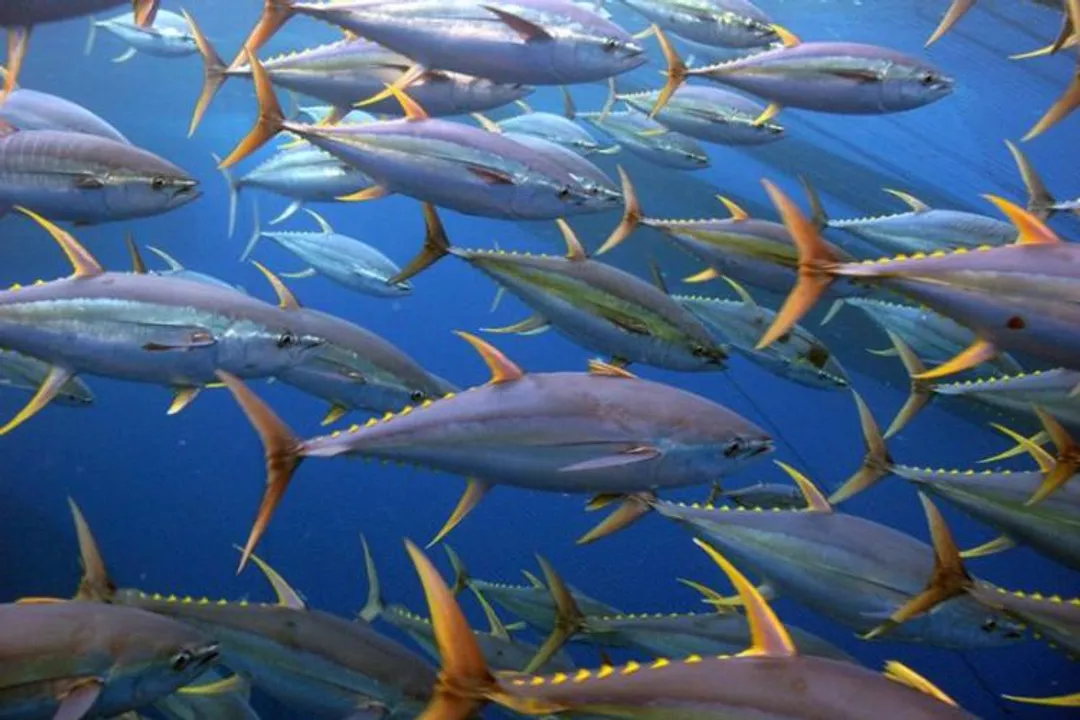
Yellowfin tuna, scientifically known as Thunnus albacares, are among the most sought-after pelagic fish globally, prized by both commercial fleets and recreational anglers. Their wide-ranging nature means they inhabit the warmer reaches of the world's major oceans, making the question of where to find them less about a specific country and more about understanding oceanic currents and seasonal movements. These powerful, fast-swimming predators prefer tropical and subtropical waters, generally sticking to areas between 40 degrees north and 40 degrees south latitude.
The locations where yellowfin are concentrated depend heavily on water temperature and the availability of baitfish, which are often dictated by subsurface structures or convergence zones. This necessity for specific oceanographic conditions means that while they span the Pacific, Atlantic, and Indian Oceans, they are rarely found evenly distributed throughout those vast areas.
# Wide Oceans
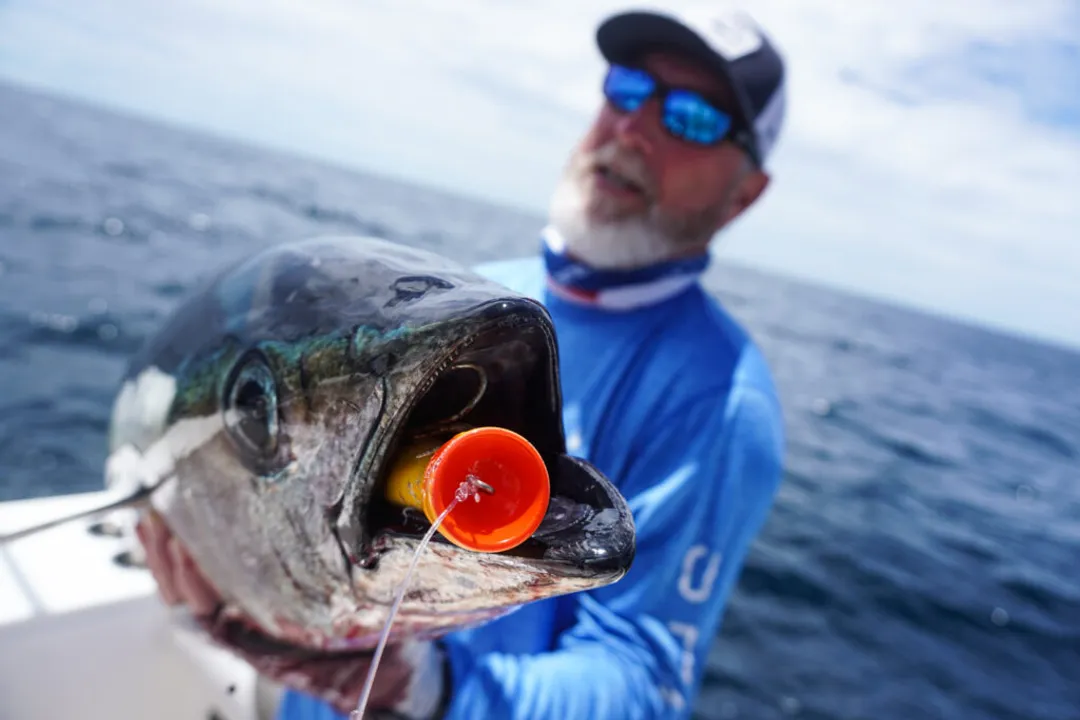
As an oceanic species, the yellowfin’s distribution is extremely broad, covering major seas worldwide. The species is found across the Atlantic, Indian, and Pacific Oceans. In the Pacific, in particular, the distribution is vast, supporting significant commercial fisheries; the National Oceanic and Atmospheric Administration (NOAA) tracks specific populations in this region due to their wide migratory paths across international boundaries.
Unlike species that hug the continental shelf, yellowfin follow the food chain, often congregating where deep, cooler, nutrient-rich water meets warmer surface layers, creating prime feeding grounds. Their preference for water between approximately 62°F and 86°F (17°C to 30°C) sets the general latitude for where anglers should focus their search, though their feeding depth can vary significantly throughout the day.
# Americas Hotspots
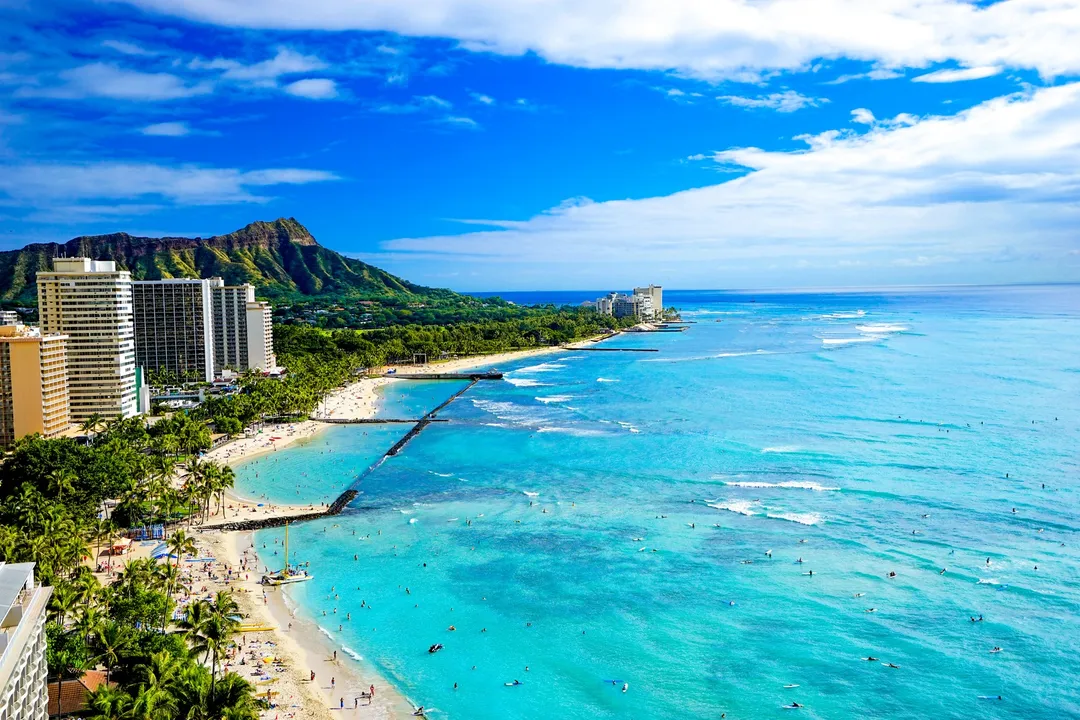
The Western Hemisphere contains several areas frequently cited as world-class destinations for targeting yellowfin tuna. Panama stands out as a destination lauded for consistent action, often due to rich upwellings that concentrate baitfish. Specifically, areas like the Hannibal Bank and the waters surrounding Coiba Island are renowned for attracting large migratory schools.
Moving north along the Pacific coast, the waters off Mexico, particularly around Cabo San Lucas, offer reliable opportunities, benefitting from warm currents that draw in the tuna. Within the United States, the Florida Keys and the deep offshore waters of North Carolina are established grounds. In Florida, the action is often seasonal, tied to the movement of baitfish pushed by the Gulf Stream.
While the Florida Keys are famous year-round, it’s worth noting that the best size of yellowfin often correlates with their migration patterns tied to the Gulf Stream's eddy formation; targeting areas adjacent to these eddies in the early spring or late fall can often yield larger, deeper-swimming fish that are less susceptible to the surface feeding frenzies common in the peak summer months.
# Pacific Fisheries
The Pacific Ocean represents the largest portion of the global yellowfin stock and catch volume. In the East Pacific, regions adjacent to South American countries like Ecuador and Peru are known for supporting substantial populations, often near coastal upwelling zones.
The Western and Central Pacific region is a massive area for commercial sourcing, reflecting the species' wide pelagic nature. Hawaii, where the fish is commonly called ahi, features prominently on lists of top yellowfin spots due to consistent availability of offshore populations. A key difference arises when comparing the East and West Pacific; the East Pacific action is frequently associated with more defined coastal features, whereas the massive stocks in the West Pacific are often encountered far offshore, around submerged seamounts where cooler water brings up nutrients.
# Atlantic Hotspots
The Atlantic system is divided into distinct fishing sectors, each offering unique opportunities. In the Eastern Atlantic, locations near the Canary Islands are consistently mentioned as prime fishing locales. These areas are productive because strong currents deliver baitfish close to the islands or continental edges. Farther south in the Indian Ocean/Western Pacific overlap region, Madagascar is also noted as a good source area.
For the Western Atlantic, beyond the well-known grounds off the Southeast US coast, the offshore area near North Carolina—specifically the region famous for the "Big Rock"—is celebrated for attracting large pelagic species, including yellowfin, particularly when surface temperatures are warm enough to sustain large bait concentrations.
For the recreational angler, recognizing the depth preference is as important as geography. While surface boils signal feeding frenzies close to structure, during midday heat or low light, large yellowfin retreat to the thermocline layer, often 300 to 600 feet down, even when near shore. A boat equipped to consistently deploy high-speed trolling lures or deep-dropping jigs at these depths in established feeding corridors—like those off Panama or the Big Rock—will often outperform those only casting to surface activity.
# Supply Chains
When looking at commercial sourcing, the focus shifts from specific recreational hotspots to high-volume, accessible fishing zones defined by regulatory areas. The primary commercial sourcing areas globally are the Pacific, the Atlantic, and the Indian Ocean. The Pacific generally contributes the largest quantity to the world's landings.
Understanding the source is vital for sustainability and market awareness. For instance, the fishing methods—such as large-scale purse seine nets used in the Central Pacific versus smaller, more selective longline operations near island nations—differ widely, impacting the overall stock health and the fish's market designation.
# Spot Comparison
To offer a clearer picture of the globally recognized areas that consistently produce yellowfin, the following table summarizes key locations based on reported success:
| Region | Notable Location(s) | Primary Advantage |
|---|---|---|
| Central America | Panama (Hannibal Bank) | Rich upwelling, large migratory schools |
| North America East | Florida Keys, North Carolina | Seasonal access to Gulf Stream influence |
| Eastern Pacific | Mexico (Cabo), Ecuador | Reliable nearshore structure feeding |
| Western Pacific | Hawaii (Ahi) | Consistent pelagic populations |
| Eastern Atlantic | Canary Islands | Proximity to major current breaks |
Ultimately, whether you are looking for a personal best catch in a specific latitude or tracking the origin of seafood on your plate, the locations for yellowfin tuna are numerous but always tied to the dynamic patterns of the world's warm-water oceans.
Related Questions
#Citations
Top 10 Yellowfin Tuna Spots
Yellowfin tuna
Key Areas and Where to Source Yellowfin Tuna
Come Fish One of The World's Best Yellowfin Tuna ...
5 Fun Places To Fish For Yellowfin Tuna
Pacific Yellowfin Tuna
Top Yellowfin Tuna Fishing destinations
Yellowfin Tuna