Yellow Spotted Lizard Diet
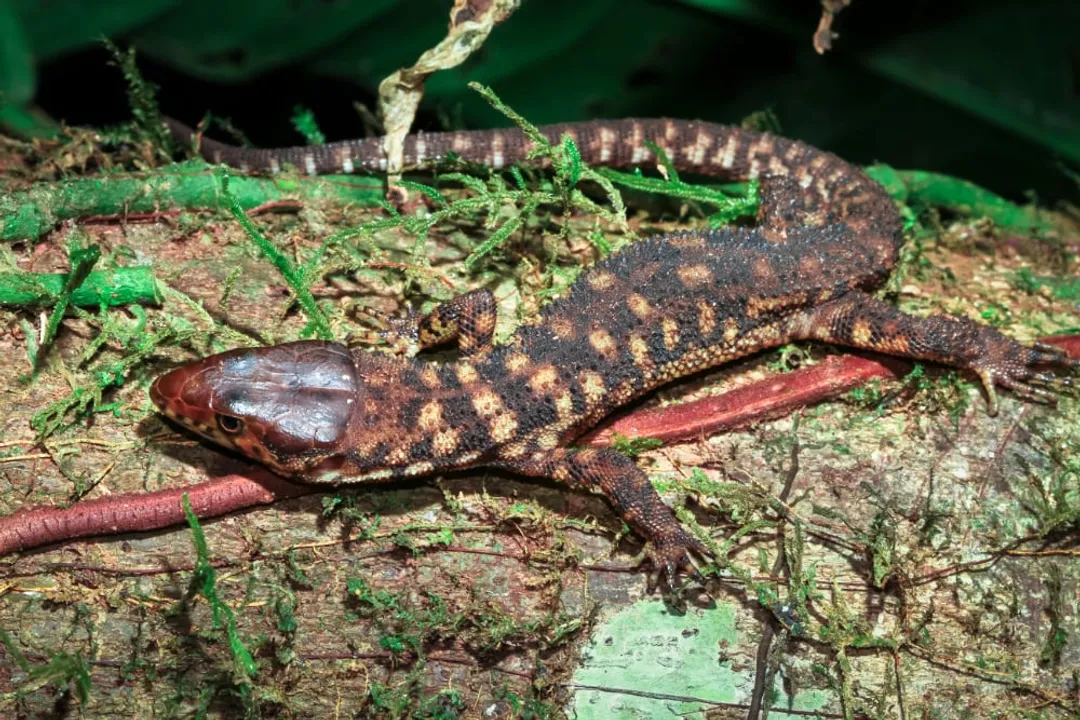
The fascinating creatures often called the Yellow Spotted Lizard are more precisely identified in the reptile hobby and scientific literature as the Yellow-spotted Night Lizard (Lepidophyma flavimaculatum). While the name has gained popular notoriety from fictional portrayals—where the lizards used were simply painted bearded dragons—the actual L. flavimaculatum is a secretive, tropical inhabitant of Central America whose feeding habits are tailored perfectly to its dusky, leaf-litter existence. Understanding what sustains this species is key to appreciating its unique place in its ecosystem, whether one observes it in the wild or cares for it in a specialized captive setting.
# Nocturnal Foraging
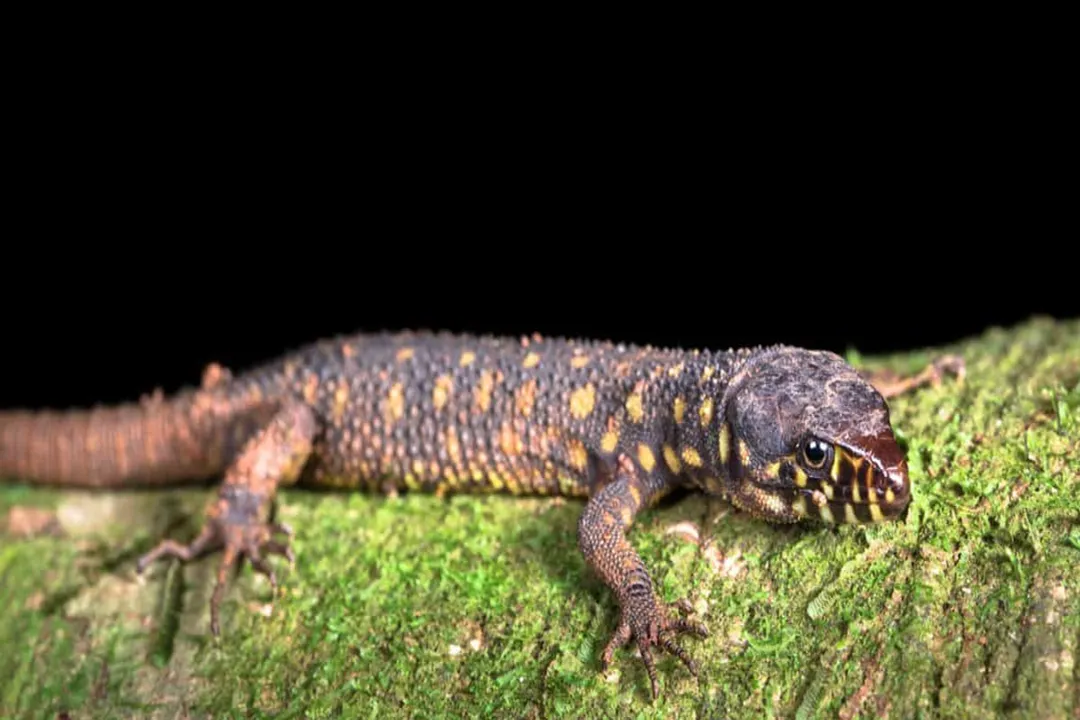
The lifestyle of the Yellow-spotted Night Lizard dictates its dining schedule. These lizards are predominantly nocturnal, meaning their active hours begin after sunset. During the bright hours of the day, they are reclusive and terrestrial, spending their time concealed under forest floor debris such as rotting logs, rocks, or deep leaf litter. This habit of seeking cover keeps them safe from diurnal predators like birds and allows them to remain hidden while conserving energy.
When night falls across their native subtropical and tropical forests in countries from Mexico down to Panama, the lizards emerge to hunt. They are described as being opportunistic feeders, ready to consume whatever prey is easily accessible within their microhabitat. Field researchers note that some individuals may remain within the same small territory for years, suggesting their hunting grounds are very localized and familiar. This territorial fidelity means their diet is entirely dependent on the invertebrate population immediately surrounding their chosen cover. Furthermore, they possess a strong sense of smell, which they employ to locate hidden morsels beneath the damp forest detritus.
# Wild Menu
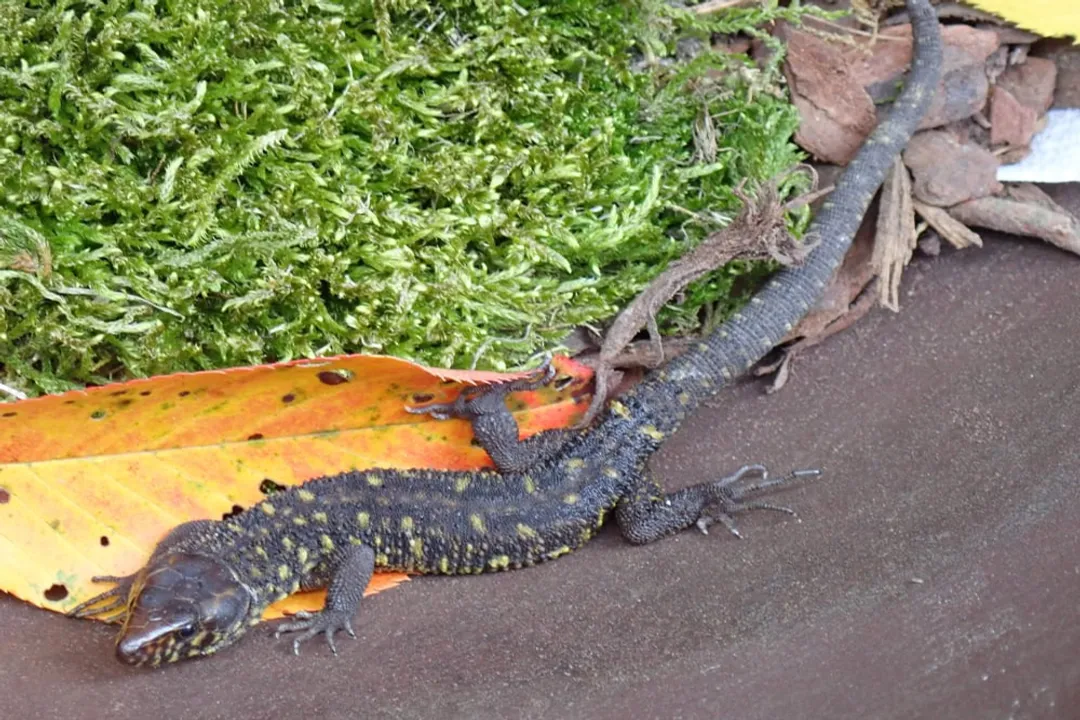
As a rule, the Yellow-spotted Night Lizard is classified as insectivorous in the wild, forming the bulk of its diet from arthropods. This heavy reliance on small creatures is typical for a lizard that hunts by foraging on the ground rather than actively pursuing larger prey over long distances.
Specific items noted in their natural consumption lists are extensive, painting a picture of a reptile that cleans up the forest floor's insect life:
- Termites
- Ants
- Crickets
- Spiders
- Scorpions
- Millipedes and Centipedes
- Water grubs
- Mosquitos
However, their classification is broadened to Carnivore because the diet is not strictly limited to invertebrates. In nature, they are capable of consuming small vertebrates should the opportunity arise. This occasionally includes small birds, rodents, or even other reptiles. They have also been documented to eat eggs. While these larger items are certainly part of their potential dietary intake, the primary strategy revolves around the numerous, smaller invertebrates they can quickly capture near the surface or just under it.
# Captive Sustenance
For keepers dedicated to maintaining Lepidophyma flavimaculatum—a task usually reserved for intermediate to advanced enthusiasts—the diet must mimic this carnivorous inclination while ensuring proper nutrition and avoiding obesity. The captive regimen centers almost entirely on a varied insect diet.
Commonly accepted feeder insects that form the basis of a healthy captive meal plan include:
- Crickets (Acheta domesticus)
- Various species of Roaches
- Mealworms (Tenebrio molitor)
- Wax moth larvae/worms
One approach in captivity prioritizes logistics for feeding. For instance, crickets are often favored because they tend to move around the enclosure until eaten, whereas roaches might quickly burrow into the substrate, and mealworms/waxworms require specialized shallow dishes to prevent escape.
A notable aspect of the Yellow-spotted Night Lizard's environment is the potential for self-supplementation from the substrate itself. In bioactive setups utilizing isopods (small crustaceans often used as natural cleanup crews), these arthropods serve a dual purpose: breaking down waste and providing an incidental, nutritious snack for the lizard. While one keeper noted never personally witnessing this predation, it is a recognized benefit of an enriched environment, providing an extra, varied source of protein.
# Feeding the Young
Hatchlings, known as neonates or juveniles, have distinct dietary needs appropriate for their tiny size, often born around 3 cm long. To ensure they receive necessary nutrients without being overwhelmed by large prey, their diet should consist of the smallest available items. Acceptable initial food sources include:
- Flightless fruit flies (Drosophilia sp)
- Bean beetles (Callosobruchus maculatus)
- Pinhead crickets
As these young lizards grow and their prey acceptance broadens, keepers gradually transition them to the adult diet, adjusting frequency based on consumption rates.
# Nutritional Balance and Supplementation
Whether feeding a captive adult or a juvenile, the greatest concern beyond simply providing food is ensuring the correct nutritional balance, particularly regarding minerals. Despite being insectivores, captive lizards require specific additions to their diet to prevent severe health issues like Metabolic Bone Disease (MBD), which manifests as abnormal bone growth and development.
The critical elements are calcium and vitamin D3. Care sheets suggest that prey items should be dusted with a calcium and vitamin D3 powder mixture, sometimes combined with a multivitamin supplement, on a regular basis. One protocol suggests dusting prey once per week with a 3:1 ratio of calcium to vitamin D3 powder plus a multivitamin. Supplementation frequency can range from once to twice weekly, or as explicitly directed by specific husbandry guidelines. This supplementation ensures the lizard meets the necessary calcium-to-phosphorus ratios for optimal development, which is essential even though L. flavimaculatum does not require intense levels of UVB lighting compared to some other species.
It is also important for keepers to monitor feeding frequency relative to the lizard's age, size, and overall condition, being careful not to promote obesity, which is a possible health concern with overfeeding.
An interesting consideration for keepers relates to the venomous nature of this species. While its diet consists of common invertebrates, the Yellow-spotted Night Lizard possesses a milky white tongue that is the main source of its venom, which can cause intense pain or be fatal without treatment. This fact underscores that although the lizard is a predator of small things, it is equipped with potent defense mechanisms, making careful husbandry and restraint necessary when inspections or handling are required. The need for meticulous dietary care is matched by the need for respectful, hands-off management due to their defensive nature.
Reflecting on the wild diet where occasional small vertebrates are consumed, a thoughtful keeper might consider that captive animals, while thriving on insects, benefit immensely from dietary diversity provided through gut-loading the feeder insects with high-quality fish flakes, fruits, or vegetables, or by offering a rotation of different invertebrate types like roaches one week and mealworms the next. This mimics the varied invertebrate intake in their native environment and ensures a broader spectrum of naturally acquired micronutrients before the dusting process even begins. Considering they live in humid environments and often forage in leaf litter—a rich source of decaying organic matter that influences the insects living there—the captive environment should aim for complexity rather than mere caloric delivery. Providing safe, edible soil fauna like the aforementioned isopods, which feed on detritus, can serve as a micro-ecosystem nutritional bridge to the wild diet's complexity, even if the isopod itself is not the primary food source.
Related Questions
#Citations
Yellow Spotted Lizard - Lepidophyma flavimaculatum - A-Z Animals
Yellow Spotted Lizard - Reptipedia | Fandom
Yellow-Spotted Night Lizard Information and Care - Reptiles Magazine
Yellow Spotted Lizard Facts & Photos - Wowzerful
[PDF] Yellow Spotted Night Lizard (Lepidophyma flavimaculatum)