Yak Scientific Classification
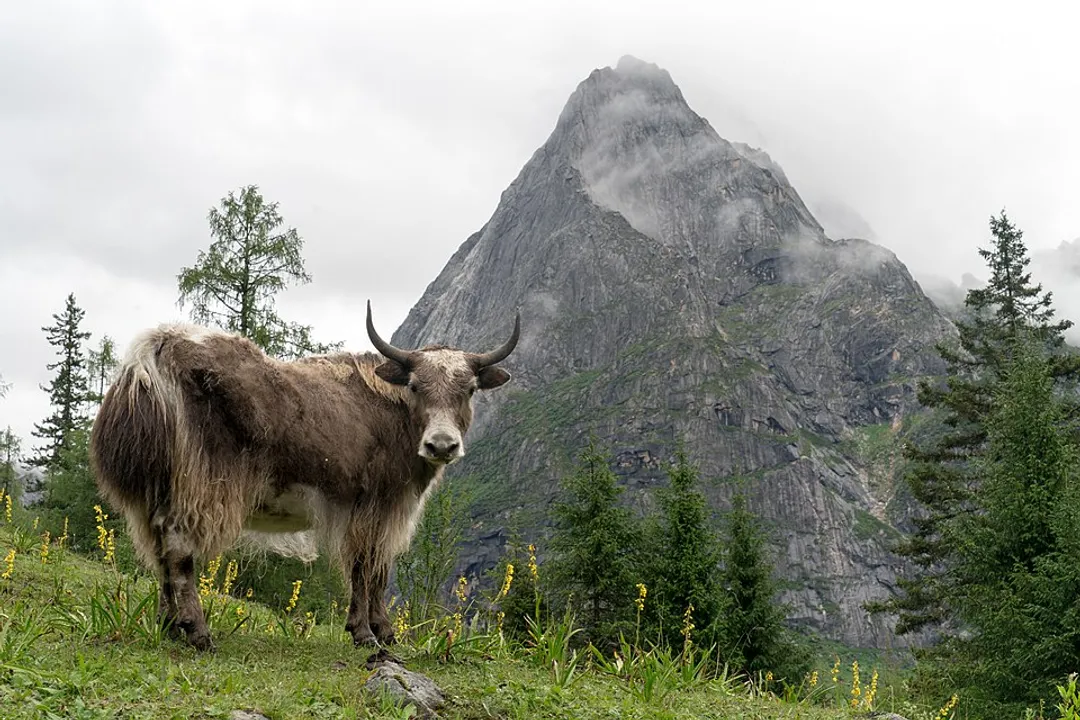
The very definition of the yak, that magnificent, shaggy inhabitant of the world’s highest reaches, rests on a fascinating point of taxonomic debate, one that requires peeling back the layers of its scientific classification. While the general public easily recognizes the animal, biologists and taxonomists spend considerable effort distinguishing between the domesticated form and its formidable wild ancestor, a distinction reflected directly in the binomial nomenclature applied to them.
# Core Taxonomy
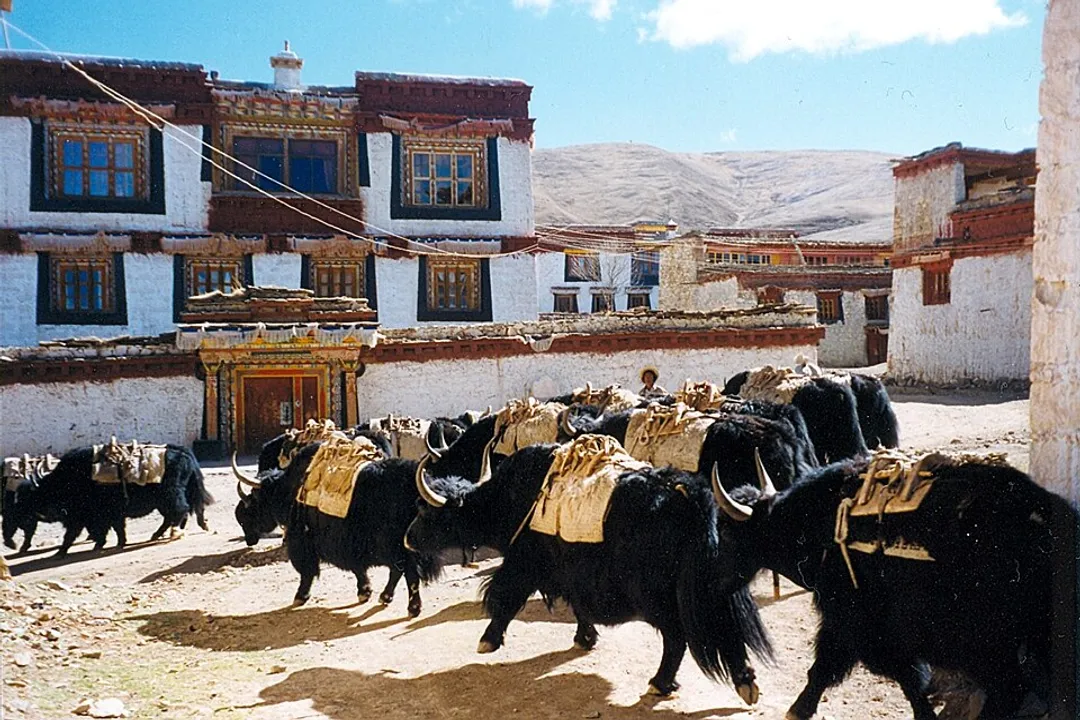
The yak, whether encountered grazing on a Tibetan pasture or being used as a pack animal, occupies a well-defined, high-level place within the animal kingdom. Its placement begins broadly, linking it to familiar agricultural animals like cattle, sheep, and goats.
The formal hierarchy is consistent across major biological databases:
| Rank | Classification | Notes |
|---|---|---|
| Kingdom | Animalia | Multicellular, heterotrophic organisms |
| Phylum | Chordata | Possessing a notochord at some stage |
| Class | Mammalia | Warm-blooded vertebrates with hair and mammary glands |
| Order | Artiodactyla | Even-toed ungulates |
| Family | Bovidae | Includes antelopes, cattle, goats, and sheep |
| Subfamily | Bovinae | The cattle subfamily |
| Genus | Bos | The group containing oxen and true cattle |
| Species | Bos grunniens or Bos mutus | Depending on whether the subject is domestic or wild |
This placement firmly establishes the yak as a member of the Bovinae subfamily, the same group that houses domestic cattle, Bos taurus. The very name Bos (Latin for ox) reflects this close relationship.
# Species Naming
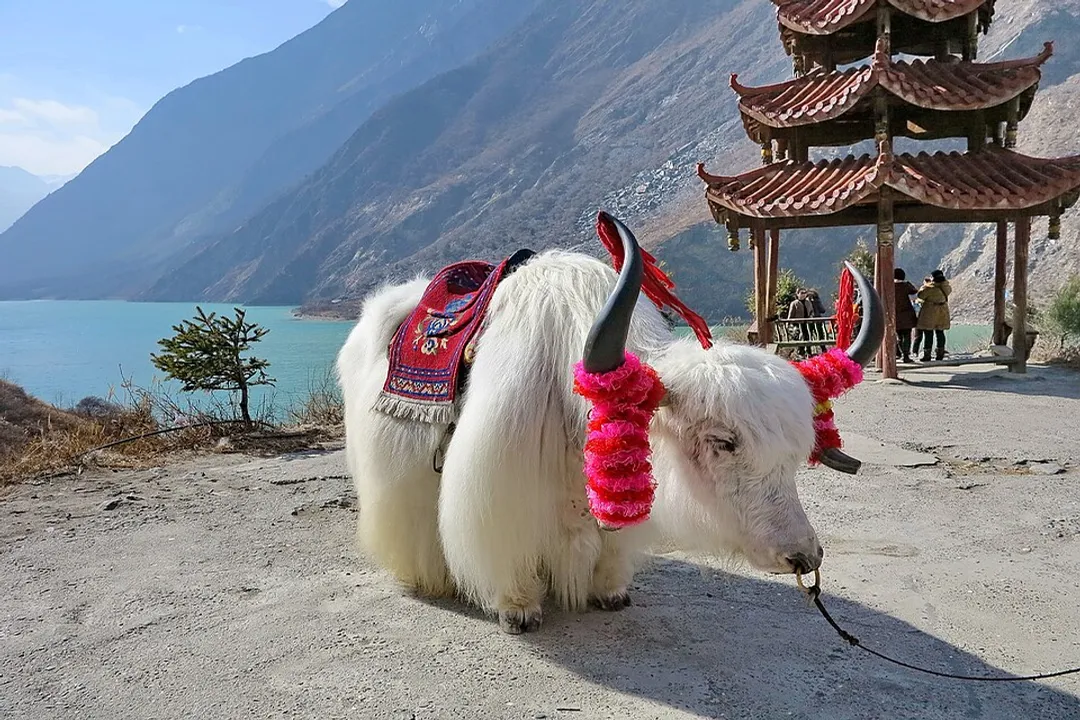
The confusion, and indeed the interest, arises at the species level, specifically concerning the scientific names assigned to the domestic and wild populations.
The domestic yak is formally known as Bos grunniens, a name given by Linnaeus in 1766. This Latin epithet translates to "grunting bull," a direct reference to its characteristic vocalization. Domestic yaks are known to "grunt" throughout the year, which is why this name was assigned.
In contrast, the wild yak bears the name Bos mutus, designated by Przewalski in 1883, which translates to "mute bull". This designation arose because Nikolay Przhevalsky, upon naming it, mistakenly believed the wild form was entirely silent. While the wild yak does make sounds—a loud grunt primarily during the breeding season—the name has persisted, though current taxonomic consensus often prefers B. mutus for the wild species. Some authorities still treat the wild form as a subspecies, Bos grunniens mutus, but the International Commission on Zoological Nomenclature (ICZN) issued a ruling in 2003 permitting the separate usage of Bos mutus, making it the more common designation for the wild animal today.
The domestic animal's sheer abundance—with over 12 million individuals globally, concentrated heavily on the Tibetan Plateau—contrasts sharply with the precarious status of its wild cousin. The wild yak, B. mutus, is officially listed as Vulnerable by the IUCN and is protected under CITES Appendix I.
It is insightful to view the naming convention as a reflection of human interaction rather than absolute biological separation. The domestic yak’s constant vocalization, which earned it the name grunniens, is a behavior often amplified or made more frequent through its close, noisy proximity to humans and herds. The wild yak, being shy and generally solitary or in small groups away from human settlements, would have been heard less frequently, leading to the "mute" classification from early observers. This difference in consistent auditory presence between the two forms highlights how cultural and observational context can influence the initial scientific labeling of closely related populations.
# Ancestry and Kinship
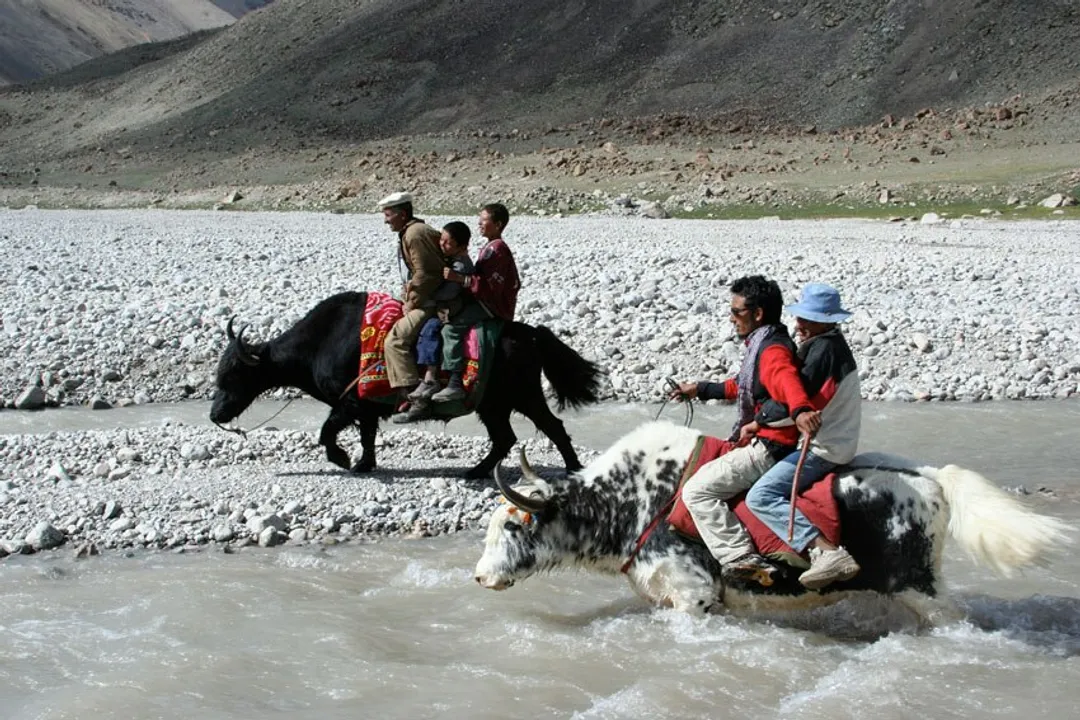
Classification within Bos places yaks alongside modern cattle (Bos taurus) and the extinct aurochs (Bos primigenius). However, genomic studies introduce complexity to this family portrait.
Mitochondrial DNA analyses have suggested that the yak lineage may have diverged from the main cattle line at any point between one and five million years ago, splitting from Bos primigenius. More compellingly, current genomic evidence indicates that yaks might share a closer evolutionary relationship with bison (Bison bison and Bison bonasus) than they do with other members of the genus Bos. This finding has an important implication: if yaks are closer to bison, the genus Bos as currently defined becomes paraphyletic, meaning it does not include all of its descendants, as the common ancestor it shares with bison would also link to the bison lineage.
This potential restructuring of the Bovidae family tree means that some historical classifications placed the yak in the separate genus or subgenus Poephagus. While Poephagus grunniens is noted as a homotypic synonym for the domestic yak in some records, the prevailing contemporary treatment, especially for regulatory purposes, anchors both forms within Bos.
The ancestral connections are also geographically traceable through fossil evidence. Close ancient relatives of the yak, such as Bos baikalensis, have been found in eastern Russia. This discovery suggests a possible corridor through which yak ancestors might have migrated, potentially leading to the ancestors of the modern American bison.
A secondary layer of classification difficulty emerges when considering the subgenus Poephagus. While B. grunniens is the accepted species name for the domestic yak, the continued use of Poephagus in some circles speaks to the desire to recognize the significant genetic and physiological distance yaks have developed from typical lowland cattle. This distinction is biologically significant, as yaks exhibit profound adaptations—such as larger lungs and hearts, and the persistence of fetal hemoglobin—that allow them to thrive where cattle suffer from altitude sickness.
Considering the genomic data suggesting a closer link to bison, the fact that international bodies like the ICZN have sanctioned the separation of the wild species (Bos mutus) from the domestic (Bos grunniens), and that the genus remains Bos for most practical applications, creates a fascinating dynamic in the study of bovid taxonomy. This tension between the latest genetic sequencing and established, culturally relevant nomenclature has real-world consequences, particularly in conservation. For instance, CITES regulation relies on clear species identification; therefore, maintaining Bos mutus as the officially recognized entity for conservation status tracking is far more important than restructuring the entire Bos genus based on an academic assessment of paraphyly. The conservation structure, which recognizes the wild population as Vulnerable and mandates specific protective appendices, must align with stable scientific designation, even as ongoing research refines the evolutionary picture.
# Traits and Nomenclature Echoes
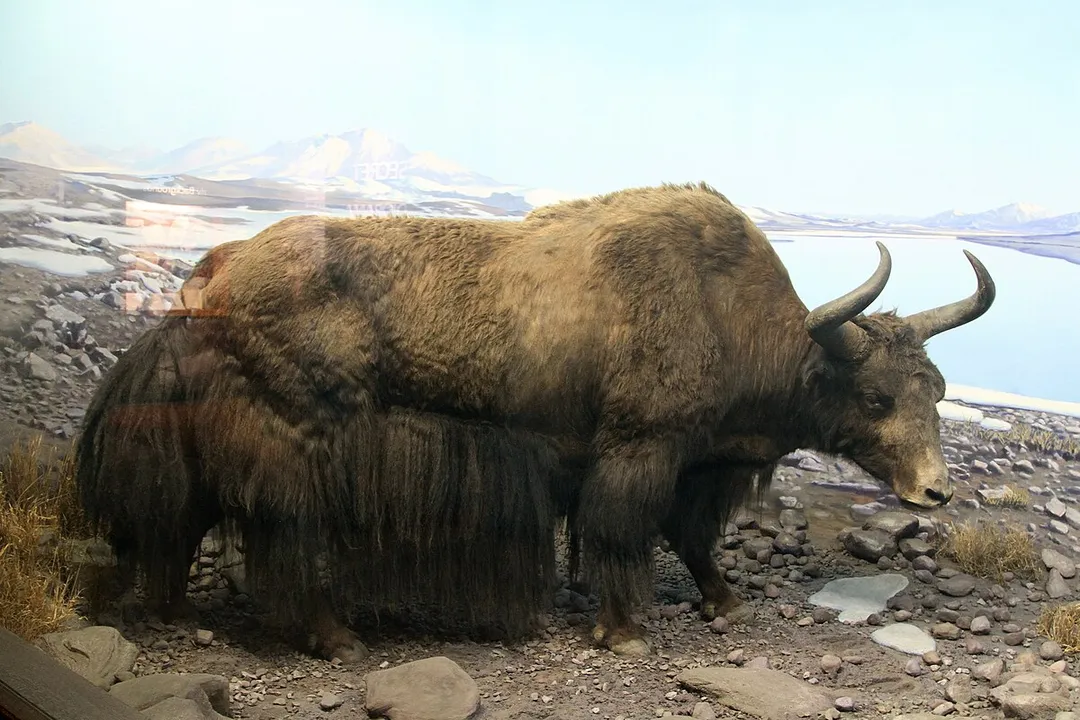
Beyond formal scientific ranks, the vernacular names sometimes used for the yak further illustrate its distinct nature, though these are often less precise than the genus and species designations. The domestic yak is also called the "Tartary ox," "hairy cattle," "sarlak," or "sarlyk". The enduring nickname, the "grunting ox," directly echoes the grunniens species name.
Interestingly, the Tibetan language itself makes a clear distinction: g.yag (yak) refers specifically to the male, while the female is termed 'bri (dri). Most other languages, however, default to "yak" for both sexes, using "bull" or "cow" only when necessary. This highlights that the specific classification challenges—the wild/domestic split—are largely a product of Western Linnaean taxonomy applied to animals whose traditional cultural classification, such as in Tibetan, was functionally distinct based on sex and utility.
# Domestication Timeline
While classification deals with the what, the history informs the when of the split. Fossil records suggest ancestors existed up to five million years ago, but the actual domestication event is dated more recently. Physical evidence points to domestication occurring over 2,500 years ago on the Qinghai-Tibetan Plateau. It is generally accepted that this process involved the domestication of the wild yak, B. mutus, rather than a simple cross-breeding between B. mutus and Asiatic cattle breeds, although hybridization has been common since domestication. This long period of selection has refined the traits that define the domestic yak (B. grunniens), such as color variation and somewhat reduced size compared to their wild counterparts, which can still reach weights up to 1,200 kg. The sustained isolation and environmental pressure on the wild stock, in contrast, have preserved the extreme adaptations required for survival in the highest, most barren regions.
Related Questions
#Citations
Yak - Wikipedia
Bos grunniens (yak) | INFORMATION - Animal Diversity Web
Wild Yak | Research Starters - EBSCO
History and Uses - Firebird Farms
Yak (Bos grunniens) longevity, ageing, and life history
Yak - The Ultimate Ungulate
yak facts - Sierra Valley Yaks - Established 2015
Bos grunniens - NCBI - NIH