Yabby Scientific Classification
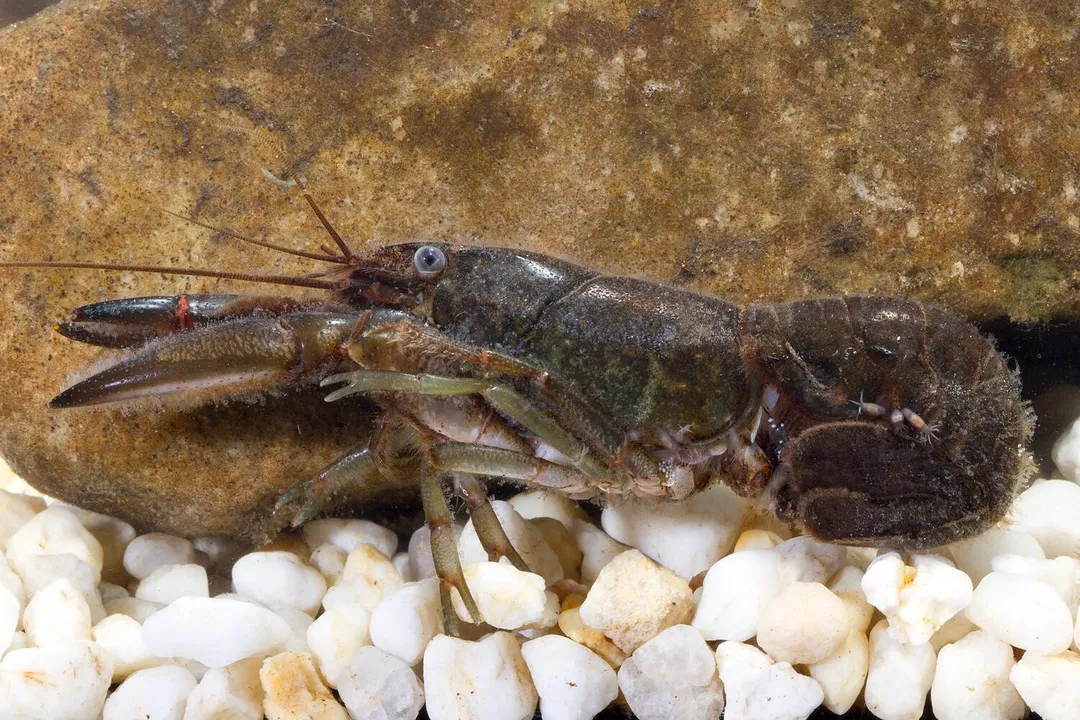
The creature commonly known in Australia as the yabby presents a fascinating case study in biology, where a single common name can apply loosely to several closely related freshwater crustaceans, though the scientific classification points specifically to one primary species, Cherax destructor. [1][5] To truly understand this animal—whether you encounter it in a billabong or see it listed on a product standard—one must look past the vernacular and delve into its Linnaean placement. This organism belongs firmly within the animal kingdom, Kingdom Animalia, marking it as a multicellular, heterotrophic life form. [5] Moving down the primary divisions, it is classified as an arthropod, possessing a segmented body and an exoskeleton, a defining trait shared by insects and spiders. [5]
# Crustacean Lineage
Within Arthropoda, the yabby falls into the subphylum Crustacea, separating it from insects and arachnids. This classification is determined by features like having two pairs of antennae and a body typically divided into cephalothorax and abdomen. [5] It is further categorized under the class Malacostraca, which represents the largest class of crustaceans, including familiar animals like crabs, shrimp, and lobsters. [5] The group’s physical structure and development place it squarely in the Order Decapoda, a name that literally means "ten feet," referring to the five pairs of legs, the first pair of which are often modified into pincers or claws. [1][5] This order is incredibly diverse, but the yabby shares its core structure with true freshwater crayfish worldwide.
# Crayfish Family
The classification continues by placing the yabby within the infraorder Astacidea, which groups true freshwater crayfish. [9] Following this, we arrive at the Family Parastacidae. [5][9] This family is significant because it exclusively contains crayfish that are native to the Southern Hemisphere, differentiating them from the Northern Hemisphere crayfish families like Astacidae and Cambaridae. [1] This biogeographical separation is a key piece of information derived directly from its taxonomic standing; if it's a Parastacid, you know its evolutionary roots lie in the Gondwanan landmasses, generally encompassing Australia, South America, and Madagascar. [1]
# Genus Identity
The genus level provides a tighter focus, identifying the yabby as belonging to Cherax. [5][9] The genus Cherax itself is native to Australia and New Guinea and contains numerous species of freshwater crayfish. [1] It is at this level that one begins to see the overlap with other commonly discussed "yabbies." For instance, while Cherax destructor is the Common Yabby, the closely related White Yabby is classified as Cherax albidus. [8] Both share the Cherax genus, indicating a very recent common ancestor and similar foundational anatomy and ecology, yet they are recognized as distinct species.
# Species Destructor
The formal scientific name for the Common Yabby is Cherax destructor. [5][7][9] The specific epithet, destructor, is somewhat evocative, likely referring to its strong burrowing habits that can destabilize banks or interfere with artificial structures. [1][9] In some older literature or regional contexts, this species might have been referred to by synonyms such as Parastacides laevis, Astacoides brevirostris, or Cherax albidus, though C. albidus is now recognized as a separate species. [1] This historical confusion highlights why relying on the scientific name is essential for consistency in scientific discourse, aquaculture, or regulatory management. [1][7] For example, fishing regulations in New South Wales specifically target Cherax destructor, citing minimum legal sizes, which requires unambiguous identification. [7]
When considering the ecological risk screening summaries that governments sometimes produce regarding crayfish introductions, the species identification becomes paramount. [4] The specific classification dictates which ecological parameters and behaviors are assessed for potential invasiveness or impact, as closely related species can behave very differently in a new environment. [4]
# Cousins in Classification
The classification system helps distinguish the Common Yabby from other species that share the common name, or those that are frequently confused with them, such as the Redclaw crayfish, Cherax quadricarinatus. [2][3] Both C. destructor and C. quadricarinatus belong to the same genus, Cherax, and the same family, Parastacidae. [2][5] However, C. quadricarinatus is a different species, often recognized by the distinct ridge on the carapace margin—a feature that gives it the "quadricarinatus" (four-ridged) name. [2] Knowing that the Redclaw is sometimes introduced outside its native range, such as in Florida where it is considered invasive, underscores the importance of the species-level classification for biosecurity efforts, even if both are Cherax species. [2][3] C. destructor itself has been the subject of aquaculture standards in Australia, indicating its commercial value and the need for species-specific breeding and harvesting protocols. [6]
A simple table can illustrate how closely related, yet distinct, these animals are within the family structure:
| Rank | Cherax destructor (Common Yabby) | Cherax quadricarinatus (Redclaw) |
|---|---|---|
| Kingdom | Animalia | Animalia |
| Phylum | Arthropoda | Arthropoda |
| Class | Malacostraca | Malacostraca |
| Order | Decapoda | Decapoda |
| Family | Parastacidae | Parastacidae |
| Genus | Cherax | Cherax |
| Species | C. destructor | C. quadricarinatus |
The primary difference in classification is at the species level, reflecting significant enough morphological and genetic divergence that they are treated separately in science and trade. [1][2][6]
# Insights on Nomenclature
It is quite revealing that the same common name, "yabby," can be applied to C. destructor, C. albidus, and sometimes even C. quadricarinatus depending on who you ask in the field. [1][8] This local naming convention often trails behind the scientific consensus. For example, a local angler might refer to any large, dark, burrowing crayfish they catch as a yabby, even if a museum taxonomist would confidently assign it the specific designation of C. albidus due to subtle differences in claw shape or carapace texture. [9] This variation in common naming is a powerful reminder that the scientific classification system was developed precisely to introduce stability and precision where colloquialism introduces ambiguity, allowing researchers from different regions to discuss the exact same organism regardless of local dialect. [5]
The fact that C. albidus, the White Yabby, is recognized as a distinct species highlights the level of scrutiny applied within the genus Cherax. [8] While both are Australian parastacids, subtle differences in color morphs (though C. destructor can also be pale) and perhaps genetic markers have cemented their separate species status, even if their life habits—freshwater dwelling, burrowing, omnivorous scavenging—remain broadly similar. [1]
# Classification and Ecology
The high-level classification as Decapods in the family Parastacidae directly influences our expectations of the yabby’s behavior and ecological niche. Being a Parastacid means it is a true freshwater crayfish, adapted to life without a saltwater phase, unlike many marine decapods. [1][9] Its life cycle is intrinsically tied to freshwater bodies—rivers, creeks, lakes, and man-made ponds. [1] The fact that it is a burrower, a behavior linked to its ability to survive desiccation, is common among members of its genus. [1]
This ecological fitness, combined with its adaptability, is likely why C. destructor has been so successfully integrated into aquaculture systems. [6] When managing a species for sustainable harvesting, understanding its precise taxonomic placement helps predict its nutritional requirements, disease susceptibility, and growth rates, all of which are linked to its evolutionary history within the Parastacidae family. [6]
When managing a fishery, the classification is literally law. The management of yabbies for recreation or commercial harvest is enforced through legislation that depends on the recognized species identity of C. destructor. [7] This regulatory reliance on scientific names—not common ones—demonstrates the authority and necessity of this system for resource management across state lines and government bodies. [7]
A practical consideration stemming from this classification relates to invasive species risk assessment, as seen in screening documents for non-native introductions. [4] If a species like the Redclaw (C. quadricarinatus) is introduced to a new watershed, its classification as a Cherax family member alerts risk assessors to potential impacts like burrowing (altering soil structure) or competition with native crayfish, even if its behavior differs slightly from C. destructor. [2][4] The classification framework acts as a first-line predictive tool based on established knowledge of the entire group.
The structure of scientific nomenclature, requiring the consistent binomial name Cherax destructor, provides a universal reference point that is unaffected by local weather patterns or slang. For someone looking to understand the pest potential in a US context, knowing the subject is C. quadricarinatus is crucial, as its invasive behavior might be documented differently than that of C. destructor. [2][3] This precision, codified by the Linnaean system, is perhaps the most valuable contribution of scientific classification to general biological knowledge and practical management. It ensures that discussions about crayfish ecology, genetics, and conservation are built upon a shared, verifiable foundation. [5]
Related Questions
#Citations
Common yabby - Wikipedia
common yabby crayfish (Cherax albidus Clark 1936) - Invasive.Org
Yabby : Cherax destructor - Parastacidae (Freshwater crayfish)
[PDF] Yabby (Cherax destructor) - U.S. Fish and Wildlife Service
Common Yabby (Cherax destructor) - iNaturalist
YABBY | FRDC
Yabby - NSW Department of Primary Industries
Cherax destructor Clark, 1936, Yabby - Museums Victoria Collections