Wyandotte Chicken Scientific Classification
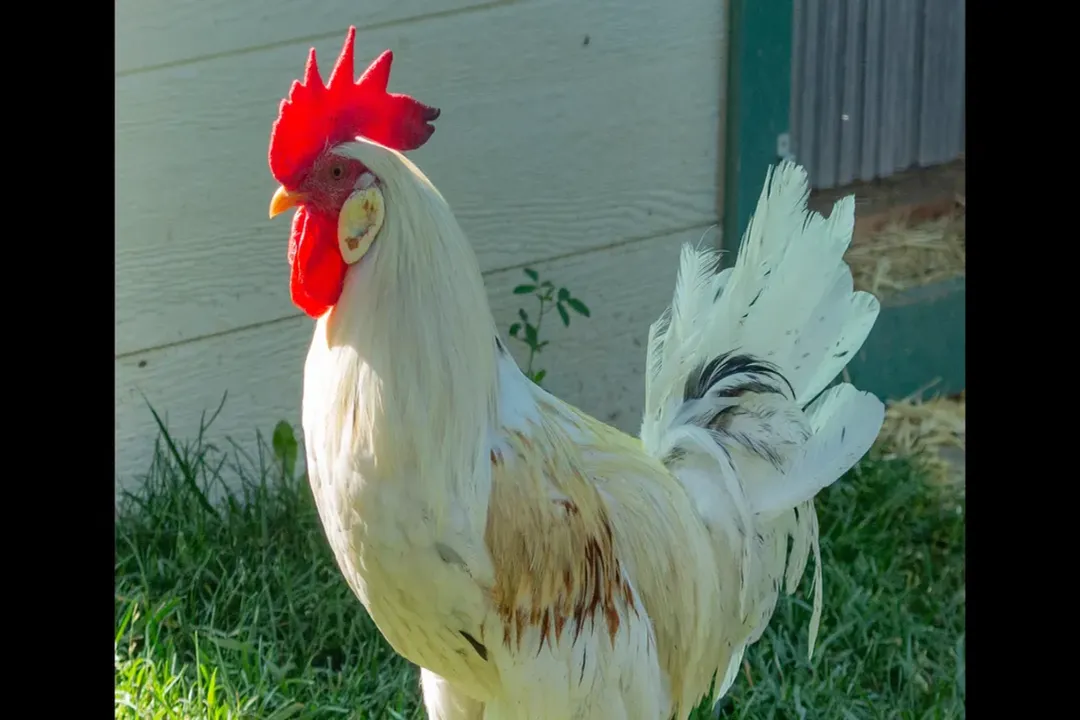
The Wyandotte chicken, a fixture in poultry keeping across the globe, possesses a fascinating lineage that is neatly captured by its scientific classification. While many keepers are intimately familiar with its distinctive appearance—the lush feathering, the neat rose comb, and its dual-purpose utility—understanding where this bird sits in the grand scheme of biological organization reveals much about its history and hardiness. The classification process systematically places the Wyandotte, like all domestic chickens, under the scientific name Gallus gallus domesticus. This designation immediately tells us that, despite centuries of selective breeding resulting in distinct breeds like the Wyandotte, they are fundamentally a subspecies of the Red Junglefowl (Gallus gallus).
# Taxonomic Placement
The formal taxonomy charts the Wyandotte’s biological path from the broadest grouping down to the species level. This tiered structure is essential for biologists and poultry scientists when discussing genetics, evolution, and disease vectors.
The hierarchy begins at the highest level of classification available in the data:
- Domain: Eukaryota
- Kingdom: Metazoa (Animals)
- Phylum: Chordata
- Subphylum: Vertebrata
- Class: Aves (Birds)
- Order: Galliformes
- Family: Phasianidae
- Genus: Gallus
- Subspecies: Gallus gallus domesticus
The Wyandotte fits squarely within the Gallus gallus domesticus designation, which encompasses all breeds of the domestic chicken. Within the Phasianidae family, which includes pheasants and turkeys, the Gallus genus is specifically dedicated to junglefowl and their descendants. This placement underscores the fact that the domestic chicken’s ancestry traces back to wild junglefowl species.
# Species Identity
The species name, Gallus gallus domesticus, highlights a key area of scientific discussion: the origin of the domestic fowl. There are generally two prevailing theories regarding this domestication event: a monophyletic origin, suggesting all domestic chickens descended from a single species, Gallus gallus (the Red Junglefowl); and a polyphyletic origin, which suggests contributions from multiple Gallus species. While the debate continues, most investigators agree that G. gallus served as the main ancestor. Furthermore, evidence shows that hybridization between various Jungle Fowl species and existing chicken populations occurred widely, suggesting some genetic mixing may have contributed to the diversity we see today.
It is significant to note that the Wyandotte breed itself is relatively new, having been created in the United States during the 1870s. Despite its American origin, the genetic building blocks contributing to its creation—such as spangled Hamburgs and dark Brahmas—point toward Eurasian ancestry. This development in the New World, leading to a standardized American breed classified under a species whose domestication is heavily linked to Asia, demonstrates how human selection and geographical separation create new, recognized varieties within a widely distributed domestic subspecies. The Wyandotte’s very existence illustrates a specific, localized branch on the G. gallus domesticus tree of life.
# Breed Characteristics as Taxonomic Markers
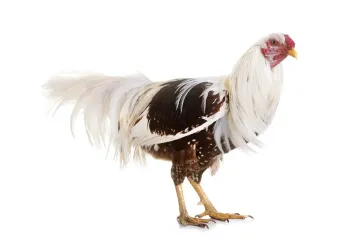
While the scientific classification defines the broad species, the breed standard defines the specific characteristics that separate the Wyandotte from, say, a Leghorn or a Plymouth Rock, all of which share the same Gallus gallus domesticus classification. These physical traits are the observable results of genetic variation selected by breeders.
For instance, the Wyandotte is officially recognized by the American Poultry Association (APA) with a rose comb type. The choice of the rose comb was not arbitrary; it is a low-profile comb that resists frostbite, a distinct advantage in colder climates. Considering the breed’s development in the late 19th-century American environment, this adaptation is a prime example of how human husbandry goals align with selecting for physical traits that enhance survival or utility in a specific environment—a subtle form of artificial selection within the established domestic species. The rose comb, contrasting with the single comb found on many Mediterranean breeds, is a tangible feature that distinguishes its specific genotype expression within the species.
Another defining physical marker relates to its dual-purpose nature. Wyandottes are valued both for brown eggs and for yellow-skinned meat. Their adult weights are substantial, with males typically ranging from 3.5 to 4 kg (8 to 9 lb) and females between 2.7 to 3.2 kg (6 to 7 lb). These heavier weights place them firmly in the "heavy" or utility classes recognized by poultry standards organizations like the Poultry Club of Great Britain, which classifies them as soft feather: heavy. This places them in a different utility niche compared to smaller bantams or lighter egg-laying breeds, though bantam versions of the Wyandotte also exist.
# Coloration and Genetic Diversity
The vast array of color variants recognized across different international standards speaks volumes about the genetic plasticity within Gallus gallus domesticus. The Wyandotte is famous for its lacing patterns, with the silver-laced variety being the original from which many others derived.
The development of these colors shows genetic progression:
- The gold-laced variant arose from crossing silver-laced hens with gold-spangled Hamburg and partridge Cochin males.
- The white variant was a sport (a spontaneous mutation) of the silver-laced stock.
- The Columbian pattern resulted from an accidental cross between white Wyandottes and barred Plymouth Rock birds.
This rapid development of distinct, recognized color patterns—nine are recognized by the APA alone—illustrates the incredible capacity for phenotypic expression within the domestic chicken subspecies when subjected to focused breeding programs. If one were to track the inheritance of these color genes, they would be charting specific allelic variations occurring within the shared genome pool of G. g. domesticus. The fact that the Entente Européenne lists thirty colors, compared to the PCGB’s list of thirteen recognized colors, shows that while the base species is universal, local interpretation and acceptance of genetic expressions lead to recognized breed diversity variations.
If a flock keeper is aiming to maintain the integrity of a specific coloration, such as the delicate pattern of the silver-penciled variety, they must be acutely aware of genetic drift. For instance, an occasional observation is that silver-laced cocks may sometimes exhibit hen feathering. While this isn't a classification issue, it’s a genetic curiosity showing linkage or sex-linked traits that can sometimes pop up, challenging the expected morphology even in established lines.
# Wyandotte in the Global System
The Wyandotte's status is further defined by its relationship to conservation lists, which track the maintenance of breeds within the domestic subspecies. In 2016, the breed was no longer considered in danger and was removed from the priority list of the American Livestock Conservancy, having previously been listed as "recovering" in 2015. In Germany, it is listed in category IV, labeled "alert," by the local preservation society. This highlights that even within a globally successful species like G. g. domesticus, individual breeds can face localized conservation concerns based on popularity or utility shifts over time.
A keeper raising Wyandottes should remember that while their bird is scientifically classified as Gallus gallus domesticus, their bird is a product of an intentional American lineage established in the late 19th century, named in honor of the indigenous Wyandot people. This naming convention, common in the breed registries, connects the specific breed back to human cultural history, even though their deepest evolutionary roots lie with the wild junglefowl of Asia.
To summarize the unique position of the Wyandotte within the Gallus genus, one can compare its primary classification markers to its utility profile. It is a bird defined by its American Standard of Perfection, yet its physical makeup speaks to traits derived from Eurasian fowl. Its classification as domesticus allows it to be raised anywhere humans reside, but its physical structure—the rose comb, the heavy body—makes it particularly suited for those regions with colder climates, a functional benefit derived from its specific genetic makeup that separates it from hot-weather breeds, even though both share the exact same species name. This interplay between the broad biological classification and the narrow, human-defined breed standard is what makes breeds like the Wyandotte so compelling for both the scientist and the backyard enthusiast.
# Breed Varieties and Standardization
The recognition of different Wyandotte varieties is managed by different international bodies, showing how classification extends into regulatory definitions. The American Poultry Association (APA) recognizes nine color varieties for the standard bird, including black, buff, Columbian, golden laced, partridge, silver laced, and white. This list does not include all possibilities; for instance, the buff-laced and blue-laced varieties are recognized elsewhere.
The Poultry Club of Great Britain lists barred, black, blue, buff, Columbian, gold-laced, partridge, red, silver-laced, silver-penciled, and white. This difference in recognized standards means that a bird considered a perfect specimen by one registry might be disqualified or even considered an unlisted variety by another, despite both birds belonging to the same subspecies, Gallus gallus domesticus. A dedicated breeder working across international lines must contend with these slight divergences in accepted genetic expression, even when their birds are taxonomically identical at the species level.
# Practical Classification for the Keeper
For the average keeper, understanding the Wyandotte’s scientific classification serves a foundational purpose: disease management. Because all Wyandottes are Gallus gallus domesticus, they are susceptible to the wide array of pathogens, viruses, and deficiencies known to affect domestic fowl globally. The CABI Compendium lists a vast array of potential issues, from coccidiosis and fowlpox to various vitamin deficiencies, all relevant to this subspecies. Knowing the bird belongs to this widespread species alerts the keeper to general poultry health management protocols, irrespective of the Wyandotte’s American breed origin. Conversely, a bird in the family Phasianidae, such as a pheasant, might present different disease profiles, making the Gallus genus placement important for specific veterinary responses. The fact that the Wyandotte is commonly kept for production (eggs and meat) means it is subject to the typical pressures and needs of production birds, despite its dual-purpose heritage. Its classification as a dual-purpose breed indicates a moderate growth rate and reliable egg production, traits highly valued since the breed's inception.
Related Questions
#Citations
Wyandotte chicken - Wikipedia
Gallus gallus domesticus (chickens) | CABI Compendium
Domestic Chicken - ZooMontana