Wrasse Physical Characteristics
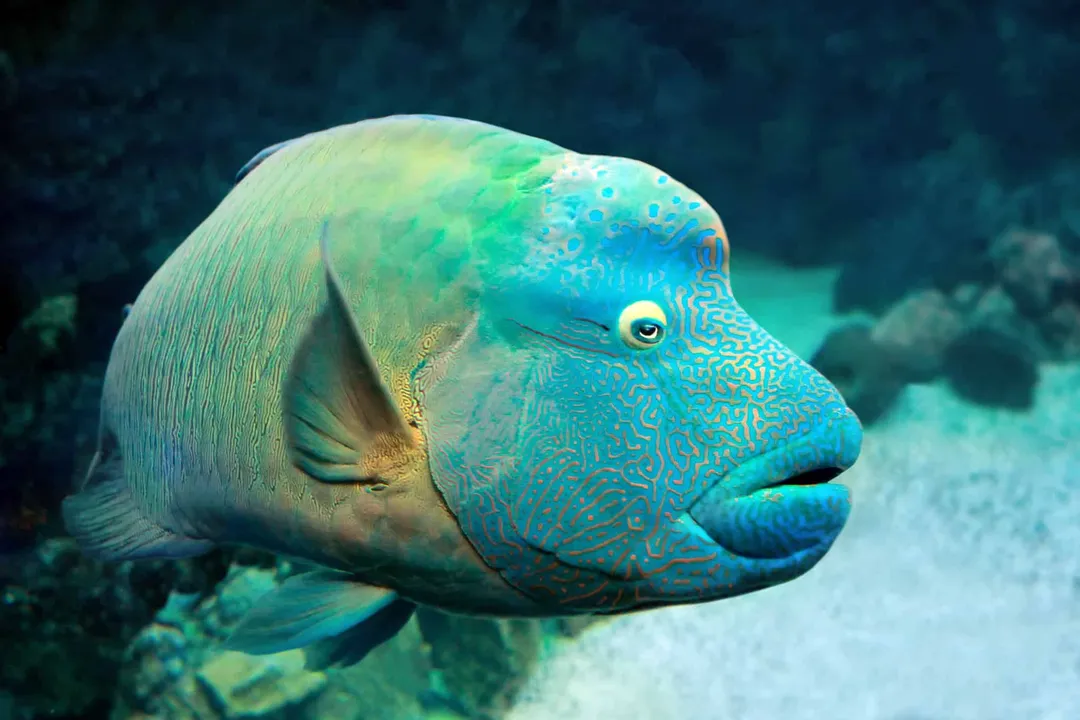
The wrasses, members of the diverse family Labridae, present an astonishing array of physical characteristics across their many species, making a single definitive description almost impossible. [1][2][9] While generalizations exist—such as having elongated bodies—the sheer variability within this group is perhaps their most defining physical trait. [2][3] These marine teleost fishes are found in tropical and subtropical waters globally, and their appearance reflects their varied habitats and feeding strategies. [2][4]
# General Form
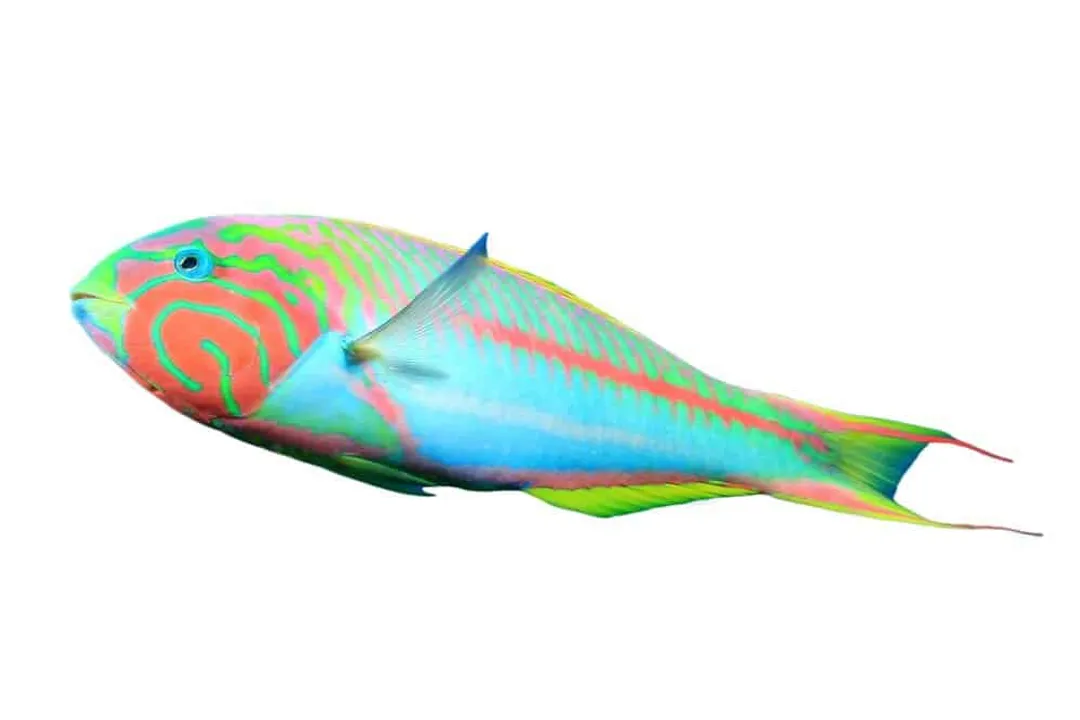
Most wrasses possess a body shape that is generally elongated and somewhat fusiform, tapering towards the tail, which aids in maneuverability within complex reef structures. [1][2] The scales covering their bodies are characteristically ctenoid, meaning they have small, tooth-like projections along their edges, which may contribute to streamlining. [1] Size differences are dramatic; while many species are relatively small, hovering around a few inches in length, others are giants of the reef. [2] For instance, the enormous Humphead Wrasse can reach lengths of up to 2.3 meters and weigh upwards of 190 kilograms, a significant outlier compared to their smaller relatives. [5]
The fins also contribute to their distinct morphology. The dorsal and anal fins typically contain spiny rays mixed with soft rays, providing structural support and aiding in stability while swimming or holding position against currents. [2] Pectoral fins are often relatively large, which many wrasses use for precise maneuvering around corals and rocks. [2]
It is interesting to note how different lineages have adapted this basic fusiform blueprint. While some species favor a slender, eel-like profile for slipping into crevices, others, like the hogfishes sometimes grouped near wrasses or related genera, develop deeper, more laterally compressed bodies, suggesting distinct swimming styles optimized for either burst swimming or slow cruising. [4] If a novice aquarist observes a small, darting Cirrhilabrus species next to a larger, chunkier Halichoeres, the underlying evolutionary commitment to the Labridae body plan remains, yet the specific execution varies markedly based on ecological role. [6]
# Coloration Diversity
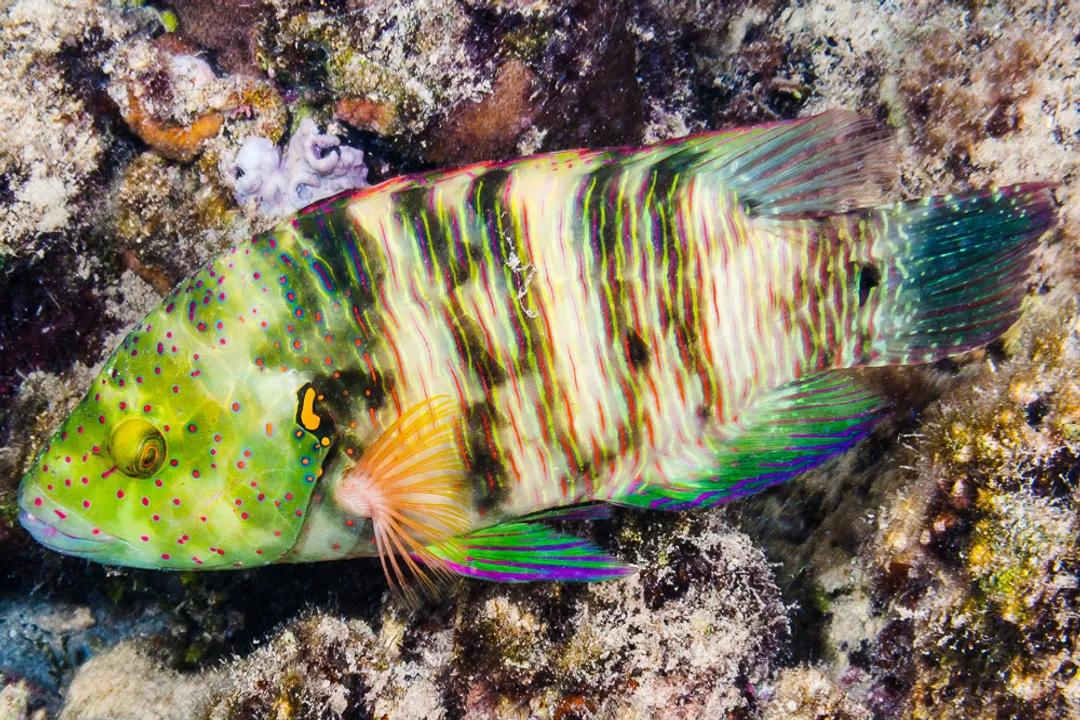
Perhaps the most immediate and recognizable physical characteristic of wrasses is their spectacular and often bewildering range of coloration. [2][3] Their patterns are frequently brilliant, involving vivid blues, greens, reds, yellows, and complex combinations thereof. [2] This vibrant palette serves multiple purposes, from camouflage among colorful corals to species recognition and signaling during mating rituals. [2]
A critical aspect of wrasse physical appearance involves color phases, which are directly linked to their complex social structures and sequential hermaphroditism—the ability to change sex during their lifetime. [2][7] Many wrasses exhibit two main phases: the initial phase and the terminal phase. [2] Initial phase fish are typically duller, often featuring shades of brown, yellow, or white, and this phase includes all juveniles and sexually active females. [7] As a fish transitions to the terminal phase, becoming a dominant, sexually active male, its coloration often intensifies dramatically. [2]
The Bluehead Wrasse, Thalassoma bifasciatum, provides a classic example of this transformation. [7] The initial phase fish might be relatively plain, perhaps exhibiting a general yellowish or brownish hue. [7] Conversely, the terminal phase male often displays a starkly contrasting appearance, frequently featuring a bright blue or green head separated by a dark lateral stripe from a lighter body section. [7] The snout structure also changes slightly, with terminal males often developing a more elongated snout compared to their female counterparts. [7]
This capacity for dramatic chromatic shifts means that identifying a wrasse species based on color alone can be misleading without observing the fish’s behavior or body structure, especially in mixed-sex environments. [2] While many species utilize color for camouflage or display, the extent and permanence of these phase changes separate the wrasses from many other colorful reef dwellers. A fish transitioning from dull brown to neon blue over weeks or months showcases a fundamental physical reorganization far beyond simple pigment adjustments seen in some other fish families. [7]
# Jaws Teeth
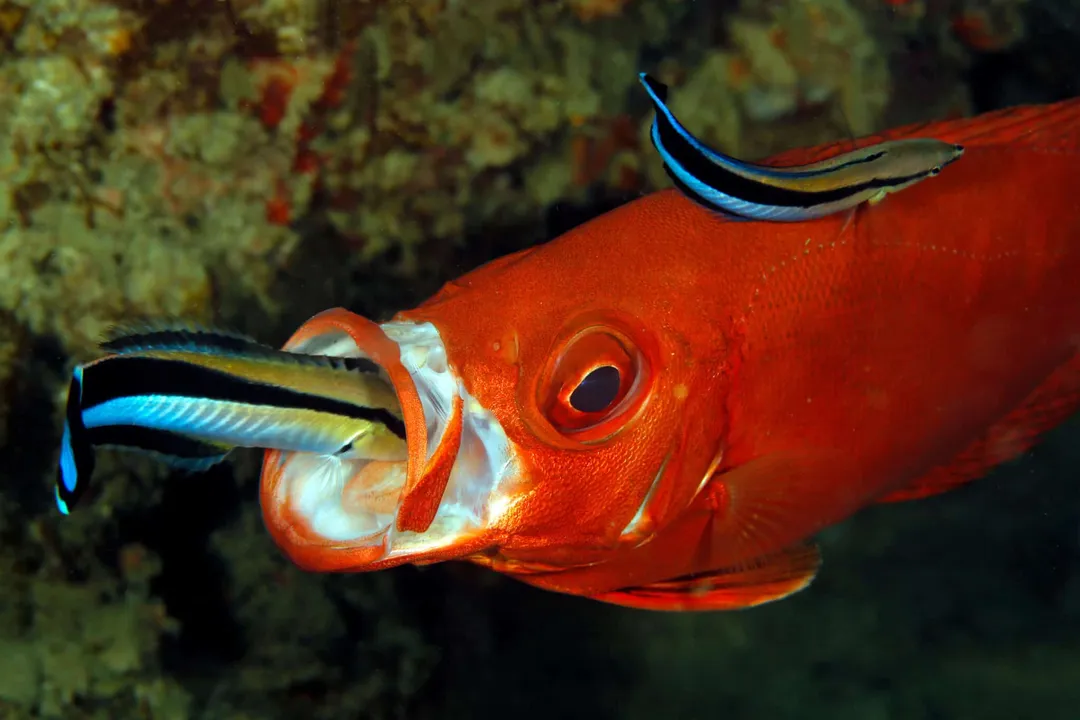
The structure of the mouth and teeth in wrasses is highly specialized and offers significant clues into their feeding habits, functioning as a key part of their physical identification. [4] Wrasses are generally characterized by having mouths that are protrusible. [2] This means they can rapidly extend their jaws forward from the face, creating a suction effect to quickly vacuum small invertebrates or plankton from crevices or the water column. [2][4]
Their teeth are usually set in distinct bands or feature prominent canines. [2] These dental arrangements vary according to diet: species that crush hard-shelled prey, such as crustaceans or mollusks, possess robust, parrot-like crushing surfaces or strong, blunt teeth. [4] In contrast, those feeding primarily on small, soft-bodied organisms or plankton have smaller, less specialized teeth suited for nipping or filtering. [2]
This morphological diversity in feeding apparatus is a strong indicator of niche partitioning within reef ecosystems. For example, observing a wrasse with exceptionally thick, fused teeth hints at an existence spent cracking open encrusted snails or barnacles, requiring physical tools specialized for high-force impacts. [4] This contrasts sharply with the delicate, projecting jaw of a species specialized in picking tiny copepods off the tips of soft corals. The physical structure of the mouth itself, therefore, is a direct reading of the fish’s primary interaction with its environment. [2][8]
# Species Variation
While the Labridae family is unified by certain characteristics, the physical spectrum ranges across several distinctive archetypes, as highlighted by specialized genera. [1][5]
# Humphead Morphology
The massive Asian Sheepshead Wrasse, or Humphead Wrasse (Cheilinus undulatus), showcases a prime example of physical specialization driven by size and age. [5] The most striking feature, which gives the fish its name, is the prominent, fleshy hump located on its forehead, known as the nuchal hump. [5] This feature becomes more pronounced as the fish matures and is considered a characteristic marker of the species. [5] Furthermore, these large fish possess thick, fleshy lips and large scales, giving them a somewhat rugged appearance compared to the sleeker, smaller reef wrasses. [2][5] Their sheer bulk dictates a different type of movement and habitat use than smaller species, often found foraging over sandy bottoms or in slightly deeper surge zones rather than shallow, complex branching corals. [5]
# Head Features
Beyond the pronounced hump of the Cheilinus, other genera exhibit unique head characteristics. Some wrasses are noted for having prominent lips, while others might display unique fleshy appendages or filaments extending from their fins, especially during breeding periods, which serve as visual signals. [2] The shape of the snout—whether blunt, pointed, or elongated—is a reliable trait for distinguishing species, even when coloration is in flux. [7] Even within the Thalassoma genus, which features similar overall body shapes, subtle differences in the profile of the dorsal fin origin or the degree of snout elongation differentiate species like the Bluehead from others. [7] Understanding these subtle, consistent physical markers—the fin ray counts, scale patterns, and mouth configuration—provides a more stable identification key than relying on the ever-changing display of pigments. [1][2]
Related Questions
#Citations
Labridae (Wrasses) | INFORMATION - Animal Diversity Web
Wrasse - Wikipedia
Wrasse Fish Facts - A-Z Animals
Wrasse fish - List of fishes - Fishipedia
Humphead Wrasse – Discover Fishes
Wrasses in My Aquarium | Tropical Fish Hobbyist Magazine
Wrasse | Marine, Coral Reefs & Cleaners - Britannica
Blue Head Wrasse - Lamar University
Wrasse - an overview | ScienceDirect Topics