Woma Python Diet
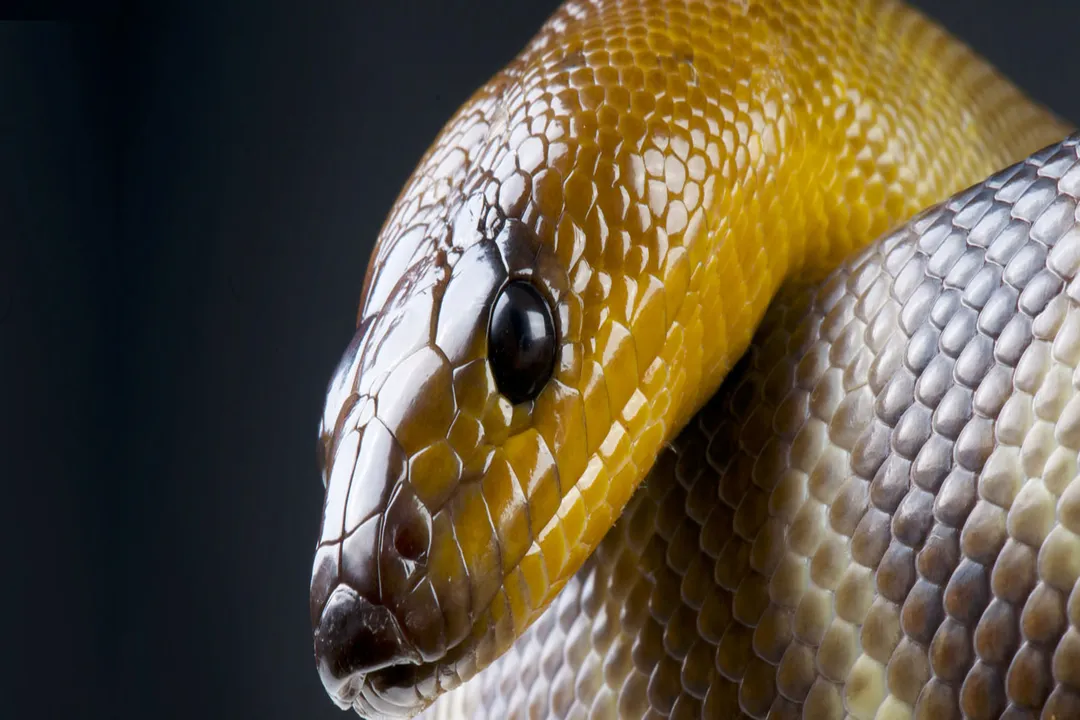
The dietary requirements for the Woma Python (Aspidites ramsayi) center around providing consistent, whole-animal nutrition appropriate for a terrestrial, carnivorous snake. [1][3] These Australian natives are noted by keepers for having a particularly strong appetite, often described as being "total garbage disposals", which is a helpful trait when establishing a captive diet, though it also presents a risk for obesity if not managed. [9]
# Carnivore Identity
As obligate carnivores, Woma Pythons require whole prey items to meet all their necessary nutritional needs. [1][4] Their feeding mechanism is powerful; in the wild, they ambush prey, sometimes using a unique tail-luring technique, or hunt within burrows where they may pin or "squish" their meal against the burrow wall rather than using typical constriction coils due to space limitations. [2][3] This hunting method, which involves pressing prey against a surface, can sometimes lead to the snake acquiring scars from retaliating rodents, highlighting their need for substantial, whole meals. [3]
# Wild Menu Basis
Understanding what Aspidites ramsayi consumes in its natural habitat provides the foundation for responsible captive feeding. In the arid and semi-arid regions they inhabit, their diet is broad, consisting of terrestrial vertebrates. [3] This naturally includes small mammals, ground-dwelling birds, and lizards. [2][3] Furthermore, they are known to consume bird eggs. [2] A particularly remarkable aspect of their natural diet is their reported consumption of many of Australia's venomous snakes, to which the Woma is fortunately immune. [2]
The reliance on a varied, whole-prey diet in the wild—encompassing mammals, reptiles, and birds—should inform the keeper that while the staple captive diet often defaults to rodents, variety is essential for optimal long-term health and preventing potential nutritional deficiencies. [1] A diet consisting solely of one type of feeder, like mice or rats, might not perfectly replicate the full spectrum of nutrients and textures they receive naturally. [1] This is why occasional supplementation, such as dusting meals with a calcium/vitamin blend like Repashy Calcium Plus LoD, is recommended by some experts, even if the snake can survive without it. [1][4]
# Standard Feeders
For most keepers, establishing a routine with commercially available frozen/thawed (F/T) rodents is the most practical approach. [1][4] This typically means mice and rats serve as the primary fare. [1][4][6][7] If one type is refused, switching the size or the rodent species can sometimes encourage feeding.
However, to better align with their wild intake, which includes avian and reptilian prey, providing occasional enrichment through alternative feeders is beneficial. [1] Acceptable additions, when sourced safely from reputable suppliers to avoid parasites, include small hamsters, gerbils, quail, chicks, or even feeder lizards/snakes. [1][5] For individuals struggling with F/T rodents, experienced keepers have suggested trying day-old quail chicks or even dipping the rodent prey item in the yolk of a cooked or raw quail egg to introduce a novel scent and flavor profile. [5] Even though Womas are known to eat fish in the wild, keepers interested in offering fish for enrichment should take care to ensure any aquatic prey is free of thiaminase, an enzyme that breaks down vital B vitamins. [5]
# Prey Sizing Rules
Proper prey sizing is crucial for both effective feeding and avoiding health issues like regurgitation or obesity. [1][4] The general guideline suggests the prey item's width should be no more than 1.5 times the width of the snake's widest point, or alternatively, the prey should weigh around 10% of the snake's body weight. [1] One custodian group advises feeding an item that is "a little larger than the Python's tummy" to ensure good growth. [5] As Womas grow, their meals must scale up accordingly, moving from smaller items like hopper mice or rat pinkies for hatchlings to larger rats for adults. [7] It is important for keepers to monitor the snake's body condition, reducing feeding frequency if the snake appears to be gaining too much weight. [1]
# Frequency Schedule
The required feeding interval changes significantly as the snake matures, reflecting a shift in metabolic rate. [1][4]
| Life Stage | Suggested Frequency | Notes |
|---|---|---|
| Babies/Juveniles | Once per week (1x/week) | Ensures proper growth and weight maintenance. [7] |
| Adults | Every 2 to 3 weeks | Frequency may vary; some may eat regularly for months, then fast. [1][4][6] |
It is important to note that adult Womas can often go for extended periods without food, sometimes abstaining for up to six months, which is considered normal behavior outside of the cooler months when fasting is expected. [6]
# Thawing Protocol
Handling frozen rodents requires careful preparation to ensure the meal is safe and appealing. Prey must be completely thawed before presentation. [1][6] The accepted method is thawing the item inside a sealed plastic bag submerged in warm water. [1][4] The goal is to warm the prey to approximately 100°F—warm to the touch but not hot enough to cook the contents, which can cause internal burns to the snake and lead to regurgitation. [1][4][6] Always offer the thawed meal using long, soft-tipped tweezers rather than bare hands. [1][4]
# Feeding Challenges
While Womas are generally excellent eaters, inappetence can occur, especially when a snake is newly acquired. A primary factor in refusing food is incorrect thermal regulation; if the ambient temperature drops too low, digestion stalls, and the snake will refuse food until conditions are right. [6] Some keepers maintain basking spots at or above 88°F or even 90°F or higher, especially when first introducing a snake to a new environment. [1]
When a refusal persists despite correct husbandry, the issue might be the prey type or size. If a snake is used to eating multiple smaller meals (as one previous owner mentioned feeding weaned rats at once), switching to a single, larger item might cause hesitation. In these specific cases, trying different prey like quail, or employing scenting techniques with richer food items to stimulate the appetite, can be successful. If all husbandry parameters are correct and refusal lasts beyond a few weeks outside of a natural cool-down period, a veterinarian specializing in reptiles should be consulted. [6]
# Post-Meal Care
The digestive process in pythons is directly tied to their environment, making post-feeding management critical. Never offer food if the snake has not had access to sufficient heat for digestion, as the meal can decompose internally, leading to regurgitation, gastrointestinal issues, or even death. [6] If a snake does regurgitate, keepers are advised to avoid handling for at least two days following the event to allow the digestive tract to recover. [7] Furthermore, handling should be postponed entirely for several days after a successful feed, and also avoided when the snake is nearing a shed cycle (when eyes appear "milky"). [6] Observing a healthy feeding routine, paired with appropriate thermal gradients, is the best defense against digestive upset. [6] The requirement for high basking temperatures—around 90°F—paired with a cooler ambient end around 82-86°F—becomes especially important after ingestion, as the energy expended to digest a meal is significant for an ectotherm. [1][4] The need for a dependable heat source after eating, therefore, is more than just a comfort measure; it is a direct necessity for breaking down the prey item safely. [6][7] This aligns with their biology: while they spend much of their time resting, they are active hunters at night when humidity is higher, suggesting that the post-hunt digestion requires optimal, stable warmth, which must be provided continuously in captivity, even when the main lights are off. [2][4]
Related Questions
#Citations
Woma Python Care Sheet - Dubia.com
Woma Python - Facts, Diet, Habitat & Pictures on Animalia.bio
Woma Python food options? | Aussie Pythons & Snakes Forum
Woma Python - Lehigh Valley Zoo
[PDF] Aspidites Species Caresheet - (Woma and Black Headed Pythons)
Woma Python Care Sheet - Dynasty Reptiles
Woma not eating : r/snakes - Reddit
How to Care for Your Woma Python - Reptile Supply
Vet's 2025 Guide to Woma & Black-Headed Python Care