Do piebald ball pythons have issues?
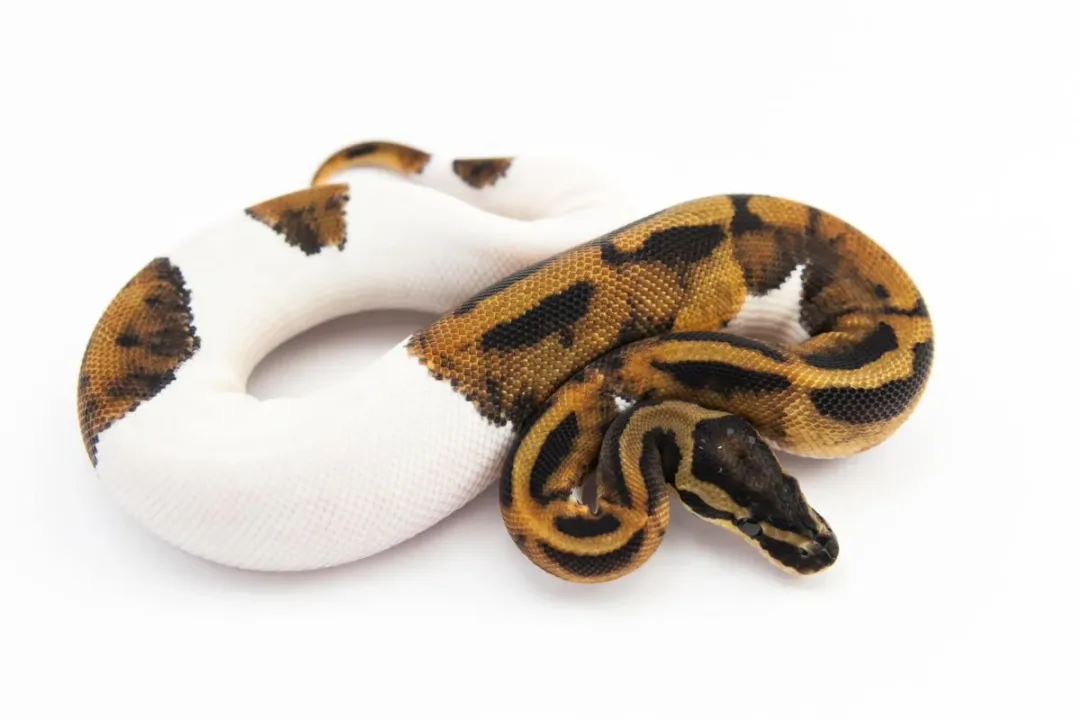
The conversation around piebald ball pythons often centers on their striking aesthetics, but anyone considering bringing one home, or who already keeps one, naturally wonders about potential health hurdles. While many keepers associate the term "Pied" with a generally healthy reptile—and indeed, the gene itself is recessively inherited and, in isolation, not tied to systemic defects like the wobble seen in some other morphs—the real questions arise when this gene interacts with other specific traits. [1][3] The history of the morph dates back to the first production by Peter Kahl Reptiles in 1997, marking it as a well-established recessive trait in the hobby. [1]
# Eye Complications
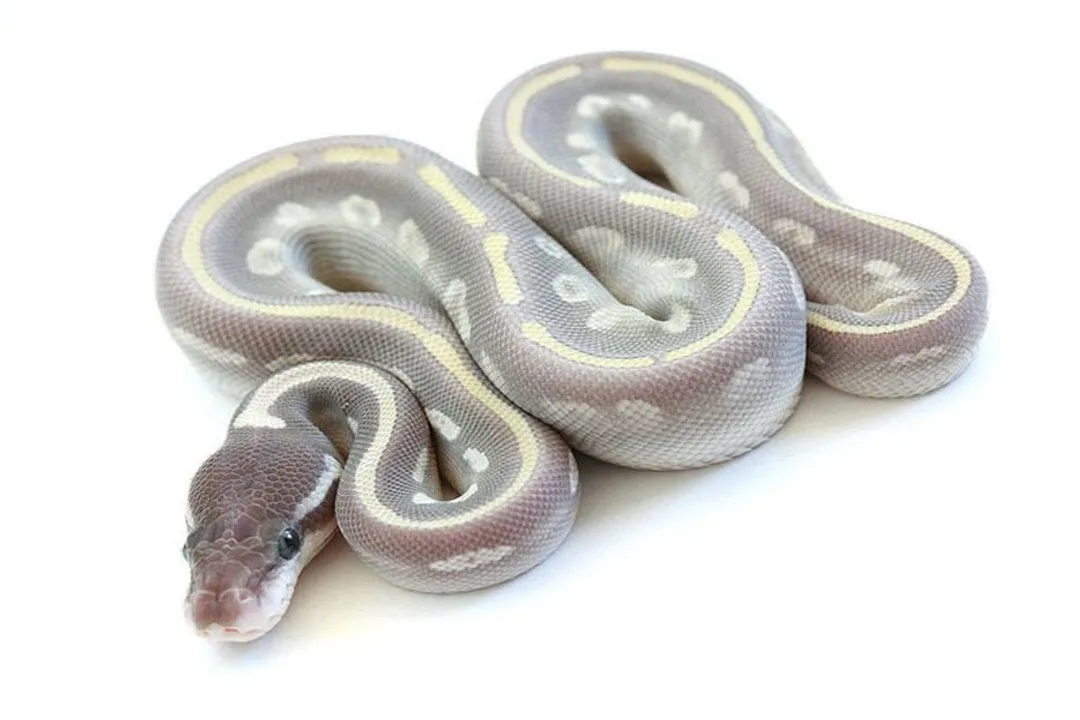
The most frequently cited and serious "issues" concerning piebald ball pythons are not caused by the lack of pigment itself, but by genetic synergy when the Piebald gene (P) is combined with certain Super forms, particularly those within the Blue Eyed Leucistic (BEL) complex. [4][5] This interaction can result in a condition known as microphthalmia, or abnormally small eyes, and in some documented cases, a complete lack of eyes. [4][5]
It is important to distinguish between the genetic cause and environmental factors. While some instances of "no eyes" have been attributed to poor incubation—specifically, temperatures that were too high or fluctuated significantly—the occurrence of visibly reduced eyes is strongly linked to specific genetic pairings. [5]
The critical factor appears to be the combination of a homozygous Piebald with a Super gene from the BEL complex. The BEL complex genes, when homozygous (or "Super"), are what produce the visual Blue Eyed Leucistic effect. When any Superform from this group is combined with a Piebald, the resulting snake often exhibits the eye defect. [4]
Specific Superforms known to produce this result when paired with Piebald include:
- Super Lesser [1][4][5]
- Super Phantom [1][4]
- Super Mystic (Mystic Potion) [1][4]
- Super Mojave [1]
- Super Bamboo [1]
- Super Fire [1]
- Super Vanilla [1]
- Super Sulfur [1]
- Super Lemonback [1]
- Super Disco [1]
- Super Mocha [1]
- Super Special [1]
- Super Daddy Gene [1]
Interestingly, the community discussion also highlights a crucial difference between gene complexes. While the Lesser/Butter genes within the BEL complex are problematic when Super and combined with Piebald, the Black Eyed Lucy (BEL) complex morphs, when paired with Piebald, do not seem to carry the same inherent risk for these eye defects, according to some experienced keepers. [3] This suggests that the mechanism causing the eye reduction is specific to the allelic makeup of the BEL group, not all forms of leucism or pattern disruption. [3]
If a keeper is looking at a Piebald that is also carrying genes like Lesser or Mojave, they are looking at a Blue Eyed Leucistic Piebald, and the risk of microphthalmia is considerable across all these Super forms. [4][5] One way to visualize the risk profile, based on gathered community insights, is that the expression of the small eye phenotype seems to be most severe and consistent in the Super forms of the Lesser/Butter spectrum when combined with homozygous Piebald. [4]
| Combination Type | Known Issue with Piebald | Severity Note |
|---|---|---|
| Super BEL Complex Gene + Homozygous Pied | Microphthalmia (Small Eyes) | High consistency across several Supers (Lesser, Mystic, Phantom) [4][5] |
| Super Lesser/Butter + Pied | Small or No Eyes | Specifically noted as a major risk [5] |
| Non-BEL Superform + Pied | Generally no associated eye defect | Issue is gene-specific, not a universal Pied problem [3] |
| Any Ball Python + Incubation Error | No Eyes | Attributed to temperature issues, not primarily genetics [5] |
When considering these combinations, it is worth noting that while microphthalmia means the snake has smaller eyes, keepers have observed that even eyeless balls can often thrive, suggesting blindness itself might not lead to immediate suffering or a severely reduced lifespan, provided other husbandry needs are met perfectly. [4]
# Feeding Challenges
Beyond the visual genetic combinations, some anecdotal evidence points toward a more immediate husbandry issue that can prove fatal: feeding refusal and regurgitation. While the general consensus is that Piebalds are docile pets that enjoy attention, [2] there are reports suggesting that some individuals exhibiting the Piebald mutation can become notoriously difficult eaters [^1 (YouTube comment)].
One account shared by a keeper noted that their Piebald gave its caretaker "absolute hell," refusing to eat willingly and frequently regurgitating its meals, which sadly resulted in the snake's death because it could not keep anything down [^1 (YouTube comment)]. This suggests a potential sensitivity or inherent pickiness in some Pied lineages that goes beyond the standard reluctance sometimes seen in stressed ball pythons.
This observation leads to an important proactive step for any owner of a Piebald, especially one with very high white expression, which represents the most significant change from the wild-type appearance. When acquiring any visually striking morph, particularly one with extensive white patterning, it is wise to establish a consistent feeding routine immediately and be prepared for potential transitional difficulty. If a young Pied is reluctant to take frozen/thawed prey, owners might consider temporarily offering smaller prey items or even switching to live food briefly (if ethically acceptable to the keeper) to ensure consistent caloric intake during the initial adjustment period, effectively getting them started on solid feeding habits before attempting the conversion to thawed rodents, which is a process that can stress sensitive eaters [^1 (YouTube comment)]. While we cannot state the feeding issue is genetic to the Pied trait generally, these reports indicate that some Pieds are more sensitive eaters than the average ball python, demanding extra diligence from the keeper. [2]
# Pattern Anomalies
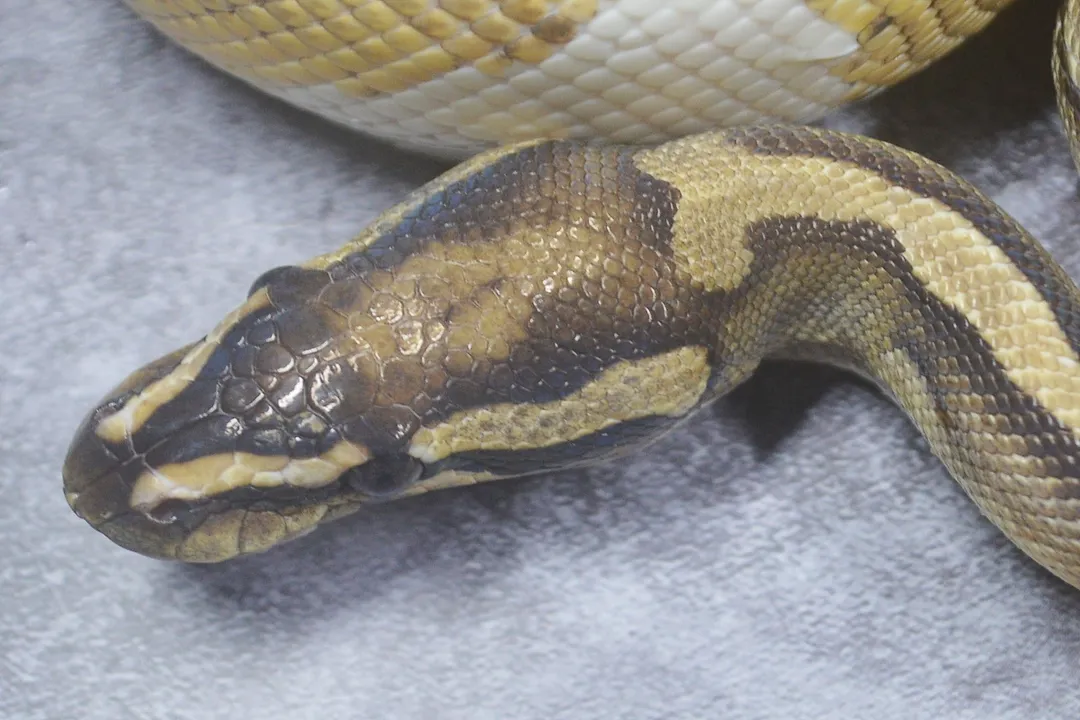
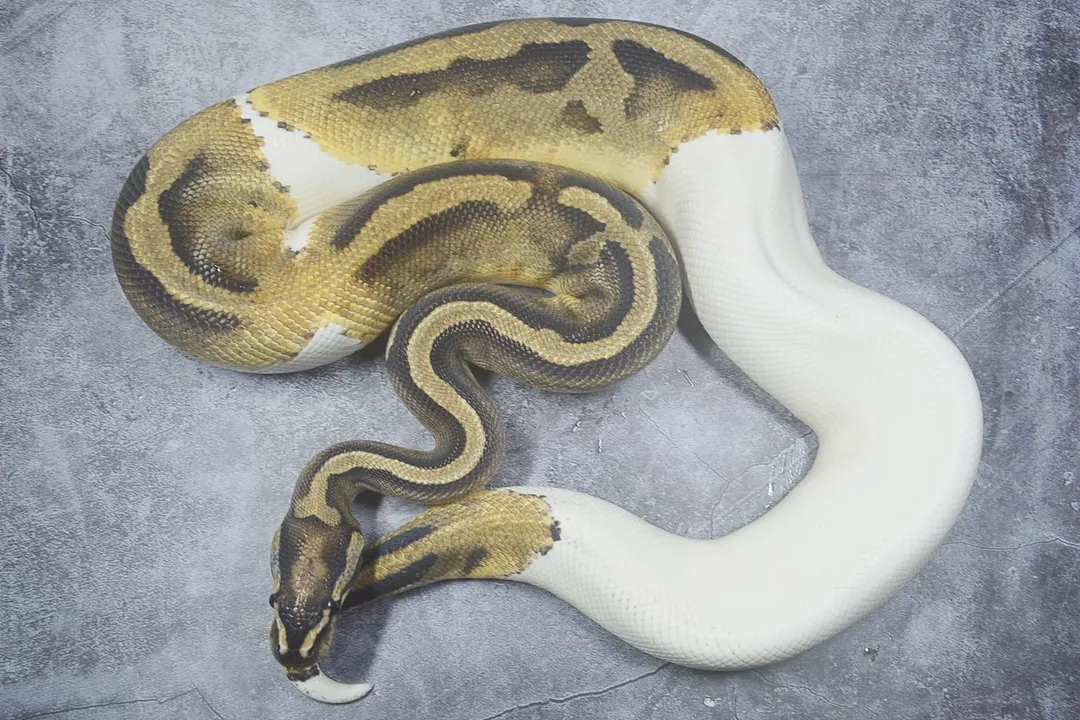
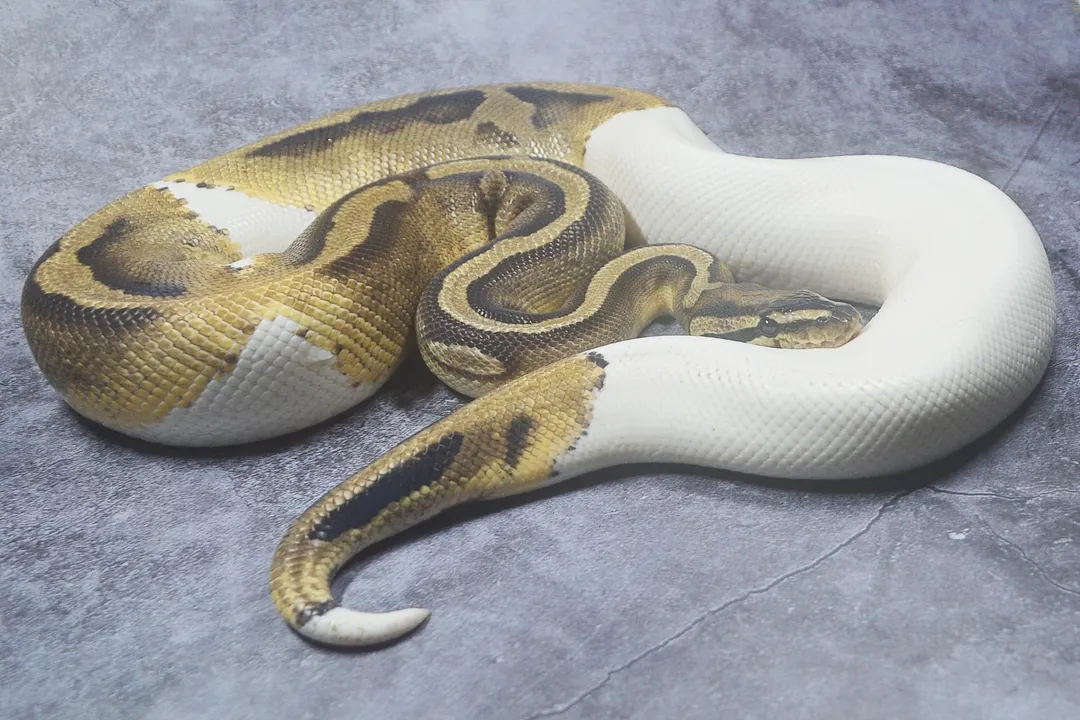
The very nature of piebaldism—the random distribution of pigment loss—is both the aesthetic appeal and a source of minor, non-life-threatening variation. The amount of white can range from having only a few small patches (low white) to being almost entirely white (high white). [1] Every Piebald possesses a unique pattern, which is entirely random. [1]
This randomness can manifest in other visual oddities beyond the main splotches. Piebald ball pythons seem to have offspring that show traits referred to as 'ringers' more frequently than other morphs. [1] A ringer is an unusually placed marking or a patch of scales different from what is expected based on the pattern structure. [1] Similarly, these snakes can sometimes exhibit 'paradox' spots, which can be single scales or small clusters showing color where they theoretically should not based on the pattern disruption. [1]
While these are not health issues in the traditional sense—they don't impede survival or function—they are noteworthy for breeders and collectors. For example, a keeper might expect a certain level of pattern coverage based on parental genetics, but the actual expression on the offspring can vary widely, even with established lines like the Kahl Line or Kobylka Line. [1] Understanding this randomness is key to appreciating the individual beauty of each snake, rather than measuring it against a perceived standard.
# Differentiating True Defects
It is common for new enthusiasts to conflate issues associated with one morph complex onto another, and this frequently happens with Piebalds because they are so often bred into other visual traits. The neurological condition known as the "wobble" is a significant defect in ball pythons, but it is specifically linked to the Spider complex and related genes (like Champagne, Hidden Gene Woma, Power Ball). [4][3]
The Piebald gene is recessive and does not carry the wobble factor. Therefore, a pure, un-comboed Piebald should not exhibit this head-shaking or equilibrium loss. [3] The confusion arises when Piebald is successfully combined with a wobble-inducing gene, such as in a Spider Pied, which would then display the wobble defect inherited from the Spider side of the lineage, not the Pied side. [3] Similarly, spinal deformities like kinking are often linked to Super Cinnamon/Super Black Pastel or Caramel Albino, not Piebald. [5]
In summary, for a ball python carrying only the Piebald gene, the primary concerns shift from inherent genetic defects to two main areas: the severe, though sometimes avoidable, eye issues that arise when compounded with Super BEL complex traits, and the documented potential for specific individuals to struggle severely with feeding behavior. [1][4][5] For all other Piebalds, care centers on the standard husbandry requirements—maintaining temperatures between 78–80°F on the cool side and 88–92°F on the warm side, alongside appropriate humidity—which mirror those of any other ball python. [2]
#Videos
Beware these Genetic Defects in these Ball Python Morphs - YouTube
The Potential of the 'Pied' Ball Python - YouTube
Related Questions
#Citations
Pied pythons? : r/ballpython - Reddit
A question about piebald - Pythons - MorphMarket Reptile Community
The Piebald Ball Python: A Complete Guide - Wilbanks Reptiles
Beware these Genetic Defects in these Ball Python Morphs - YouTube
Ball Python Genetic Behaviors and Morph Breeding Oddities
Piebald - Ball Python Traits - Morphpedia - MorphMarket