Woma Python Physical Characteristics
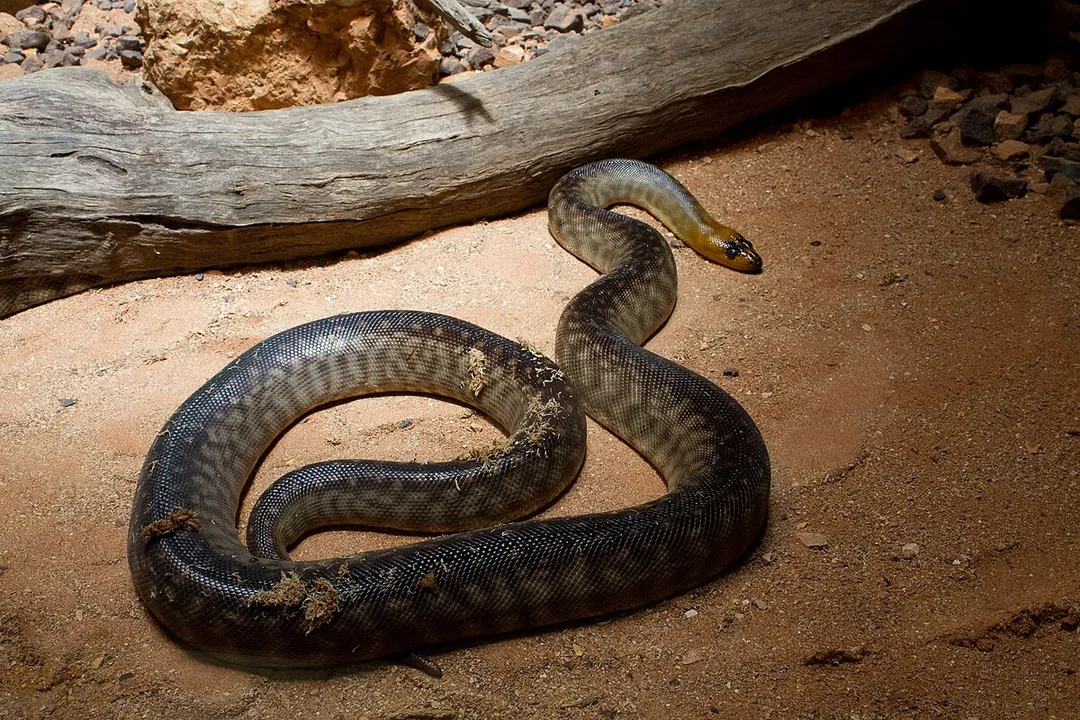
The Woma Python, scientifically known as Aspidites ramsayi, presents a physical profile quite distinct from many of the more famous, larger python species, marking it as a fascinating subject for observers of Australian reptiles. This snake is categorized as a medium-sized constrictor, typically reaching adult lengths between 4.9 and 6.6 feet, although some records stretch this to about 8 feet in total length. In terms of mass, they are not excessively heavy for their length, often weighing around 4.4 pounds, or approximately 2 kilograms, when fully grown.
# Size Variation
A noticeable difference exists between the sexes in the Woma Python, a phenomenon known as sexual dimorphism. Generally, the males of the species tend to be longer and somewhat heavier than the females. This slight size disparity is common across many snake species, suggesting reproductive or competitive advantages associated with larger male size, even in a moderately sized snake like the Woma.
# Coloration Patterns
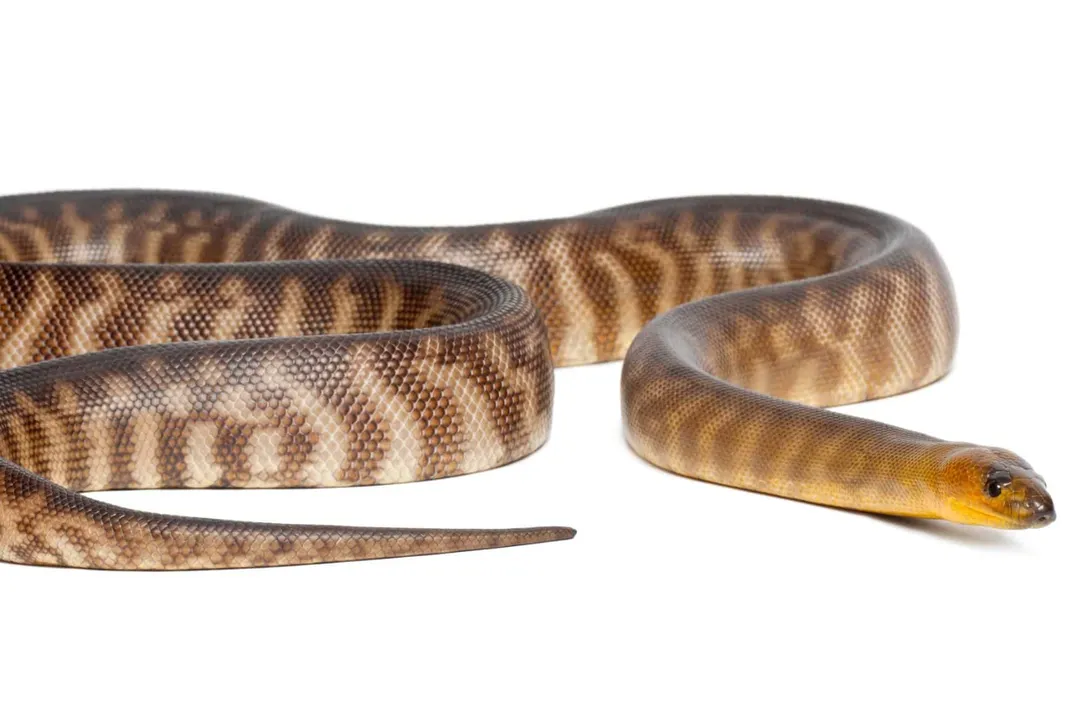
The overall body color of the Woma Python is a shade of light brown, tan, or yellowish-brown, sometimes appearing fawn or sandy. This earthy palette serves as effective camouflage within its native arid and semi-arid habitats. While the upper side, or dorsal surface, is predominantly this light color, the pattern is often quite indistinct or may be entirely absent in some individuals. When markings do appear, they usually manifest as darker, less defined blotches or bands spaced along the length of the body. In contrast to the often pale dorsal colors, the ventral side—the belly—is typically a lighter shade still.
It is worth noting the consistency in this base coloring across various populations described by different institutions. However, observing the variation between a captive-bred specimen and one from a harsher, sun-drenched locale can sometimes reveal subtle shifts in pigment intensity, perhaps due to environmental factors impacting the deposition of keratin or melanin in the scales.
# Head Distinctiveness
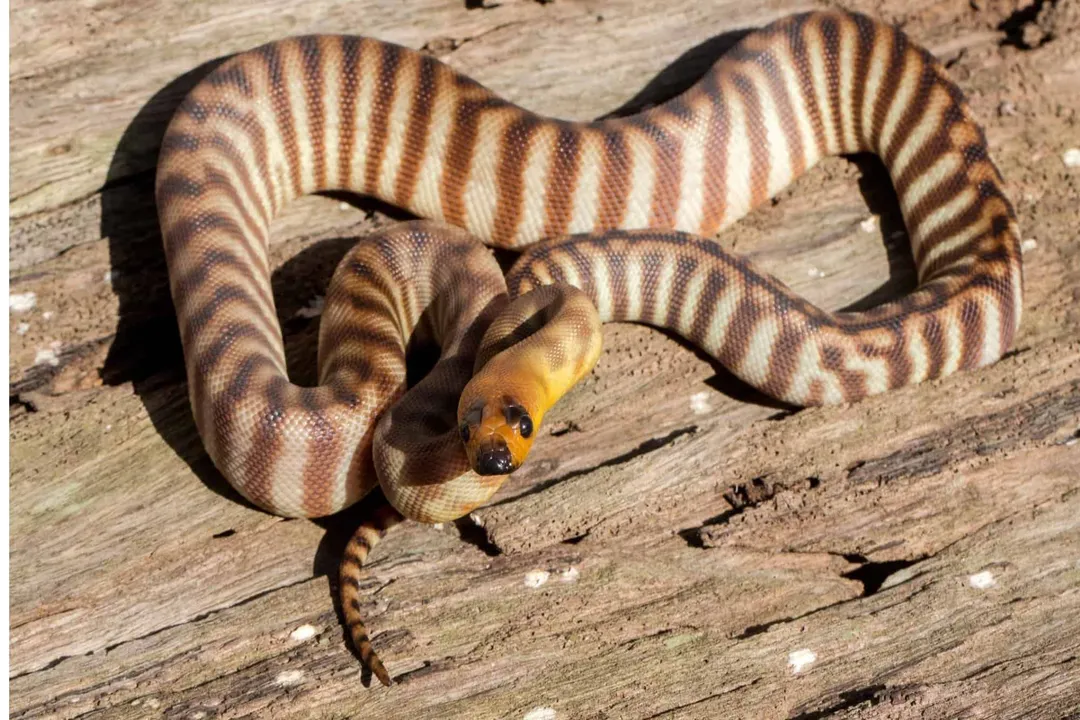
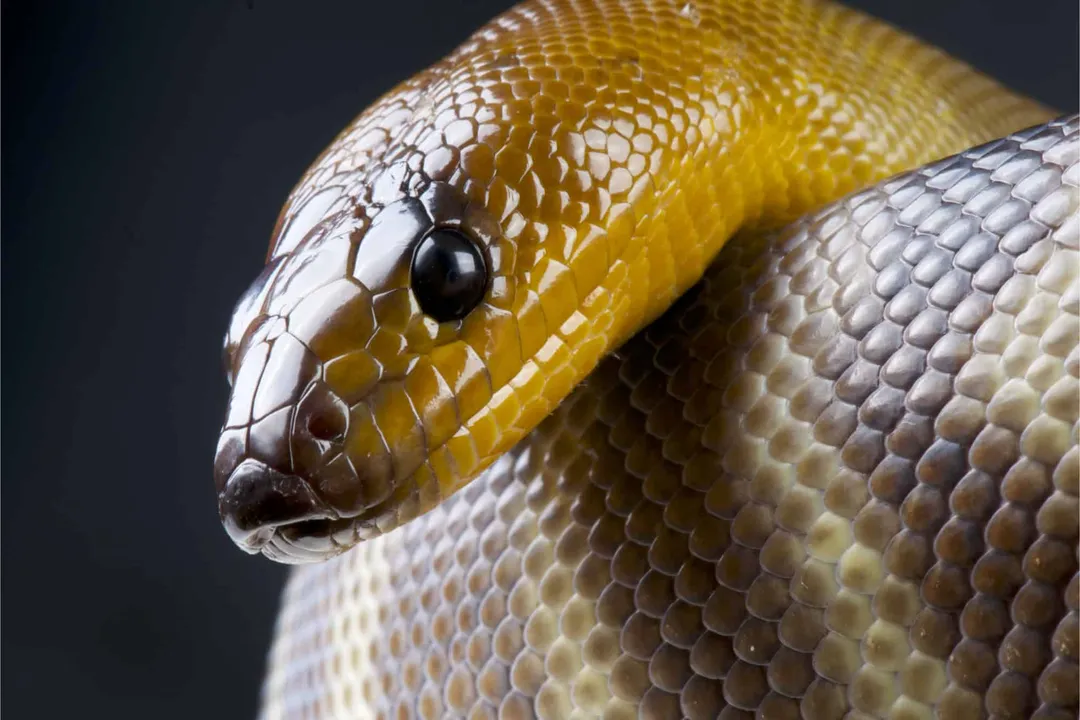
Perhaps the most immediate feature distinguishing the Woma Python is its head. The head is relatively large compared to the neck and body, giving it a somewhat powerful, broad appearance. A key characteristic that separates it from its close relative, the Black-headed Python (Aspidites melanocephalus), is the shape of the snout. The Woma possesses a noticeably short and blunt snout. This morphology, coupled with the powerful build, suggests an animal adapted for navigating dense substrate or tight spaces, a physical trait that hints at its fossorial tendencies.
# Dark Cap
A striking feature that provides excellent visual contrast against the light body is the coloration of the head itself. The top of the head, extending down over the eyes, is frequently very dark, often appearing almost black. This dark "cap" creates a sharp boundary with the lighter neck and body coloration, a pattern that is highly recognizable. The eyes themselves possess dark irises, which contribute to the overall intense look of the facial area.
If one were to create a simple morphological comparison between the two Aspidites species based purely on exterior features, the Woma Python’s blunt nose stands out directly against the Black-headed Python’s longer, more tapered snout, demonstrating a clear evolutionary divergence based on habitat or prey selection that favors a different tool for foraging or burrowing.
# Scale Texture
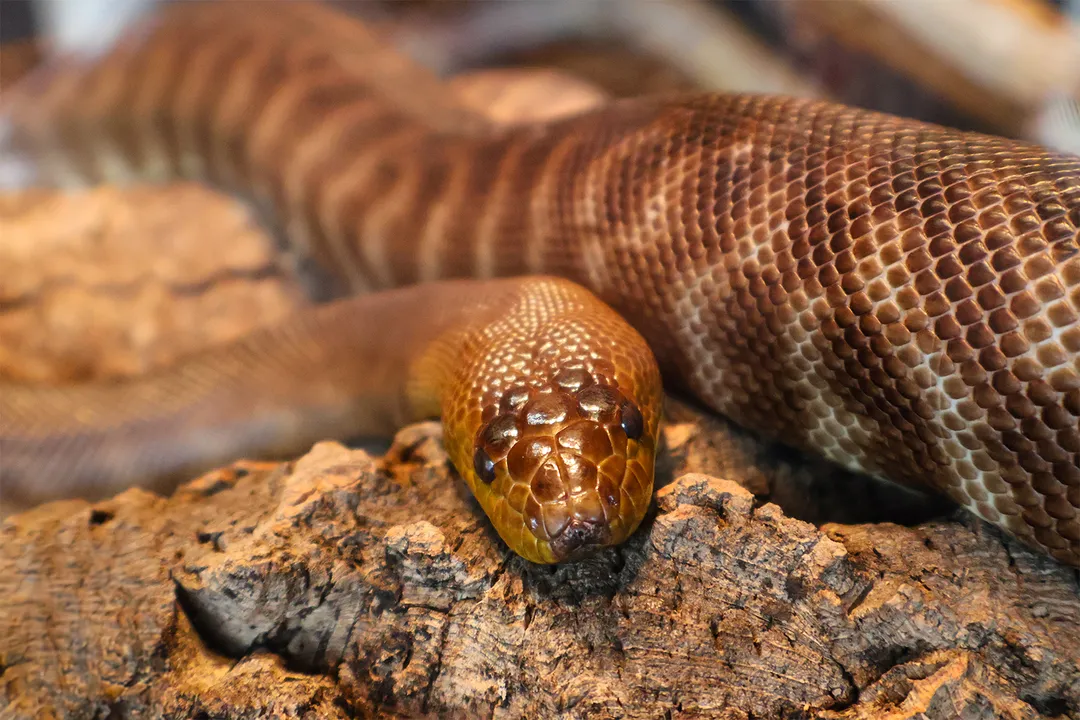
Like all pythons, the Woma possesses overlapping scales. The texture and arrangement of these scales dictate both the snake's tactile appearance and its movement across surfaces. While all snakes have scales, the arrangement and specific shape of the dorsal scales contribute significantly to the species' visual identification. The overall effect is a smooth but resilient covering appropriate for an animal spending considerable time moving over rough ground or through leaf litter.
# Morphological Analysis and Context
The combination of a large head, blunt snout, and moderate body size provides a physical signature unique within Australian pythons. While many python species are characterized by a more elongated, triangular head shape and a slightly more pointed snout, the Woma’s robust cranial structure indicates significant musculature concentrated in the neck and jaw region.
For keepers or field researchers familiar with other python groups, the Woma's overall profile often feels more akin to a terrestrial, ground-dwelling colubrid in terms of head-to-body proportions, rather than the highly arboreal or broadly terrestrial giants like the Reticulated Python or Burmese Python. This physical difference suggests a distinct ecological niche where brute strength and a low-profile head are favored over extreme length or arboreal agility.
The light coloration, in general, is highly effective for creatures inhabiting drier regions where vegetation cover is sparse, allowing them to blend with dry grasses, sand, or clay soils. One might assume that such a light-colored animal would suffer greater solar absorption issues than a darker snake in the Australian sun, yet the Woma thrives in these hot environments. This suggests that its behavior—likely spending the hottest parts of the day in cooler burrows or under cover—is perfectly synchronized with its physical appearance, optimizing camouflage when it is exposed. This integration of physical trait and known habitat behavior is critical for survival in the harsh interior environments where the Woma is typically found.
# Comparing Physical Traits Within the Genus
The Woma Python belongs to the genus Aspidites along with the Black-headed Python. Understanding the physical characteristics of the Woma is made clearer by contrasting it with its sibling species.
| Characteristic | Woma Python (A. ramsayi) | Black-headed Python (A. melanocephalus) |
|---|---|---|
| Snout Shape | Short and blunt | Longer and more tapered |
| Head Color | Dark cap contrasting with light body | Entire head is typically solid black |
| Body Color | Light brown, tan, or fawn | Generally darker brown or blackish |
This comparison highlights that while both share the genus and the characteristic of a dark head, the degree and extent of the dark pigmentation differ significantly, as does the crucial snout morphology. The physical distinction in the snout may reflect differing preferred hunting techniques or substrate penetration abilities between the two species, which occupy slightly different ranges and habitat types.
# Physical Resilience Indicators
The structure of the Woma Python suggests a high degree of physical resilience required for its lifestyle. Although exact internal physiological data is outside the scope of a general physical description, the external morphology provides clues. The relatively stout body for its length, combined with the muscular neck necessary to support the large head, points toward an animal built for terrestrial endurance and powerful constriction rather than lengthy, acrobatic movement.
When comparing the weight-to-length ratio to very slender pythons, the Woma carries more mass proportionally, suggesting greater muscle density, which is vital for an animal that often relies on ambush from cover or engaging with prey in confined spaces like burrows. This physical robustness, visible in its scale structure and build, is an inherent part of its survival strategy in the Australian outback.
# Scale Count and Identification
While specific scale counts (like the number of ventral scales or subcaudal scales) are critical for professional herpetological identification, general descriptions focus on the appearance. The overlapping nature of the scales provides a protective armor. For the casual observer, the pattern created by the light brown base color and the occasional indistinct darker blotching is the primary visual cue.
In situations where identification is crucial, like distinguishing a Woma from a closely related but slightly different regional variant or non-venomous species, precise scale counts are the definitive tool. However, for general readers, focusing on the combination of the light body, the dark facial cap, and the distinctly blunt snout provides a reliable field guide to identifying Aspidites ramsayi. The visual data provided by its physical appearance is often sufficient for recognition long before one would ever need to count the rows of scales.
The overall physical presentation of the Woma Python is one of specialized adaptation: a medium-sized, powerfully built snake with a distinct head shape perfectly suited to its role as a terrestrial hunter in the arid lands of Australia.
Related Questions
#Citations
Woma Python - San Diego Zoo Animals & Plants
Woma python - Wikipedia
Woma Python - Lehigh Valley Zoo
Woma Python | Our Animals - Fort Wayne Zoo
[PDF] WOMA PYTHON
Woma Python - What is It and How Big Does It Get? The Facts.
Woma Python - Zoo Resource Library - Cleveland Metroparks
Woma python - Shark Bay
Woma Python Animal Facts - A. ramsayi