Woma Python Locations
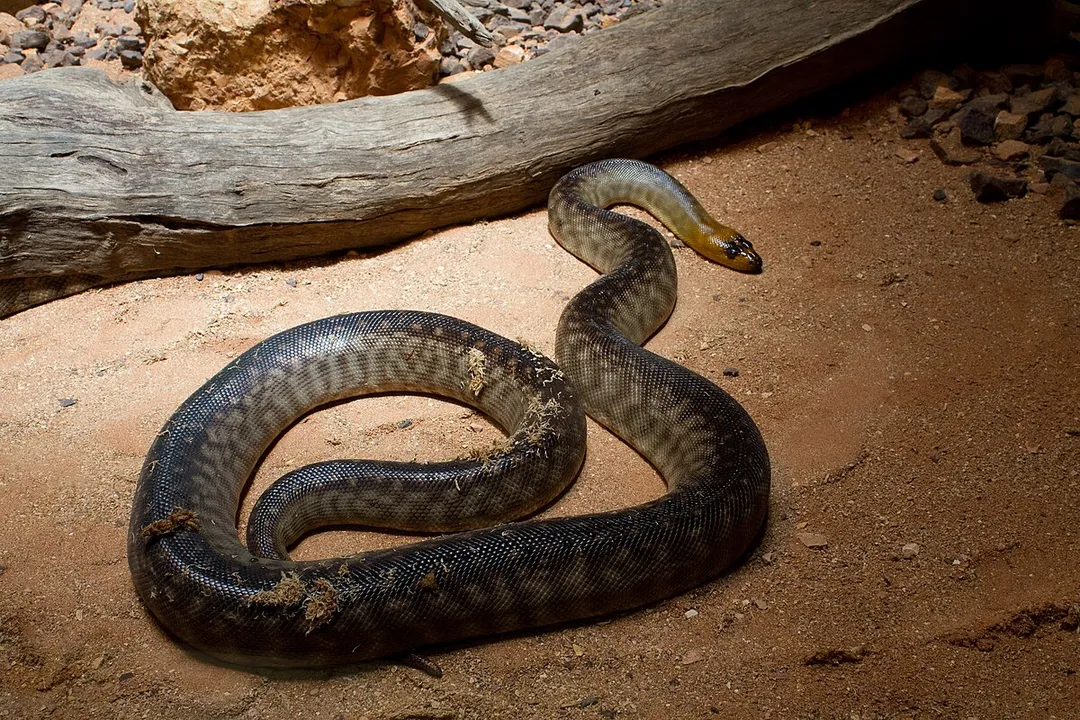
The Woma python, Aspidites ramsayi, is a species intrinsically linked to the vast, dry heartlands of Australia, making discussions about its locations less about finding a single contiguous range and more about mapping its preference for specific arid and semi-arid ecological niches. [1][5] This ground-dwelling snake thrives far from the wetter coastal fringes where some of its relatives make their homes, favouring environments defined by deep sands, scattered vegetation, and reliable, albeit scarce, shelter. [1] Understanding where the Woma is found requires looking past mere state borders and focusing instead on the specific physiography of the Australian interior. [6]
# Australian Span
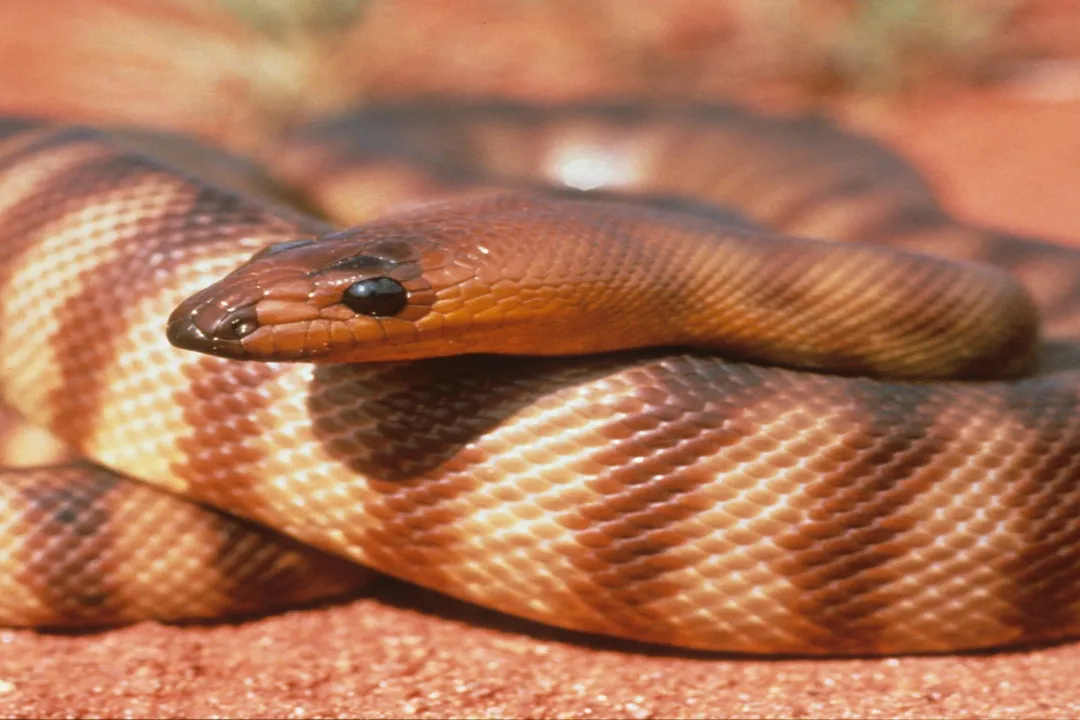
The overall distribution of the Woma python is centered across the drier central and western parts of the continent. [9] Reports generally confirm their presence in arid and semi-arid zones. [1][5] If one were to trace a line across the major sightings, it would certainly cross vast stretches of the interior, effectively excluding the very eastern coastal regions of Australia from its primary range. [2] This geographic isolation within the arid zone speaks volumes about the species' specialization for a thermoregulatory regime dictated by high daytime heat and cooler nights typical of inland Australia. [1]
The scientific classification confirms its identity as Aspidites ramsayi, [9] and its presence is documented across several states and territories that encompass these harsh environments. For those interested in monitoring or conservation, recognizing this broad but segmented distribution is the first step in appreciating the ecological challenges this python faces. [6][8]
# State Presence
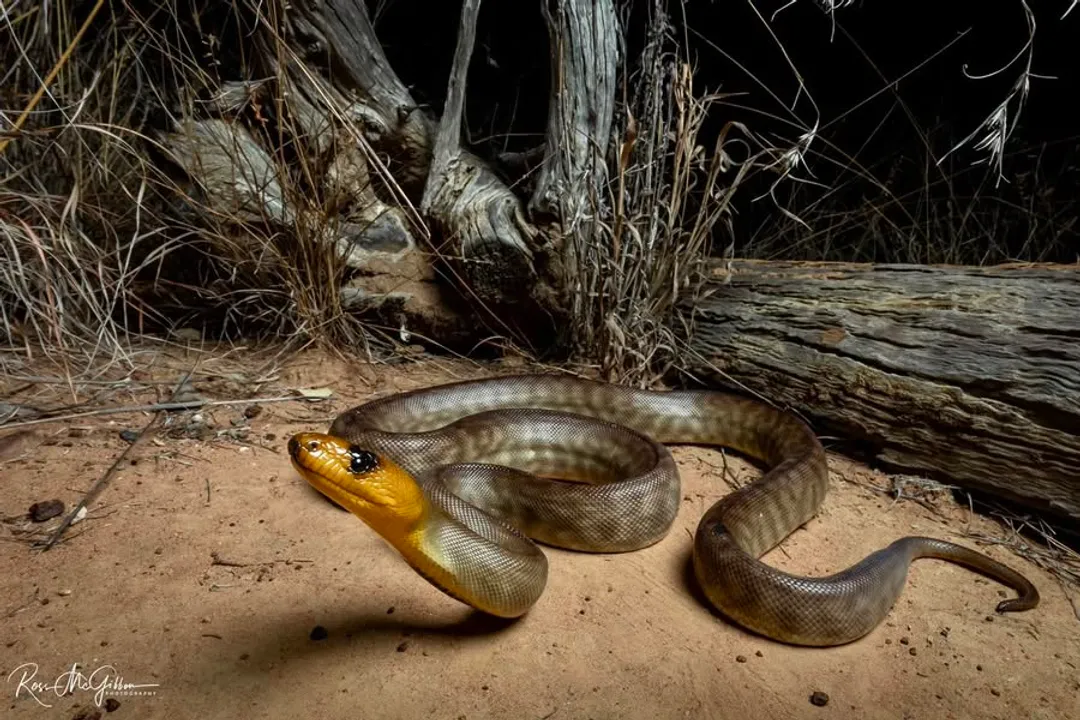
Specific states offer concrete examples of the Woma’s preferred haunts, illustrating how its range fits within the broader climatic zones of Australia.
# South Australia Range
In South Australia, the Woma python is known to inhabit the arid interior regions of the state. [1][6] Documented areas include locations like the Gawler Ranges and even stations such as Anna Creek Station. [6] This state provides a clear picture of the species inhabiting genuinely dry country, utilizing the limited resources available in the deep interior. [1] The survival strategies here demand a high degree of water conservation and efficient use of subterranean retreats. [8]
# Western Australia Habitat
Moving west, the Woma maintains a presence in Western Australia, particularly noted in regions like the Shark Bay area. [8] While the specific habitats within Shark Bay might vary slightly in soil composition or vegetation density compared to the South Australian locations, the underlying requirement for arid or semi-arid conditions remains consistent. [1][8] The presence near Shark Bay suggests an adaptation to coastal desert fringes, where proximity to the ocean may offer some microclimate moderation, although the overall biome remains characteristic of the Woma's needs. [8]
# Territory Sightings
The Northern Territory also features Woma populations, with confirmed sightings near iconic landmarks like Uluru. [7] Uluru represents a quintessential Woma environment—rocky outcrops combined with surrounding sandy plains, providing diverse microhabitats within a harsh desert setting. [7] This location reinforces the pattern: Woma pythons are not restricted to flat, featureless sand deserts but utilize geological complexity for shelter and hunting opportunities. [1]
One way to visualize this is by noting that their known range predominantly covers the areas south of the Tropic of Capricorn in the west and central regions, distinctly avoiding the tropical north and the temperate southeast coasts. [2] This pattern suggests that rainfall and vegetation structure are stronger limiting factors than temperature extremes alone, provided shelter is available. [1]
# Shelter Dependence
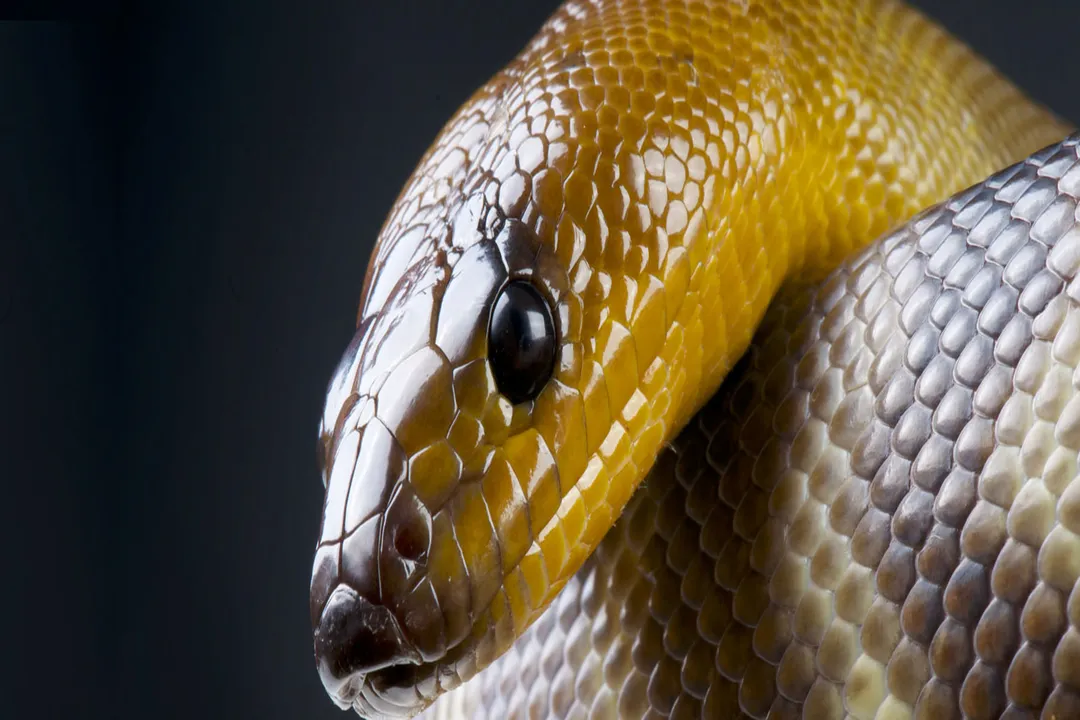
The location of a Woma python is often less about the visible landscape and more about the hidden architecture beneath it. Unlike some arboreal or rock-dwelling species, the Woma shows a strong affinity for utilizing existing burrows and voids. [1] This reliance on subterranean spaces is a critical factor influencing where they establish home ranges, sometimes overriding minor differences in surface vegetation. [8]
# Burrow Selection
A primary feature of Woma territory is the availability of deep, stable shelters. These frequently include rabbit warrens, which offer thermal stability far superior to surface cover during the extreme heat of an Australian summer day. [1][8] Termite mounds, particularly larger, abandoned ones, also serve as crucial refuges. [1] Furthermore, rocky outcrops, which create natural crevices and overhangs, can be vital in areas where mammalian burrowing activity is less pronounced or where the substrate is too hard for easy excavation. [8]
When observing a Woma location, it is often the quality of the soil and rock—which dictates the suitability of these shelters—that matters most. A site might look identical to another in terms of spinifex cover, but if one has deep, stable sand capable of supporting a warren and the other has shallow calcrete, the Woma will favour the former. [1] This reliance means that habitat destruction involving the removal of established shelter structures, such as deep ploughing or extensive quarrying, poses a direct threat to local populations, regardless of whether the surface vegetation is immediately impacted. [1]
A fascinating aspect of their site selection is the implied site fidelity to these subterranean networks. If a Woma establishes a territory centred around a robust system of warrens or a large termite mound, that core area likely remains valuable for decades, even if surface conditions fluctuate wildly from drought to flood. [8] This contrasts with species that simply follow mobile prey sources across open terrain. The Woma seems to invest its energy in securing a fixed, reliable piece of infrastructure within its environment.
# Habitat Overlap
Woma pythons share their arid locations with other specialized species, though their ecological niche remains distinct. They are often found in association with spinifex grasslands and mallee scrub, which provide cover for hunting and are characteristic of their preferred territory. [1][8]
# Comparison with Other Pythons
Comparing the Woma’s location profile with that of the Carpet Python (Morelia spilota) or the Olive Python (Liasis olivaceus) highlights the Woma’s extreme specialization. Carpet Pythons have a massive distribution that stretches from rainforests to deserts, often using trees and rocky crevices, and showing significant habitat plasticity. [1] The Woma, conversely, is almost entirely ground-based and strictly restricted to the drier, sandy interior zones, showing very low habitat tolerance outside those parameters. [1] While an Olive Python might inhabit rocky gorges in arid zones, the Woma is more frequently associated with the sandy plains punctuated by mounds and warrens within that same general arid region. [1]
For example, in a transitional zone where mallee scrub meets open sand plains in South Australia, you might find an area supporting both Woma and Storr’s short-tailed python, but the Woma is likely to be primarily utilizing the deepest sandy areas with established burrow systems, whereas the Storr’s might prefer the denser scrub layer or rocky outcrops. [6]
# Actionable Consideration for Habitat Management
When managing land in known Woma territories, a useful viewpoint is to prioritize the subsurface health of the ecosystem. If management goals involve fire regimes or grazing practices, an observer should focus less on the immediate removal of a few shrubs and more on ensuring that soil integrity remains high enough to sustain burrowing mammals or large termite mounds. [8] Maintaining soil structure that resists compaction and erosion is indirectly maintaining the Woma's primary thermal and safety infrastructure. A healthy Woma location is one with undisturbed, deep sandy soil supporting a network of established warrens or mounds, irrespective of minor surface vegetation changes.
# Documentary Evidence
The verification of these locations often relies on citizen science, professional surveys, and zoo records, painting a picture of where the species currently exists. Records from organizations tracking biodiversity or maintaining animal collections confirm the known distribution, even if some areas are based on historical sightings. [5][9] Field observations, such as those shared by wildlife photographers documenting their finds, frequently reinforce the presence of Womas in the deep, sandy, spinifex-dotted areas of central Australia. [4] These anecdotal yet expert observations, when aligned with formal surveys, build confidence in the mapped distribution, emphasizing the ecological consistency across the range. [9]
While a full, up-to-the-minute map is complex due to the species’ elusive nature, the consensus among sources firmly places the Woma python within the arid belt stretching across the interior, favouring areas where deep soil and reliable subterranean refuge co-exist. [1][8]
Related Questions
#Citations
Woma python - Wikipedia
Woma locations - Aussie Pythons & Snakes Forum
Woma Python - Lehigh Valley Zoo
The elusive Brigalow Woma Python Finding ...
Woma Python - San Diego Zoo Animals & Plants
[PDF] Fact Sheet - Woma Python - Department for Environment and Water
Woma python | Uluṟu-Kata Tjuṯa National Park | Parks Australia
[PDF] Woma python - Fact sheet
Woma Python (Aspidites ramsayi) - iNaturalist