Woma Python Evolution
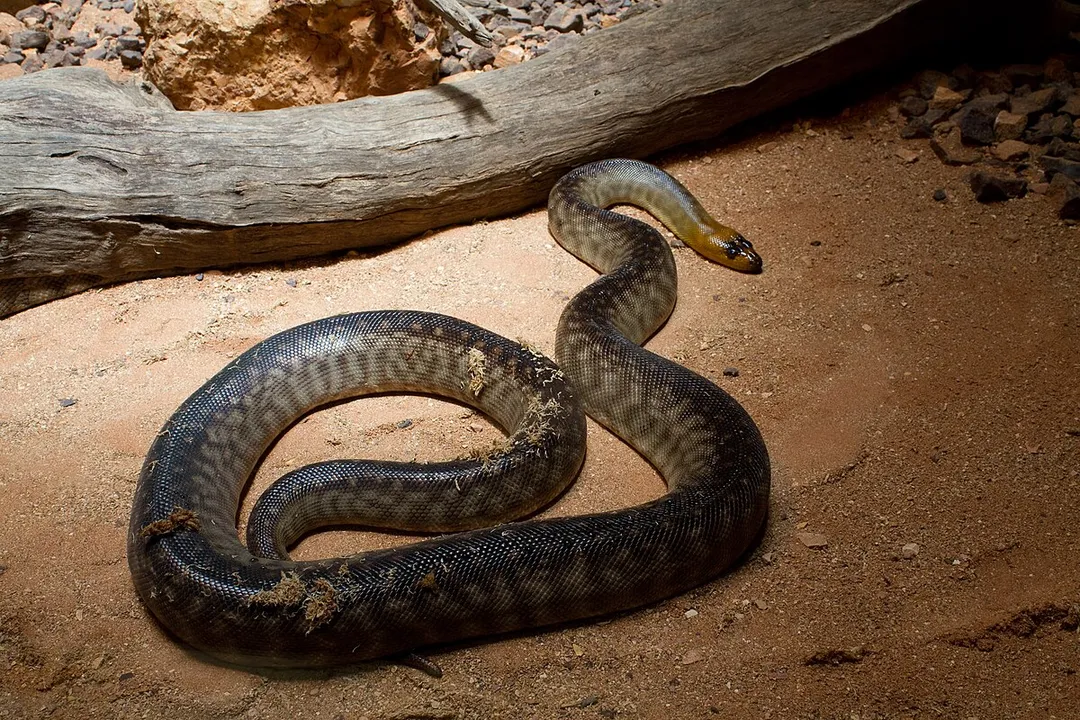
The Woma Python, Aspidites ramsayi, presents a fascinating case study for anyone interested in how ancient reptile lineages persist and adapt within one of the world’s harshest environments. Unlike its larger, more famous Australian cousin, the Carpet Python, the Woma is a creature of the interior, a testament to evolutionary pressures that favor endurance over sheer size. It is one of only two python species native to Australia that reside primarily inland, a geographic distinction that speaks volumes about its specialized path. [1][2] Classified within the family Pythonidae, the Woma shares a deep ancestry with pythons found across Africa, Asia, and Oceania, yet its specific adaptations tie it closely to the drying continent it calls home. [6][7]
# Ancient Lineage
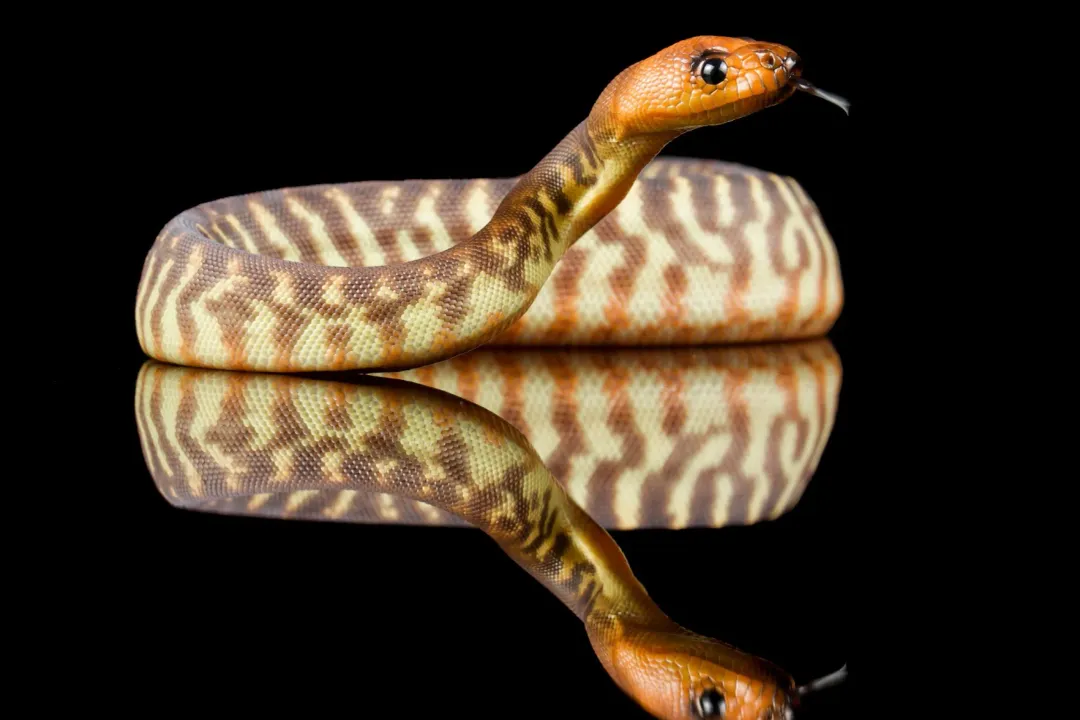
Pythons arrived on the Australian landmass millions of years ago, long before the continent fully drifted into its current arid state. [6] The arrival likely occurred when Australia was still connected to other landmasses, allowing migration routes that are now severed. [6] This deep historical placement means that the Woma’s ancestors were among the foundational serpent populations on the continent, pre-dating the massive diversification seen in the Elapid snake family, which dominates modern Australian venomous snakes. [6] Pythons, as a group, are considered evolutionarily older than elapids, often retaining more ancestral characteristics, such as vestigial hind limbs (pelvic spurs). [1][3] The Woma’s retention of these features anchors it to that ancient reptilian past. [7]
Comparing Aspidites ramsayi to its close relative, the Black-headed Python (Aspidites melanocephalus), highlights a pattern of specialization driven by environment. [2][3] While the Black-headed Python favors more humid, northern habitats, the Woma has ventured south and west into the semi-arid and arid zones of inland Australia. [1][3] This divergence strongly suggests that habitat fragmentation and increasing continent-wide aridity over geological timescales acted as powerful selective forces, driving these two closely related species into distinct ecological niches. [6] The Woma’s morphology and behavior are the resulting blueprint for survival where water is scarce and temperatures fluctuate wildly. [1]
# Arid Adaptation
Survival in the Australian outback demands unique evolutionary solutions, and the Woma has specialized in a semi-fossorial lifestyle—living partially underground—as its primary defense against environmental extremes. [2][4] This behavior is central to understanding its evolutionary success in arid zones where surface temperatures can become lethal. [2] Womas spend significant portions of the day sheltering in burrows, often utilizing those dug by other animals, such as the Bilby, or constructing their own beneath rocky outcrops or dense vegetation. [1][4][5] This behavior mitigates the most significant non-predatory threat: heat stress and desiccation. [5]
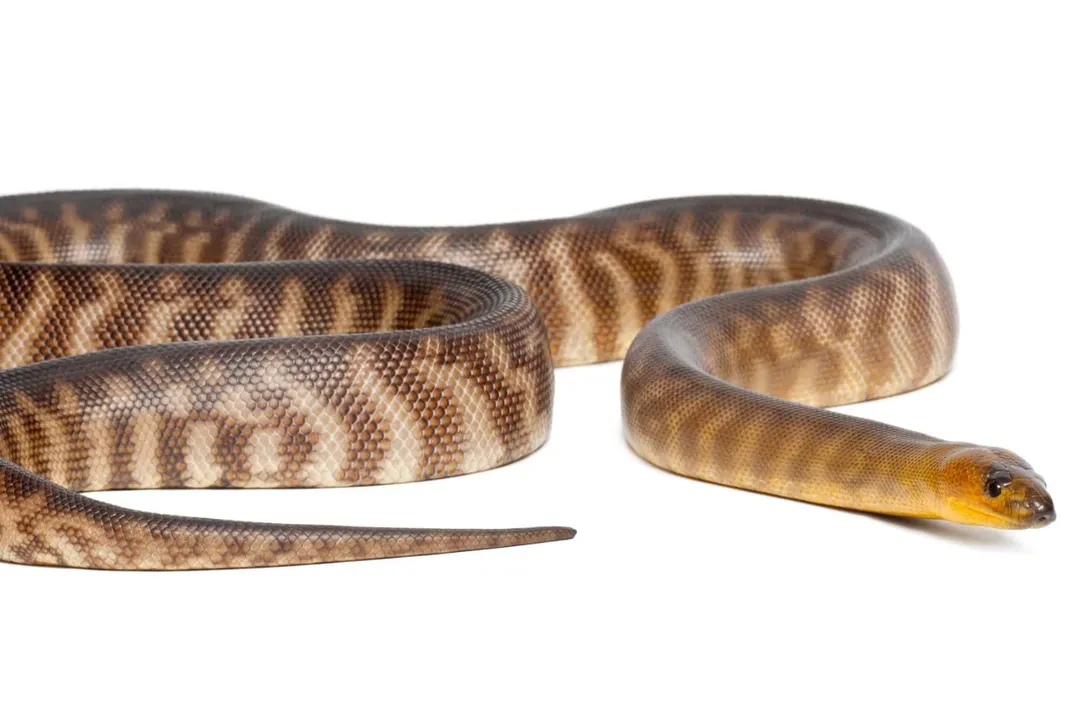
The physical characteristics of the Woma support this subterranean existence. They possess a relatively robust, heavy-bodied build, which, while common among pythons, is critical for navigating and excavating underground spaces. [1][3] Furthermore, their head structure is somewhat flattened and wedge-shaped compared to other pythons, an anatomical feature that likely aids in pushing aside soil and debris. [1] Their coloration, typically yellowish-brown to olive-brown with darker crossbands, provides excellent camouflage against the sandy and scrub-covered landscapes they inhabit. [1][3]
A key aspect of their ecological success lies in their diet. Womas are opportunistic carnivores, but they show a distinct preference for mammals, particularly rodents, rabbits, and occasionally small marsupials. [1][5] This dietary focus is vital in an arid environment where large, slow-moving prey might be rare. Their ability to successfully hunt small, fast-moving terrestrial prey, both in and around burrows, demonstrates finely tuned sensory adaptations, including acute heat-sensing pits along their lips. [5] This reliance on burrowing mammals connects the Woma’s life cycle directly to the cycles of subterranean prey populations.
A comparative look at burrowing strategies across different Australian snake families reveals an interesting evolutionary partitioning of resources. While many elapids, like some small brown snakes, are active surface foragers, the Woma appears to have retained a specialized, low-energy, ambush-and-constrict style centered around the relatively stable thermal environment of the burrow. [5] This suggests that where surface thermal regimes became too extreme, the python lineage found success by retreating into the subsurface matrix, a pathway less taken by the more metabolically agile elapids.
# Morphology Signatures
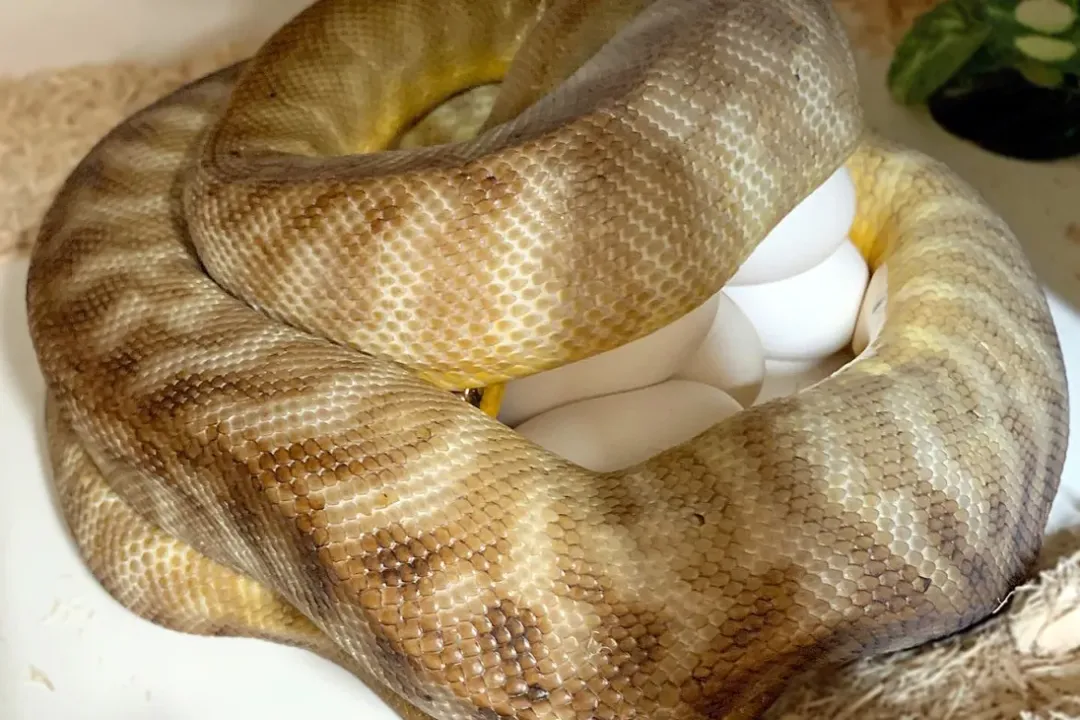
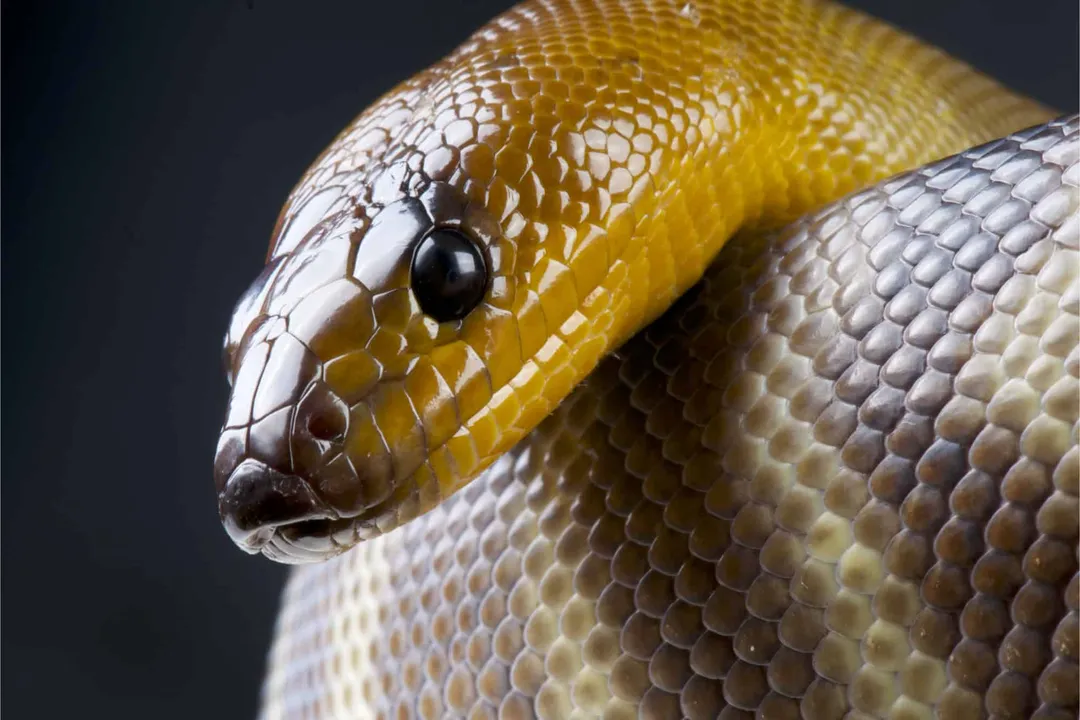
The physical presentation of the Woma is a catalog of specialized traits. Adults typically reach lengths between 1.5 and 2.5 meters, though they are generally less bulky than pythons living in tropical areas. [1][3] Their scales are relatively smooth, and the eyes are small, which is often associated with nocturnal or crepuscular (twilight) activity patterns, further supporting their strategy of avoiding the harsh midday sun. [3]
One of the most noticeable identifiers, distinguishing it from many other Australian snakes, is the presence of a distinctive, often slightly pointed snout. [1] While not a snake of vast, open deserts like some of its prey, its coloration—light tan, yellowish, or pale olive with dark brown blotches or saddles—is a remarkable match for the sun-bleached earth and sparse vegetation of the interior. [1][5]
| Feature | Woma Python (A. ramsayi) | Black-headed Python (A. melanocephalus) | Evolutionary Relevance |
|---|---|---|---|
| Primary Habitat | Arid/Semi-Arid Interior | Tropical/Sub-Tropical North | Adaptation to Aridity [1][3] |
| Activity Pattern | Nocturnal/Crepuscular | Highly Nocturnal | Thermal Regulation [3] |
| Body Build | Robust, suited for fossorial life | Generally more slender | Niche specialization [2] |
| Head Coloration | Uniformly patterned/light | Distinctive solid black head | Species recognition/camouflage contrast |
The fact that two closely related species, the Woma and the Black-headed Python, exhibit such distinct geographical sorting based on moisture availability is a classic example of allopatric speciation driven by climate change over millennia. [6] The ancestral python population likely dispersed across the continent when climates were wetter, and subsequent drying led to isolation and specialization in the drier regions by A. ramsayi. [6]
# Population Dynamics
The historical range of the Woma python was likely more extensive than its current distribution, potentially spanning much of central and southern Australia. [5] Today, confirmed populations are primarily found in arid areas of Western Australia, South Australia, and Queensland, though sightings are generally infrequent due to their elusive nature. [1][3][5] This reduction in range is often attributed to the rapid aridification that has characterized much of the Australian continent over the last few tens of thousands of years. [6] As once-wetter woodlands and grasslands retreated, the Woma was left to persist only in the most resilient arid ecosystems. [5]
The movement and dispersal of individuals are also constrained by the availability of suitable refuge. Because their survival hinges on accessing established or easily dug burrows, habitat fragmentation caused by human activity—such as extensive clearing or mining operations that disturb soil structure—can create insurmountable barriers for dispersal between suitable pockets of land. [5] The evolutionary success of a species in a stable environment depends on gene flow; modern pressures that break up this flow can rapidly accelerate localized extinction, even if the remaining habitat is technically viable. [4]
Considering the semi-fossorial nature, one can surmise that the actual carrying capacity of a seemingly suitable tract of land for Womas is disproportionately tied to the quality and density of its subsurface structure. For instance, a region dominated by heavily compacted clay might support fewer Womas than a sandy area, regardless of the surface vegetation density. This ecological dependency means that mapping Woma distribution accurately requires more than just mapping surface vegetation indices; it necessitates understanding the geological history of the soil itself, which dictates burrow stability and thermal inertia—a subtle but crucial distinction for conservation managers. [5]
# Modern Pressures
The evolutionary narrative of the Woma continues today under the intense selective pressure of modern introduced species. [4] The introduction of rabbits and foxes fundamentally altered the predator-prey dynamics upon which the Woma evolved to depend. [4] Rabbits, for example, compete with native small mammals for resources and can impact vegetation, indirectly affecting the burrows the pythons rely on. [4] Foxes, conversely, are highly efficient predators that target both the Woma and its primary prey base. [4]
Furthermore, the Woma is often found in areas overlapping with introduced feral cats and large birds of prey, adding layers of predation risk that their ancestors did not face in the same intensity. [4] While the Woma is a capable constrictor, its slow-moving, ambush style is less effective against a sudden, determined attack from a predator that is itself adapted to hunting in open or semi-open scrub. [5]
Due to these pressures, the Woma Python is currently listed as Vulnerable in some states, such as Western Australia. [3] This conservation status is itself a reflection of evolutionary bottlenecks—the species’ specialized traits, which were once keys to survival in the arid interior, now make it vulnerable to rapid, novel environmental changes. [4] For instance, while their ability to survive long periods without food is impressive, prolonged disruption of their preferred mammalian prey base can lead to population decline far faster than they can adapt behaviorally to switch to less optimal food sources. [5]
The long-term prognosis for A. ramsayi rests on protecting those critical habitat pockets—the stable, burrow-rich substrates—and managing the invasive species that destabilize both their prey and themselves. [3][5] The evolution of this python has been a slow, patient process of adaptation to ancient continental drying; its future will depend on human intervention to buffer the speed of modern ecological shifts.
#Videos
AKA Ramsay's or Sand Python. Woma Python Documentary
Related Questions
#Citations
Woma Python Animal Facts - A. ramsayi
Woma python - Wikipedia
Woma Python - ReptiChip LLC
Woma Python - Brookfield Zoo
A Deeper Look at the Woma Python, Aspidites ramsayi
How Pythons Got Their Grip On Australia. Part 1
AKA Ramsay's or Sand Python. Woma Python Documentary
Woma | Perth Zoo
[PDF] Woma Python (Aspidites ramsayi)
Woma python - Shark Bay