White Ferret / Albino Ferrets Facts
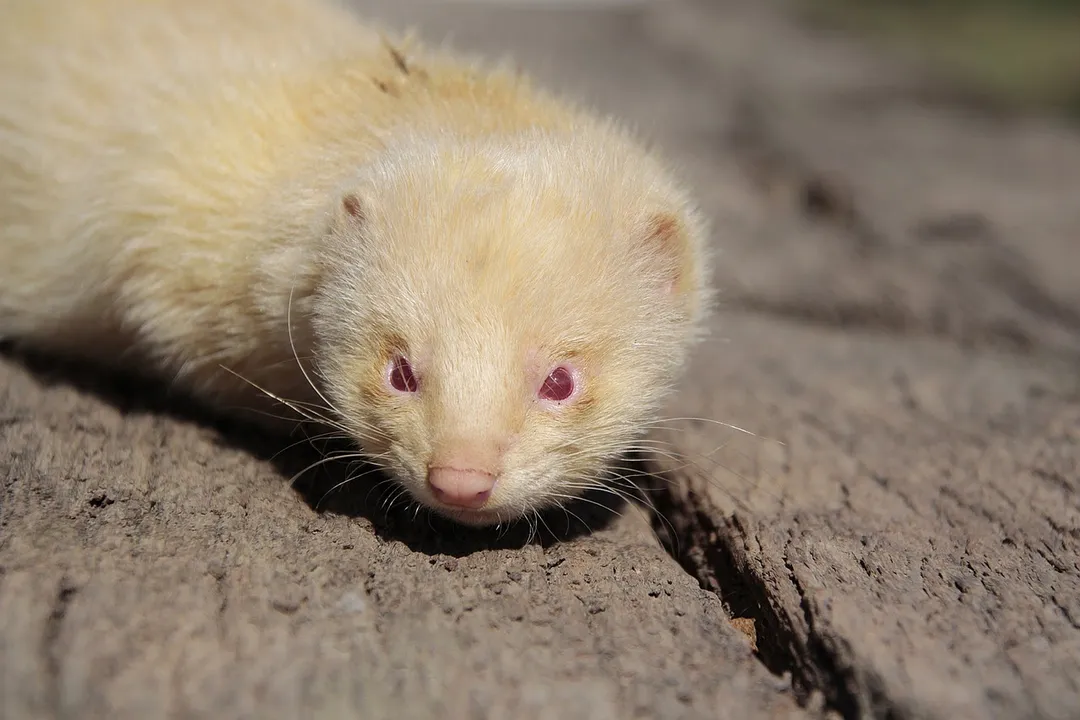
The striking, snow-white coat coupled with deep red eyes immediately sets the albino ferret apart from its colored counterparts, leading many to wonder if this variation necessitates a completely different approach to ownership. These animals, scientifically known by the binomial Mustela putorius furo, are not a separate breed but rather a genetic presentation within the domestic ferret population, sharing the same fundamental needs and adventurous spirit as any other ferret color variation. Their appearance is entirely the result of a specific genetic mechanism that dictates the absence of pigment throughout their bodies.
# Genetic Basis
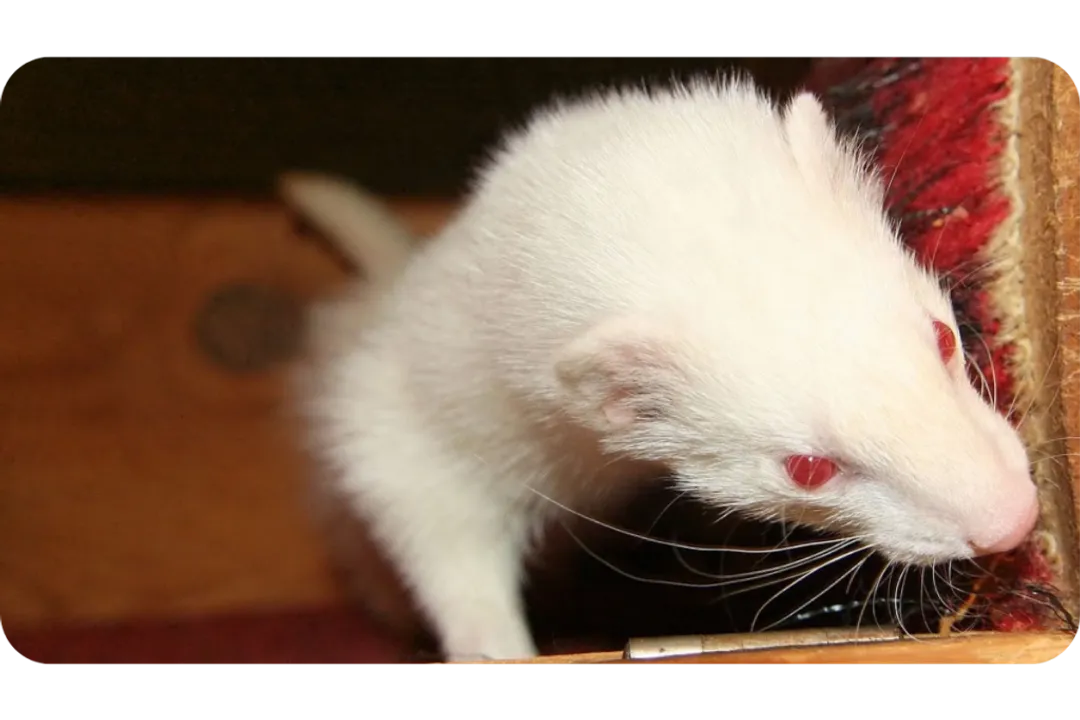
Albinism in ferrets, as in many species, arises from a recessive genetic trait. For an offspring to inherit this condition, both parents must carry the specific recessive gene responsible for albinism. Even when both parents are carriers, it does not guarantee an albino kit will be born, illustrating the necessity for both genes to be passed on. The underlying biological cause involves a mutation, specifically cited as a deletion in the TYR (tyrosinase) gene, which prevents the body from producing the pigment known as melanin. Melanin is crucial not only for coloring the hair and skin but also plays a role in eye development and protection from light.
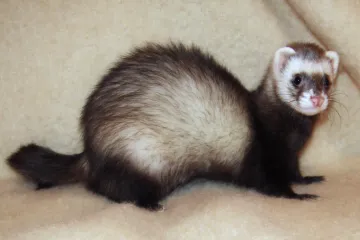
True albinism is strictly defined by this complete lack of pigment. This contrasts with other white-coated ferrets, such as those exhibiting the black-eyed white pattern; the American Ferret Association (AFA) standards specify that a true albino must possess ruby red eyes, alongside a white to cream-colored undercoat and guard hairs, and a pink nose. This distinction is important because while albinism is a specific genetic presentation, other white markings might be associated with different, sometimes overlapping, genetic conditions. While naturally occurring albinism is statistically rare in the wild—estimated perhaps at one in 20,000 or even one in a million—it is quite common in domestic breeding programs due to the aesthetic appeal of the look.
# Physical Traits
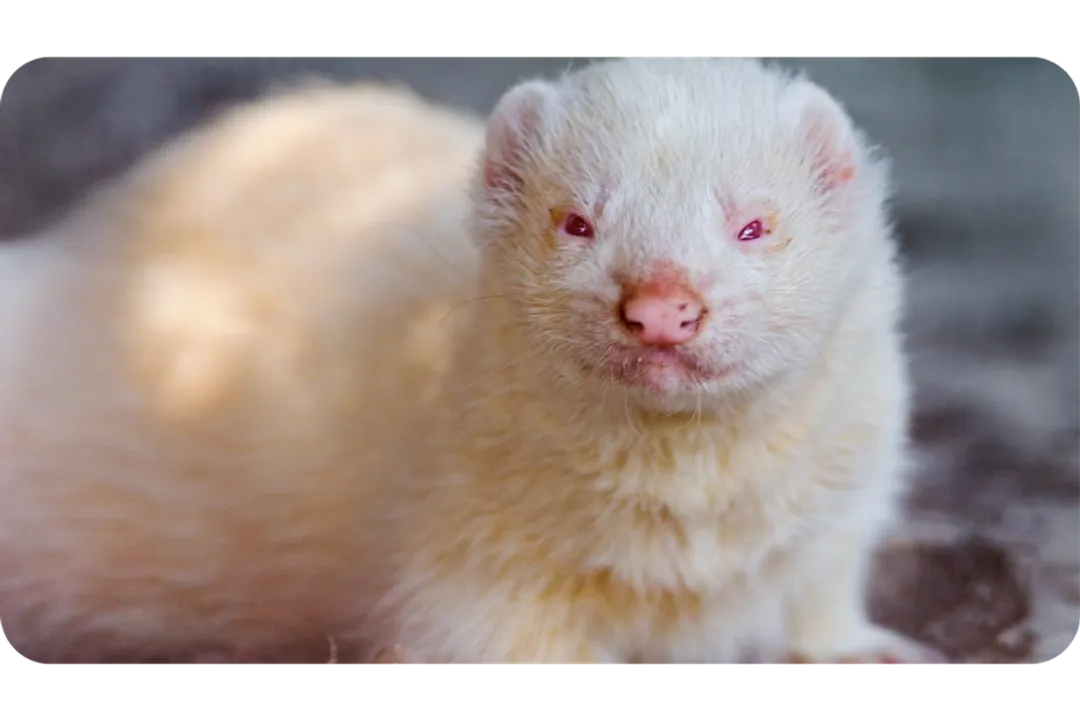
The physical hallmarks of a full albino ferret are unmistakable. The fur is universally white or a pale cream shade. Perhaps the most striking feature is the eyes, which appear ruby red or pink due to the lack of pigment allowing the blood vessels in the back of the eye to show through. Furthermore, the nose leather and paw pads are typically pink.
Ferrets, in general, are compact animals, with albino ferrets usually measuring between 14 to 18 inches in length, translating to about 35 to 46 centimeters. Females tend to be slightly smaller than males. Adult ferrets generally possess 34 teeth. Despite their small stature, they are incredibly energetic when awake, though this is balanced by extensive rest; pet owners should anticipate approximately 18 hours of sleep per day. When they are awake, they are renowned for their playful, curious, and lively personalities, sometimes even displaying a frenetic "ferret war dance" when extremely excited. While they share the basic physical structure with other ferrets, their skin color can sometimes take on a yellowish or cream tint over time, often due to staining from play in the soil or poor enclosure sanitation, though this is not a true color change in the genetic sense.
# Vision Senses
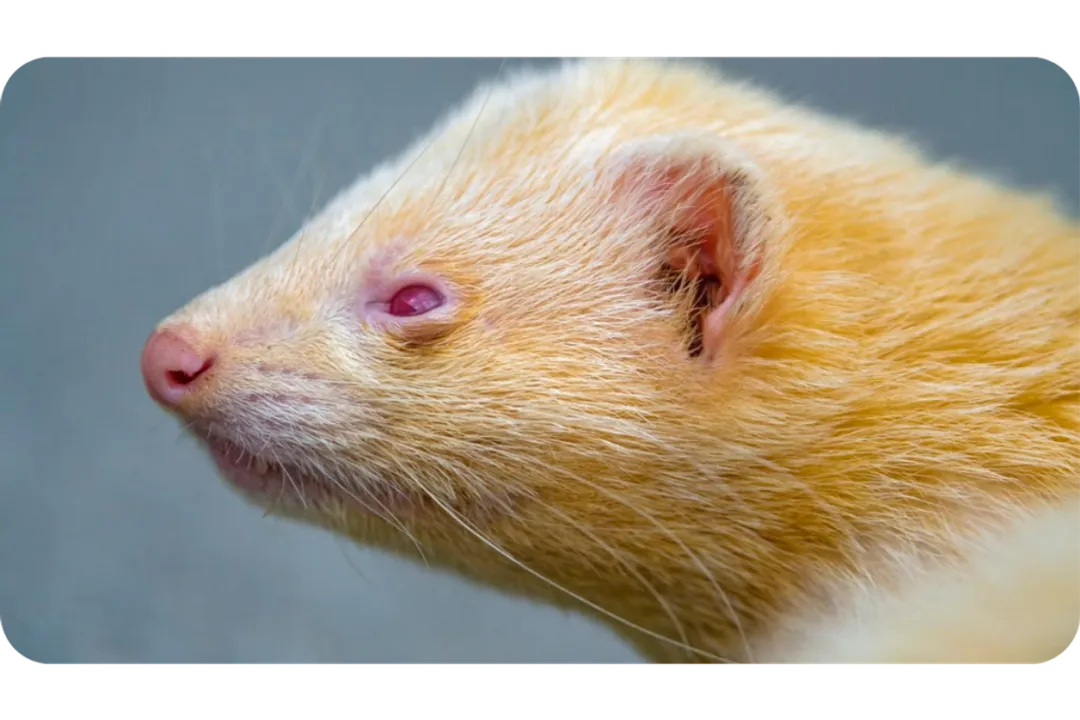
The absence of melanin in the iris directly impacts the albino ferret’s visual capabilities, leading to a marked sensitivity to light. This sensitivity means that bright or direct sunlight can be uncomfortable, sometimes causing the ferret to squint severely. Studies focusing on the vision of albino ferrets highlight specific deficits related to how their eyes track movement. A key area of concern is the optokinetic reaction (OKR), which is the natural, coordinated movement of the eyes when tracking an object. Albino kits can display deficits in this reaction very early in life, sometimes as soon as they open their eyes.
The difficulty is most pronounced when trying to visually track multiple objects moving in incoherent or unpredictable patterns simultaneously. They may struggle to perceive depth accurately, which can be dangerous when navigating varied terrain or heights. However, it is a common misconception that all albino ferrets are completely blind. They are often not entirely incapable of sight; rather, they can manage reasonably well with objects moving cohesively or when light levels are low. Crucially, ferrets possess an excellent sense of smell and rely heavily on their whiskers to navigate and locate items, meaning that a ferret with compromised vision can still adapt surprisingly well to its environment by utilizing these other sensory tools.
# Health Concerns
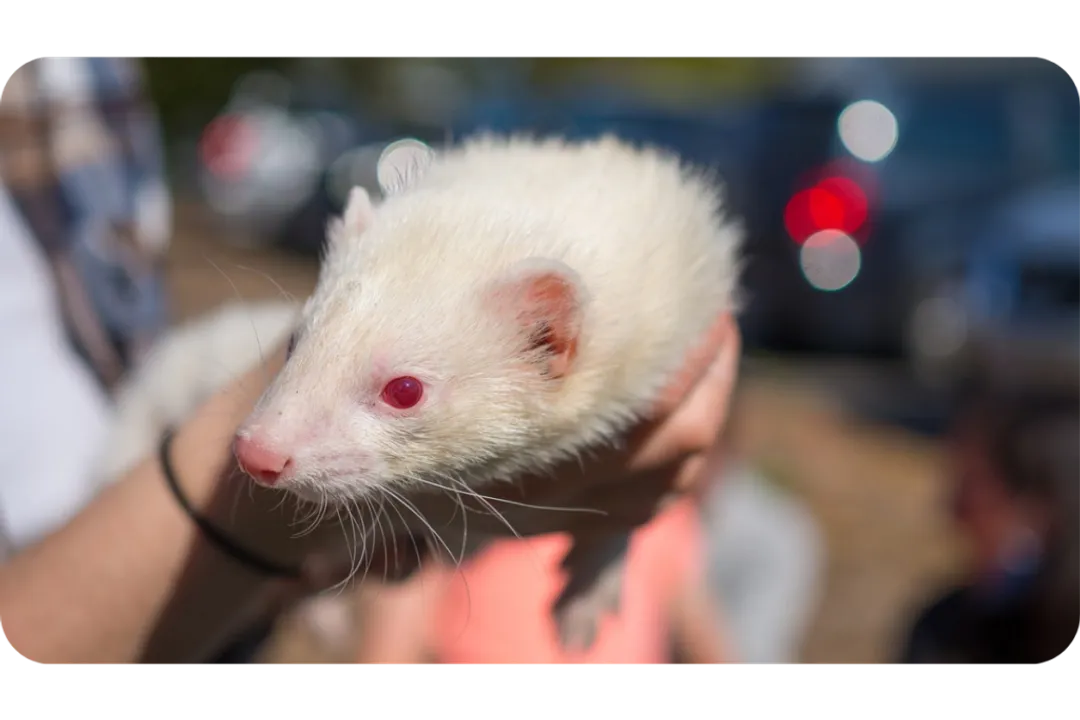
While a ferret’s general lifespan expectation hovers around 8 to 10 years, and albinism itself is not inherently a condition that shortens the life of a mammal like a human, the associated physical traits can introduce unique health vulnerabilities. The primary concerns center on the eyes and skin, areas where melanin provides essential defense.
For the skin, the lack of pigment means severely reduced natural defense against harmful ultraviolet radiation (UVR). This makes albino ferrets significantly more susceptible to sunburn and subsequent skin problems if exposed to harsh environmental elements.
Regarding hearing, while not all albinos are affected, some individuals can exhibit impaired hearing or outright deafness, a condition sometimes more commonly associated with ferrets carrying specific white spotting genes, but which can occur in albinos as well. Anecdotally, some owners report their albino pets losing hearing early in life.
Systemic health issues common to all ferrets, such as adrenal disease and insulinoma, can still affect albino ferrets, and one owner reported their albino showing early signs of adrenal disease requiring treatment. While some owners suggest albinos are more prone to general sickness, others have kept albino ferrets that remained exceptionally healthy throughout long lives, even up to 11 years. This suggests that while predisposition exists due to the underlying condition, excellent husbandry plays a significant role in overall health outcomes.
# Care Environment
Caring for an albino ferret involves meeting all the standard husbandry needs of the species while adding specific considerations for their sensory and skin sensitivities. Because their skin is vulnerable, careful management of their exposure to intense light is paramount. This is where we can make an important environmental adaptation: when setting up your ferret's primary enclosure, it is vital to consider which part of the room receives the most direct sunlight throughout the day, and position the cage accordingly, preferably against a wall or in a shaded corner. This preventative step significantly reduces the daily UV load your pet endures, minimizing the risk of sunburn and eye strain, which is more effective than simply trying to manage exposure only during playtime.
General hygiene remains important, and like any ferret, they groom themselves, meaning bathing should be infrequent—only when absolutely necessary, perhaps every two to three months. Over-bathing can strip natural oils, which, in an albino whose skin barrier might already be compromised, could exacerbate dryness and sensitivity. Regular nail trimming and attention to dental hygiene using specialized toothpastes are also standard parts of their care regimen. For social introductions with other ferrets, vigilance is necessary; while play is normal, owners must watch carefully for signs of true aggression, such as persistent ear biting, as ears can be fragile.
# Dietary Needs
The dietary requirements for an albino ferret are identical to those of a normally pigmented ferret because they are the same species. Ferrets are obligate carnivores, and their diet must strictly reflect this biological need. The cornerstone of a healthy diet involves high-quality protein and fats, ideally sourced from raw meat, organ tissue, or whole prey items.
It is critical to eliminate fiber from their diet entirely, as ferrets cannot digest it. When selecting commercial foods, look for options—either wet or dry—that maintain a low level of carbohydrates while ensuring protein levels are high (veterinary recommendation suggests around 35% protein and 20% fat). High-quality kitten food can serve as an acceptable temporary substitute if high-quality ferret-specific food or raw meat is unavailable, but it should not be a long-term staple due to differing nutritional profiles. Owners must strictly avoid feeding them sugar, human foods, dairy, onion, garlic, chocolate, or grapes and raisins.
# Temperament Socializing
Albino ferrets are generally known to be affectionate, fun-loving, and curious pets, possessing the same inherent sociability as their colored relatives. They are highly active when awake and thrive on interaction and play. However, the sensory impairments—especially vision deficits—can sometimes make the temperament of an individual seem erratic or unpredictable to an untrained eye.
This sensory difference leads to an important consideration for new owners: when monitoring behavior, an albino ferret’s reaction to startling noises or sudden movements might be delayed compared to a sighted, hearing ferret, but this isn't necessarily aggression or fear; it is often a sensory processing lag. For instance, a background noise that a standard ferret immediately recognizes as harmless might take the albino longer to process through smell and vibration alone. Owners should adjust their approach by giving these pets a moment to orient themselves rather than immediately assuming they are being difficult or fearful, which helps maintain a trusting bond. Because they rely more on scent and touch, interactive play that allows for close contact, like gentle digging games or supervised exploration, can be highly rewarding for these intelligent animals. They are, in essence, just little polar bears looking for their next adventure, provided their specific needs are met.
#Videos
All About Albino Ferrets — What makes them UNIQUE - YouTube
Related Questions
#Citations
Albino Ferrets: Get All The Facts About Them Here!
All About Albino Ferrets — What makes them UNIQUE - YouTube
Albino ferret: everything you need to know - Arquivet
Everything You Need to Know About the Albino Ferret
White Ferret / Albino Ferrets Facts & Photos - Wowzerful
Albino Ferrets : r/ferrets - Reddit