Whinchat Locations
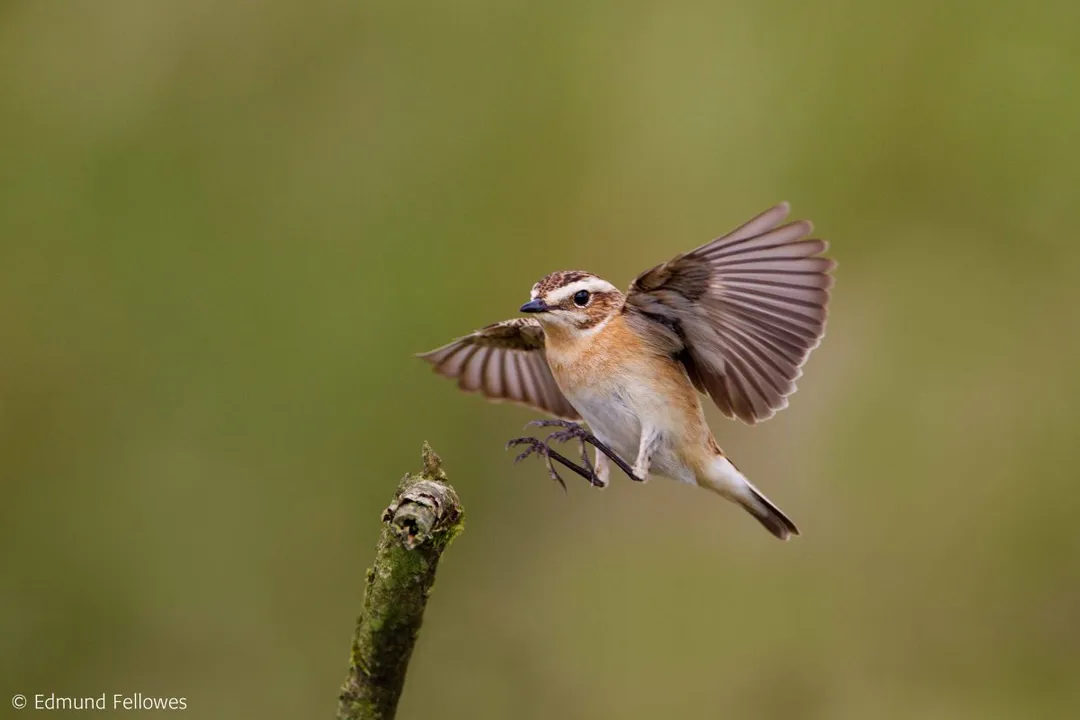
The quest to locate the Whinchat (Saxicola rubetra) is a pursuit dictated entirely by the calendar and geography, as this small chat is a dedicated long-distance migrant spanning continents twice a year. [2][6] To truly track this species, one must understand its preferred environments during its breeding tenure in the north and its winter sojourn far to the south. Unlike some resident songbirds whose locations remain static, the Whinchat’s presence shifts dramatically, moving from the open uplands of Europe and Asia to the African savanna. [2][6]
# Breeding Grounds
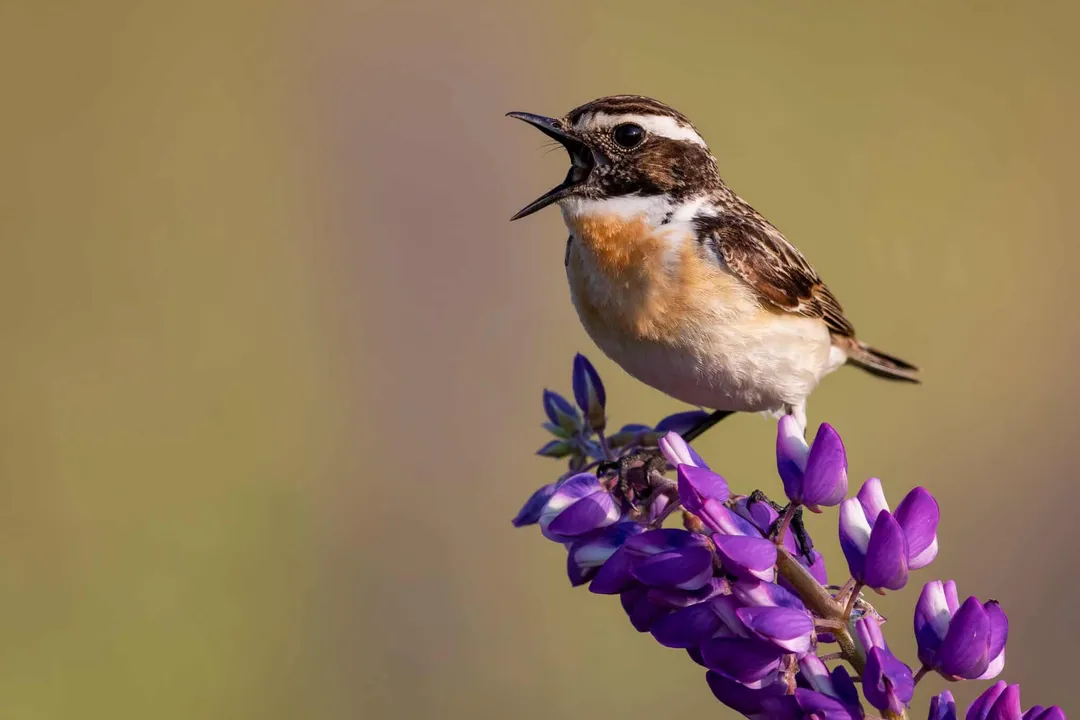
The Whinchat establishes its summer residence across a wide, albeit somewhat patchy, breeding range that stretches across much of Europe and extends into Western Asia. [2] Within this territory, the bird shows a distinct preference for open country, avoiding dense forests and intensely cultivated agricultural land. [5][2] Think of the landscape as being structurally "untidy" in a specific way; the Whinchat thrives where there is a mix of short, open vegetation for foraging and scattered upright structures for perching and displaying. [4]
In the British Isles, for instance, the bird’s status as a breeder is significantly more precarious than on the continent. While once more widespread, in places like Ireland, it is now considered a scarce summer visitor and breeder, facing notable declines. [6][8] Where they do successfully raise young, the habitat is typically characterized by moorland edges, rough grasslands, or the margins of bogs. [5][4] Crucially, they require perching spots—these might be gorse bushes, tall bracken, or even prominent fence posts—that allow the bird to survey its territory and sing its territorial song. [4] This requirement for scattered cover over uniform grassland is a critical distinction; a field too closely cropped or too densely covered in uniform heather will likely be ignored in favour of an area with varied structure. [4]
Looking further afield, successful breeding locations across Europe often involve high-altitude meadows or upland grazing areas where the vegetation remains relatively short during the nesting season. [2] If you are surveying potential Whinchat territory, look for areas with low scrub or young conifer plantations that offer a mosaic of bare ground and low growth, rather than mature woodland stands. [5][2] The presence of singing males in late spring, typically between May and early July, is the surest sign of an active breeding territory. [2] It is fascinating to consider that the bird is often found in what human land management might term 'neglected' areas—the transitional zones between intensive agriculture and wilderness—making them a sensitive indicator of fragmented or overly manicured landscapes across their European range. [4]
# Migratory Stops
The migratory phase is perhaps the most challenging time to pinpoint a Whinchat, as the birds are often passing through quickly and may utilize a wider variety of transient habitats than during the breeding season. [2] Whinchats are considered long-distance migrants. [6] Spring passage sees them moving northwards, generally occurring from March through to May. [2] The autumn journey southwards is often concentrated between August and October. [5][2]
During these movements, the birds require stopover sites that can quickly replenish their energy reserves. These temporary locations often mirror their breeding habitat but can include less pristine areas, provided they offer sufficient insects close to the ground. [4] Birders searching for migrants should focus on coastal scrub, sheltered valleys, or even large, rough gardens or parkland edges where insect life is active. [1] Data gathered through citizen science platforms like eBird, which record where birders find them, often show scattered reports across central and southern Europe during these transition months, reflecting this transient use of varied cover. [1]
If you are specifically targeting the autumn passage, timing becomes an essential factor for success. While the breeding season offers a few months to survey established territories, the southbound migration window can be narrow. [5][2] An experienced observer might note that the bulk of departures from northern and central breeding areas tends to ramp up in late August and early September. [5] Therefore, focusing searches on potential stopover spots—perhaps coastal areas or areas with good low cover near water—during the second or third week of September can dramatically increase the odds of encountering a stopover individual before it continues its southward push towards Africa. [2]
# Winter Quarters
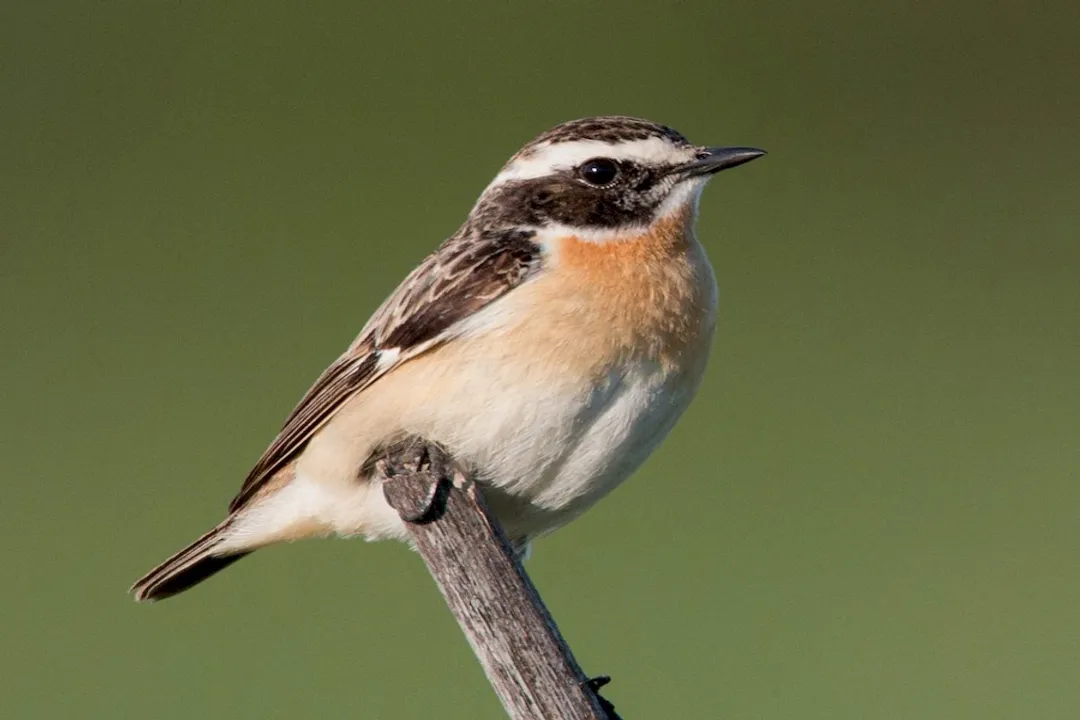
When the northern European chill sets in, the Whinchat embarks on its significant flight to wintering grounds south of the Sahara Desert. [2][6] The location during these non-breeding months is dramatically different from the upland heaths they occupied in summer.
The primary wintering habitat is found within the African savanna and various grassland ecosystems. [2] Unlike the structured, often cooler, temperate breeding grounds, the winter environment is dominated by vast, open, grassy areas, often with scattered scrub or acacia thickets. [2] Reports suggest they favor these open, bushy savannas for feeding and resting. [2] The ability to switch from the cool, often wetter, European uplands to the hot, dry African grasslands highlights the species' adaptability to temperature and vegetation structure, though they still maintain a strong preference for open areas where they can hunt insects aerially or from low perches. [2]
For the dedicated birder looking at the global range, knowing the winter location confirms that this species relies heavily on maintaining healthy, extensive savanna ecosystems south of the Sahara, just as it relies on healthy heathlands and rough pastures in the north. [2] Any threats to these widespread but structurally specific habitats—whether through overgrazing in Africa or habitat homogenization in Europe—can have cumulative effects on the species’ overall population health. [5][4]
# Habitat Structure Analysis
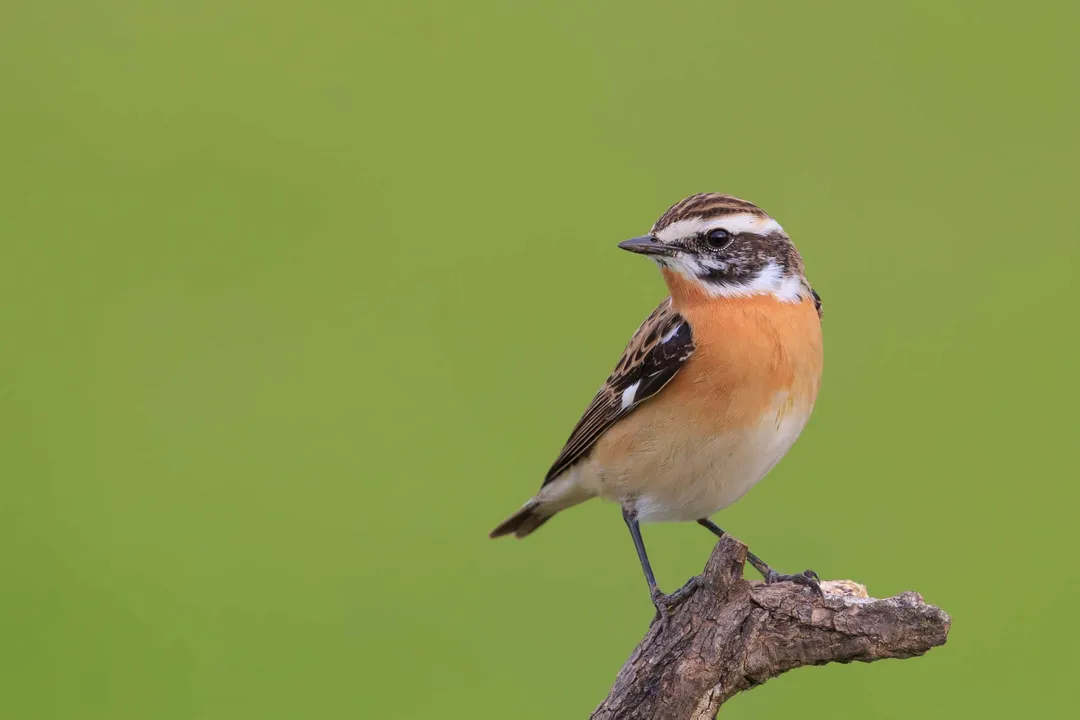
The consistent thread running through the Whinchat’s preferred locations, regardless of continent or season, is the requirement for structural heterogeneity close to the ground. They are not birds of uniformity. [4] A key observation when analyzing their chosen spots is the necessary balance between foraging area and safety/display perches.
Consider a typical breeding site in the UK uplands versus a possible stopover point in southern France:
| Habitat Trait | Breeding Site (Upland/Moor) | Migration Stopover (Mid-Latitude) | Wintering Site (Savanna/Grassland) |
|---|---|---|---|
| Vegetation Height | Low grasses, heather mix | Variable, low scrub, rough weeds | Primarily low grassland |
| Perches | Gorse, bracken, fence posts | Isolated small shrubs, hedgerow tops | Acacia saplings, low bushes |
| Overall Structure | Open mosaics of short and tall | Patches of dense cover adjacent to open ground | Open savanna with scattered woody elements |
| Key Requirement | Singing/Territorial display | Rapid refueling/Cover | Foraging safety/Insects |
| [4][2][5] |
This table illustrates that while the specific plants change drastically between the breeding grounds in, say, Scotland and the winter grounds in Nigeria, the functional requirement remains: open space for aerial insect capture, with nearby structure for immediate escape or perching. [4][2] When assessing a new location, even if it seems geographically plausible based on general range maps, a practical assessment of the vegetation structure might be more revealing than a simple latitude/longitude check. [1] If the area offers only continuous, dense cover or completely bare ground, the Whinchat is unlikely to linger or establish a nest.
# Regional Status Insights
Diving into the specifics of regional presence helps paint a clearer picture of where the dedicated search should focus. In the Netherlands, for example, historical breeding areas have seen significant declines, often correlated with changes in land use pushing out the preferred open, rough grassland. [2] This trend is mirrored across much of Western Europe where intensive farming practices result in a cleaner, more uniform landscape less suitable for this species. [5]
In Ireland, reports note that while they are known to breed, their numbers are low, and observers often need to check remote, upland areas during the summer months for any lingering evidence of breeding pairs. [8][6] Conversely, during migration, the coasts and islands may offer brief, concentrated sightings of passing birds that may not be present a week later. [1]
It is important to recognize the distinction between occurrence and occupancy. While eBird data might show high occurrence points, these often reflect areas where dedicated birders are looking, which can bias the perceived location slightly. [1] True, reliable occupancy during the breeding season relies on finding the precise, specific habitat niche described earlier—that patchwork of short grass and scattered cover—which might be just a few hundred meters away from an otherwise suitable-looking moor. [4] Understanding this nuance helps birdwatchers move past general habitat descriptions to pinpointing the actual micro-locations where the species successfully reproduces. [5] The sheer distance of their migration route means that any local sighting, whether in a northern breeding field or a southern stopover, represents a significant achievement for the bird, a successful navigation across thousands of kilometres of varied terrain. [2]
Related Questions
#Citations
Whinchat - eBird
Whinchat - Wikipedia
Whinchat (Saxicola rubetra) identification - Birda
Whinchat - Ulster Wildlife
Whinchat Bird Facts - Saxicola rebetra - A-Z Animals
Whinchat - BTO
Bird Finder - 59.242595, 18.283392 - Whinchat in September
Whinchat - BirdWatch Ireland