What made the Carolina parakeet unique?
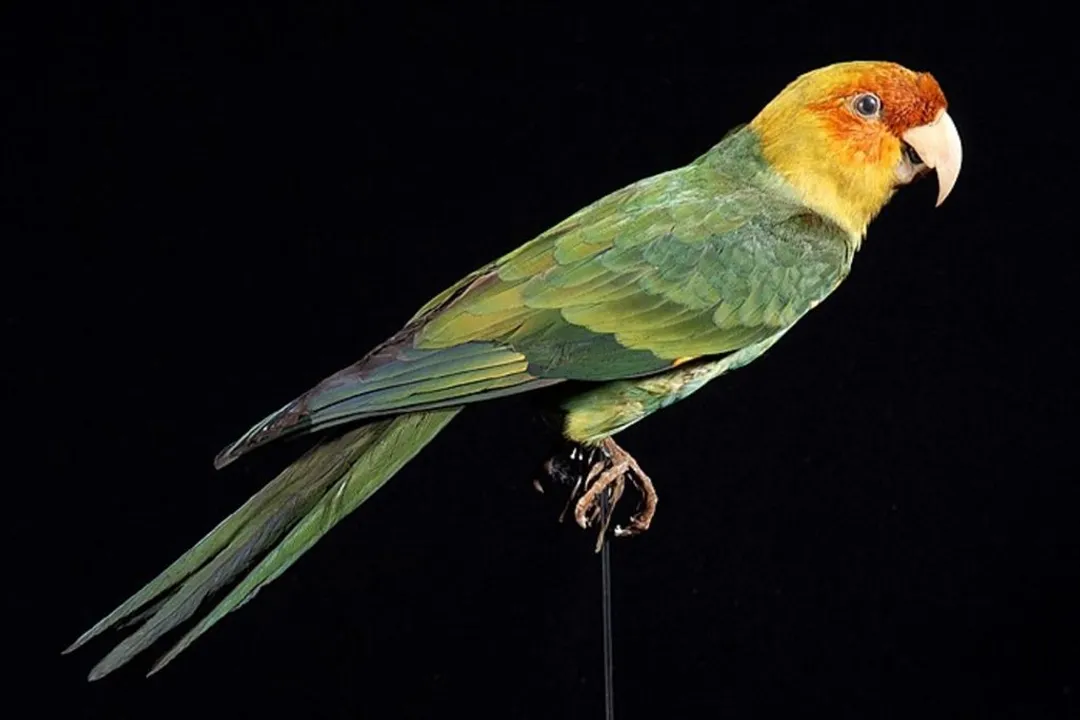
The Carolina parakeet, Conuropsis carolinensis, holds a tragic and singular place in American natural history as the only parrot species native to the eastern United States. Long before the modern conservation movement took root, this vibrant bird vanished from the continent, representing one of the most definitive avian extinctions of the 20th century. Its existence was once so interwoven with the ecology of the American Southeast that its former ubiquity is difficult to comprehend today.
# Plumage Color
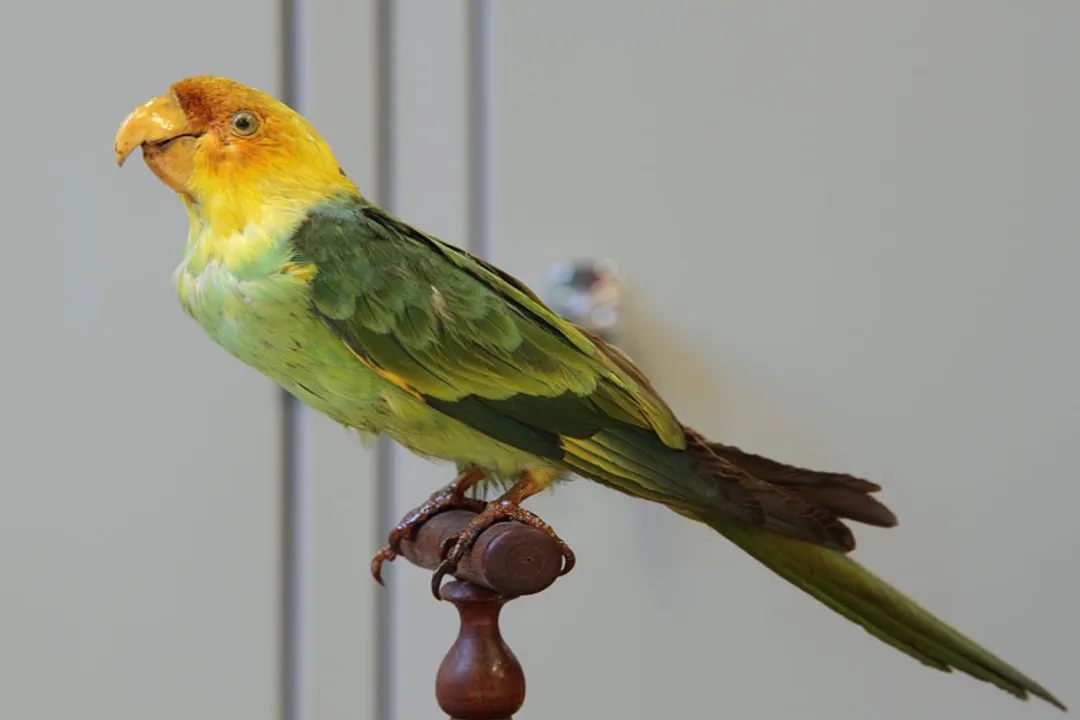
What first struck observers about the Carolina parakeet was its striking, jewel-toned appearance, which set it apart from almost all other North American birds. While commonly recognized as a green bird, its head featured remarkable splashes of color. The male displayed a brilliant orange-red face and chest, which contrasted sharply with its overall yellowish-green body feathers. The smaller female also possessed a yellow face, though usually less intensely colored than the male’s. Their wings were tipped with yellow and blue accents. This coloration immediately flagged them as tropical exotics, even though they thrived far north of the typical parrot zones.
# Range Expansion
For a long time, the known historical range of the Carolina parakeet was somewhat ambiguous, often centered around areas where specimens were collected or documented later in its decline. However, recent scientific effort, often involving the re-examination of old collections and reports, has significantly clarified where these birds truly resided. Analysis of historical records suggests the species had an incredibly broad distribution, stretching from the southern Great Lakes region down to the Gulf of Mexico and from the Great Plains eastward to the Atlantic coast. In fact, recent paleontological and museum data indicate their historical range extended much further north than previously confirmed, perhaps reaching as far north as New York and Wisconsin, especially during warmer climatic periods. This expanded understanding reveals that the bird was not just a Southern specialist but was historically adaptable across a vast swath of the eastern deciduous forests. This former abundance in the Southeast, where they were common a century ago, contrasts starkly with their complete absence now.
# Social Structure

One of the defining characteristics that separated the Carolina parakeet from most other North American avifauna was its highly social nature. Like their tropical cousins, these birds lived in large, noisy flocks. Early observers noted that these flocks could number in the hundreds, sometimes moving together in impressive aerial displays. This gregariousness was likely crucial for survival, providing safety in numbers, but it also tragically aided their downfall when hunters began targeting them. These large aggregations meant that a single volley of gunfire could decimate a significant portion of a local population. The birds were also known for their strong pair bonds, tending to stay close to their mate. Their calls were described as piercing and loud, audible from a great distance.
# Diet and Habitat
The parakeets were primarily frugivores, meaning their diet heavily featured fruits, seeds, and berries. They were particularly known for consuming the seeds of fruit trees, including cherries, plums, and apples, which brought them into direct conflict with agricultural interests as settlers moved into their range. They were also documented eating the seeds of forest trees like hackberry and elm, as well as thistle and weed seeds. Their habitat preference leaned toward mature forests, especially areas near water, such as river bottomlands and swamp edges, although they were adaptable and could be found in semi-open areas too. Their nesting habits, like many details of their life history, remain somewhat obscure, but they were thought to nest in tree cavities.
It is fascinating to consider the agricultural interface. In the early days of settlement, a vibrant population of parrots consuming orchard fruits might have been viewed as a localized nuisance, easily manageable by discouraging a few trees. However, as settlement intensified and the demand for fruit production grew, this natural feeding behavior turned the parakeet from an interesting curiosity into a perceived pest, making them an easy target for systematic extermination throughout the South.
# The Fall
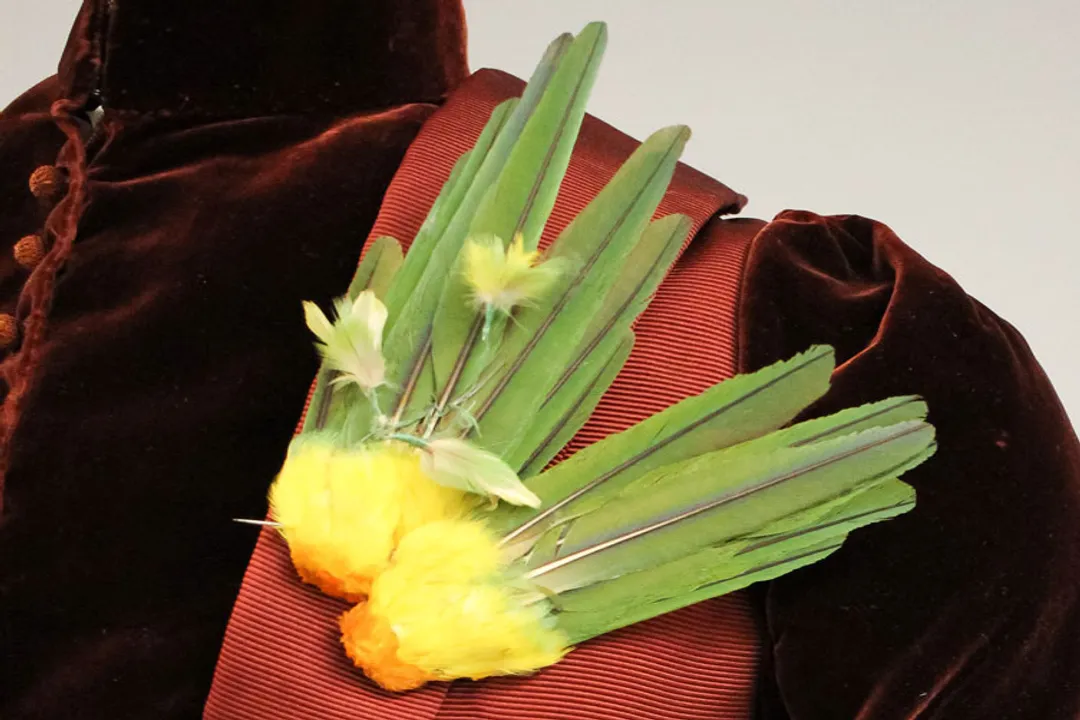
The decline of the Carolina parakeet was rapid and thorough, driven by a combination of habitat loss due to deforestation and widespread persecution. Farmers and orchardists often shot the birds because they damaged crops. Furthermore, their brightly colored feathers were highly desired by the millinery trade—the fashion industry that decorated women's hats—leading to targeted mass killings for their plumage. This dual pressure—pest control and commercial exploitation—was devastating to a species that naturally had a low reproductive rate, typical of parrots.
The last wild sighting is generally placed around 1910 in the Santee River region of South Carolina. Once they disappeared from the wild, the focus shifted to the few individuals held in captivity. The last known wild bird was seen around the time of the First World War, but the species officially entered its final phase in captivity.
# Final Moments
The final chapter of the Carolina parakeet’s story unfolds in a zoo setting, a common, poignant ending for many extinct species. The very last known individual, a male named Incas, died on February 14, 1918, at the Cincinnati Zoo in Ohio. This date is etched into avian history as the official moment the species blinked out of existence. It is a stark point of comparison: this bird was common enough that reports of flocks stretching across the eastern U.S. were routine just decades prior, yet a single male in a cage represented the entire species' remaining foothold.
When considering the swiftness of this decline, an analytical perspective suggests that while habitat loss was a factor, the specialized, flocking behavior of the parakeet acted as an accelerant for its demise once human persecution began in earnest. Unlike solitary birds, whose populations might weather sporadic hunting, the gregarious nature of the C. carolinensis meant that eliminating one flock effectively removed hundreds of breeding individuals from the gene pool in one action, preventing recovery. This rapid population collapse, from perceived ecological dominance to total extinction within a generation or two of intense pressure, offers a chilling historical case study in how swiftly a common species can be erased.
The specimens collected by scientists, such as those now housed in museum collections like the Florida Museum of Natural History, offer the only tangible evidence of this lost bird. These preserved skins allow modern biologists to study its structure and genetics, even as they highlight the scale of the loss. The study of these remains can sometimes even help resolve historical uncertainties, such as confirming the species' true northern extent through re-evaluating older, less clearly labeled specimens.
# A Missed Chance
The fact that the last bird died in Cincinnati, far north of the historical Southern heartland of the species, illustrates another layer of uniqueness—or perhaps tragedy—in its ending. While the species ranged into the Midwest, its final stand was in an artificial environment, far removed from the dynamic ecosystems it once inhabited. The failure to save even one individual, despite the growing awareness of extinction in the early 20th century, underscores a missed opportunity for conservation. If the bird had occurred only in remote, inaccessible areas, its loss might have been explained by geography; instead, it disappeared from areas intensely populated by humans, suggesting an active role by people in its disappearance.
The Carolina parakeet remains a powerful, if mournful, symbol of the vast changes wrought upon the American landscape. Its story is a reminder that abundance does not equal permanence. Though the world now has other thriving parrots, like the closely related but distinct green parakeet in South Texas, the loud, green-and-orange flocks that once wheeled over the Eastern forests are gone forever.
The loss of the Carolina parakeet is especially potent because it was an American native, unlike many other species that disappeared due to global trade or purely insular island effects. It serves as a powerful historical marker, demonstrating the severe environmental impact of rapid, unchecked settlement and resource exploitation before modern ecological science was established enough to protect the vulnerable.
Related Questions
#Citations
Carolina parakeet - Wikipedia
Reviving the cold case of the Carolina parakeet extinction
The Carolina Parakeet was ubiquitous in the southeast a century ...
Carolina Parakeet - | Outdoor Alabama
A Biologist Tells The Story Of America's Only Two Native Parakeets
Carolina Parakeet - Florida Museum of Natural History
We Now Know the Real Range of the Extinct Carolina Parakeet
Carolina parakeet - VT Wildlife Biology
The Last Member of This Bird Species Died in Captivity on This Day ...