What is the lifespan of a roe deer?

The longevity of the roe deer, a graceful and widespread European ungulate, is a subject frequently discussed among wildlife enthusiasts and researchers, often leading to a range of figures depending on whether one considers the wild or captivity, and which specific species is being examined. Roe deer actually comprise two distinct species: Capreolus capreolus, the European Roe Deer, and Capreolus pygargus, the Siberian or Asiatic Roe Deer. [1][2] Understanding the lifespan requires separating the harsh realities of the wild from the more secure conditions found in managed populations. [3][4]
# Wild Longevity
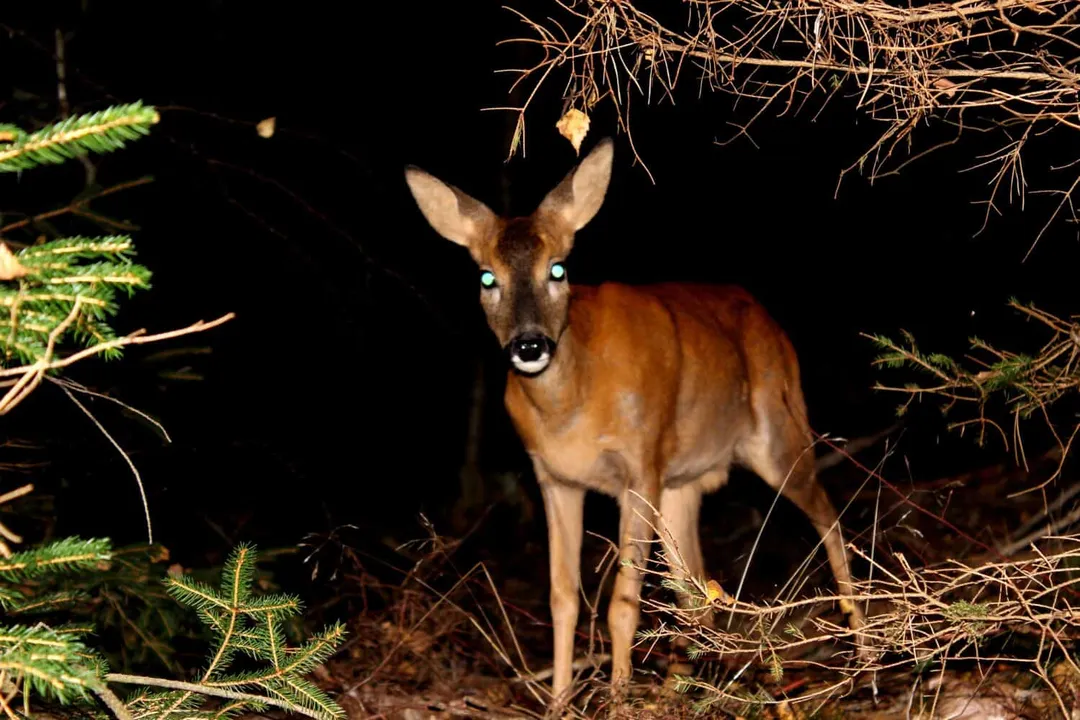
In their natural habitats, the typical lifespan for the European Roe Deer (C. capreolus) generally falls into a relatively narrow window. [1][5] Most individuals do not reach what might be considered their maximum potential age due to the inherent dangers of the wild environment. [3] It is commonly cited that roe deer in the wild rarely survive past 10 to 12 years. [1][8][9] Some sources might suggest an average survival closer to 6 to 8 years in areas with high predator density or significant human influence, reflecting a high mortality rate in the early years. [3][5]
The Siberian Roe Deer (C. pygargus) presents a slightly different picture, although direct comparisons are sometimes difficult due to regional studies. For C. pygargus, the maximum recorded lifespan in the wild is often noted around 14 years. [2] While this suggests a slightly greater potential longevity for the Asiatic species in its native environment, the general pattern of high early mortality remains consistent across both groups. [1][4] For the European species, reaching 10 years is certainly achievable for well-adapted individuals, but it represents a more senior age bracket than the average. [7]
# Species Difference
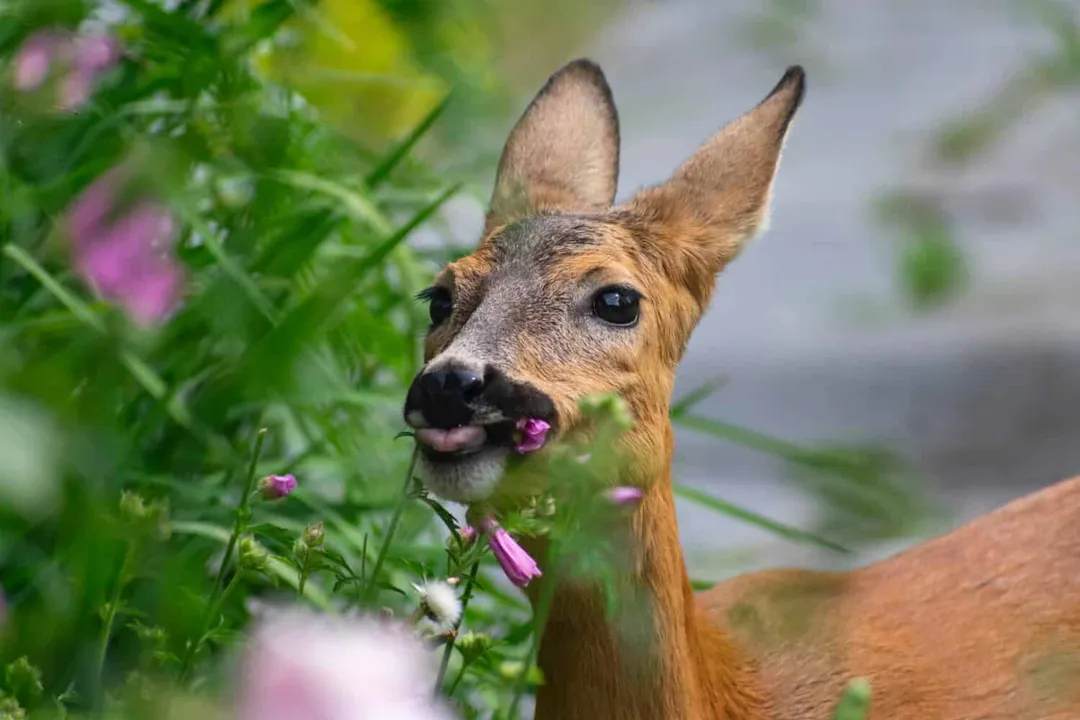
While closely related, the two roe deer species exhibit minor variations in their known lifespans, which could be attributed to ecological differences, genetic variance, or differing levels of predation pressure across their vastly different geographic ranges. [2][4]
The European Roe Deer (C. capreolus) is a smaller animal inhabiting woodland and agricultural edges across Europe. [5][7] Its shorter typical maximum life expectancy in the wild, often cited around 10 to 12 years, may be influenced by denser human population interaction and the presence of specialized predators like wolves or lynx in some parts of its range, even if those populations are recovering. [1][3]
In contrast, the Siberian Roe Deer, with a maximum reported lifespan of 14 years in the wild, ranges across vast areas of Eastern Asia. [2] This larger species might benefit from less fragmented habitat or different predator-prey dynamics across its extensive territory, potentially allowing a greater number of individuals to reach advanced age relative to their European counterparts. [2] It is an interesting data point that the senescence data suggests C. capreolus has a maximum recorded lifespan in captivity exceeding 17 years, implying that the wild environment imposes severe limitations on the European species' inherent biological potential. [4]
| Species | Average Wild Lifespan (Years) | Maximum Recorded Wild Age (Years) |
|---|---|---|
| Capreolus capreolus (European) | 6–10 [3][5] | ~12 [1][8] |
| Capreolus pygargus (Siberian) | Not explicitly stated | 14 [2] |
This comparison highlights that while both species share a similar biological clock, the environmental context seems to shave several years off the life of the European roe deer compared to the upper bounds recorded for the Siberian one. [1][2]

# Mortality Factors
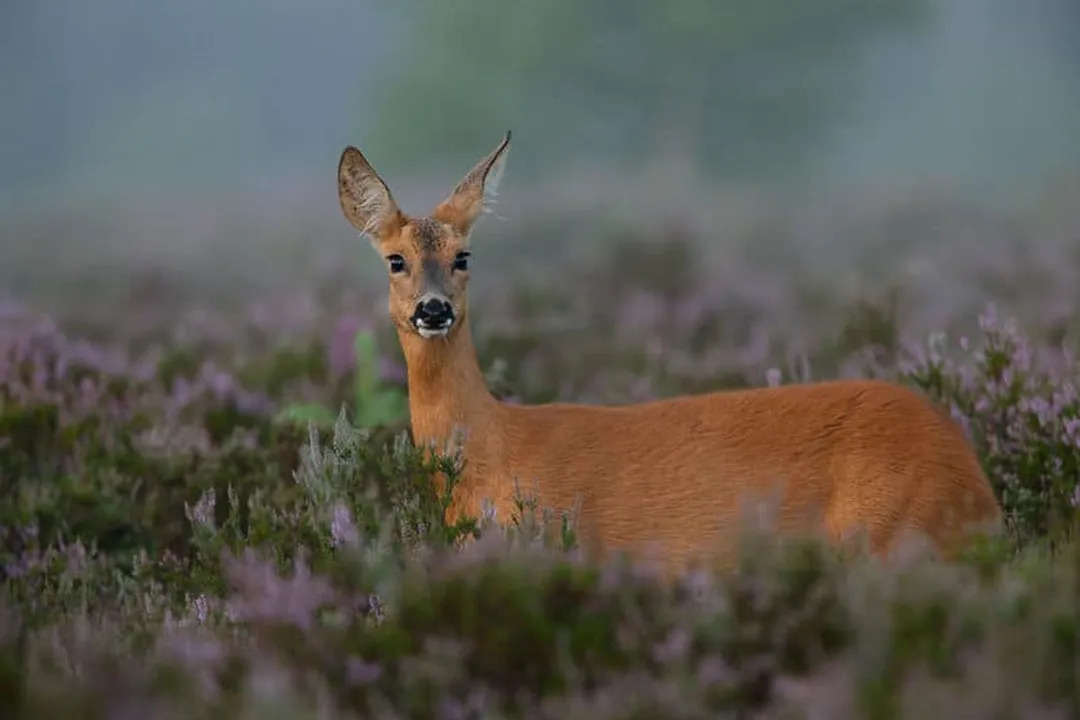
The most significant factor determining how many roe deer ever see their tenth birthday is not old age itself, but rather external pressures, particularly during their first year of life. [5][7] Juvenile mortality is notoriously high across ungulate species, and roe deer are no exception. [3]
# Early Loss
Fawns, especially those born late in the season, face the highest risk. [8] Survival through the first winter is a crucial test. [5] If a fawn survives its initial year, its chances of reaching middle age improve substantially, meaning the difference between an average lifespan and a near-maximum lifespan is often determined by survival through that first cold, hungry season. [3][7]
# Predators and Humans
Predation plays a significant role, though the specific threats vary by region. [1] In areas where they occur, large carnivores like wolves, lynx, and bears are natural threats to the Siberian Roe Deer. [2] For the European Roe Deer, while large carnivores are absent in many regions like the UK, predation pressures can still be significant from foxes, especially targeting fawns, or even domestic dogs. [5][7]
However, in many populated areas of Europe, the primary source of mortality is direct or indirect human activity. [3] Road traffic accidents are a major cause of death for adult roe deer, often surpassing natural predation as the leading cause of death in such landscapes. [8] Furthermore, legal culling or shooting, managed for population control or trophy hunting in certain areas, also contributes significantly to the observed mortality figures, meaning that a deer living a full natural lifespan without human intervention is becoming increasingly rare in heavily managed ecosystems. [1][5]
# Captivity Contrast

When removed from the pressures of predation, habitat fragmentation, and traffic, the lifespan of the European Roe Deer extends noticeably, providing insight into their inherent longevity. [4] In zoos or controlled breeding programs, individuals have been documented living into their late teens. [4][8] The maximum recorded lifespan for C. capreolus in captivity is reported to be 17 years. [4] This figure stands well above the average wild lifespan of 10 to 12 years, clearly demonstrating that the wild environment acts as a severe life-shortening filter. [1][3]
When comparing this 17-year captive peak to the 14-year wild maximum for the Siberian species, it suggests that C. capreolus might actually possess a slightly greater biological capacity for maximum age, provided all environmental risks are eliminated. [2][4] This tendency for captive animals to exceed wild maximums is common, but the gap here is telling regarding habitat quality and safety. [5]
# Age Structure
Understanding population dynamics helps explain why so few roe deer ever reach the 12- or 14-year marks. Roe deer populations typically exhibit a characteristic age pyramid, very broad at the base (fawns/yearlings) and tapering sharply toward the top. [7]
A high proportion of the population dies young, meaning that any given year, the vast majority of individuals are under five years old. [5][8] Those that pass the five-year threshold are considered fully mature adults, and their chances of surviving another few years are statistically better than a fawn's chance of surviving its first winter. [3] For example, if 60% of fawns perish before their first birthday, the remaining 40% inherit a much more secure outlook, even if they still face risks. [7]
If we consider an idealized scenario where conditions are perfect and hunting is non-existent, we might still see a natural decline due to senescence—the biological aging process—after about 15 years. However, in reality, reaching this point is exceptionally rare because ecological hurdles are almost always met first. [4] This is why management strategies often focus on securing juvenile survival, as protecting the young translates directly into more individuals contributing to the breeding stock for longer periods. [5]
If a wildlife manager were to age a sampled population, they might find that the median age (the age at which half the population is older and half is younger) is surprisingly low, perhaps only 3 to 4 years, despite the potential for a 12-year life. [7] This low median age is a direct reflection of that heavy, early-life attrition. For instance, in a purely protected area with very low juvenile loss, the median age could theoretically climb toward 6 or 7 years, significantly shifting the population structure and demonstrating the impact of environmental security on perceived longevity. [1]
# Signs of Age
While the calendar age is difficult to determine precisely in the field without specialized knowledge or dental examination, older roe deer do exhibit some physical characteristics, particularly the males. [8] Bucks (males) tend to have shorter antler cycles or may cease growing antlers altogether in extreme old age, though this is less documented than in larger deer species like Red Deer. [8][9] Generally, aging is subtle, but advanced age in any roe deer will manifest as slower movements, perhaps poorer coat condition outside of the summer moult, and less vigorous defense of territory during the rut. [3] For the European Roe Deer, recognizing an individual that has pushed past the 10-year mark in the wild is an encounter with a truly successful survivor. [7]
The lifespan of the roe deer, whether European or Siberian, serves as a clear illustration of ecological pressure over intrinsic biological capacity. While they possess the genetic capability to live close to two decades in safety, the environment—dominated by traffic, human management, and the inherent risks of early life—ensures that most remain short-lived survivors rather than long-lived elders [1][4][5].The longevity of the roe deer, a graceful and widespread European ungulate, is a subject frequently discussed among wildlife enthusiasts and researchers, often leading to a range of figures depending on whether one considers the wild or captivity, and which specific species is being examined. [1][2] Roe deer actually comprise two distinct species: Capreolus capreolus, the European Roe Deer, and Capreolus pygargus, the Siberian or Asiatic Roe Deer. [1][2] Understanding the lifespan requires separating the harsh realities of the wild from the more secure conditions found in managed populations. [3][4]
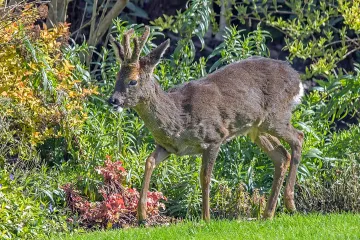
# Wild Longevity
In their natural habitats, the typical lifespan for the European Roe Deer (C. capreolus) generally falls into a relatively narrow window. [1][5] Most individuals do not reach what might be considered their maximum potential age due to the inherent dangers of the wild environment. [3] It is commonly cited that roe deer in the wild rarely survive past 10 to 12 years. [1][8][9] Some sources might suggest an average survival closer to 6 to 8 years in areas with high predator density or significant human influence, reflecting a high mortality rate in the early years. [3][5]
The Siberian Roe Deer (C. pygargus) presents a slightly different picture, although direct comparisons are sometimes difficult due to regional studies. For C. pygargus, the maximum recorded lifespan in the wild is often noted around 14 years. [2] While this suggests a slightly greater potential longevity for the Asiatic species in its native environment, the general pattern of high early mortality remains consistent across both groups. [1][4] For the European species, reaching 10 years is certainly achievable for well-adapted individuals, but it represents a more senior age bracket than the average. [7]
# Species Difference
While closely related, the two roe deer species exhibit minor variations in their known lifespans, which could be attributed to ecological differences, genetic variance, or differing levels of predation pressure across their vastly different geographic ranges. [2][4]
The European Roe Deer (C. capreolus) is a smaller animal inhabiting woodland and agricultural edges across Europe. [5][7] Its shorter typical maximum life expectancy in the wild, often cited around 10 to 12 years, may be influenced by denser human population interaction and the presence of specialized predators like wolves or lynx in some parts of its range, even if those populations are recovering. [1][3]
In contrast, the Siberian Roe Deer, with a maximum reported lifespan of 14 years in the wild, ranges across vast areas of Eastern Asia. [2] This larger species might benefit from less fragmented habitat or different predator-prey dynamics across its extensive territory, potentially allowing a greater number of individuals to reach advanced age relative to their European counterparts. [2] It is an interesting data point that the senescence data suggests C. capreolus has a maximum recorded lifespan in captivity exceeding 17 years, implying that the wild environment imposes severe limitations on the European species' inherent biological potential. [4]
| Species | Average Wild Lifespan (Years) | Maximum Recorded Wild Age (Years) |
|---|---|---|
| Capreolus capreolus (European) | 6–10 [3][5] | ~12 [1][8] |
| Capreolus pygargus (Siberian) | Not explicitly stated | 14 [2] |
This comparison highlights that while both species share a similar biological clock, the environmental context seems to shave several years off the life of the European roe deer compared to the upper bounds recorded for the Siberian one. [1][2]
# Mortality Factors
The most significant factor determining how many roe deer ever see their tenth birthday is not old age itself, but rather external pressures, particularly during their first year of life. [5][7] Juvenile mortality is notoriously high across ungulate species, and roe deer are no exception. [3]
# Early Loss
Fawns, especially those born late in the season, face the highest risk. [8] Survival through the first winter is a crucial test. [5] If a fawn survives its initial year, its chances of reaching middle age improve substantially, meaning the difference between an average lifespan and a near-maximum lifespan is often determined by survival through that first cold, hungry season. [3][7]
# Predators and Humans
Predation plays a significant role, though the specific threats vary by region. [1] In areas where they occur, large carnivores like wolves, lynx, and bears are natural threats to the Siberian Roe Deer. [2] For the European Roe Deer, while large carnivores are absent in many regions like the UK, predation pressures can still be significant from foxes, especially targeting fawns, or even domestic dogs. [5][7]
However, in many populated areas of Europe, the primary source of mortality is direct or indirect human activity. [3] Road traffic accidents are a major cause of death for adult roe deer, often surpassing natural predation as the leading cause of death in such landscapes. [8] Furthermore, legal culling or shooting, managed for population control or trophy hunting in certain areas, also contributes significantly to the observed mortality figures, meaning that a deer living a full natural lifespan without human intervention is becoming increasingly rare in heavily managed ecosystems. [1][5]
# Captivity Contrast
When removed from the pressures of predation, habitat fragmentation, and traffic, the lifespan of the European Roe Deer extends noticeably, providing insight into their inherent longevity. [4] In zoos or controlled breeding programs, individuals have been documented living into their late teens. [4][8] The maximum recorded lifespan for C. capreolus in captivity is reported to be 17 years. [4] This figure stands well above the average wild lifespan of 10 to 12 years, clearly demonstrating that the wild environment acts as a severe life-shortening filter. [1][3]
When comparing this 17-year captive peak to the 14-year wild maximum for the Siberian species, it suggests that C. capreolus might actually possess a slightly greater biological capacity for maximum age, provided all environmental risks are eliminated. [2][4] This tendency for captive animals to exceed wild maximums is common, but the gap here is telling regarding habitat quality and safety. [5]
# Age Structure
Understanding population dynamics helps explain why so few roe deer ever reach the 12- or 14-year marks. Roe deer populations typically exhibit a characteristic age pyramid, very broad at the base (fawns/yearlings) and tapering sharply toward the top. [7]
A high proportion of the population dies young, meaning that any given year, the vast majority of individuals are under five years old. [5][8] Those that pass the five-year threshold are considered fully mature adults, and their chances of surviving another few years are statistically better than a fawn's chance of surviving its first winter. [3][7] For example, if 60% of fawns perish before their first birthday, the remaining 40% inherit a much more secure outlook, even if they still face risks. [7]
If we consider an idealized scenario where conditions are perfect and hunting is non-existent, we might still see a natural decline due to senescence—the biological aging process—after about 15 years. However, in reality, reaching this point is exceptionally rare because ecological hurdles are almost always met first. [4] This is why management strategies often focus on securing juvenile survival, as protecting the young translates directly into more individuals contributing to the breeding stock for longer periods. [5]
If a wildlife manager were to age a sampled population, they might find that the median age (the age at which half the population is older and half is younger) is surprisingly low, perhaps only 3 to 4 years, despite the potential for a 12-year life. [7] This low median age is a direct reflection of that heavy, early-life attrition. For instance, in a purely protected area with very low juvenile loss, the median age could theoretically climb toward 6 or 7 years, significantly shifting the population structure and demonstrating the impact of environmental security on perceived longevity. [1]
# Signs of Age
While the calendar age is difficult to determine precisely in the field without specialized knowledge or dental examination, older roe deer do exhibit some physical characteristics, particularly the males. [8] Bucks (males) tend to have shorter antler cycles or may cease growing antlers altogether in extreme old age, though this is less documented than in larger deer species like Red Deer. [8][9] Generally, aging is subtle, but advanced age in any roe deer will manifest as slower movements, perhaps poorer coat condition outside of the summer moult, and less vigorous defense of territory during the rut. [3] For the European Roe Deer, recognizing an individual that has pushed past the 10-year mark in the wild is an encounter with a truly successful survivor. [7]
The lifespan of the roe deer, whether European or Siberian, serves as a clear illustration of ecological pressure over intrinsic biological capacity. While they possess the genetic capability to live close to two decades in safety, the environment—dominated by traffic, human management, and the inherent risks of early life—ensures that most remain short-lived survivors rather than long-lived elders. [1][4][5]
Related Questions
#Citations
Roe deer - Wikipedia
Capreolus pygargus (eastern roe deer) - Animal Diversity Web
what they eat, how big they are and how to age a roe deer by their ...
Western roe deer (Capreolus capreolus) longevity, ageing, and life ...
Roe Deer - The British Deer Society
Roe deer facts and characteristics - Facebook
Roe deer — Mammal Society
Roe deer (Capreolus capreolus)
Roe Deer - A-Z Animals