What is the lifespan of a giant trevally?
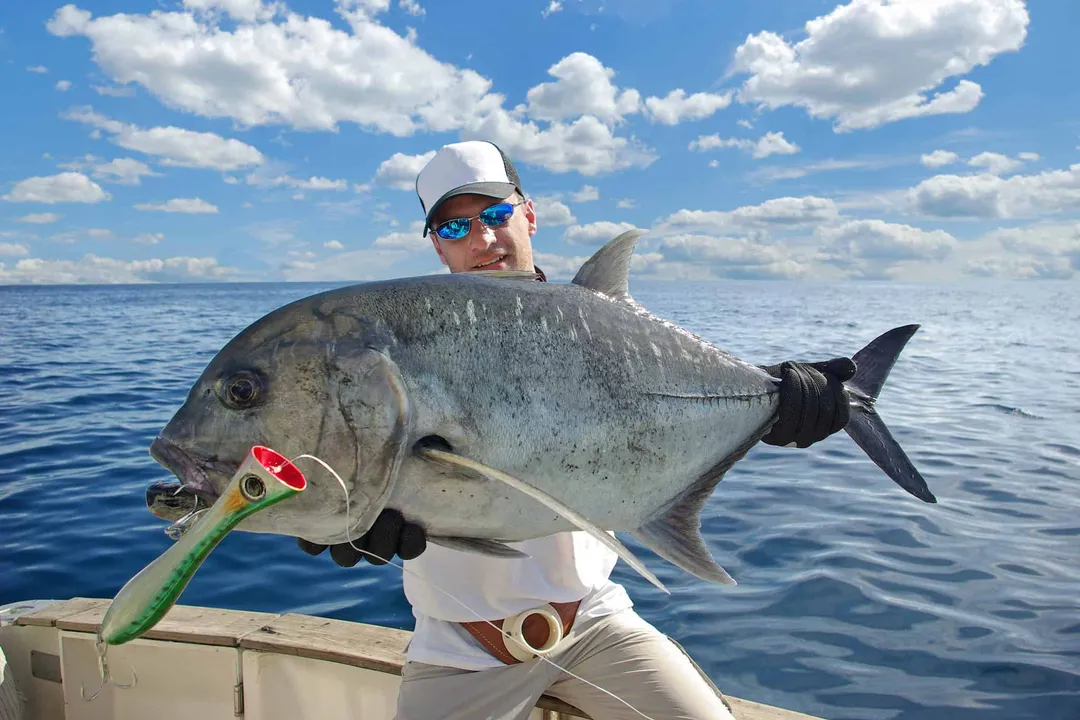
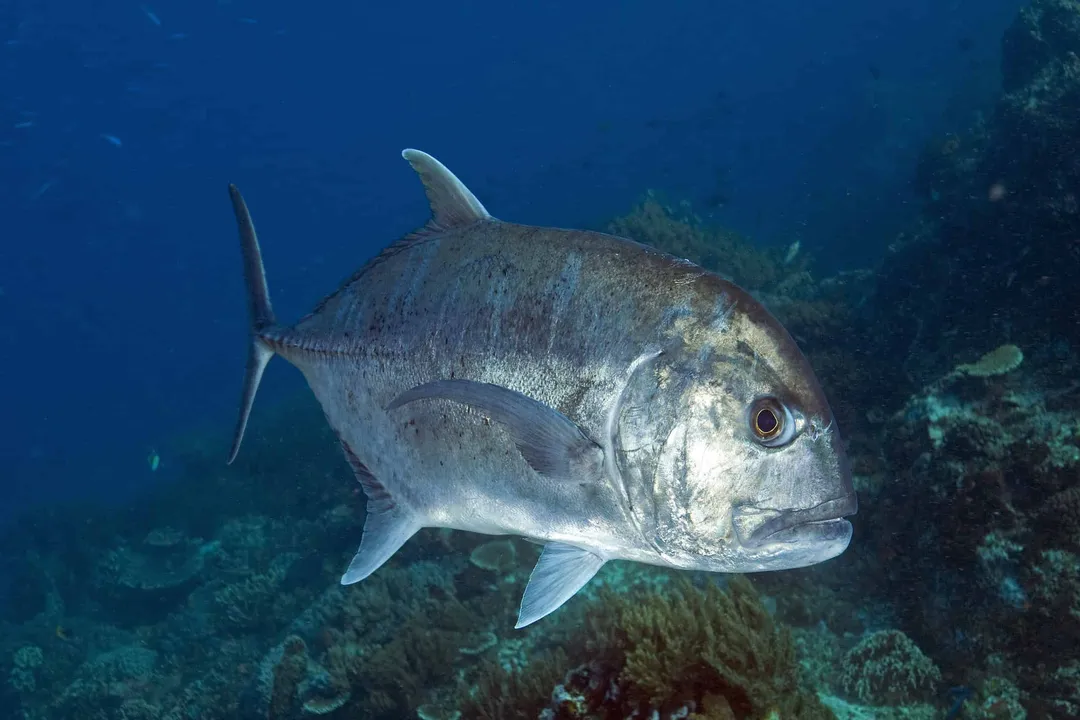
This fish, often simply called the GT, is one of the ocean's most recognized and powerful reef inhabitants, known for its sheer size and aggressive demeanor. While much attention is rightly paid to its hunting prowess or its appeal as a premier game fish, the question of how long these apex predators actually live is fascinating, especially when considering the challenges of aging such a large, fast-growing species in dynamic environments. Early knowledge on the longevity of the Giant Trevally (Caranx ignobilis) was often fragmented, relying on anecdotal evidence or limited observation, but modern scientific techniques have started to paint a clearer picture of their potential lifespan in the wild. [6]
# Age Determination
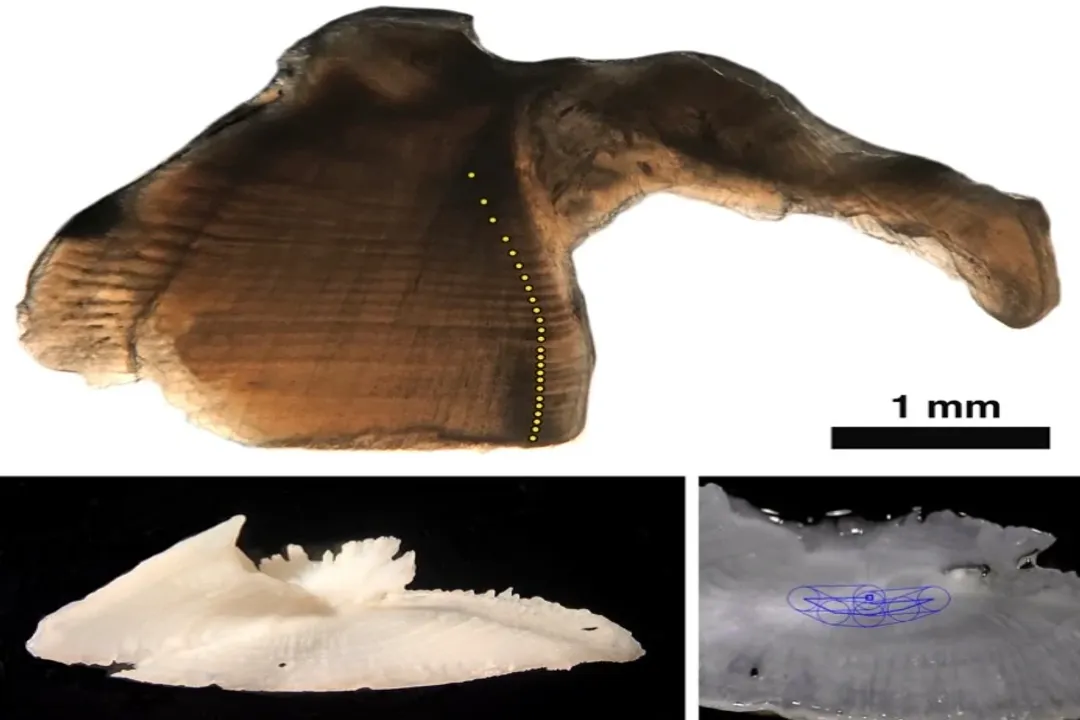
The scientific community has focused intently on accurately determining the maximum age of Caranx ignobilis, often using a technique that examines the hard, internal ear bones called otoliths. [2] These structures grow incrementally throughout the fish's life, with annual growth zones that can be read like tree rings. [2] A significant study focusing on specimens in the Hawaiian Islands utilized this method, combined with bomb radiocarbon dating—a technique relying on the spike in atmospheric carbon-14 from nuclear testing in the 1950s and 60s to validate the ages of long-lived fish—to establish reliable estimates. [2]
This rigorous aging process provided a solid benchmark. Research concluded that the Giant Trevally in the Hawaiian Islands can reach an age of 25 years. [2][6] This finding represents a significant extension beyond previous estimates that relied on daily increment counting, which were often limited to younger fish and extrapolated to suggest a maximum age possibly exceeding 20 years. [2] It is worth noting a slight divergence in the reported maximums, with one record citing 24 years as the upper limit. [4] The consistency around the quarter-century mark, however, is telling, especially when these validated ages are compared against the fish's impressive physical size. [2][4]
# Size Versus Years
The physical dimensions of the GT are immediately striking, which complicates aging because, in many fish species, a very large size implies a very old age. The Giant Trevally is the largest species in its genus, Caranx, with maximum known sizes pushing up toward 170 cm in fork length (FL) and weights reaching 80 kg. [6] Reports also mention a maximum length of about 160 cm. [4] The studies that established the 25-year lifespan analyzed female specimens ranging from 84 cm to 150 cm FL. [2]
What these studies revealed is a critical insight into GT biology: length is not always a reliable proxy for age once maturity is reached. [2] The data showed significant variation: one fish aged to 25 years measured 136 cm FL, while another fish measuring 137 cm FL was aged at only 13 years. [2] This suggests that while the potential lifespan is long—up to 25 years—the growth rate for individuals can vary considerably within the same location. [2] This decoupling of size and age is common in reef fish, but it highlights why direct aging methods like otolith analysis are so important for management decisions. [2]
While the Hawaiian population appears to have a validated maximum age of 25 years, we should be cautious about applying this universally across the entire massive Indo-Pacific range. [2] For instance, one specimen from Papua New Guinea, smaller at 67 cm FL, was estimated via otolith zones to be 11 years old, suggesting growth patterns could indeed differ significantly in other regions. [2] This geographical difference in growth is a vital consideration when thinking about the overall lifespan across its distribution, stretching from South Africa to Hawaii. [2][6]
# Life Cycle Hurdles
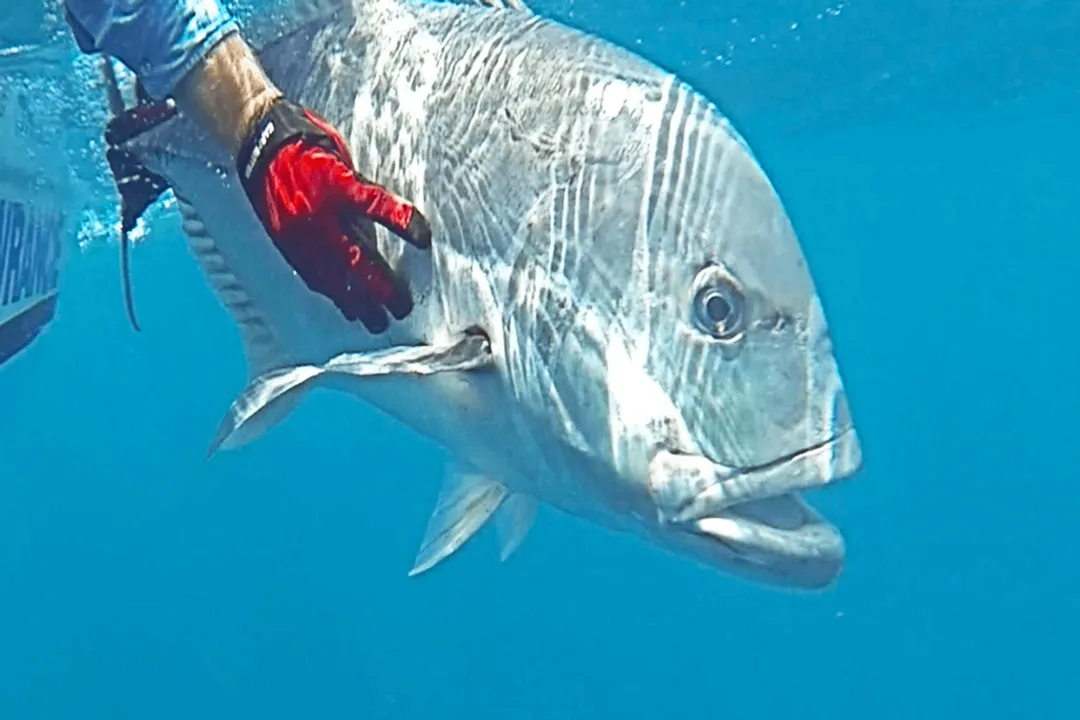
Understanding the lifespan requires looking at the sheer number of challenges a GT faces from its very beginning. Reproduction involves females releasing many thousands of eggs into warmer waters, often during specific lunar cycles over reefs. [1][6] The eggs hatch into tiny larvae that drift for over a month. [1] The early mortality rate is brutal: less than one in a thousand survives to become a juvenile fish. [1]
As the fish grows into a juvenile, it often seeks refuge in turbid, shallow waters like estuaries or coastal lakes, sometimes sheltering near stinging jellyfish for protection. [6][1] Survival through this phase is also perilous; less than one in every hundred juveniles makes it to adulthood over the 2 to 5 years it takes to mature. [1] Sexual maturity is generally achieved around three to four years old at a length of roughly 60 cm. [1][6] Given these dramatic bottlenecks early in life, any individual that survives to reach the apex predator status of an adult has already overcome immense odds, making the potential to live for two or more decades a remarkable achievement in survival. [1]
# Environmental Influences on Longevity
The impressive potential lifespan of 24 to 25 years is the maximum achievable under ideal conditions, likely those that afford protection and abundant resources, such as the remote atolls or specific fishing reserves studied. [2][6] In heavily exploited areas, the reality is often shorter. In the main Hawaiian Islands, for example, studies have shown a dramatic decline in GT numbers where they constitute a tiny fraction of apex predator biomass compared to untouched ecosystems. [6]
This pressure is not always subtle. While sharks and humans are the primary natural and anthropogenic threats, the sheer abundance of the GT in certain ecosystems means they are significant predators themselves. [4][6] They are known to exhibit remarkable hunting strategies, including shadowing monk seals or even ramming sharks, suggesting an ability to mitigate many natural threats. [4][6] However, intense fishing pressure, both commercial and recreational, directly targets the older, larger members of the population, effectively capping the average lifespan observed in fished areas. [6]
If we consider the distribution of the species—from the western Indian Ocean off South Africa to the central Pacific—it becomes apparent that local environmental stressors, pollution, and fishing intensity will modulate the actual recorded lifespan in any given region. [2][4] The 25-year figure is a scientific validation from a specific region (Hawaii), and it serves as a strong baseline maximum for the species overall. [2]
# Longevity and Fisheries Management
The confirmed potential for the Giant Trevally to reach a quarter-century adds a significant layer of complexity to its management as a game and commercial fish. For a species with such high reproductive output early in life, one might assume population resilience. However, when a fishery heavily targets larger individuals, it selectively removes the fish that have already produced offspring for many years. [2] Removing a 15-year-old GT is removing a much greater accumulated reproductive potential than removing a 4-year-old, particularly if the larger fish are the most successful spawners.
It is interesting to consider that the scientific methodology used to confirm the 25-year age required rare otolith samples collected by fishermen, indicating that these very old individuals are not commonly encountered or landed. [2] This scarcity, even in areas where the fish is still present, suggests that in most exploited environments, the typical age structure is heavily skewed toward younger fish. This observation aligns with the concerns raised about the declining abundance in the main Hawaiian Islands, leading to proposals for reduced bag limits or even banning commercial take in that region. [6]
This long lifespan demands a greater consideration for catch and release, which has become increasingly popular among sport anglers targeting GTs. [6] When anglers practice careful handling—supporting the fish’s weight, using single barbless hooks, and minimizing time spent out of the water—they are not just ensuring the immediate survival of a powerful fish; they are potentially giving a 10-, 15-, or even 20-year-old breeding female or male a chance to contribute many more cycles of offspring to the stock. [6] If we view the maximum lifespan not just as a number, but as a measure of a fish’s potential contribution to the gene pool, the ethical imperative for careful handling in sport fishing becomes crystal clear.
# An Alternative View on Age Distribution
When we look at the revised growth function derived from the bomb radiocarbon study, the data suggests an increased growth rate () compared to earlier models that lacked older specimens. [2] This means that, in the studied population, growth is faster than previously thought, especially in the initial years. [2] In a rapidly growing species like this, the difference between a 5-year-old and a 15-year-old fish might be substantial in length, but the difference between a 20-year-old and a 25-year-old is almost negligible in terms of length increase. [2] This compression of size difference in the older age classes means that relying on length measurements alone to assess the age of large adults is nearly impossible, reinforcing the fact that the oldest fish are truly the "unknowns" in a length-based assessment. [2] The fact that they can maintain significant growth (and presumably high metabolic demands) for 25 years speaks volumes about their efficiency as apex predators across varied reef structures. [6]
The confirmed longevity of the Giant Trevally establishes it not just as a magnificent fighter in the present day, but as a species with deep generational ties to its reef systems, representing decades of accumulated ecological knowledge, albeit silent knowledge locked within its ear bones.
Related Questions
#Citations
Reproduction & Life Cycle of the Giant Trevally (Caranx Ignobilis)
Giant Trevally Fish Facts - Caranx ignobilis - A-Z Animals
Giant trevally (Caranx ignobilis) of Hawaiian Islands can live 25 years
Giant Trevally
Giant Trevally Facts & Photos | Wowzerful
Giant trevally - Wikipedia