How did Pere David deer become extinct in China?
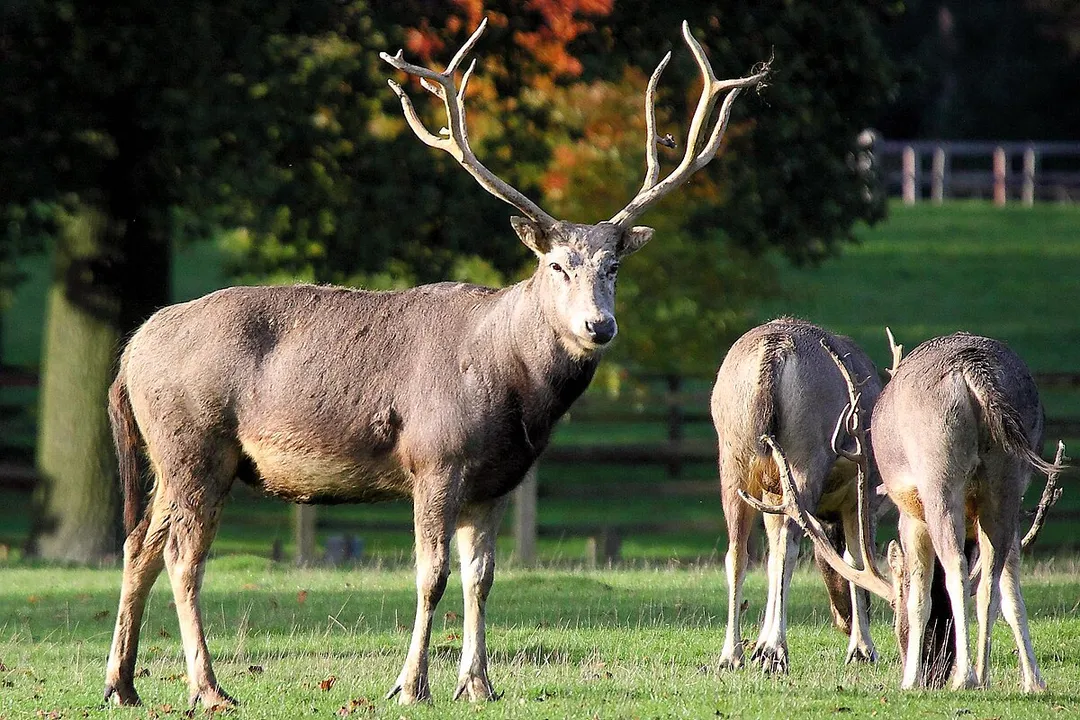
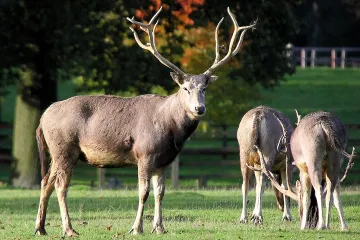
The story of the Père David's deer, an animal known in China for centuries by names like sì bù xiàng (four dissimilarities) due to its unique physical traits, is a profound case study in extinction and reintroduction. [1] Its disappearance from its native China was not a sudden event but a tragic cascade of environmental change, political collapse, and successful, albeit accidental, international preservation efforts. [5] This deer, with its large antlers, long tail, and padded hooves, thrived for millennia in the marshy regions of the Yellow River valley before its final holdout vanished from the mainland. [1]
# Imperial Sanctuary

For an astonishing length of time, the survival of this magnificent ungulate depended entirely on the protection afforded by the imperial court. [5] The species was famously confined to the Nanhaizi Imperial Hunting Park, located south of Beijing. [1][2][3] This area, which translates to the "Southern Marsh," was essentially a vast, managed reserve established specifically for the emperor's enjoyment and his royal collection of exotic animals. [1]
Within the walls of Nanhaizi, the deer existed in a state of relative ecological stability, despite being an ancient species whose natural range once spanned much of central and eastern China. [1] Scientific classification suggests that the Père David's deer (Elaphurus davidianus) had already become locally extinct in many parts of its former territory long before the 19th century concluded. [5] The park served as a final, protected bastion. It’s important to recognize that Nanhaizi wasn't just a random patch of land; it was a carefully maintained, semi-aquatic environment that mimicked the marshlands the deer naturally preferred. [1] This artificial but managed ecosystem successfully preserved the population for centuries under imperial oversight. [5]
# Habitat Loss
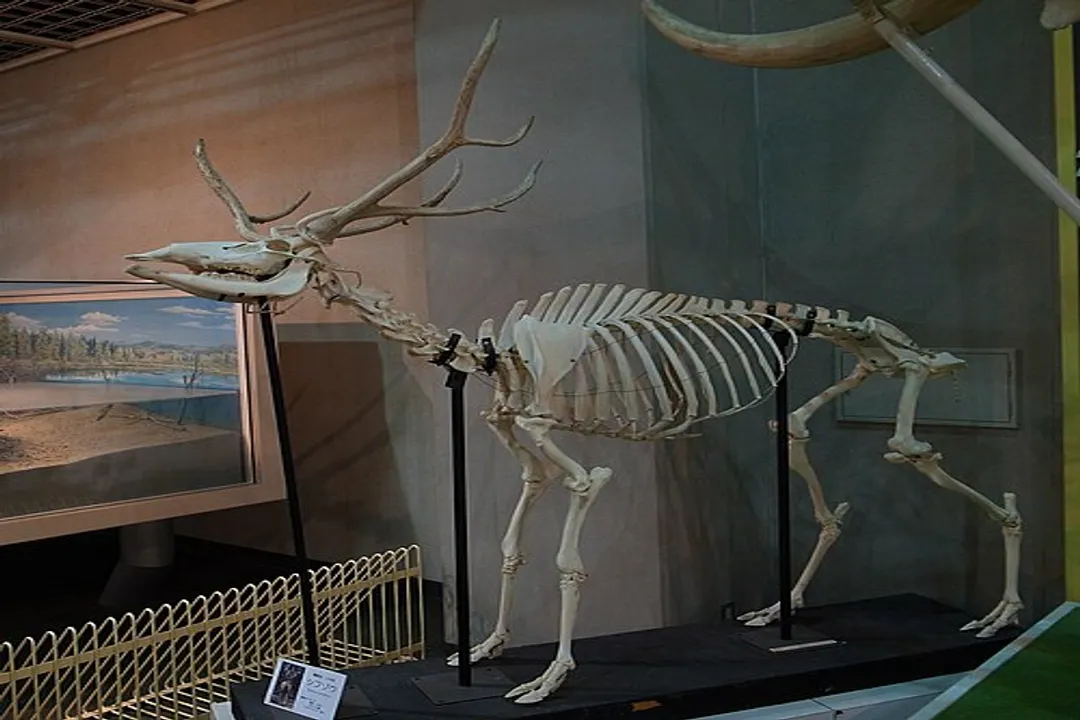
The very conditions that kept the deer safe under the Qing dynasty proved fragile once political stability waned. [1][5] The decline was intrinsically linked to the erosion of the protective measures surrounding Nanhaizi. [1] As the 19th century drew to a close, particularly following conflicts and instability in the region, the maintenance of the extensive walls and the security of the park began to fail. [5]
Flooding became a significant environmental pressure. Reports indicate that severe flooding in the area washed away the enclosure's boundaries. [1] Once the fences were breached, the animals, having lived in a highly controlled environment for so long, were suddenly exposed to the surrounding human population and the natural risks of the open landscape. [5] This environmental catastrophe was immediately compounded by human activity. With the formal protection gone, poaching and encroachment accelerated the species' demise in its native land. [1][5] The once-sacred hunting ground became an open target, and by the 1860s, the deer were considered extinct in the wild in China. [3]
One interesting facet of this final collapse is how quickly a highly specialized, protected population can disappear when its artificial safety net is removed. The deer's reliance on that specific marshland habitat, which was likely ideal for wading and browsing specific flora, meant that once dispersed, they lacked the adaptability of truly wild populations to quickly colonize new, drier, or more contested territories. [1]
# European Rescue
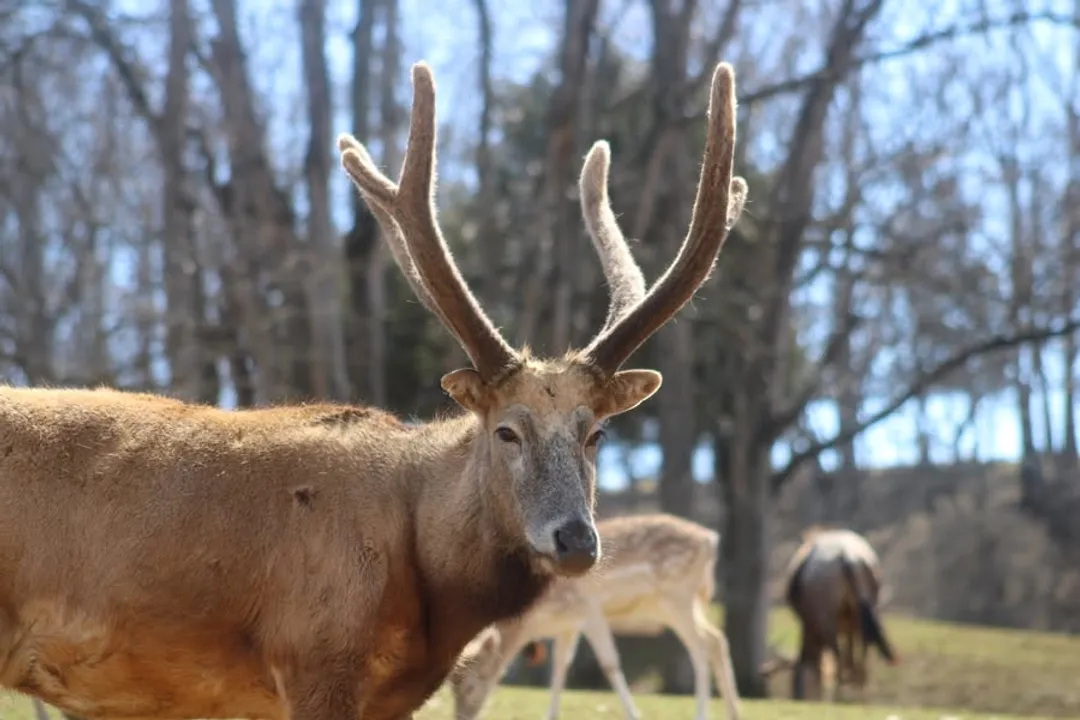
While the last herd perished in China, a small insurance policy had already been set in motion thanks to the intervention of a French missionary, Father Armand David, for whom the deer is named. [1] In the 1860s, he brought back illustrations and skeletal remains of the animal. [1] However, the direct transfer of living animals that ultimately saved the species occurred through diplomatic and private channels. [5]
By the early 1890s, a few of the remaining animals were successfully exported from China to Europe. [1] These deer found a new sanctuary at the estate of the Duke of Bedford at Woburn Abbey in England. [1][5] This transfer, taking place just as the Nanhaizi herd faced its final days, proved decisive for the species' global survival. [5]
It is a stark historical contrast: one of the world's great empires was unable to safeguard a prized endemic species against internal strife and environmental shifts, yet a European nobleman's private collection preserved the entire lineage. [1][5] At Woburn Abbey, the deer began breeding successfully in captivity. This fact underscores a critical difference in management philosophy at the time: the imperial system prized exclusivity and display, whereas the European breeding program, albeit unintentional on a species-saving scale, prioritized reproduction and population growth within a secured estate. [1]
# The Captive Population
The population that survived outside of China formed what is sometimes called the "Woburn Herd". [5] Because all the European captive animals descended from a very small founding group, they represent a severe genetic bottleneck. [1] This highlights the precarious nature of their survival; the entire global population exists as a conservation relic of what was once a widespread Chinese species. [3]
This captive stock became the sole source for future conservation efforts. [5] Zoos and wildlife parks around the world began acquiring animals from the descendants of the Woburn Abbey collection, slowly building a genetically diverse, albeit geographically separated, population. [2][9] Organizations like the Aspinall Foundation, for instance, have played a part in managing and propagating these deer in their parks. [2]
| Historic Location | Status | Timeframe of Significance | Primary Reason for Success/Failure |
|---|---|---|---|
| Nanhaizi, China | Extinct in the Wild | Pre-1890s | Imperial protection |
| Woburn Abbey, UK | Captive Survival | Post-1890s | Private estate management |
| Global Zoos | Captive Management | Present | Species continuation |
| [1][5] |
# Reintroduction Efforts
The story does not end in captivity; it pivots toward restoration. [3] Recognizing the profound loss of this species from its historical range, significant efforts were made to re-establish a wild population in China. [9] This initiative required more than just releasing deer; it necessitated recreating the essential habitat conditions that the species required to thrive naturally, moving beyond mere fencing to actual ecological rehabilitation. [3]
By the 1980s and 1990s, several deer were returned to China from various international collections. [3][9] One notable program involved releasing deer into a protected area in Beijing, aiming to recreate the conditions of the original Nanhaizi reserve. [3][9] This process is incredibly complex, involving veterinary checks, acclimatization, and careful monitoring to ensure the deer can successfully transition from a semi-domesticated captive existence back into a functional wild population. [3] The successful reintroduction marks a significant moment in conservation history, demonstrating that complete extinction can be reversed if adequate genetic stock remains and the necessary habitat restoration is undertaken. [9]
Considering the decades-long absence from the wild, the reintroduction teams faced the challenge of ensuring the deer possessed the necessary foraging behaviors and predator awareness lost over generations in parks. [3] The fact that these deer are now beginning to thrive again in protected zones suggests that the foundational knowledge about their habitat needs, preserved through historical records and perhaps even embedded in the genetics of the deer themselves, provided a strong basis for their return. [9] The process is ongoing, representing a long-term commitment to restoring a species lost to historical circumstance. [3] This comeback story, celebrated by many wildlife parks today, serves as a powerful reminder that extinction is not always final if dedicated international and local cooperation prevails. [7]
Related Questions
#Citations
Père David's deer
Pere David Deer
Extinct In The Wild, Père David's Deer
How did the pere David's deer extinct in China?what ...
The Incredibly Strange Story of the Pere David's Deer
Pere David Deer
🦌 A comeback story. Once extinct in the wild, the Pere ...
Père David's Deer - an overview
Rare Deer Makes a Comeback in China
Pѐre David's Deer