What is special about roe deer?

The roe deer, often sighted across the European countryside, possesses a quiet elegance that belies some surprisingly unique biological traits, making it more than just another common woodland creature. Unlike their larger relatives, like the Red Deer, roe deer (Capreolus capreolus) are relatively small, seldom exceeding 70cm at the shoulder, and typically weigh between 15 and 30 kilograms. [4][6][7] This compact stature allows them incredible agility within dense cover, a key survival adaptation in mixed woodlands and fragmented habitats. [8]
# Size Small
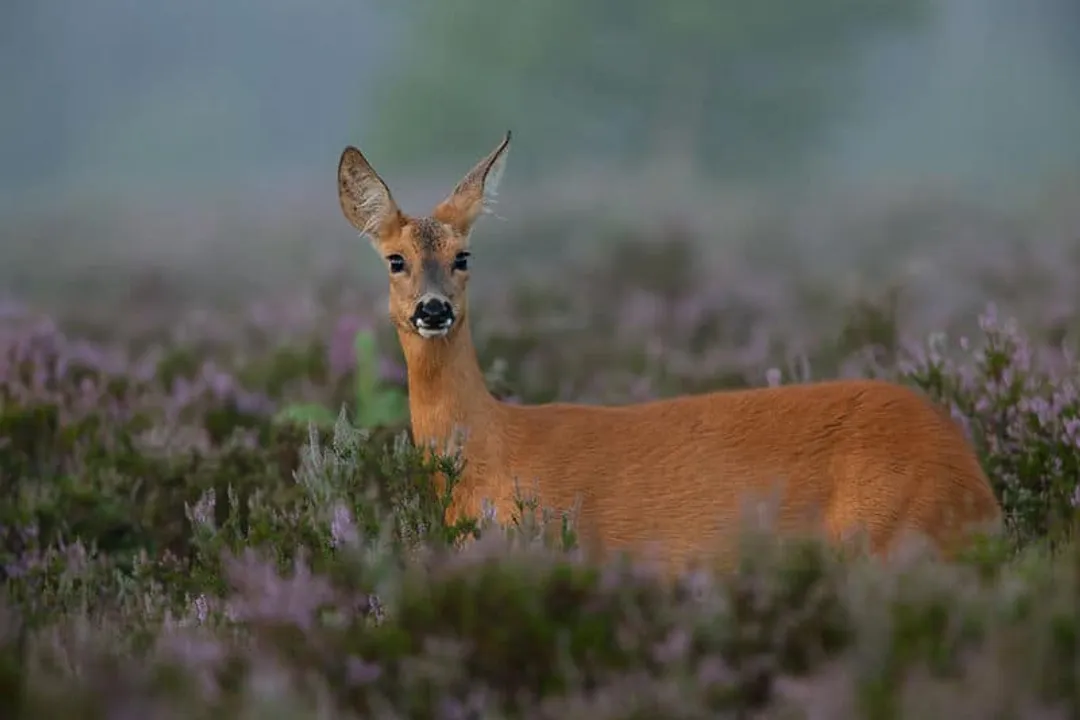
While they are sometimes confused with smaller members of the Red Deer family, roe deer are distinct in their physical build and habits. [7] Adult males, known as bucks, are generally larger than females, or does. [2] Their overall delicate appearance is a hallmark, setting them apart from the stockier deer species often found sharing the same landscape. [1] They are also relatively short-lived in the wild, rarely surviving past ten years, which contrasts with some of the longer-lived ungulates. [1]
# Coats Change
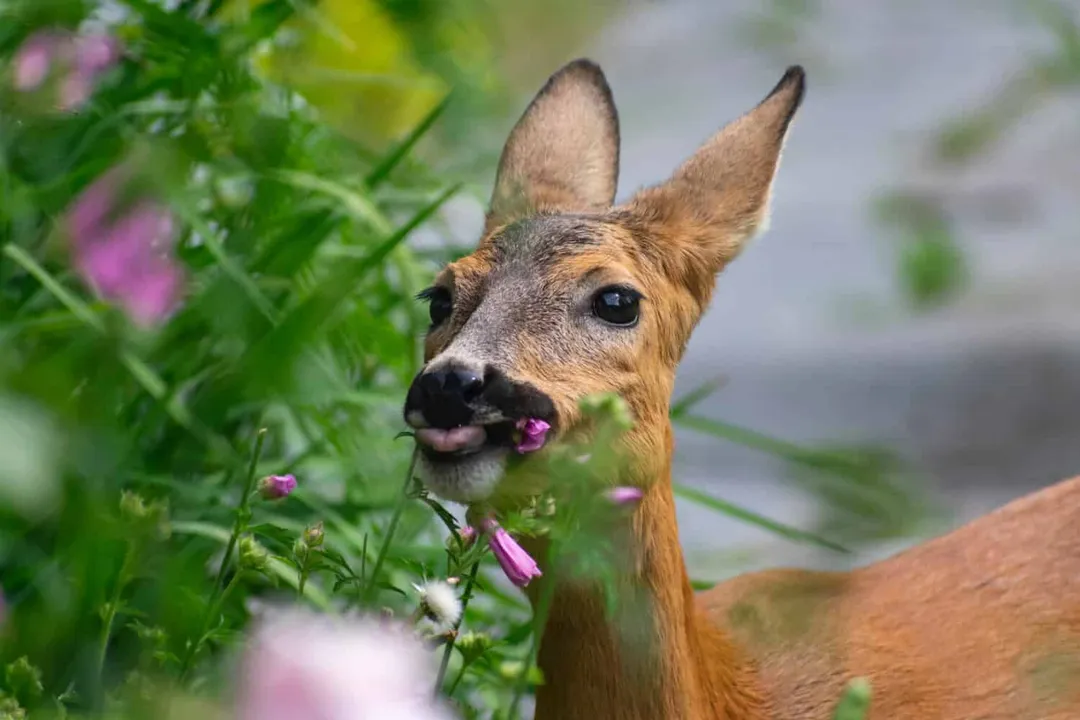
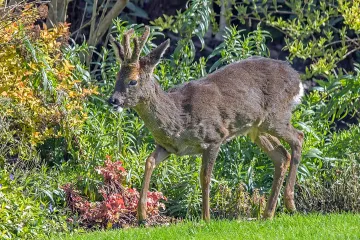
One immediately noticeable feature that changes with the seasons is their coat. In the summer months, their pelage adopts a rich, reddish-brown hue, which serves as excellent camouflage in sun-dappled woodland floors. [1][4] This summer coat, however, is shed as the weather turns cold, replaced by a much thicker, grizzled grey-brown winter coat. [2][8] This dramatic seasonal color shift is an important visual cue for observers, helping to date sightings throughout the year. [1] The white rump patch, prominent in both sexes, becomes especially visible against the darker winter fur. [2]

# Antlers Unique
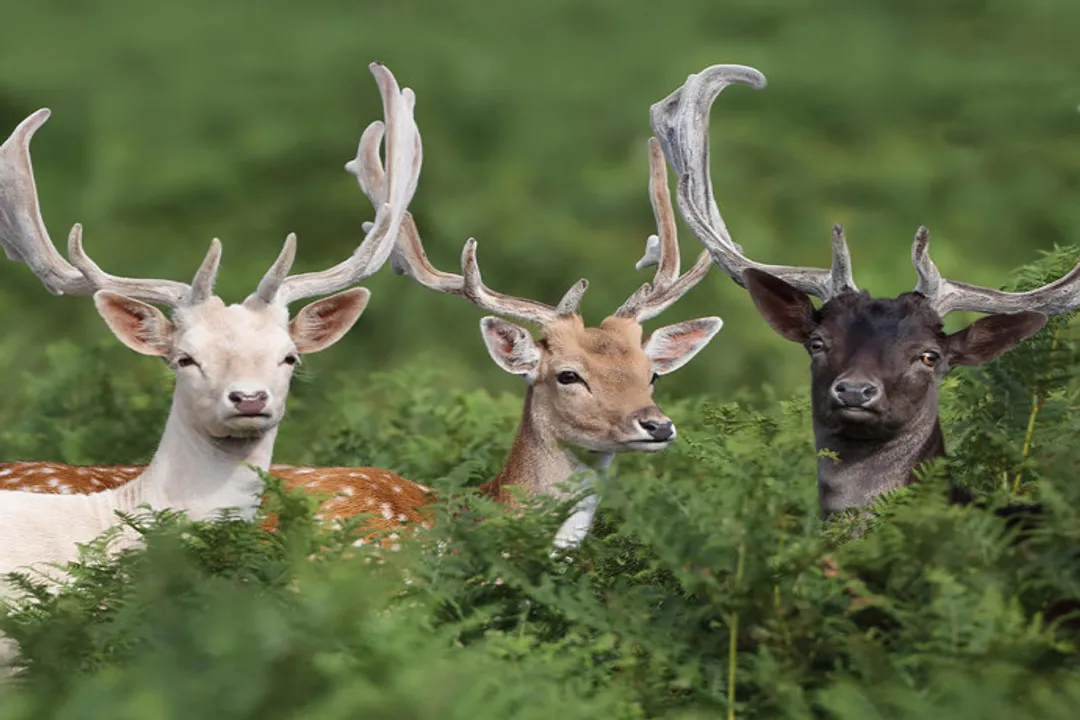
For the bucks, the antlers present another specialization. Roe deer antlers are short, usually only about 20–25 centimeters long, and typically possess only two or three tines, or points. [1][2] They are usually shed annually, often around October or November, and then begin to regrow almost immediately, covered in velvet throughout the winter and spring. [2] This relatively short cycle, compared to the massive, complex racks grown by larger deer species, reflects their smaller body size and distinct territorial needs. The bucks often use these small racks to spar during the rutting season. [2]
# Wide Range
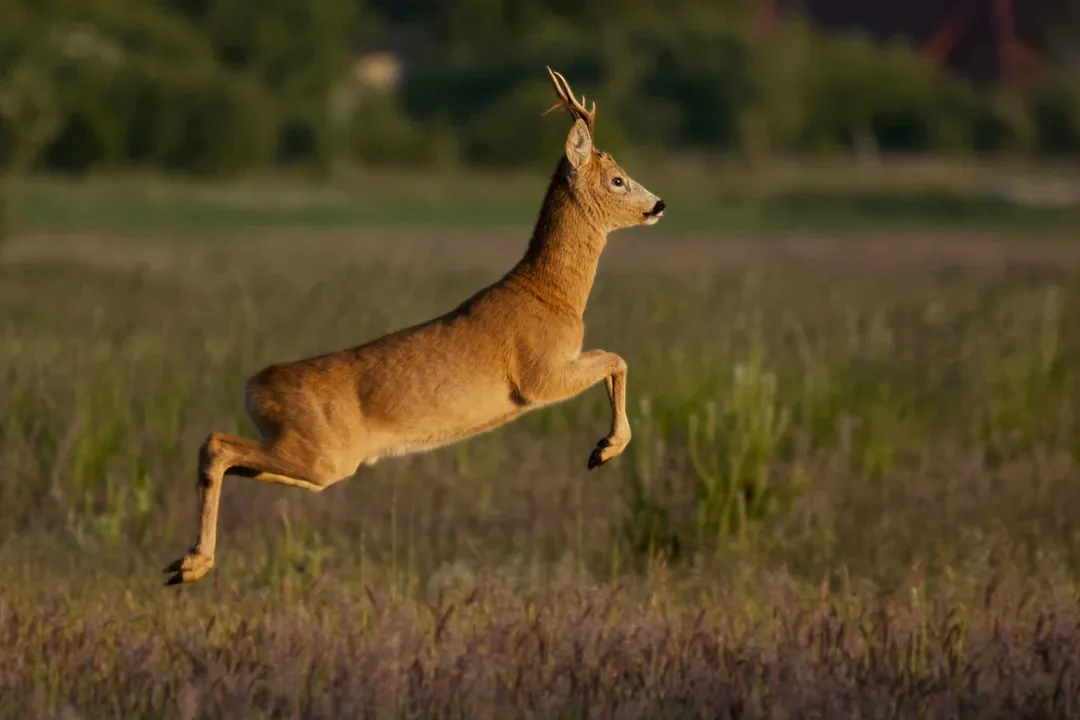
Roe deer exhibit remarkable adaptability in their geographical distribution and preferred environment. They are widely spread across much of Europe and into Asia. [6] While traditionally associated with forests, they thrive in a surprisingly varied range of habitats, including scrubland, moorland, and even parklands. [4][8] This flexibility is perhaps one of their most special attributes in the modern era. They have demonstrated a capacity to live successfully alongside human development, often frequenting farmland and the edges of suburban areas where cover is sufficient. [2] Considering the fragmentation of natural spaces across the continent, the roe deer’s ability to persist and even expand its range into disturbed landscapes—much like a generalist species—is a quiet testament to its environmental plasticity; they appear highly skilled at occupying the edges of human activity rather than retreating deep into untouched wilderness. [1][4]

# Solitary Habits
When observing their social structure, roe deer are generally considered solitary animals outside of the breeding season and the period when does are raising their young. [2] While they may aggregate in small groups during harsh winter weather, particularly in areas where food is concentrated, their day-to-day life is often lived alone or in small family units. [4][8] This contrasts sharply with species like Red Deer, which form large, cohesive herds. This more solitary existence influences how they defend resources and interact with neighbors, usually involving scent marking and occasional, brief aggressive encounters rather than large-scale group defense. [2]
# Diet Specific
The diet of the roe deer centers heavily on browsing rather than grazing. They are selective feeders, preferring young shoots, leaves, herbs, grasses, and fruits, depending on seasonal availability. [4] They exhibit a preference for nutrient-rich, easily digestible forage. [1] This specialized feeding pattern means they have a lower impact on ground cover vegetation than constant grazers, allowing them to coexist in areas where heavier grazing might damage sensitive flora. [8] Furthermore, their diet often dictates their movement patterns, as they must constantly seek out the newest, tenderest growth available. [4]
# Breeding Cycle
The timing of the roe deer reproductive cycle is distinctly unique, featuring a phenomenon known as delayed implantation. [2] The actual mating, or rut, usually occurs in July and August. [2] After fertilization, the embryo does not immediately implant into the uterine wall; instead, it remains dormant for several months, typically re-implanting around January. [2] This biological quirk ensures that the young, called fawns, are born in late spring or early summer, usually May or June, when food is most abundant and the weather is safest for the vulnerable newborns. [2][8] This delayed strategy is a highly effective evolutionary adaptation to synchronize birth timing with peak resource availability, a pattern not seen across all deer species. [2] Observing the rutting behavior, marked by bucks chasing does, is a peak wildlife event during the late summer months. [2]
# Recognizing Tracks
Even when the deer themselves are unseen, their presence can often be inferred by tracks and droppings. [8] Roe deer tracks are characteristically small and pointed, especially compared to other deer. [7] The droppings are typically small, dry pellets, often found scattered, which is another indicator distinguishing them from the larger, clumped droppings left by Red Deer. [8] Looking for these subtle signs—a few broken shoots, a light scrape on a tree trunk used for rubbing antlers, or their fine tracks in soft mud—can offer more insight into their local movements than a fleeting glimpse of the animal itself. [8]
# Related Species
It is important to recognize that the term "roe deer" can apply to more than one species within the genus Capreolus. [9] While the European Roe Deer, Capreolus capreolus, is the subject of most common observation in Western Europe, there is also the Siberian or Asian Roe Deer (Capreolus pygargus). [9] The Siberian species is generally larger and has a broader distribution across Eastern Europe and Asia. [9] For instance, records suggest the European Roe Deer was introduced to Norway, where it has since established itself successfully. [5] Understanding which species inhabits a particular region influences expectations regarding size and behavior, though both share the general Capreolus characteristics. [6][9]
The roe deer, therefore, stands out not by sheer size or herd behavior, but through a collection of highly specialized traits: its color-changing camouflage, its small, delicate rack, its ability to thrive in proximity to human settlement, and its fascinating reproductive timing that perfectly times the arrival of fawns to coincide with the spring bloom.
Related Questions
#Citations
Five Fascinating Facts: Roe Deer - The Scots Magazine
Roe Deer Facts | Wildlife & Flora in the Cotswolds
Roe deer facts and characteristics - Facebook
Roe deer | The Wildlife Trusts
The roe deer, an animal that arrived in Norway in the early ... - Reddit
Roe deer | Habitat, Diet & Adaptations - Britannica
Roe Deer - A-Z Animals
Roe Deer (Capreolus capreolus) - Woodland Trust
Capreolus pygargus (eastern roe deer) - Animal Diversity Web