Is a roe deer a carnivore?
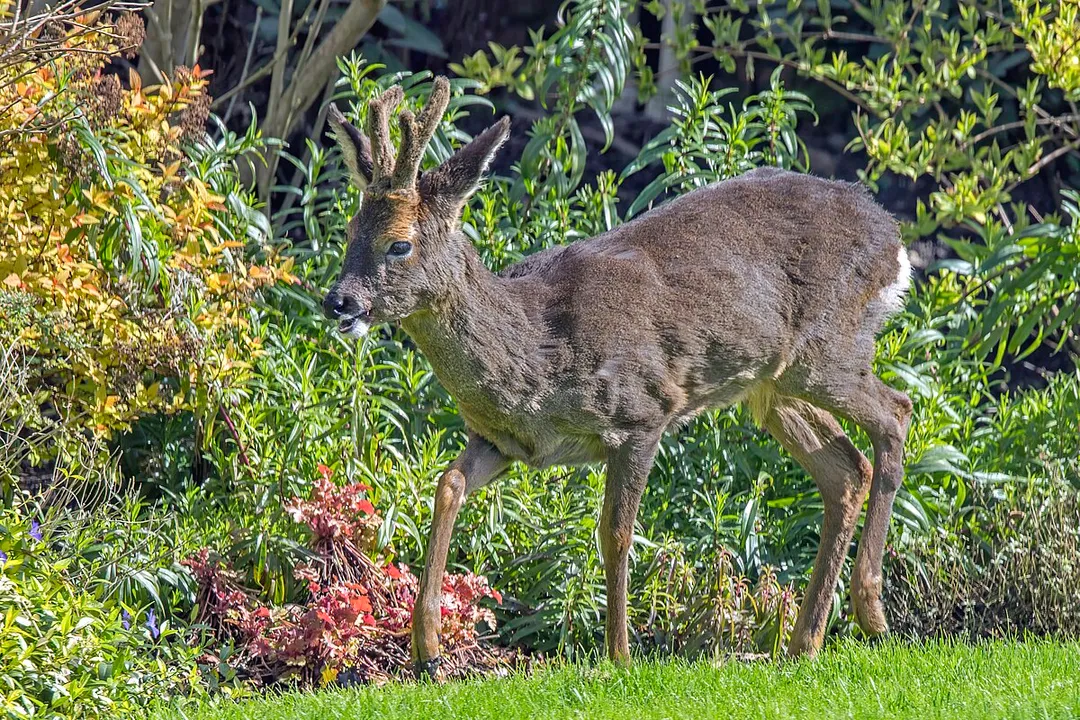
The European roe deer (Capreolus capreolus) is often classified simply as a herbivore, a classification strongly supported by its primary diet and digestive anatomy. However, observations from various sources reveal a more complex dietary reality, suggesting that while they are fundamentally plant-eaters, they are capable of occasional, opportunistic predation or scavenging that challenges a purely restrictive definition. Understanding their classification requires looking closely at what constitutes the vast majority of their intake versus those rare, surprising dietary deviations.
# Primary Feeders
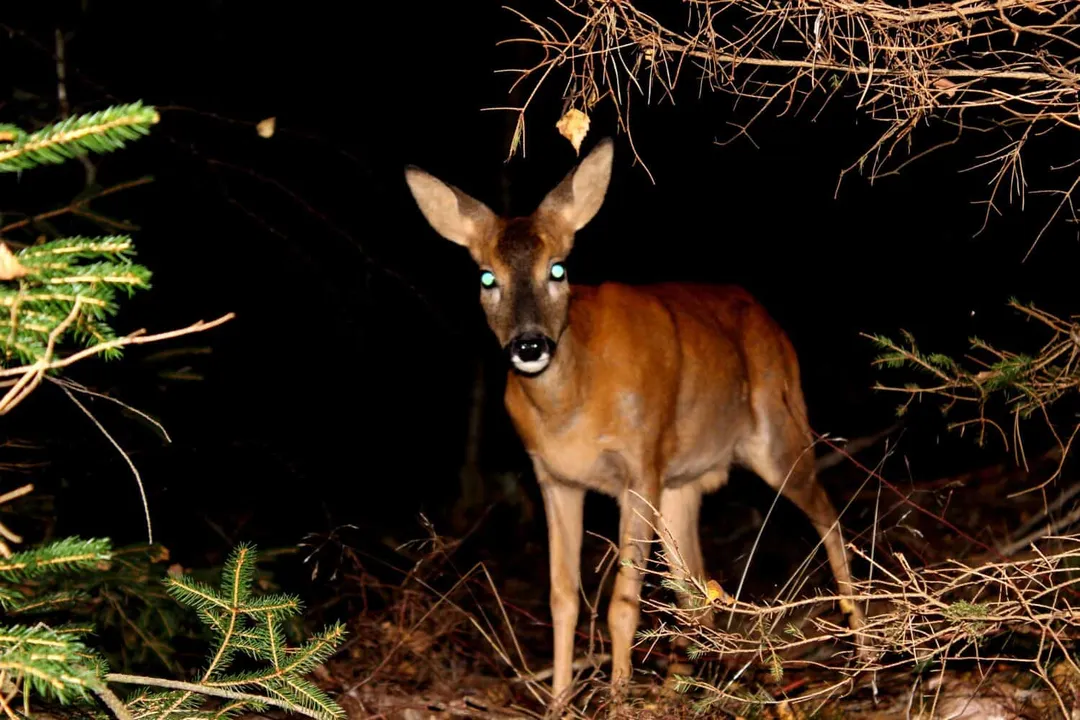
The foundation of the roe deer's sustenance is overwhelmingly derived from the plant kingdom, cementing its status as a browser rather than a true carnivore. This preference places them within the order Artiodactyla, meaning they are even-toed ungulates, a group synonymous with grazing and browsing herbivores. Their feeding strategy focuses on selecting the most nutritious parts of available vegetation, often moving away from common grasses that might sustain bulk feeders like cattle.
Their main menu typically includes tender young shoots and leaves, particularly those found on deciduous trees and shrubs. During the spring and summer, they heavily consume a variety of herbs, relishing the nutrient density found in new growth. As the year progresses, their diet adapts to what is available; berries become a significant component when ripe, offering a burst of carbohydrates and sugars. They are selective eaters, which is a hallmark of a high-quality browsing diet.
# Digestive Structure
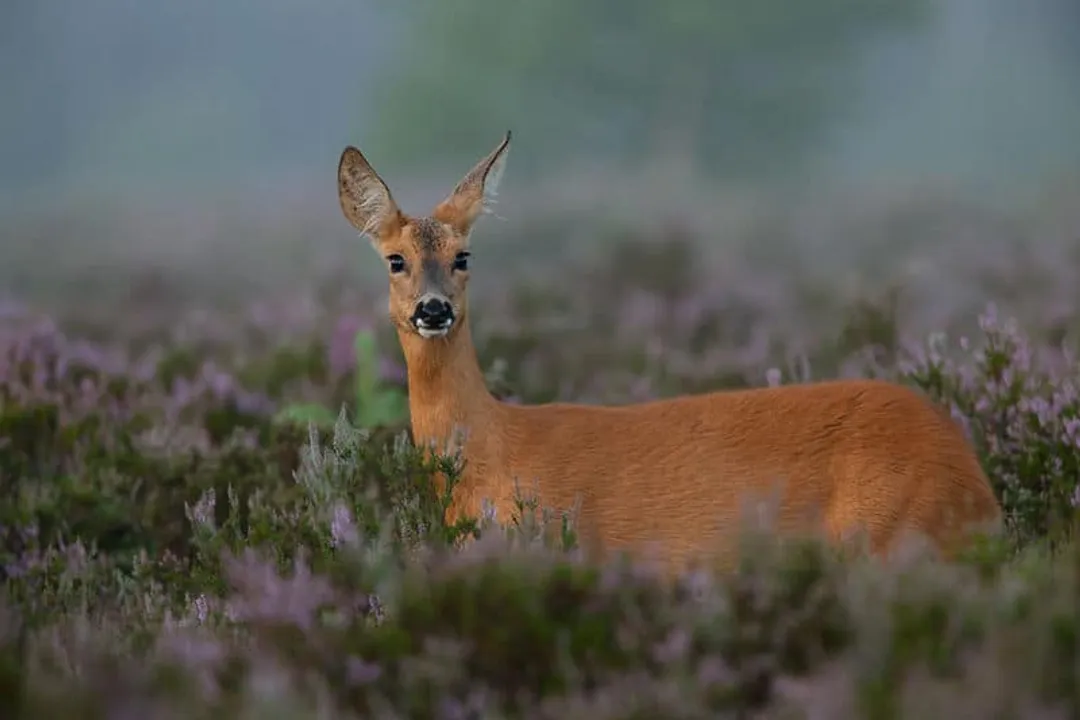
The physiological makeup of the roe deer confirms its herbivorous design. As ruminants, they possess specialized digestive systems built to break down tough cellulose found in plant matter efficiently. This system relies on microbial fermentation occurring in the specialized stomach chambers, a process entirely geared towards extracting energy from vegetation. This anatomy is fundamentally unsuited for processing large quantities of animal protein, which is why their reliance on leaves, shoots, and grasses remains constant year-round, even if minor dietary additions occur.

# Meat Consumption Context
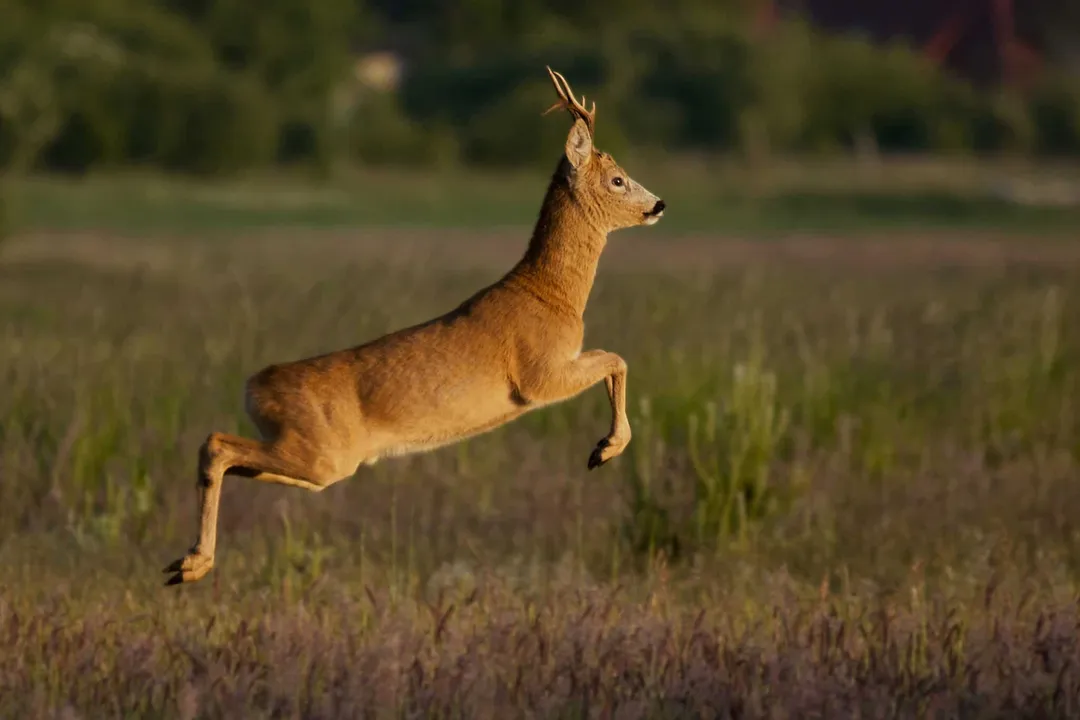
The discussion around whether a roe deer is a carnivore arises from documented instances where they consume animal matter. This behavior is not regular enough to change their overall classification but is notable enough to be recorded by ecologists and observers. The most common reported instances involve the consumption of bird eggs and the young of ground-nesting birds.
This deviation appears to be opportunistic, likely driven by a need for specific nutrients, such as protein or minerals, that might be temporarily lacking in the vegetation. When an animal, such as a roe deer, is observed eating bird nestlings or eggs, it is an indicator of behavioral flexibility rather than a shift in fundamental dietary strategy. It is important to contrast this with true carnivores or omnivores; for the roe deer, these animal protein sources likely represent a tiny fraction of their total caloric intake—perhaps less than one percent in most environments. If a significant portion of their diet, even seasonally, was composed of meat, the classification would change; as it stands, these acts are exceptions, perhaps triggered by proximity or hunger during vulnerable periods for ground-nesting species.
Another documented dietary curiosity for the roe deer is the consumption of fungi. While fungi are not animal tissue, they represent a non-plant source of nutrition that fits into their opportunistic feeding habits, often sought out when other preferred forage is scarce.
# Comparing Dietary Ratios
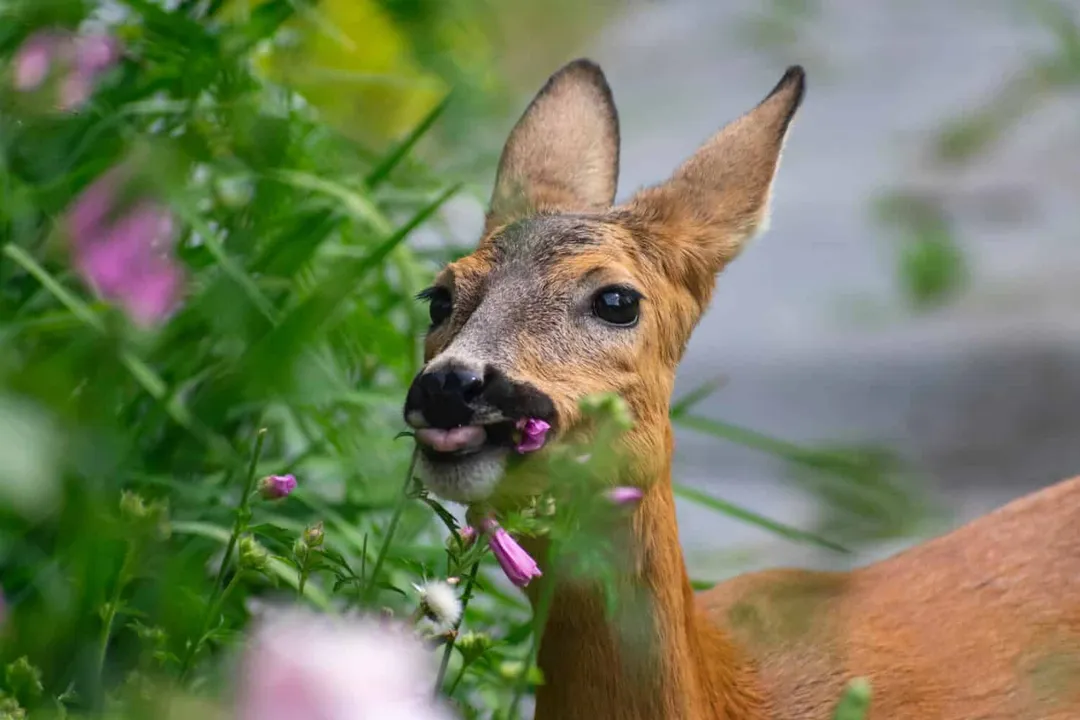
To properly frame the question, one must consider the scale of consumption. If we were to list the roe deer's diet by dry weight over a year, the resulting table would heavily favor plant matter.
| Food Category | Typical Seasonal Frequency | Primary Nutrient Contribution |
|---|---|---|
| Leaves & Shoots | Daily, high volume | Fiber, Carbohydrates, Protein |
| Grasses & Herbs | Daily, moderate volume | Fiber, Energy |
| Berries & Fruit | Seasonal (late summer/autumn) | Sugars, Vitamins |
| Fungi | Occasional | Variable |
| Bird Eggs/Chicks | Rare, opportunistic | High-density Protein/Fat |
This comparison starkly illustrates that labeling the roe deer a carnivore based on rare incidents is misleading, akin to classifying a person who occasionally eats insects found accidentally in their salad as an insectivore. The underlying biological programming and energetic dependence remain firmly rooted in plant resources. The observation noted by some field researchers, that deer will occasionally take prey, often stems from an immediate, high-value opportunity that supplements the bulk forage, rather than a replacement for it.
# Woodland Interactions
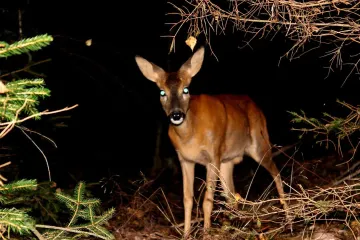
The roe deer's feeding style profoundly influences the local ecosystem, especially in managed woodlands. Because they are selective browsers, their presence dictates which younger saplings thrive and which are suppressed. They preferentially feed on the new, nutrient-rich shoots of specific tree species, which can affect forest regeneration patterns. Understanding what they are eating—the leaves and shoots—is key to predicting their impact on tree populations, far more so than occasional predation on a ground-nesting bird’s nest. For forest managers, knowing that the roe deer is primarily a browser allows for better predictions regarding browse lines and species survival rates.
An interesting way to view this is through the lens of nutrient cycling. A herbivore returns nutrients to the soil via manure derived from fibrous plant material, supporting the wider soil biome. An animal feeding heavily on animal prey, while still producing waste, shifts the nutrient transfer pathway differently. The roe deer's primary strategy ensures it remains integrated within the standard herbivore-to-decomposer cycle of the forest floor, despite its small dietary detours.
# Seasonal Shifts in Foraging
The roe deer's diet is not static; it adapts meticulously to seasonal availability, a survival mechanism that dictates when the rare opportunistic behaviors might emerge. In the height of spring, the abundance of new, succulent green growth—leaves, buds, and fresh grasses—means they have little need to look elsewhere for essential nutrients. This is arguably when they are furthest from needing any form of animal protein.
Conversely, late winter or early spring, when dormant vegetation is less nutritious and new growth has not yet emerged, might be a time of higher stress. While they still browse on twigs and bark, a chance encounter with a readily available, high-protein source like an unhatched egg could be seized upon to bridge a critical nutritional gap before the main browse season returns. This seasonal plasticity, which allows them to survive on woody browse when necessary, is a testament to their herbivorous adaptation, not a sign of impending carnivory. Their ability to survive in habitats where grasses are scarce, relying instead on tree leaves and herbs, highlights their specialized browsing expertise.

# Concluding Classification
To definitively answer the implied question: No, the roe deer is not a carnivore. It is classified as a herbivore or, more accurately, a selective browser. The capacity to consume bird eggs or nestlings is a rare, opportunistic feeding behavior, demonstrating dietary flexibility rather than a defining characteristic of its species classification. These instances are anomalies within an ecological niche that is overwhelmingly supported by grasses, herbs, leaves, and berries. A true carnivore's digestive system and nutritional requirements are vastly different, focused on meat; the roe deer’s entire physiology is geared toward processing cellulose.
Related Questions
#Citations
Roe deer - Wikipedia
Roe Deer - A-Z Animals
I learned something today. Deer can be carnivores. Given the ...
Roe Deer - an overview | ScienceDirect Topics
Roe deer facts and characteristics - Facebook
Roe Deer | TheHunter: Call of the Wild Wiki - Fandom
Roe deer | Habitat, Diet & Adaptations - Britannica
Roe Deer - Facts, Diet, Habitat & Pictures on Animalia.bio
Roe Deer (Capreolus capreolus) - Woodland Trust