What do roe deer like to eat?
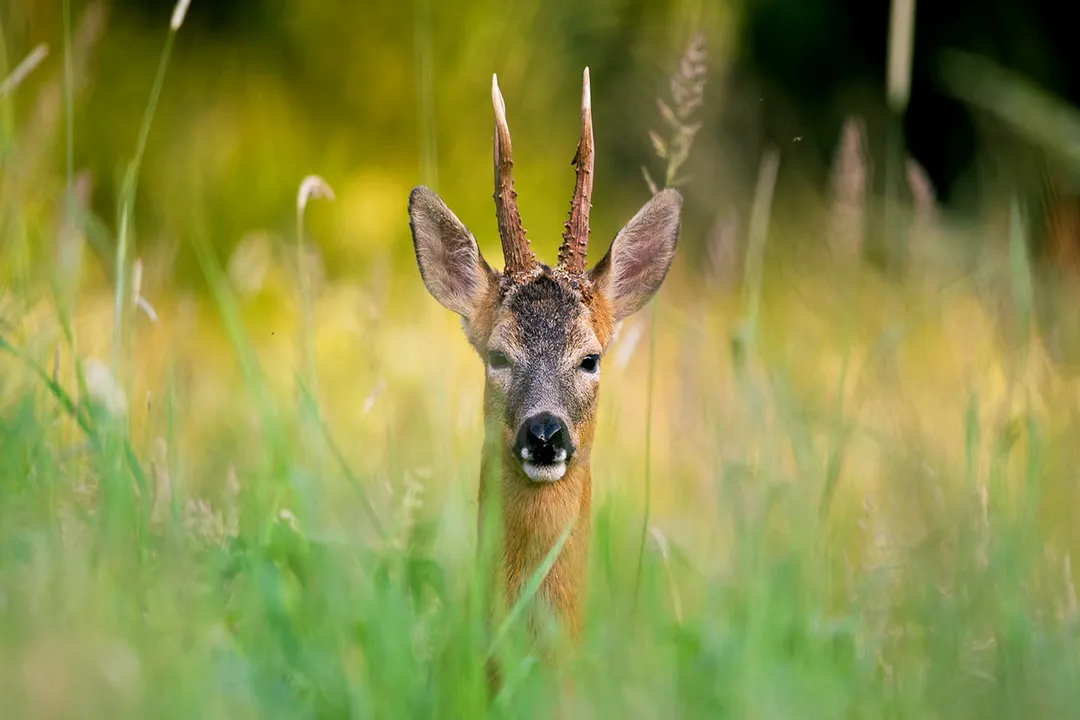
The sustenance required by the roe deer, Capreolus capreolus, is a fascinating study in dietary precision. These small, elegant deer are not indiscriminate eaters; they are classic selective browsers, meaning their preference lies in consuming small amounts of many different high-quality, nutritious plants rather than ingesting large quantities of a single, lower-quality food source. [4][7] This feeding style dictates their behaviour, as they spend a significant portion of their day carefully selecting what to ingest. [5] As ruminants, their digestive systems are finely tuned to process specific components of the vegetation available to them throughout the year. [4]
# Selective Browsing
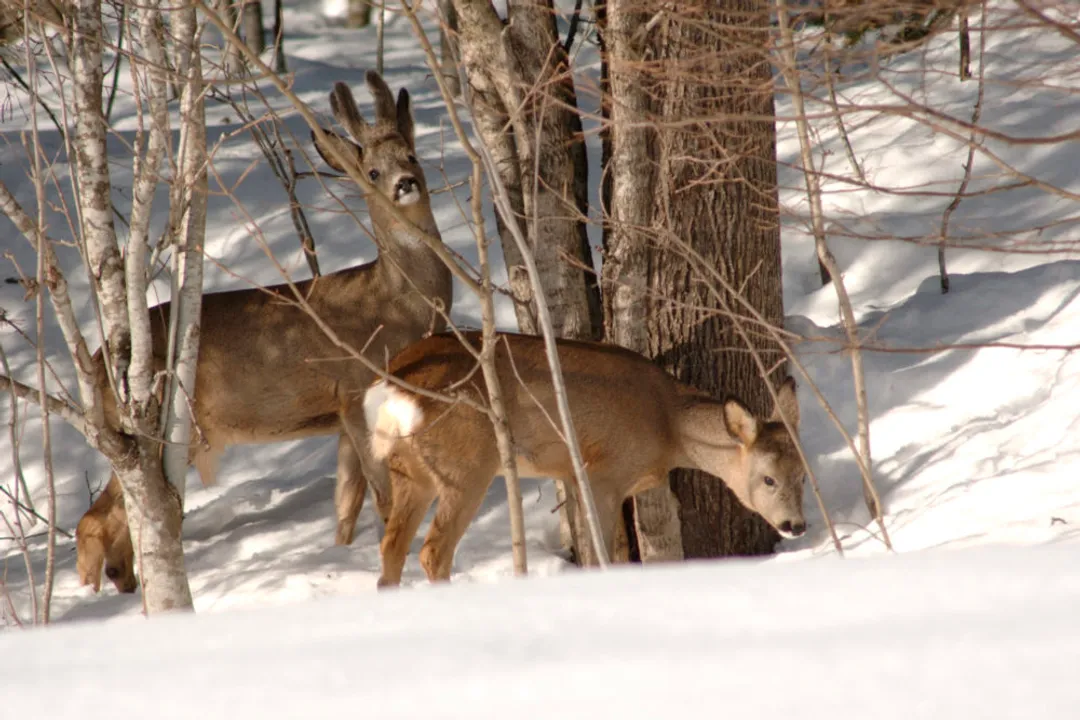
The core characteristic defining the roe deer diet is its selectivity. Unlike larger deer species, which might be classified more as intermediate feeders or grazers consuming tougher, bulkier vegetation, roe deer are true fine grazers. [4] They actively avoid plants that are high in lignin or are generally coarse, which are harder for their relatively small gut to process efficiently. [4] This means that if both tender herbs and coarse grasses are available, the roe deer will almost always opt for the herbs first. [7] This preference is often quantified, with their diet typically comprising around 60 to 70 percent herbs and shoots, 20 to 30 percent grasses, and the remainder consisting of agricultural crops or mast. [7] It is important to note that what constitutes a "grass" versus an "herb" can sometimes blur, but the underlying principle is the preference for easily digestible, nutrient-dense green matter when available. [5]
A good way to conceptualize this specialized feeding strategy is to compare the roe deer to a quality-conscious diner choosing from a buffet. They are constantly sampling to maximize nutrient intake per bite, whereas a grazer might focus on filling up on the most abundant staple item, even if it's less refined. This nibbling approach means that a single roe deer requires access to a wide mosaic of different plant species within its territory to maintain optimal health. [4]
# Seasonal Shifts
The roe deer’s menu changes dramatically, sometimes weekly, depending on the season and the availability of new growth. [1][5] Their nutritional requirements are highest during the active breeding and lactation periods in spring and summer, demanding a diet rich in easily accessible protein and energy. [1]
# Spring and Summer Foods
When the landscape greens up, the roe deer diet explodes with variety. Their absolute favourite items are the new shoots, young leaves, and soft buds of various plants. [1][7] This fresh vegetation offers the highest energy content needed for antler growth in bucks and milk production in does. [1]
Specific preferred items during the growing season include:
- Herbs and Forbs: These make up the bulk of their summer intake, including plants like brambles, meadowsweet, and various clovers. [1][5]
- Woody Browse: They heavily consume the new, tender shoots of woody species. Hawthorn, honeysuckle, and bilberry are commonly cited favourites. [1][5]
- Foliage: Young leaves from deciduous trees are essential sources of browse. [5]
When grasses are young and tender, they will certainly eat them, but they remain secondary to the higher-value herbs and shoots. [7] Because they consume such small quantities of any single species, maintaining a healthy, structurally diverse habitat—one with a dense understory of varied saplings and shrubs—is key to supporting local roe deer populations. [1]
# Autumn and Winter Staples
As daylight shortens and temperatures drop, the energy density of the available vegetation plummets. The roe deer must adapt rapidly, switching to lower-quality, higher-fiber foods to survive the lean months. [7] This shift is less about preference and more about necessity. [5]
The winter diet is characterized by:
- Woody Browse: They consume twigs, bark, and dormant buds from woody plants. [1][5] Species like hawthorn, blackthorn, and some conifers remain important. [7]
- Evergreen Vegetation: Plants that retain some green matter, such as ivy and heather, become critically important food sources when snow cover is minimal. [1][5]
- Fungi and Mast: When available on the woodland floor, fungi, acorns, and beech mast provide vital high-energy supplements. [1][7]
During deep snow periods, grazing becomes almost impossible, forcing them to rely heavily on woody material. If habitat structure is poor (e.g., a dense, mature woodland lacking undergrowth), winter mortality can increase significantly because they simply cannot find enough accessible browse material to maintain body heat and basic metabolic functions. [1][5] This is a critical vulnerability for a small deer species reliant on browsing rather than bulk grazing.

# Agricultural Influence
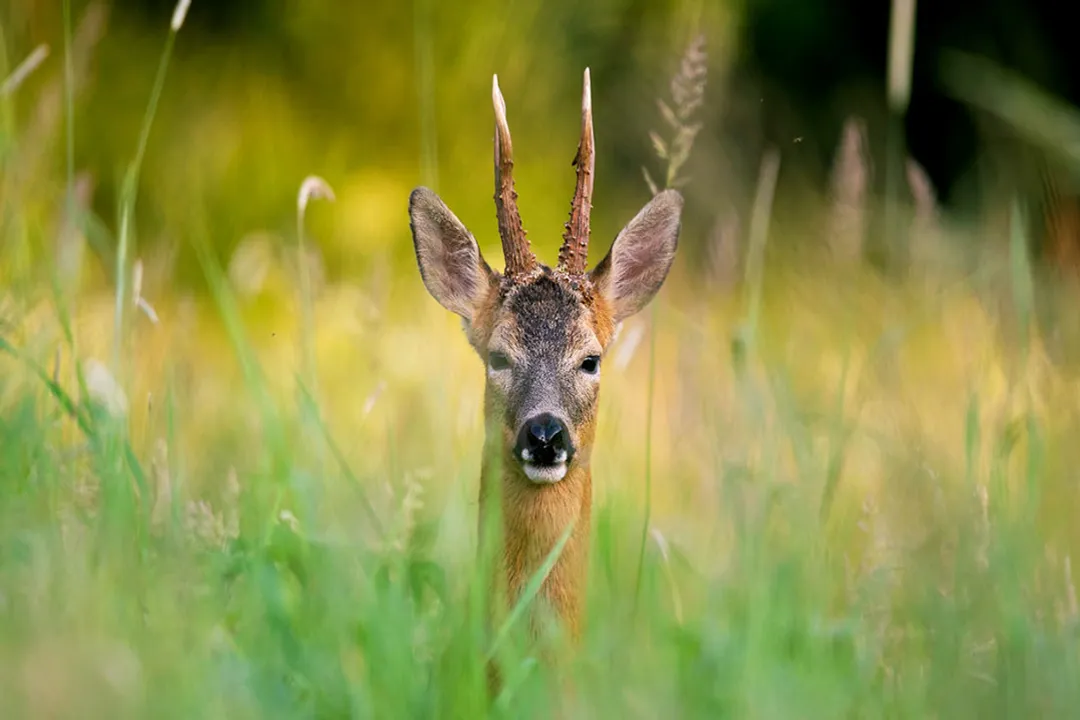
In areas where woodland edges meet agricultural land, the roe deer diet naturally incorporates these human-cultivated food sources, often leading to conflicts with farmers. [5] Roe deer are opportunistic and will readily exploit available crops, especially during the winter when natural forage is scarce. [1]
Crops that frequently feature in their diet include:
- Clover and Alfalfa: These legumes are highly nutritious and mimic their preferred summer herbs. [5]
- Oilseed Rape (Canola): This plant is very attractive, particularly the young foliage in early spring or late autumn. [1]
- Cereals: Winter wheat and maize, especially emerging shoots, can be heavily browsed. [1][5]
While crops offer a temporary bounty, reliance on them isn't ideal from a wildlife management perspective, as they lack the full spectrum of trace minerals and plant diversity found in natural habitats. [7] Land managers who seek to support healthy deer populations often find that providing alternative, high-quality browse material near woodland edges, such as planting browse-friendly species, can help mitigate pressure on sensitive agricultural fields. [9]
# Water Consumption
While primarily obtaining moisture from the succulent green vegetation they consume—a crucial benefit of their preference for herbs and new shoots—roe deer do require regular access to open water sources. [1] In dry summer months, streams, ponds, or even dew-covered vegetation are vital for hydration. This is less of a concern in winter when succulent material is sparse, as they can derive most of their required water content directly from the vegetation they ingest, even if it is tougher browse. [1]
# Dietary Comparison: Roe vs. Red Deer
To better appreciate the roe deer's niche, comparing it to a larger relative like the Red Deer (Cervus elaphus) is illuminating. Red deer are historically categorized as intermediate feeders, capable of consuming much larger volumes of coarser grasses and ligneous material, especially during winter. [4] A Red Deer can effectively manage a high-fiber diet because of its larger rumen capacity, allowing it to sustain itself on poor-quality forage for longer periods. [4] The Roe Deer, being smaller and metabolically demanding for its size, cannot afford this long-term reliance on low-quality food. If a roe deer is forced onto a diet predominantly consisting of dry grass or tough woody stems for an extended period, its nutritional stress level rises quickly, impacting body condition and survival rates. [4][7] This fundamental difference—selective browsing versus bulk grazing/feeding—is the key takeaway for anyone managing habitats for deer populations across different species. [4]
When considering management, understanding the seasonal switch highlights an important management principle: the quality of the winter habitat directly dictates winter survival, whereas the quantity and diversity of summer forage dictate reproductive success. A habitat that looks "neat" or cleared often signifies a lack of the specific new growth and diverse browse that roe deer require for peak fitness. [1] Providing areas where controlled, rotational cutting or grazing can encourage the continuous flush of fresh, tender growth across the feeding territory effectively meets their year-round needs far better than maintaining a static landscape dominated by mature grasses or dense, old scrub. [5] This foresight ensures the deer are not just surviving but thriving, leading to healthier populations overall.[5][10]
Related Questions
#Citations
what they eat, how big they are and how to age a roe deer by their ...
Roe Deer (Capreolus capreolus) - Woodland Trust
Roe Deer - Facts, Diet, Habitat & Pictures on Animalia.bio
[PDF] Roe Deer
Roe deer | The Wildlife Trusts
Roe deer - Wikipedia
Roe deer - Besøkssenter rovdyr
Species-appropriate feeding of roe deer - agrobs.de
Feed To Attract Roe Deer | The Stalking Directory
Roe Deer - Ty Sculpture Trail