What is the lifespan of a uakari monkey?
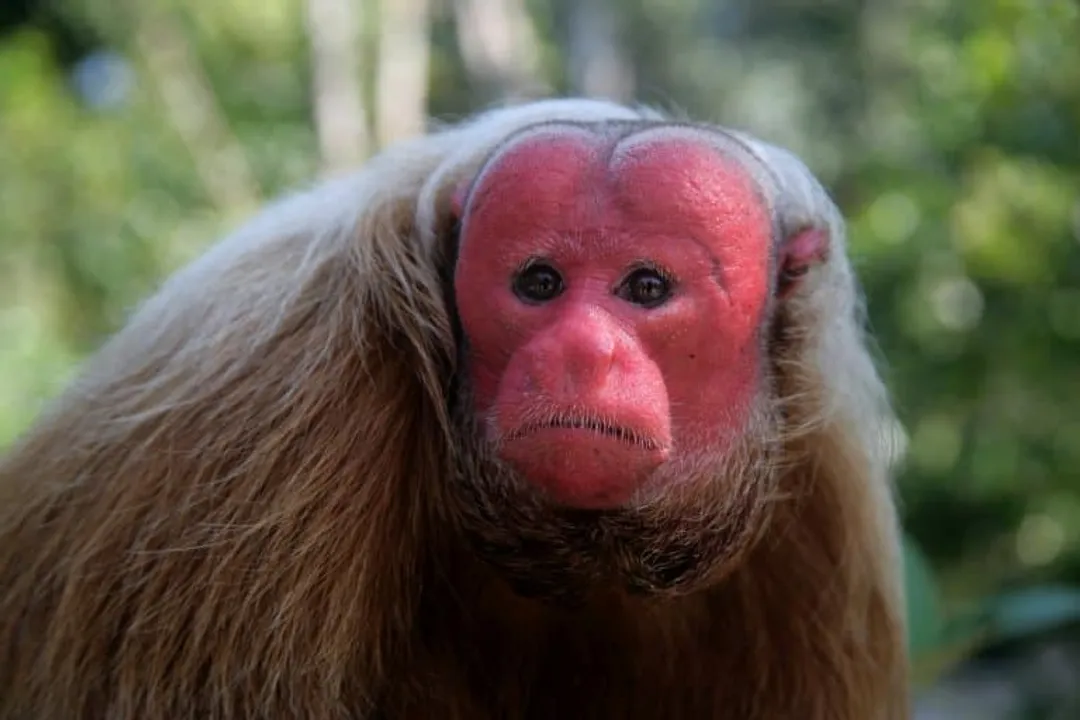
The bald uakari monkey, with its famously vivid, bright red face devoid of fur, is one of the most striking primates residing in the Amazonian rainforests of South America. [4][7] This unusual appearance, caused by the lack of pigment and a network of superficial blood vessels close to the skin, often leads people to wonder about the arc of their existence in the dense canopy—specifically, how long these distinctive creatures manage to live. [4][7] Determining the exact length of a wild uakari’s life is complicated by their remote habitat and the inherent difficulties in long-term observation of wild primates, but available data gives us some strong clues regarding their potential lifespan both under human care and within their natural environment. [1][2]
# Lifespan Data
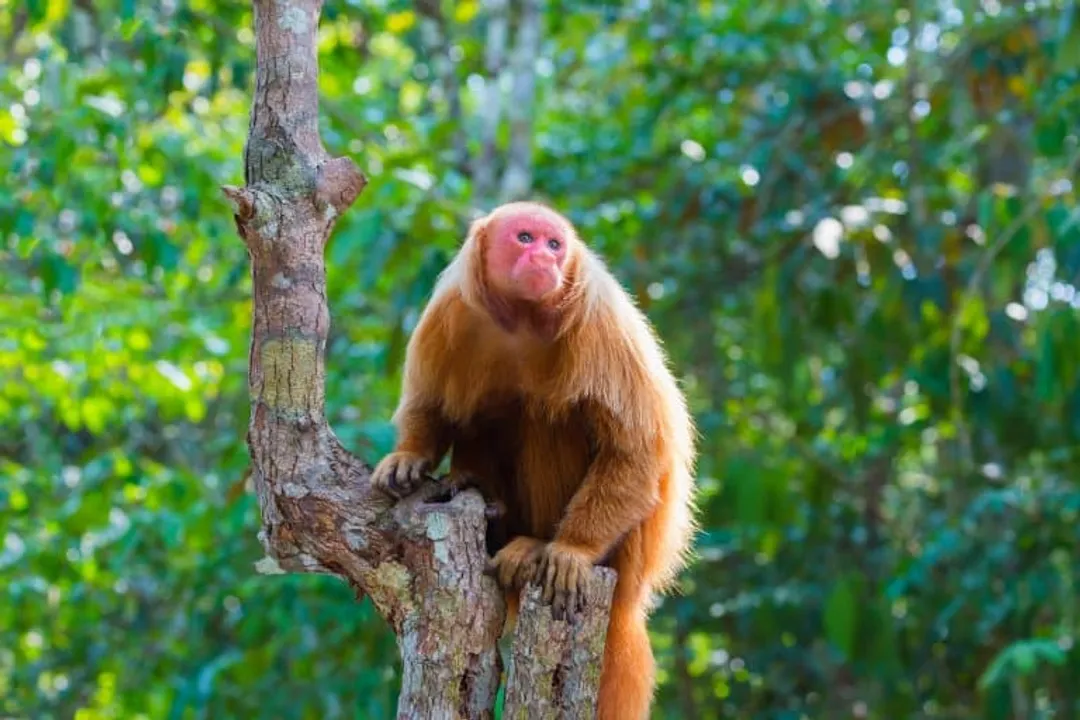
When examining records, there is a noticeable difference between the longevity documented for uakaris in controlled environments compared to estimates for those in the Amazon. [1][2] In captivity, where protection from predators, consistent nutrition, and veterinary care are present, the lifespan of the Cacajao calvus can extend quite significantly. [1] Some records indicate that uakaris in zoos or research settings have been known to survive for up to 20 years. [1][2] This figure is a benchmark for their biological potential when environmental stressors are minimized. [1]
In contrast, the lifespan projected for uakaris living in the wild is often shorter, though precise figures remain elusive. [2] Given the constant threats inherent to the rainforest—predation, disease, competition for resources, and the hazards of arboreal life—it is generally assumed that their average life expectancy in their native setting is less than their maximum captive potential. [2] While definitive wild longevity studies are rare, understanding the threats they face helps frame why captive individuals thrive longer. [2] For instance, the intense ecological pressures experienced by a highly social animal living in a flooded forest habitat contribute to higher mortality rates, particularly among the young. [2]
If we consider the general trend among New World monkeys of a similar size, their wild lifespans often cluster in the teens, making the 20-year captive mark for the uakari quite respectable. [1] It is worth noting that captive survival often relies heavily on the quality of enrichment and diet provided, which can vary across different facilities housing these specialized primates. [1]
# Survival Factors
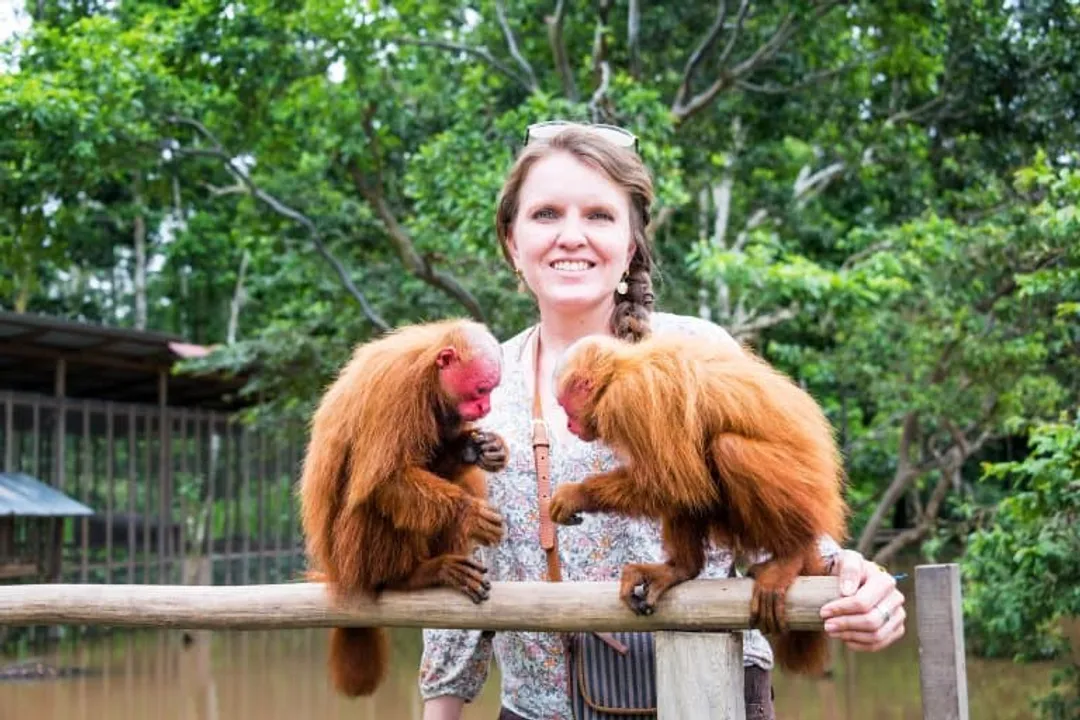
The factors that determine whether a uakari reaches its biological maximum age are deeply intertwined with its ecology and social life. [2] The most apparent challenge is predation. Uakaris are prey items for several large predators native to their environment. [7] Large birds of prey, such as harpy eagles, pose a significant aerial threat, while terrestrial or semi-arboreal predators like jaguars or large snakes can prey upon them from below or in the canopy. [2][7]
Another critical factor influencing survival, particularly for younger individuals, is the availability and quality of food, which ties directly into their specific habitat needs. [8] Uakaris are highly dependent on fruit, consuming large quantities of ripe fruit from various species. [2][8] Their diet is specialized, often focusing on certain seeds and fruits found in the seasonally flooded várzea forests of the western Amazon basin. [2][8] A failure in the timing or abundance of these food sources—perhaps due to shifting climate patterns or local environmental degradation—can lead to malnutrition and weaken the entire social group, thus shortening individual lives. [2]
The physical state of the monkey itself plays a role. A characteristic feature of the species is the lack of skin covering the face, which is often cited as a potential vulnerability. While the bright red coloration signifies health and vigor to potential mates, any infection or severe injury to the exposed facial skin could lead to serious complications, making swift healing capabilities essential for long-term survival. [4]
# Social Structure
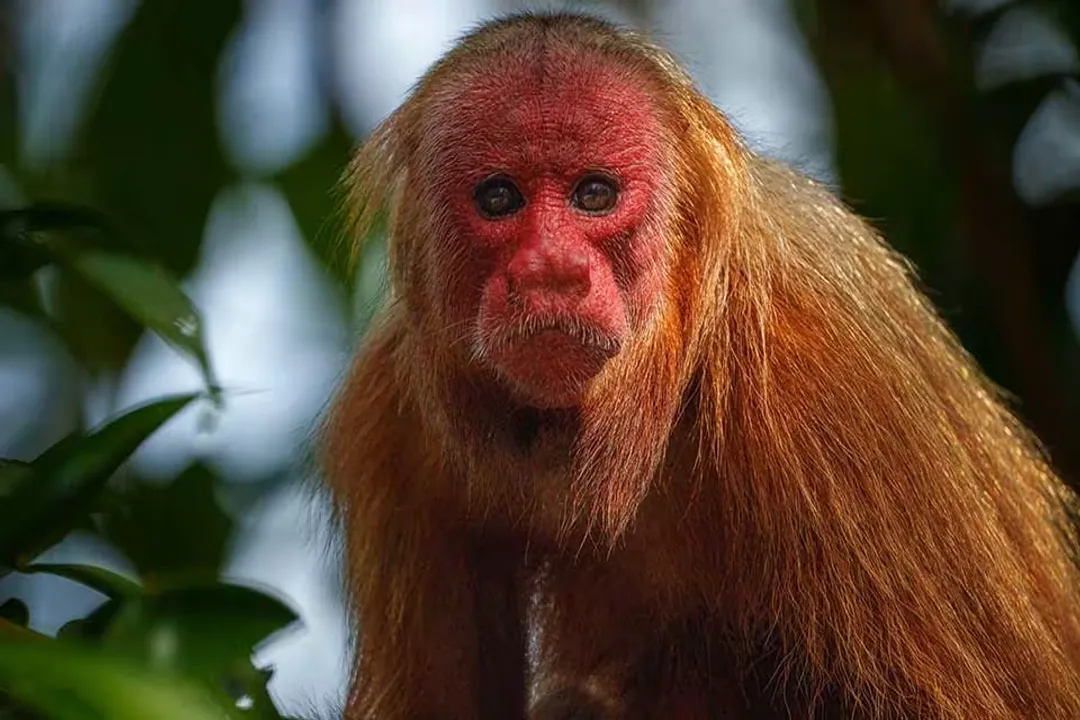
Uakaris live in large social groups, often numbering between 10 and 50 individuals, although they frequently break off into smaller foraging parties during the day. [2] This grouping provides safety in numbers, offering numerous eyes and ears to detect approaching danger, which is a significant advantage in slowing the rate of individual mortality from predation. [2] The group cohesion is maintained through vocalizations and social grooming, behaviors that contribute to overall group health and stress reduction. [2]
The social dynamic is particularly important for the success of the next generation. The infants are highly dependent on their mothers and the group for protection during their vulnerable first few months. [2] A stable social unit where mothers are supported by close relatives increases the likelihood that infants will survive long enough to reach maturity, thereby extending the collective lifespan potential of the population segment. [2] An observation that stands out when reviewing their social organization is how heavily their terrestrial mobility in flooded areas contrasts with many other canopy dwellers; while this allows them access to specific resources, it also increases their exposure to ground-based threats, making group vigilance paramount. [2]
# Longevity Contrast
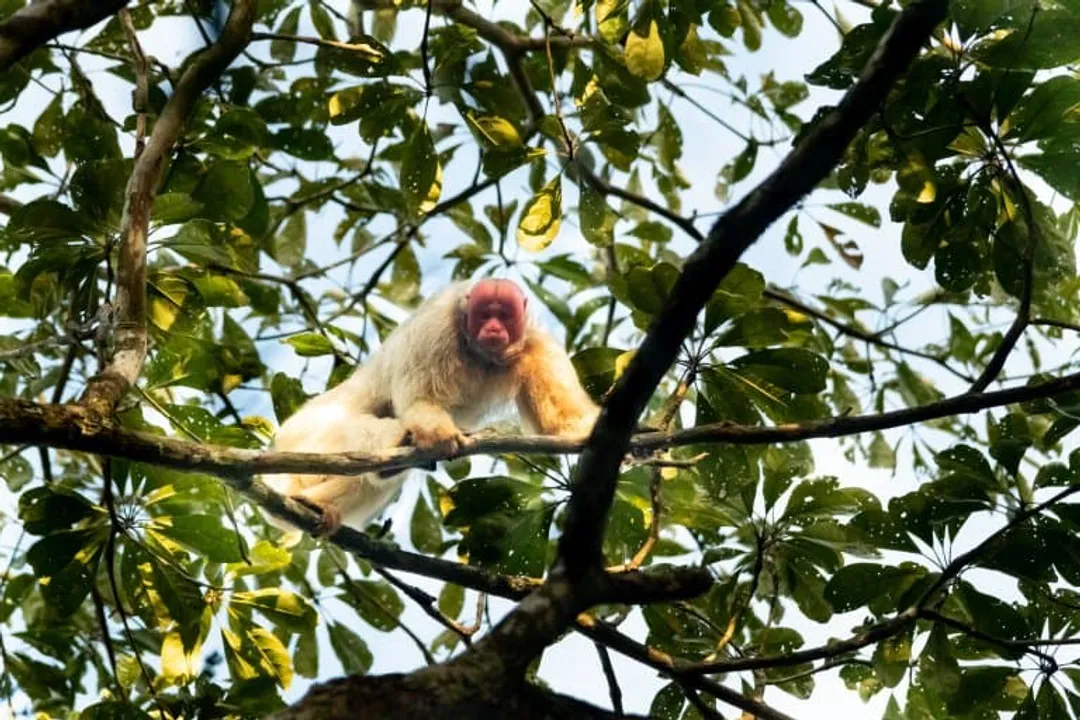
Comparing the captive lifespan of 20 years with the presumed shorter wild life offers a point for practical contemplation regarding conservation needs. [1][2] If a uakari can live two decades with ideal care, it suggests that the environmental pressures in the wild are compressing their natural lifespan by a significant margin—perhaps cutting it short by a third or more. [2] This disparity highlights that for many wild animals, true longevity is not just a matter of genetics, but an intense negotiation with their immediate surroundings. [1] Understanding the specific bottlenecks that reduce wild lifespan (e.g., a particular infectious agent common in the wet season, or a specific predator density) could inform targeted conservation strategies aimed at buffering these external pressures and allowing the wild population to approach its inherent potential for a longer life. [2]
# Conservation Status
The future prospects for the bald uakari directly impact how many individuals will ever experience their full biological lifespan. [9] Unfortunately, the species is currently classified as Vulnerable on the IUCN Red List. [9] This classification acknowledges that while the population is not yet critically endangered, it faces significant threats that are leading to declines. [9]
The primary driver of this vulnerability is habitat loss and fragmentation. [9] Because uakaris require undisturbed várzea forest areas—forests that flood seasonally—they are extremely sensitive to human encroachment, especially logging and agricultural expansion that alters the hydrology or destroys fruiting trees. [8][9] When large tracts of forest are cleared, the cohesive social structure necessary for defense and successful foraging is disrupted, leading to increased stress and reduced birth rates, which in turn lowers the number of individuals surviving past infancy. [2] Protecting large, contiguous areas of this specialized flooded forest is arguably the single most effective intervention for ensuring future generations have the chance to live out their potential years. [9]
The consumption of uakaris for bushmeat also remains a localized threat in certain regions, further reducing adult survival rates and skewing the age structure of the remaining wild populations. [9] Any successful conservation program must therefore address both habitat integrity and direct human-wildlife conflict if the species is to maintain a healthy population distribution where individuals can age naturally. [9]
Related Questions
#Citations
Uakari - Wisconsin National Primate Research Center
Cacajao calvus (red uakari) | INFORMATION - Animal Diversity Web
Bald uakari (cacajao calvus) They are found in rainforest of amazon ...
Uakari Facts & Photos | Wowzerful
Uakari Facts for Kids
Bald uakari facts, distribution & population - BioDB
Bald Uakari (Cacajao calvus) | Nature Table - WordPress.com
Bald Uakari Habitat, Diet & Facts - Study.com
13 Bald Uakari Facts - Fact Animal
Bald Uakari – Facts, Characteristics, Size, Habitat, and Pictures