What is so special about a blue bird?
The brilliance of a bluebird is immediate; it’s a flash of color against the landscape that seems almost too vivid to be real. People are drawn to them, often finding that the mere sight of one evokes a feeling of immediate lightness. This attraction goes beyond just their stunning plumage; bluebirds carry significant weight as symbols, often tied to concepts like hope and renewal across various cultures and modern contexts. [2][9] Their popularity means they are frequently discussed, and what makes them truly special lies in a combination of their striking appearance, their specific ecological function, and the powerful, positive associations humans attach to them. [2][3]
# Color Display
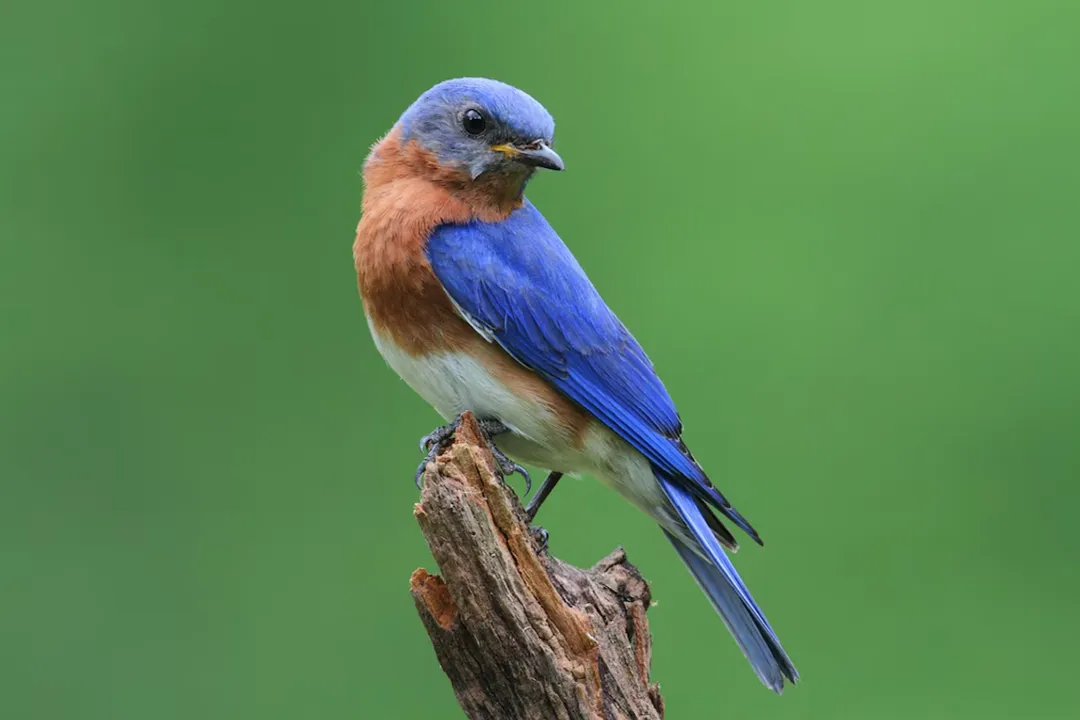
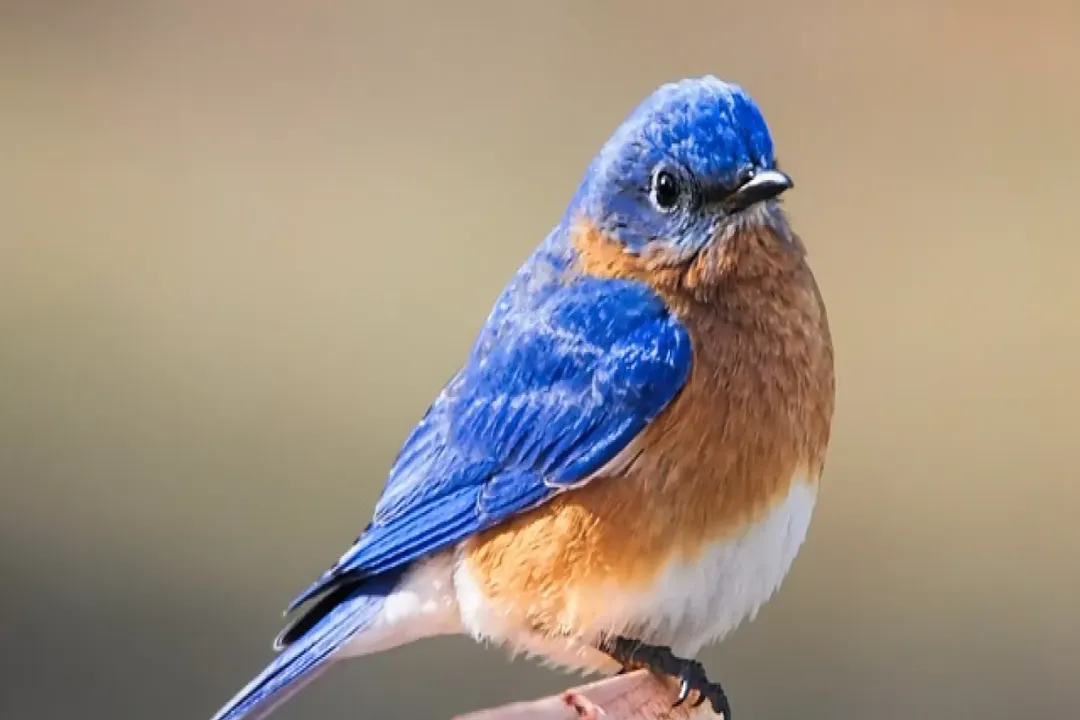
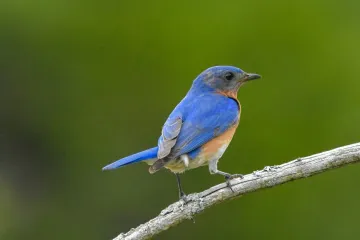
The visual impact of a bluebird is perhaps its most defining characteristic. The most commonly referenced species, such as the Eastern Bluebird, possess a coloration that is truly arresting. Males typically sport backs of a brilliant, vibrant blue, contrasted sharply with rusty or reddish-brown breasts and bright white bellies. [1] This bright blue is not achieved through pigment in the way a red or yellow bird gets its color; rather, it is a structural color, meaning the way light interacts with the microscopic structure of the feathers creates the illusion of intense blue. [5]
Interestingly, not all bluebirds are identical. There are three primary species in North America: the Eastern, Western, and Mountain Bluebirds. [6] While all share the blue characteristic, their specific patterns vary. For instance, the Western Bluebird might have a rusty throat patch depending on the specific subspecies, and the Mountain Bluebird's blue often covers more of its body, sometimes even the head, which differs from the more distinct, contrasting pattern of the Eastern species. [6] This variation means that birders in different regions encounter subtly different shades of blue enchantment.
# Dietary Shifts
What a bluebird eats provides a fascinating example of avian adaptability, crucial for surviving seasonal changes. During the warmer months, bluebirds are predominantly insectivores, making them highly beneficial neighbors for gardeners and farmers. [1][4] They consume vast numbers of insects and spiders, helping to manage populations of various pests. [8] This summer diet is often supplemented by small fruits, though insects form the bulk of their intake when available. [7]
When the weather cools and insect populations dwindle, the bluebird diet undergoes a noticeable shift. They pivot heavily toward eating berries and small fruits to sustain themselves through the colder periods. [1][5] This dietary flexibility—the ability to switch from protein-rich insects to energy-rich fruit—is a key adaptation that allows species like the Eastern Bluebird to maintain residency in areas where full migration isn't necessary or possible. [1] It suggests that their preferred habitat must offer a steady supply of both invertebrate prey in summer and accessible, safe fruit sources in winter, a requirement that makes them effective indicators of healthy, diverse local ecosystems. [4]
# Nesting Habits
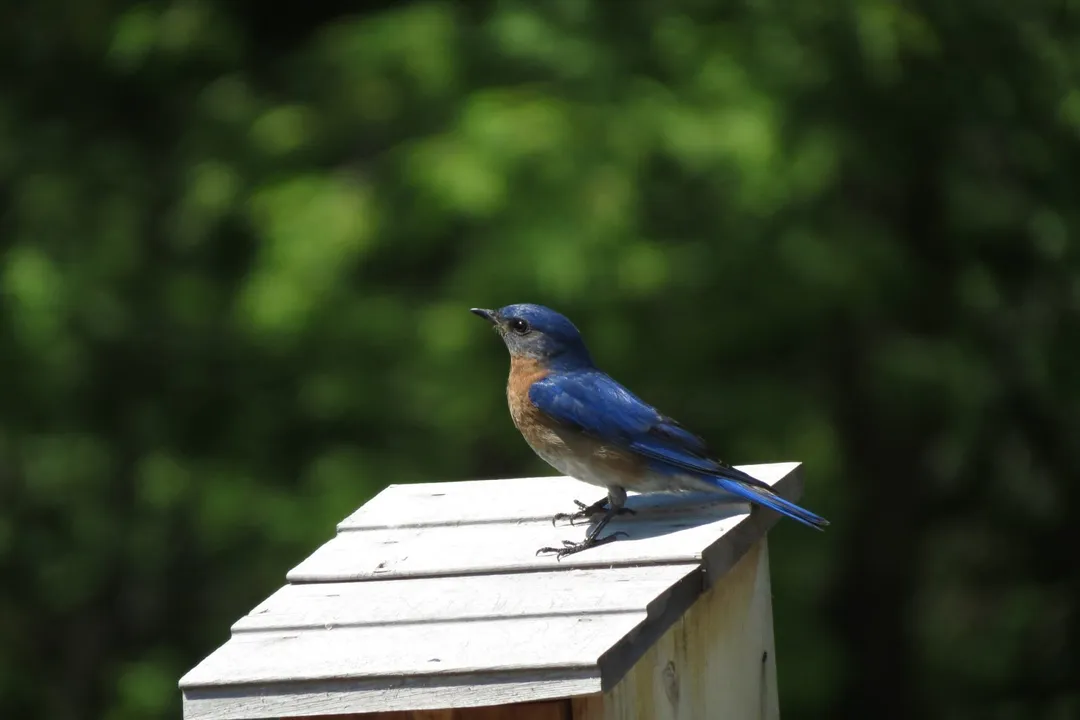
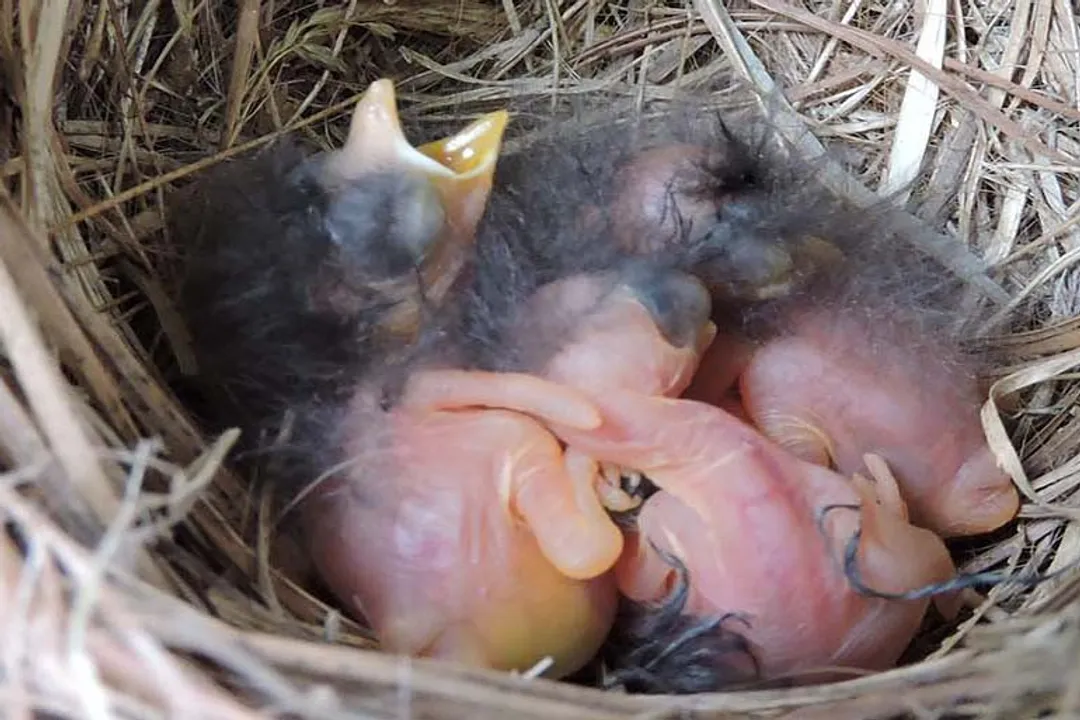
Bluebirds are known for being cavity nesters, a trait that has significantly influenced their relationship with human development. They naturally seek out holes in trees, often old woodpecker excavations, in open or semi-open wooded areas. [5][7] A typical clutch size ranges from four to six eggs. [5][8] Both male and female Eastern Bluebirds can assist with incubating the eggs, although the female usually takes the primary role, with the male often helping to feed the nestlings once they hatch. [6][8]
Because of habitat loss, particularly the removal of old, dead trees that provide natural cavities, bluebirds often rely on human-provided nest boxes to successfully raise their young. [7] They may raise multiple broods in a single season, sometimes having two or even three sets of nestlings between spring and late summer. [1] This high reproductive potential, when conditions are right, is vital for maintaining their populations, which is why monitoring and maintaining bird box trails has become a popular and effective conservation activity. [4]
# Ecological Importance
The value of bluebirds extends far beyond their pleasant appearance; they are active participants in maintaining environmental balance. As noted, their appetite for insects means they provide a natural form of pest control in agricultural and suburban settings. [4] Furthermore, their dependency on specific nesting sites and their varied diet makes them excellent indicator species. [4] A thriving bluebird population often signals a healthy, well-managed habitat that supports a diverse invertebrate base and offers appropriate structural elements like snags or mature trees. [4]
It is fascinating to consider the combined impact of these small insectivores. While a single bluebird's effect is negligible, a successful local population removes a measurable quantity of leaf-eating caterpillars and other garden pests over a breeding season. Think of it this way: if a pair of Eastern Bluebirds needs to feed their nestlings for about 15 days, and each nestling requires several hundred insects daily, the local reduction in small arthropods is substantial, something a homeowner focused solely on planting native species might overlook in favor of expecting larger animals to control pest numbers. [8]
# Cultural Meaning
The intense human affinity for bluebirds is deeply rooted in cultural symbolism, often positioning them as messengers of joy. They have been linked to positive feelings such as happiness, hope, and spiritual awakening. [2] Their return or sighting is frequently associated with the transition from the bleakness of winter to the promise of spring, making them natural harbingers of renewal. [9] This sentiment is so strong that organizations involved in mental wellness or positive development have adopted the bluebird as their namesake, using it to represent the positive transformation they aim to facilitate in clients' lives. [3]
What is particularly special is how this symbolism persists in modern times, even as our understanding of bird biology advances. While many small songbirds consume insects and build nests, the bluebird seems to hold a disproportionately powerful place in the collective imagination, perhaps because their signature bright blue is so rare and striking in the North American avian palette. [9] A flash of that color feels significant, setting it apart from the more common browns, grays, or even yellows of other backyard visitors.
# Conservation Context
While their symbolic status is universal, the actual conservation status of bluebirds differs based on location and specific challenges. The Eastern Bluebird, for example, faced significant population declines in the 20th century, largely due to competition for nesting cavities from non-native, aggressive species like the European Starling and the House Sparrow. [7] This pressure made their conservation a very tangible, achievable goal for backyard bird enthusiasts. [4]
The success story of bluebird conservation, largely driven by the installation of properly designed nest boxes, offers a powerful case study in hands-on environmental action. Unlike protecting a large swath of wilderness that might feel abstract to an individual, placing a nest box and monitoring it provides immediate feedback and a sense of accomplishment. [4] Monitoring data collected by citizens across bird box networks has shown recovery trends, demonstrating that targeted, localized human intervention can directly support a specific, beloved species. [7]
# Supporting Habitat Needs
For those wanting to encourage bluebirds beyond just putting up a box, considering their year-round needs is essential. Since their diet shifts dramatically between summer and winter, a truly supportive yard offers both dense insect life (perhaps achieved by reducing pesticide use) and persistent winter berry sources. [1][8] Think about native shrubs that hold their fruit late into the cold season, such as dogwood or winterberry, which can provide essential calories when insects are frozen solid. [1]
Considering where you place a nest box is also critical. Bluebirds prefer open areas, not deep woods. [7] If you live in a dense, heavily shaded environment, even the best box might go unused because the birds prefer visibility for hunting and predator avoidance. Therefore, an actionable step for habitat improvement involves slightly managing the edge habitat—keeping the immediate area around a nest box clear of dense brush while ensuring nearby taller trees or posts offer perching spots for them to survey the ground for passing insects. [7] This balance between open hunting grounds and nearby cover defines the ideal bluebird territory.
Related Questions
#Citations
Fun Facts About Bluebirds - Valparaiso - Wild Birds Unlimited
What Does It Mean When You See a Bluebird? - Birds and Blooms
The Meaning, Symbolism, & Spiritual Significance of the Bluebird
Why Are Bluebirds Important? - Cedar Run Wildlife Refuge
Eastern Bluebird | National Geographic Kids
Bluebird Facts - South Carolina Bluebird Society
Eastern Bluebird | Vermont Fish & Wildlife Department
[PDF] 25 Bluebird Facts
A Passion for Bluebirds | Psychology Today